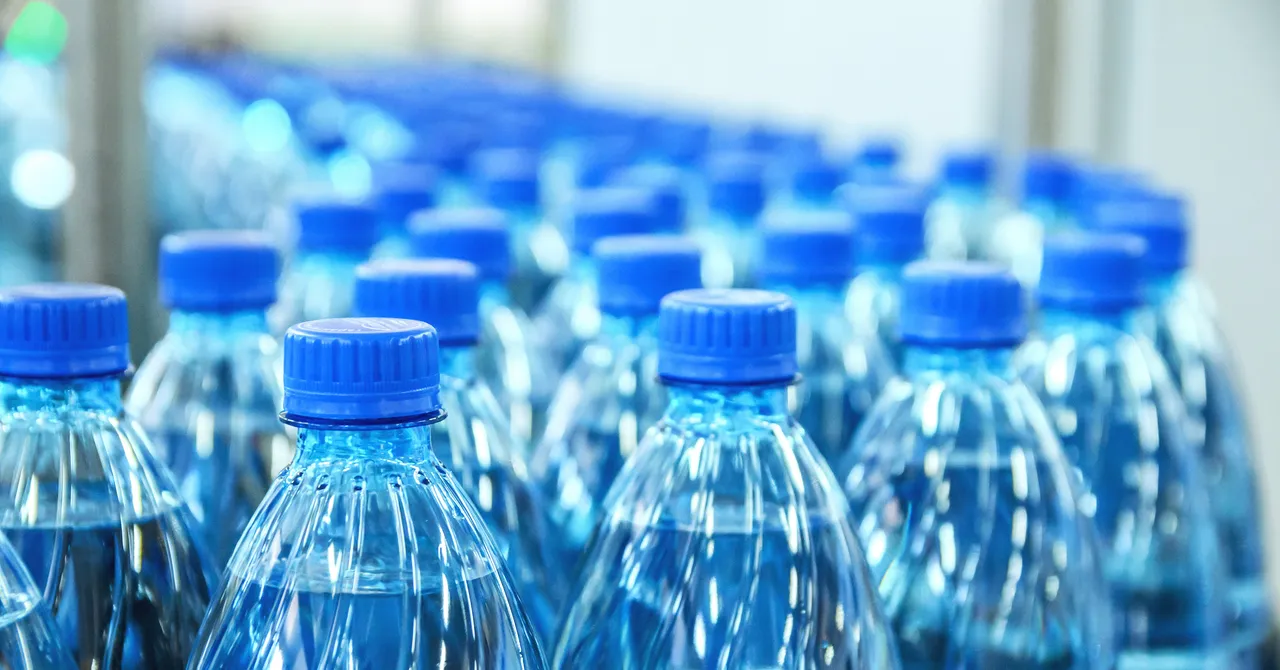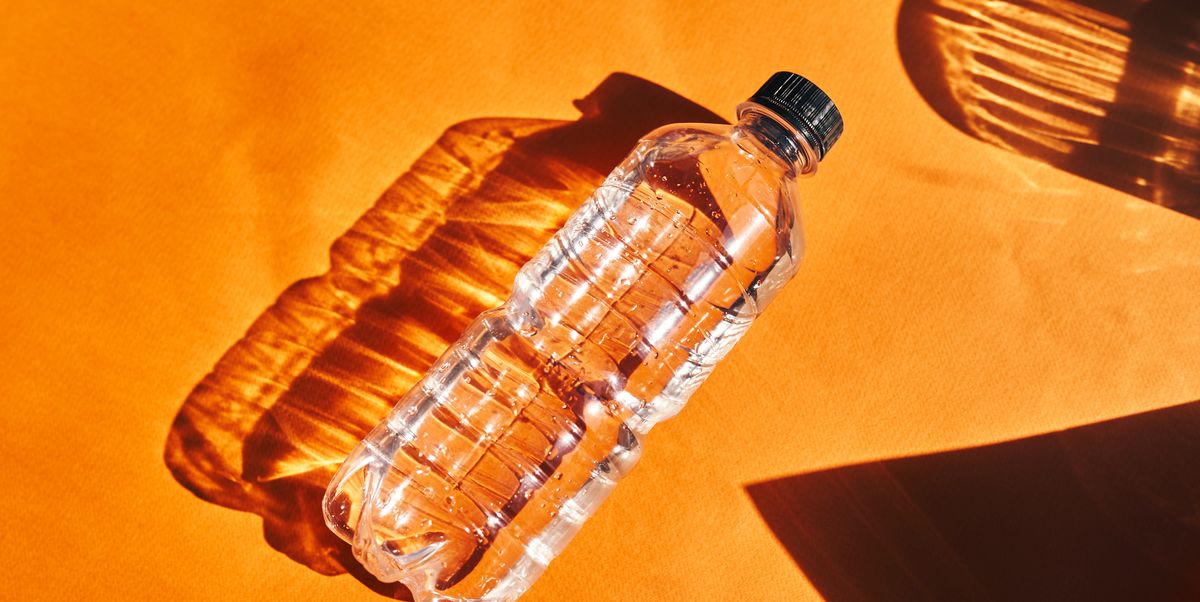
A recent study highlights the health risks of drinking bottled water, revealing that individuals who consume it daily ingest nearly 90,000 microplastic particles annually, which may contribute to inflammation, cell damage, and increased cancer risk, emphasizing the importance of switching to reusable water bottles for health and environmental reasons.
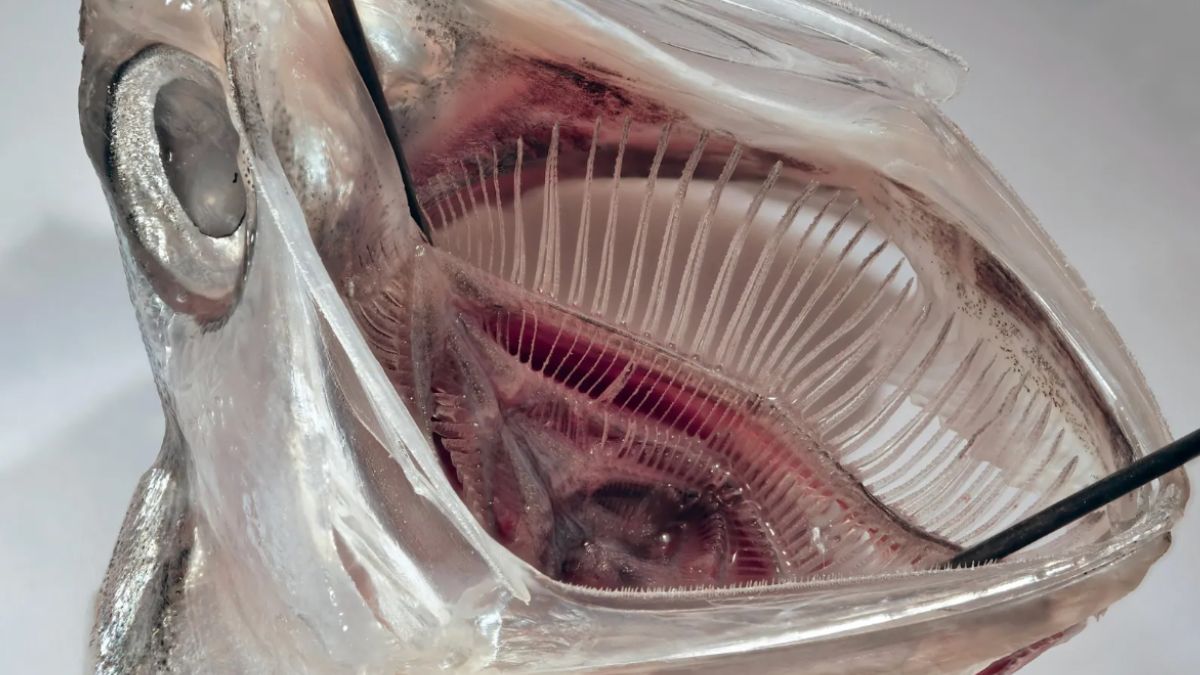
Scientists in Germany have developed a fish-inspired filter that removes 99% of microplastics from laundry wastewater, aiming to reduce plastic pollution entering waterways and the environment, with potential to mitigate health risks associated with microplastics.
Research shows that people who drink bottled water daily ingest nearly 90,000 more microplastic particles annually, raising concerns about long-term health effects and highlighting the need for better regulation and sustainable water solutions.
A woman undergoes at-home microplastics testing revealing high levels in her blood, prompting lifestyle changes to reduce plastic exposure, while experts emphasize the need for more research on health impacts and advocate for better regulation and awareness.
The report updates on plastic pollution, highlighting that without urgent global action, plastic entering the environment will nearly double by 2040, causing severe health, environmental, and climate impacts. It emphasizes the need for transformative policies to reduce plastic production, improve waste management, and shift towards a circular economy to mitigate these risks and create economic opportunities.
Southern Water is responsible for a significant plastic pellet spill at Camber Sands, likely caused by a filter failure at their Eastbourne wastewater treatment plant, leading to extensive pollution and a large-scale cleanup effort, with authorities investigating and emphasizing the environmental impact.
A recent review suggests that microplastics may contribute to vascular dementia by damaging brain blood vessels, with new classifications of the disease highlighting overlaps with Alzheimer's and the potential role of plastic particles in brain pathology, prompting a reevaluation of dementia research and treatment approaches.
Rescuers used a drone to locate a sea lion in the Salish Sea with plastic around her neck, sedated her, and successfully removed the plastic, allowing her to recover and return to her family, thanks to the coordinated efforts of multiple organizations.
A recent study reveals that drinking from plastic bottles exposes individuals to significantly more microplastics—up to 90,000 additional particles annually—compared to tap water, raising health concerns and suggesting the use of reusable bottles made of stainless steel or glass as safer alternatives.
New research indicates that microplastic particles are present in all examined endometrial tissues and are significantly higher in cancerous tissues, potentially disrupting metabolic pathways and contributing to the development of endometrial cancer, raising concerns about the broader impact of plastic pollution on women's reproductive health.
A rare pygmy sperm whale found off Honduras died after ingesting an 11-inch plastic bag, highlighting the devastating impact of ocean plastics on marine life, especially vulnerable species like this elusive whale, and emphasizing the need for global and individual efforts to reduce plastic waste.
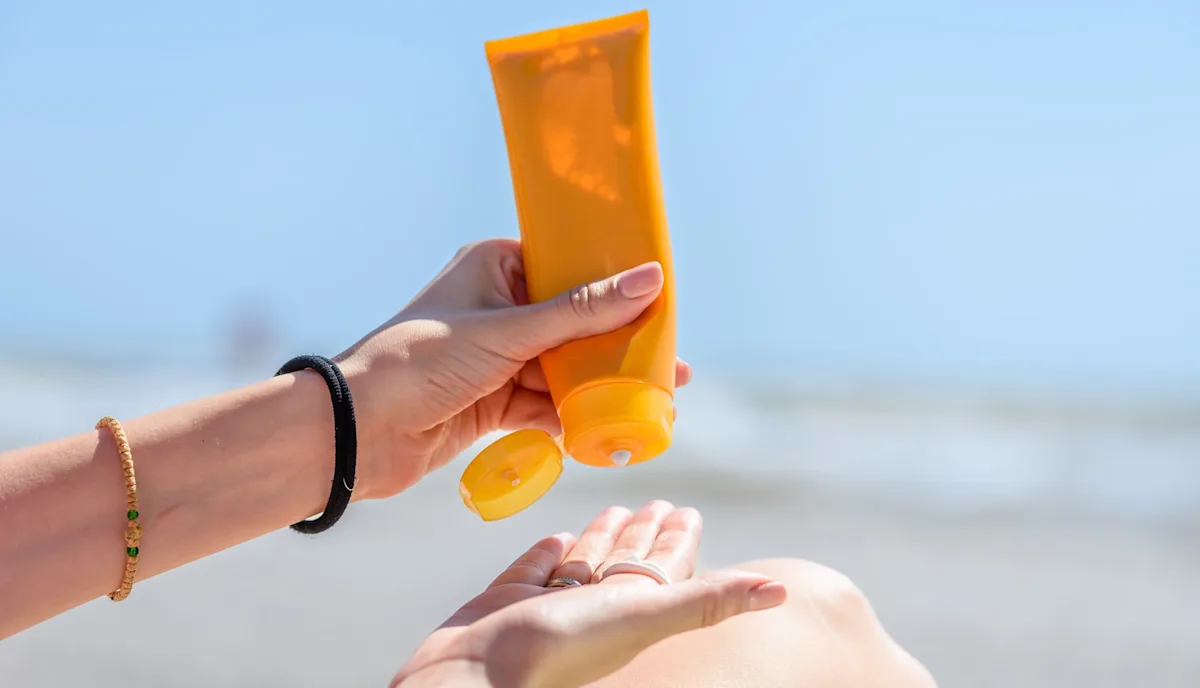
Scientists warn that a chemical in many sunscreens, EHMC, may prolong plastic life in water and promote harmful biofilms, posing risks to marine ecosystems and human health, prompting calls for further research and policy action.
Research on Mallorca beaches revealed that Neptune balls, natural seagrass formations, often contain dense plastic debris, highlighting the impact of human pollution on marine ecosystems, with some balls trapping large and visible plastic items like sanitary products.
South Australia will ban fish-shaped soy sauce containers to reduce plastic pollution and protect marine life, building on previous legislation targeting single-use plastics, with the ban effective from Monday for pre-filled 30ml containers, while larger bottles remain unaffected.
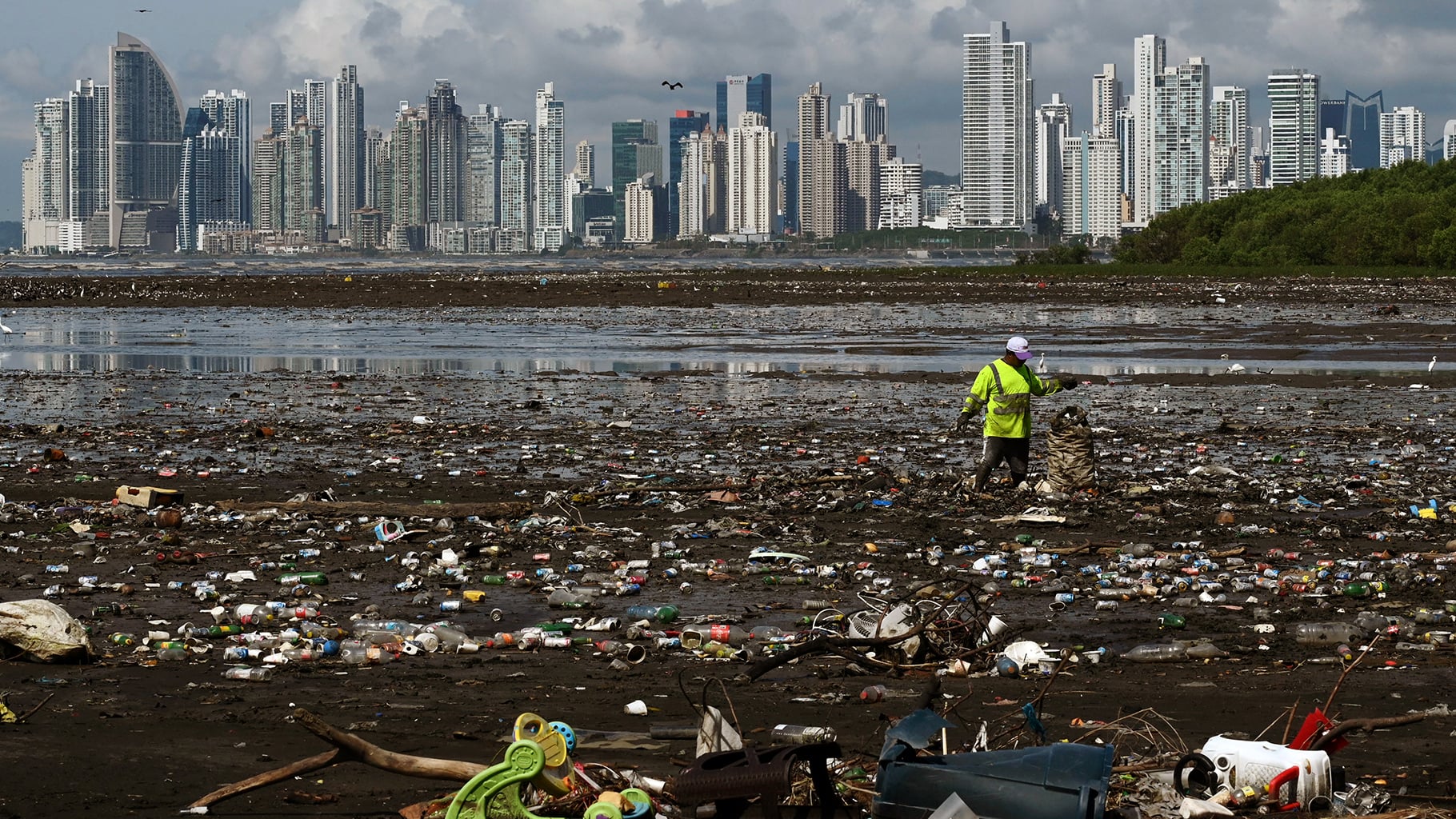
A report in The Lancet warns that plastic pollution is a 'grave' and growing threat to human health and the environment, with production expected to triple in the next 35 years. The pollution, originating from fossil fuel-based plastics, poses risks from infancy through old age, including reproductive, cognitive, and cardiovascular issues, and contributes significantly to climate change. Despite international efforts, including UN negotiations, progress on binding regulations remains stalled, emphasizing the need for local actions and innovations in recycling and pollution detection to mitigate the crisis.