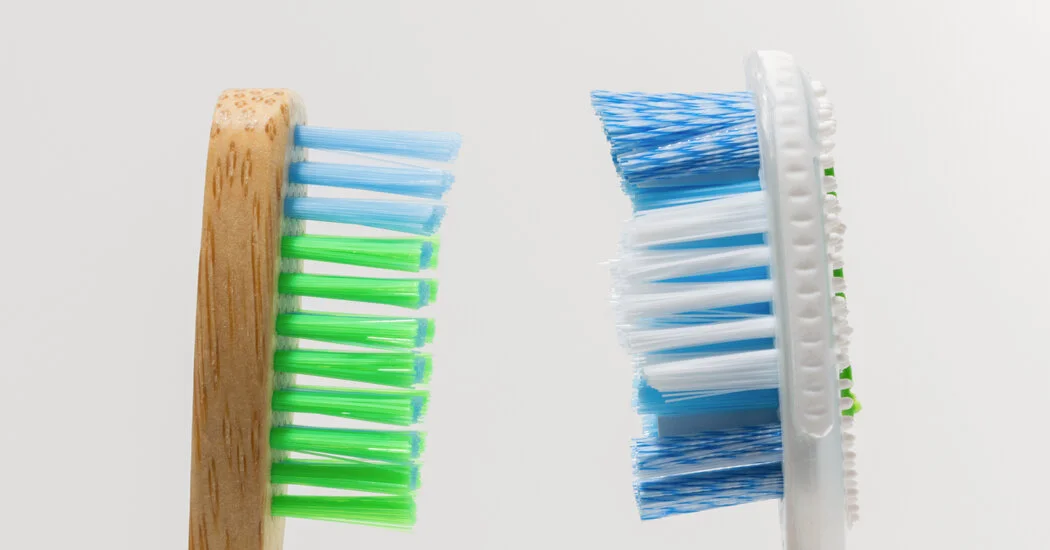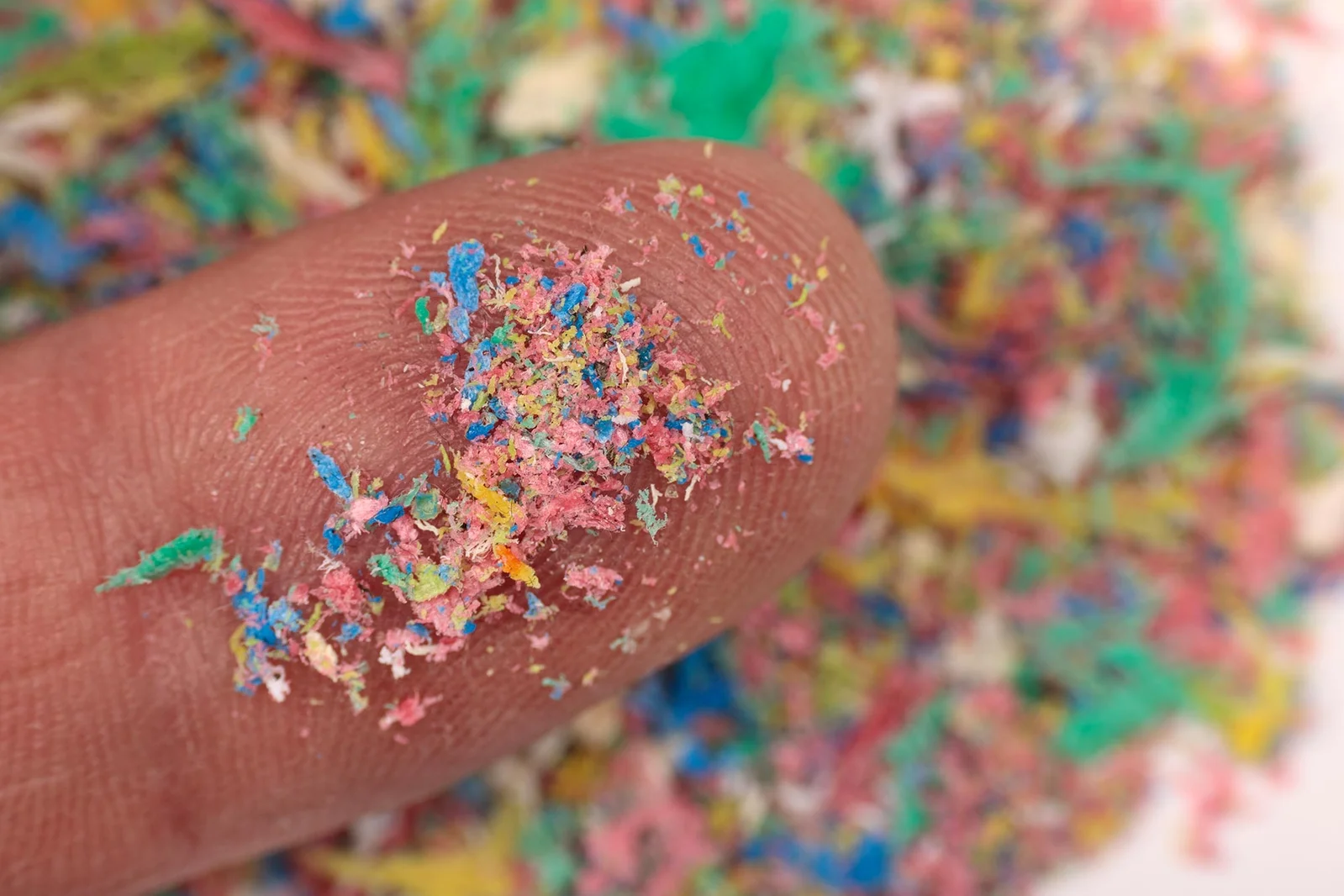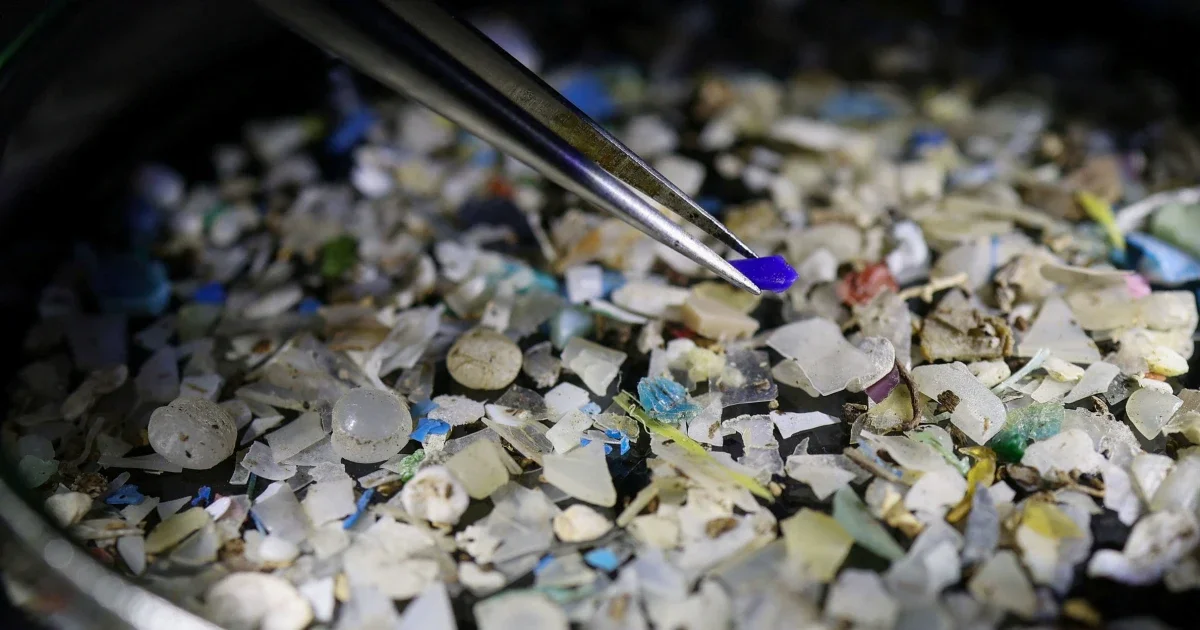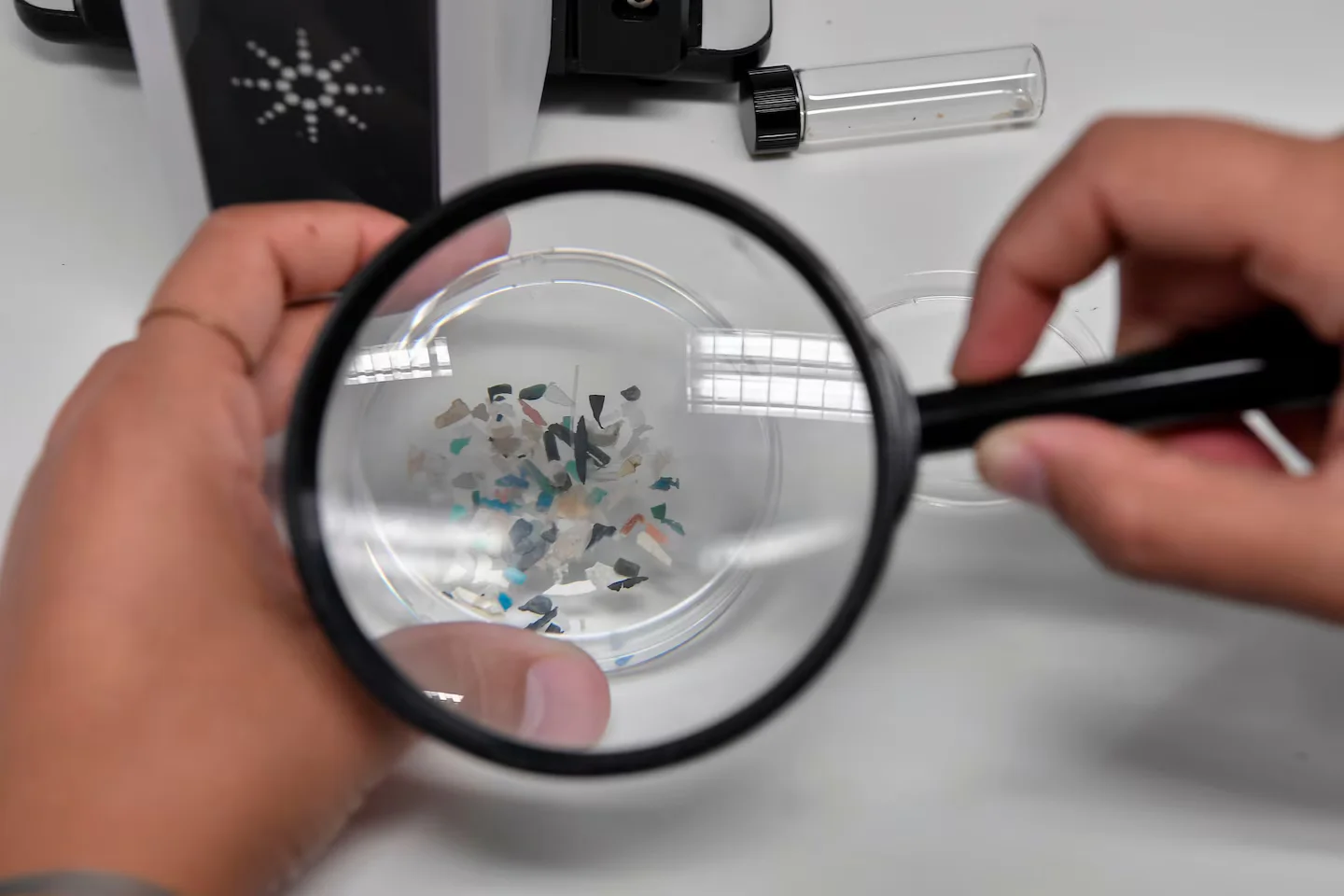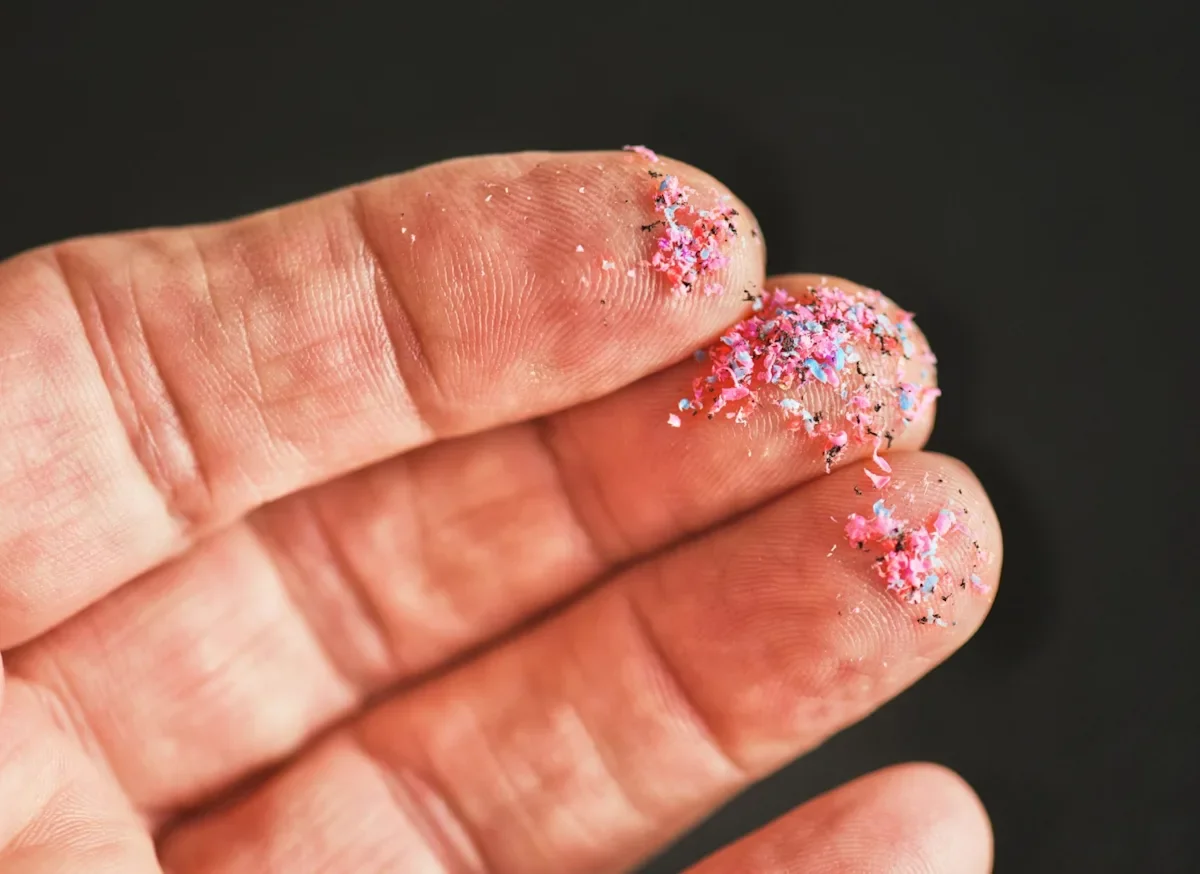
A Xi’an, China study found microplastics in city air within PM2.5 tripled over the study period, with post‑pandemic samples dominated by white/transparent fibers from discarded masks. Inhaled microplastics can deposit in the nose, throat, and lungs, and younger people may be more susceptible. Sources include masks, synthetic clothing, tires, and packaging; aging plastics and ozone may boost release. Outdoors indoors exchange and air monitors, along with cleaner streets and better waste management, could help reduce exposure, and some cities promote reusable masks. The study was published in the Journal of Geophysical Research.
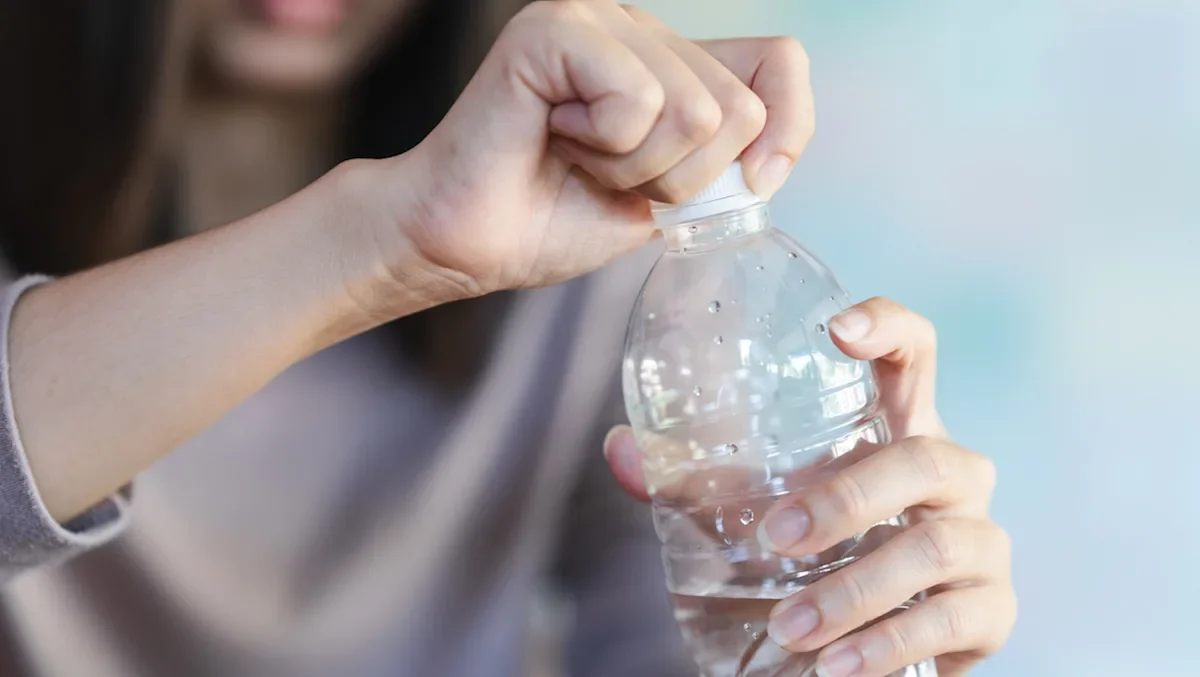
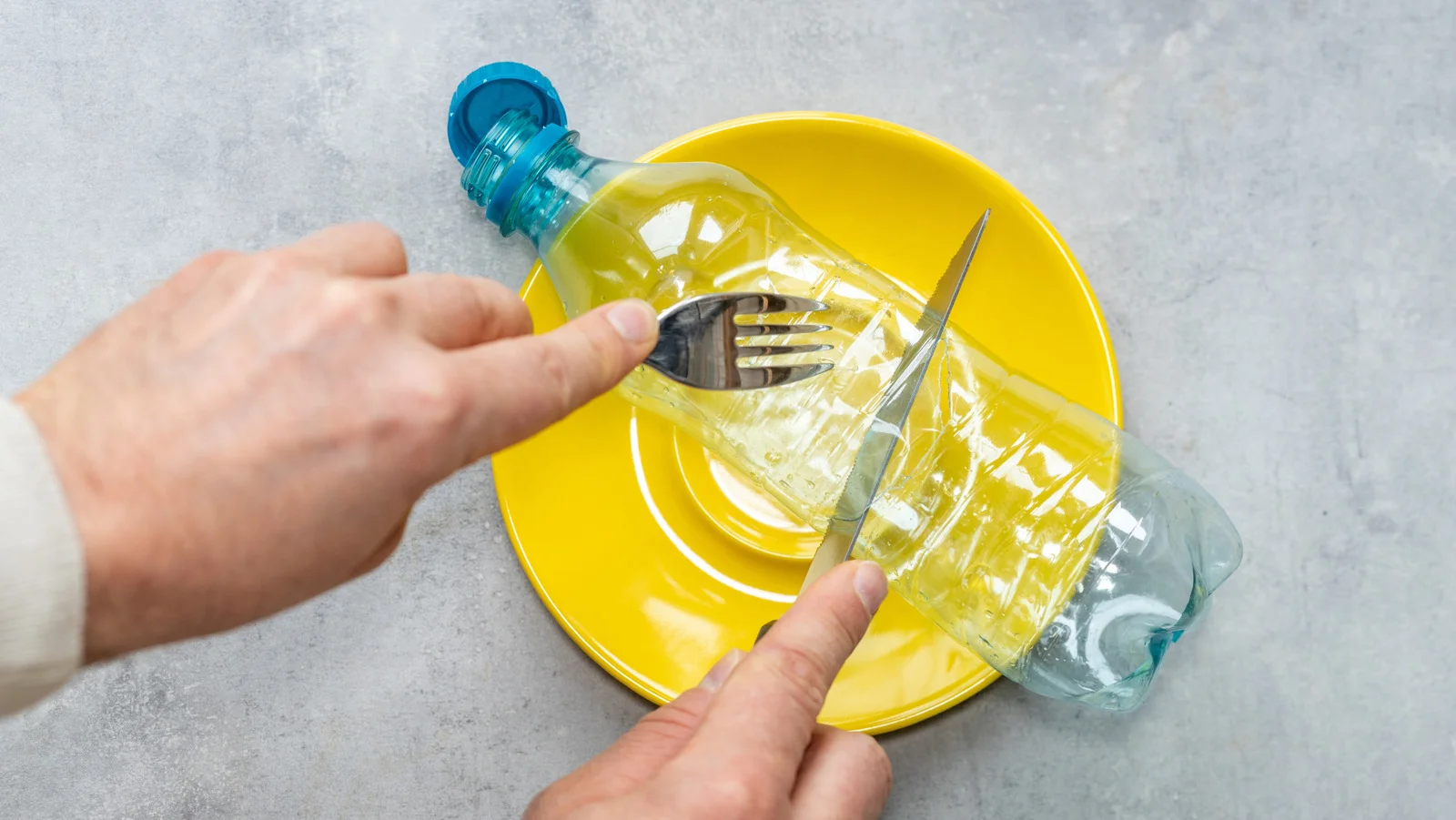
A recent study highlights the health risks of drinking bottled water, revealing that individuals who consume it daily ingest nearly 90,000 microplastic particles annually, which may contribute to inflammation, cell damage, and increased cancer risk, emphasizing the importance of switching to reusable water bottles for health and environmental reasons.
Brothers Dr. Xand and Dr. Chris van Tulleken discuss and debunk common health worries, including microplastics in the brain, the necessity of high protein intake, and magnesium supplements, emphasizing that many health concerns are exaggerated or unnecessary to stress over.
In 2025, significant progress was made in understanding microplastics, revealing that these tiny particles are not only polluting rivers and oceans but are also present in our bodies and food, raising concerns about health and environmental impacts.
Scientists in Germany have developed a fish-inspired filter that removes 99% of microplastics from laundry wastewater, aiming to reduce plastic pollution entering waterways and the environment, with potential to mitigate health risks associated with microplastics.
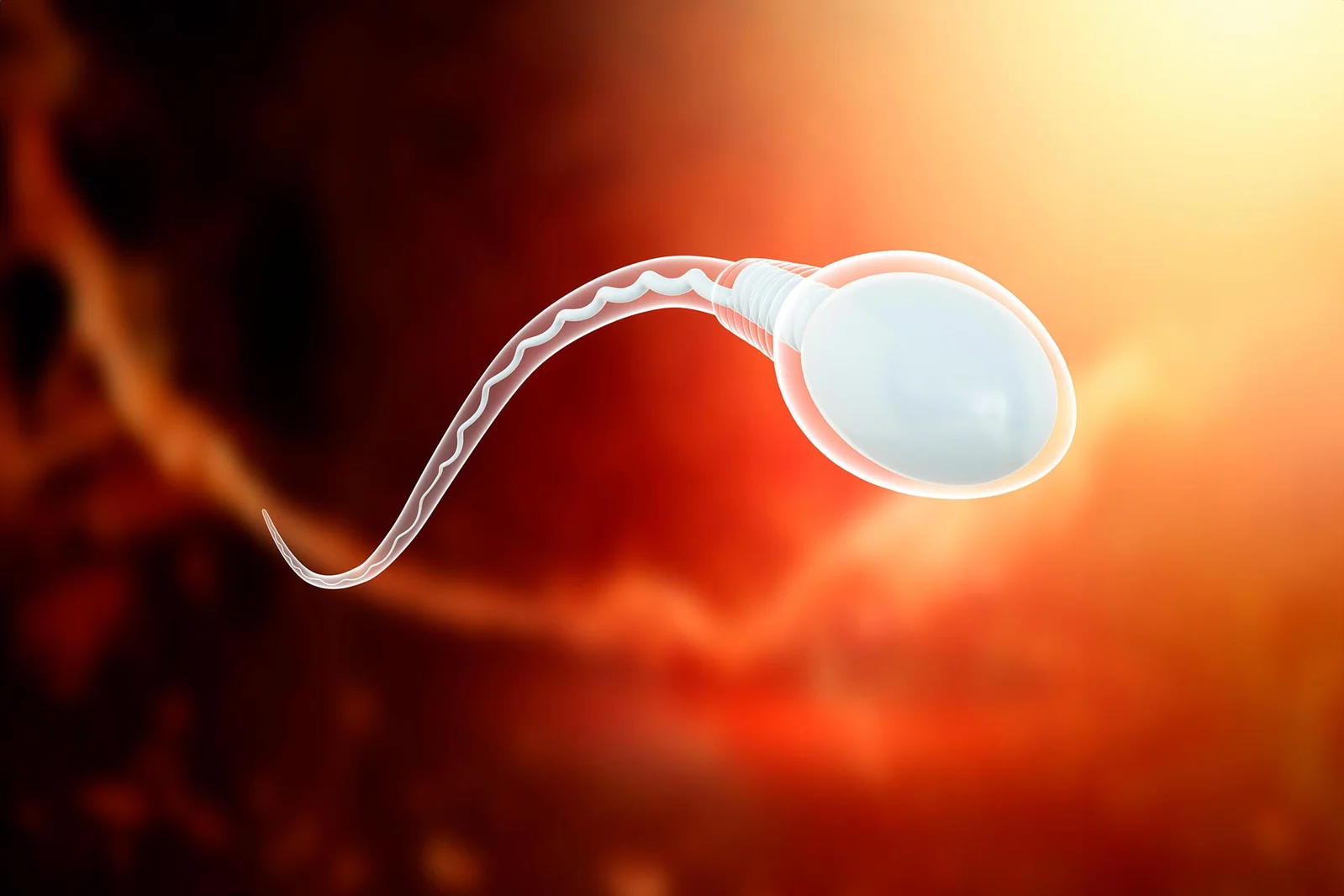
A recent study suggests that microplastic exposure in male mice can negatively affect the metabolic health of their female offspring, raising concerns about potential intergenerational health risks in humans. Microplastics are pervasive environmental pollutants found in water, soil, air, and human tissues, and their impact on future generations warrants caution, especially for men planning to have children. Reducing plastic use may help minimize exposure.
Neuroscientists warn that microplastics may contribute to neurodegenerative diseases like Alzheimer's by disrupting cellular pathways in the brain, emphasizing the need for reduced plastic use and better environmental policies to protect human health.
Scientists in China have found that boiling tap water and filtering it can remove up to 90% of microplastics, offering a simple and accessible method to reduce human exposure to these pollutants, especially in areas with hard water where calcium carbonate helps trap plastics during boiling.
A study suggests microplastics may contribute to heart disease, with male mice showing increased artery plaque buildup, indicating potential sex-specific vulnerability and raising concerns about microplastics' health impacts on humans.
New research indicates that microplastics can directly damage blood vessels and accelerate artery-clogging plaque formation in male mice, potentially impacting human heart health, with effects differing between sexes and not linked to cholesterol or weight changes.
Research shows that people who drink bottled water daily ingest nearly 90,000 more microplastic particles annually, raising concerns about long-term health effects and highlighting the need for better regulation and sustainable water solutions.
Bryan Johnson advocates for sauna use as a highly effective health protocol, claiming it reduces toxins, improves vascular age, and enhances fertility, though medical experts caution that evidence for detox and microplastic removal is limited and that high-heat sauna exposure can temporarily affect male fertility. Regular sauna use is supported by evidence for cardiovascular and metabolic benefits, with safety recommendations including hydration and moderation.
A study by Exeter University found that fiddler crabs in Colombia's polluted mangrove forests can break down microplastic particles within days, but this may release harmful nanoplastics into their tissues and the food chain, raising concerns about pollution adaptation and environmental impact.
A woman undergoes at-home microplastics testing revealing high levels in her blood, prompting lifestyle changes to reduce plastic exposure, while experts emphasize the need for more research on health impacts and advocate for better regulation and awareness.
A group of governors, led by New Jersey's Phil Murphy, has petitioned the EPA to monitor microplastics in tap water, highlighting concerns about their widespread presence and potential health risks, and urging regulatory action to better understand and address this invisible threat.