Frequent nosebleeds, mostly benign, can be caused by dry air, nose picking, allergies, medications, or underlying health issues. Most can be managed at home with proper first aid, but persistent or severe cases require medical evaluation to identify underlying causes and appropriate treatment.
Diane Keaton died from pneumonia, a lung infection that inflames the air sacs in the lungs, caused by bacteria or viruses, and can be severe or fatal, especially in the elderly or those with underlying health conditions. Symptoms include cough, fever, chest pain, and difficulty breathing, and it can lead to complications like sepsis or ARDS. Prevention includes good hygiene and vaccines for certain types of pneumonia.
New research from the Mayo Clinic reveals that nearly half of heart attacks in women under 65 are caused by factors other than clogged arteries, such as spontaneous coronary artery dissections and embolisms, highlighting the need for better diagnosis and awareness of alternative causes, especially in women.
Prostate cancer is a common and potentially serious disease in men, with risk factors including age, family history, genetics, obesity, and smoking. It often shows no early symptoms but can be detected through tests like PSA and DRE. Prevention strategies include maintaining a healthy diet, exercising regularly, quitting smoking, and managing weight. Early detection and healthy habits are key to reducing risks and improving outcomes.
Vitamin D deficiency, a common global health issue affecting about 1 billion people, results from inadequate sunlight exposure, diet, or poor absorption, and can lead to bone disorders like rickets and osteomalacia. At-risk groups include older adults, infants, and those with darker skin. Prevention involves sufficient sun exposure, diet, and supplements, with treatment focusing on restoring optimal Vitamin D levels to prevent serious health complications.
Colon cancer, a type of colorectal cancer, is a significant health concern worldwide, particularly affecting those over 50, though cases are rising among younger people. It often develops without symptoms, making regular screenings crucial for early detection and prevention. Risk factors include diet, lack of exercise, smoking, and genetic predispositions. Treatment options vary based on the cancer's stage and may include surgery, chemotherapy, radiotherapy, and immunotherapy. Lifestyle changes, such as a healthy diet and regular exercise, can significantly reduce the risk of developing colon cancer.
Vascular dementia, the second most common form of dementia, is a progressive disease caused by compromised blood supply to the brain, leading to cognitive impairment. Risk factors include high blood pressure, high cholesterol, diabetes, smoking, and obesity. Symptoms vary but may include difficulties with planning, reduced concentration, and changes in personality. Early diagnosis is crucial, and while there are no specific treatments, managing risk factors can slow progression. Research is focusing on understanding the disease mechanisms and potential treatments, offering hope for the future.
Researchers have observed a significant increase in cancer cases among people under 50, with rates of under-50s diagnosed with common cancers surging by nearly 80 percent between 1990 and 2019. While the exact reasons for this rise remain unclear, potential factors include early exposure to cancer-causing factors, such as tobacco smoke and obesity, as well as changes in the gut microbiome. The rise in younger colorectal cancer cases has prompted the US to lower the recommended age for screening to 45, and experts emphasize the importance of consulting a doctor if any concerning symptoms are noticed.
Rates of colorectal cancer are rapidly increasing among people in their 20s, 30s, and 40s, while declining in those over 65, with rectal cancers and cancers on the left side of the colon driving the rise. Experts are racing to understand the reasons behind this trend, as colorectal cancer becomes the top cause of cancer deaths in men under 50 and the second-leading cause in women under 50 in the United States. Early symptoms such as blood in the stool and changes in bowel habits should not be dismissed, especially in young individuals, as early detection is crucial for effective treatment.
Kidney stones are prevalent in India, with a 12% global prevalence, and are caused by factors such as diet, genetics, obesity, and underlying health conditions. Recurrence rates are high, with more than 90% of individuals developing another stone within 20-25 years. Causes include inadequate treatment, failure to make necessary lifestyle changes, and genetic factors. Prevention involves maintaining a balanced diet, staying hydrated, avoiding excess salt and sugars, and engaging in regular physical activity.
Hiccups are caused by involuntary contractions of the diaphragm and glottis, with longer episodes potentially indicating underlying health issues. Home remedies like holding your breath, trying the Valsalva maneuver, sipping cold water, biting into a lemon, or adjusting dietary choices may provide relief, but medical attention is advised if hiccups persist for hours, recur frequently, or interfere with daily activities. Persistent hiccups can be associated with chronic and serious conditions, so consulting a medical provider for assessment is recommended.
Lower back pain is a common issue that can be caused by various factors such as muscle strains, fractures, arthritis, disc problems, structural issues, and diseases. Risk factors include lack of exercise, being overweight, incorrect lifting techniques, and psychological conditions. Preventive measures such as regular exercise, maintaining a healthy weight, and good posture habits can help reduce the risk of back pain. Prompt medical intervention is essential for worsening or persistent symptoms, as delay in treatment can worsen the condition.
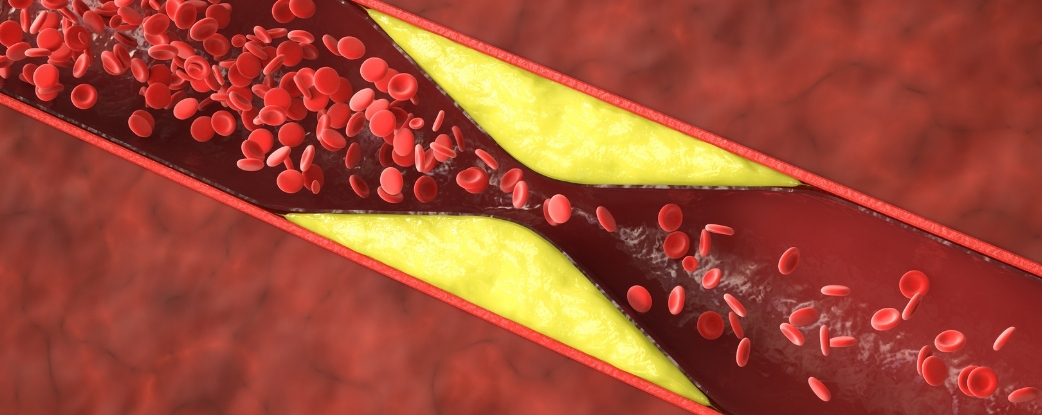
Blood clots are a natural response to blood vessel injuries, but when formed improperly within the vessels, they can lead to life-threatening complications. Symptoms include swelling, pain, warmth, and redness, and prompt medical attention is crucial. Factors such as immobility, hypercoagulability, and endothelial damage can increase the risk of blood clots, emphasizing the importance of maintaining an active lifestyle and understanding individual health profiles. Complications of blood clots include pulmonary embolism, deep vein thrombosis, stroke, organ damage, and post-thrombotic syndrome, highlighting the need for ongoing monitoring and comprehensive medical care.
Nighttime leg cramps, also known as charley horses, can be caused by various factors such as dehydration, intense exercise, hypothyroidism, and restless leg syndrome. These cramps become more common as people age and can be particularly distressing. Treatment options include gentle stretching, massage, application of a heating pad, and over-the-counter pain medication. If cramps persist, it's advisable to consult a doctor for further evaluation and consider prescription medication options.
Nighttime leg cramps, also known as charley horses, can be caused by various factors such as aging, dehydration, intense exercise, hypothyroidism, and restless leg syndrome. While they are usually harmless, frequent cramps may warrant a visit to a doctor to rule out serious conditions. Treatment options include gentle stretching, massage, heating pads, and over-the-counter pain medication, with prescription medication as a last resort. If cramps persist or interfere with walking, it's important to seek medical attention.