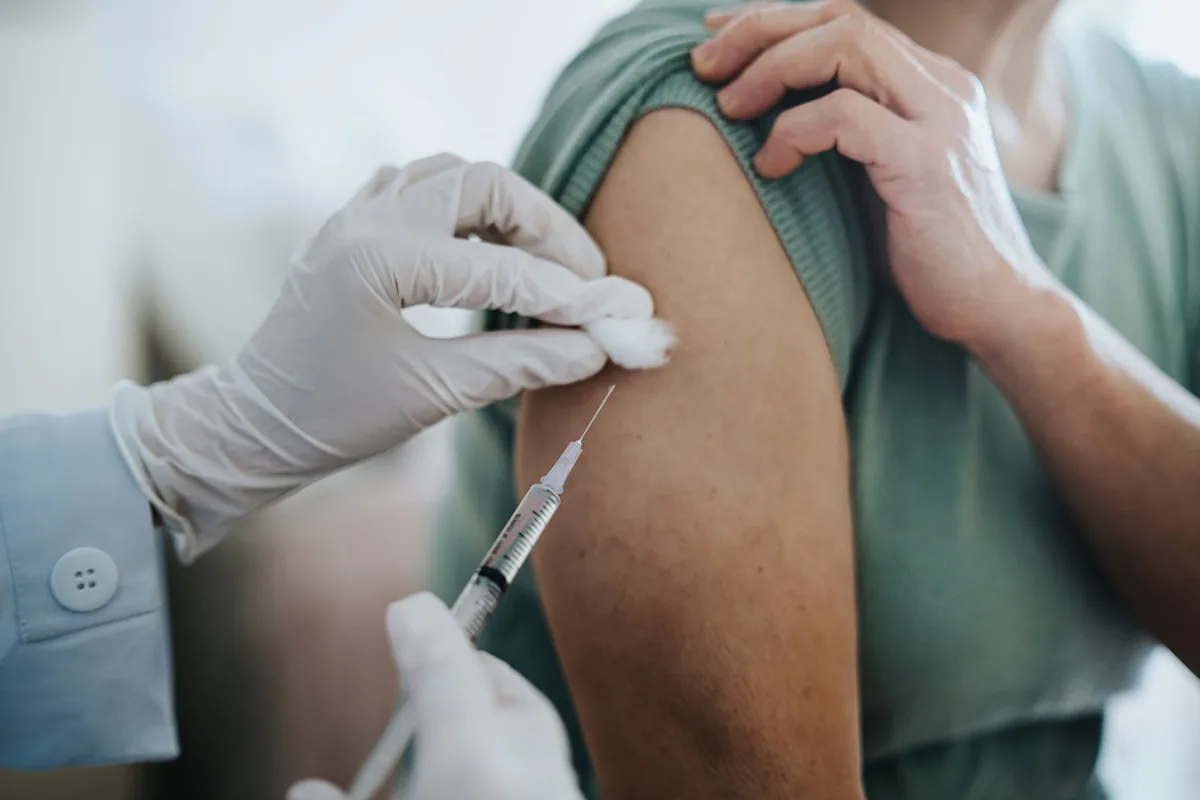
Research indicates that the shingles vaccine may slow or prevent the progression of dementia and reduce the risk of developing it, showing potential both as a preventive and therapeutic measure, especially among women, based on a study of over 300,000 health records in Wales.
New research indicates that current screening tools like the ASCVD and PREVENT scores may miss nearly half of heart attack cases, especially in individuals classified as low or borderline risk, highlighting the need for improved, personalized risk assessment methods to better prevent heart attacks.
Originally Published 2 months ago — by Hacker News
The article discusses skepticism around current heart disease prevention practices, highlighting issues with reliance on proxy indicators like LDL-C instead of direct measures like ApoB, questioning the effectiveness and motivations behind widespread statin use, and emphasizing the importance of lifestyle changes and better diagnostic tools for truly assessing and reducing cardiovascular risk.
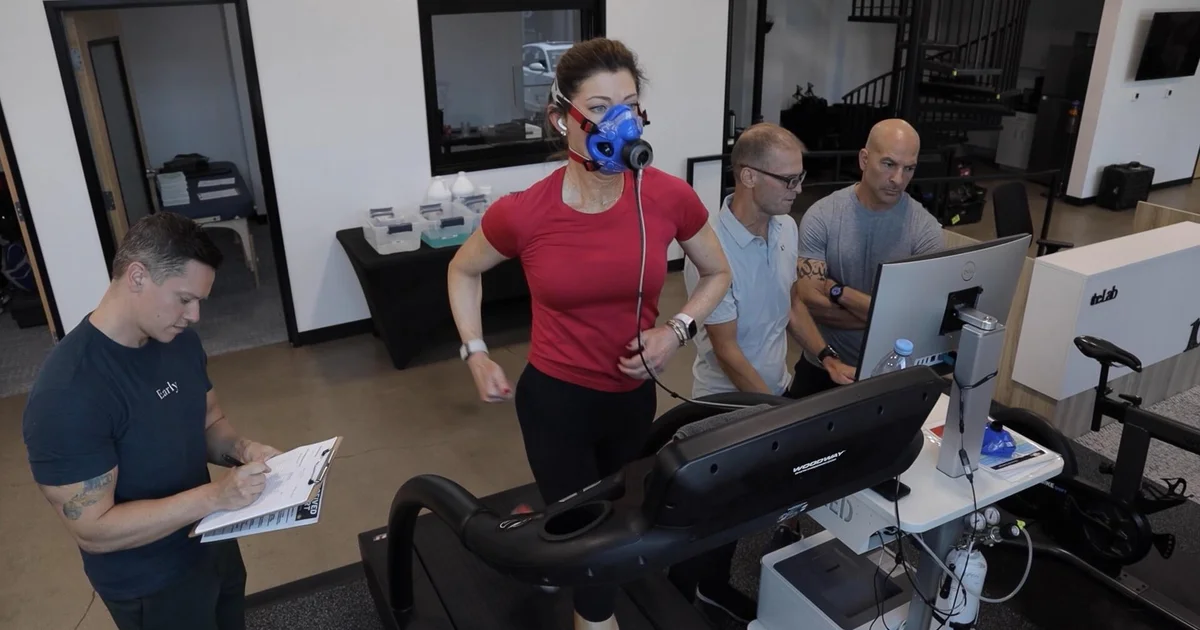
Longevity expert Dr. Peter Attia explains that most people experience a sharp decline in health around age 75, but this can be mitigated through strategies like regular exercise, tracking fitness metrics such as VO₂ max, maintaining muscle mass, and focusing on emotional health and social connections to extend healthspan and improve quality of life in later years.
A large study suggests that the shingles vaccine not only prevents shingles but also significantly reduces the risk of vascular dementia, heart attacks, strokes, blood clots, and death in adults over 50, indicating potential broader health benefits.
Dr. Peter Attia emphasizes that enjoying a longer, healthier life requires rigorous training and preventive measures, including intense exercise, advanced diagnostics, and emotional health practices, to delay the decline associated with aging and improve quality of life in old age.
Dr. Peter Attia, a longevity expert, advocates for a proactive, prevention-focused approach called 'Medicine 3.0' to help people extend their healthy years, emphasizing exercise, diet, advanced diagnostics, and emotional health to prepare for the final decades of life, with some billionaires paying significant sums for personalized programs.
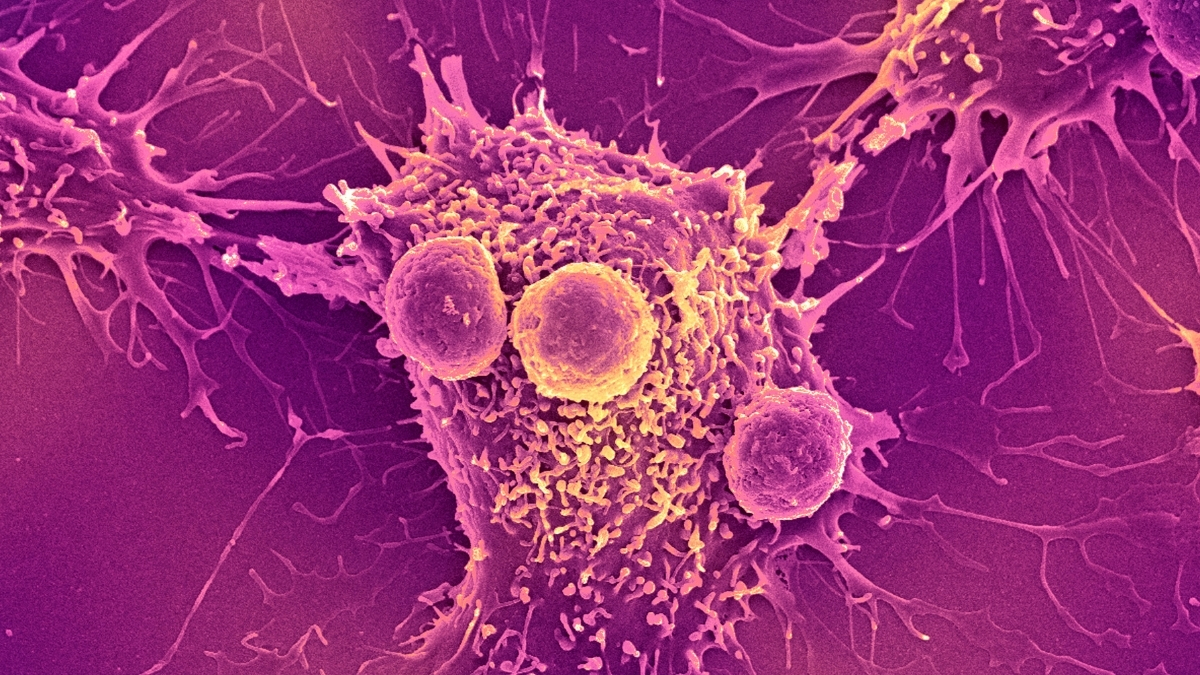
A new nanoparticle-based cancer vaccine shows promising results in mice, preventing multiple tumor types with up to 88% efficacy over 250 days, though human applicability remains to be tested.
Many healthy cardiologists and physicians are taking statins proactively to reduce long-term cardiovascular risk, even without high cholesterol levels, based on the concept of 'LDL years' and overall risk factors. While statins are generally safe and supported by extensive research, their use should be personalized, considering individual risk profiles and lifestyle factors.
A study shows that a low daily dose of aspirin can significantly reduce the risk of colorectal cancer returning after surgery, especially in patients with specific genetic mutations, highlighting the potential for genetic testing to guide preventive treatment.
The article explains that the benefit of statins in reducing heart disease risk varies based on an individual's absolute risk factors, with typical relative risk reductions around 20%. For people with low baseline risk, the absolute benefit is small, making the decision to use statins more personal and dependent on individual risk assessment and preferences.
Super agers are individuals over 80 who remain free of chronic diseases, and research suggests that lifestyle, immune system health, and early detection through biomarkers are key factors in achieving such longevity, rather than genetics alone. Advances in medical science now enable better prevention and personalized health strategies, but societal and systemic changes are needed to make these accessible to all.
Walking at least 7,000 steps daily can reduce men's risk of early death by up to 70%, with studies showing significant health benefits from moderate activity, including improved heart health, weight control, mood enhancement, and stronger bones. Simple strategies like short walks, stair climbing, and social walking can help achieve these goals.
Research shows that older adults are increasingly embracing vaccines, with newer formulations proving more effective at preventing illnesses common among seniors, including shingles, pneumonia, and possibly dementia, highlighting the importance of vaccination in aging populations.
Researchers have developed a blood test that can detect cancer years before symptoms appear by identifying tumor DNA fragments in the bloodstream, potentially allowing for earlier intervention and improved treatment outcomes.