Tag

Transcription Factors

All articles tagged with #transcription factors

science-and-technology1 year ago

AI Breakthrough Enhances DNA-Based Disease and Aging Predictions

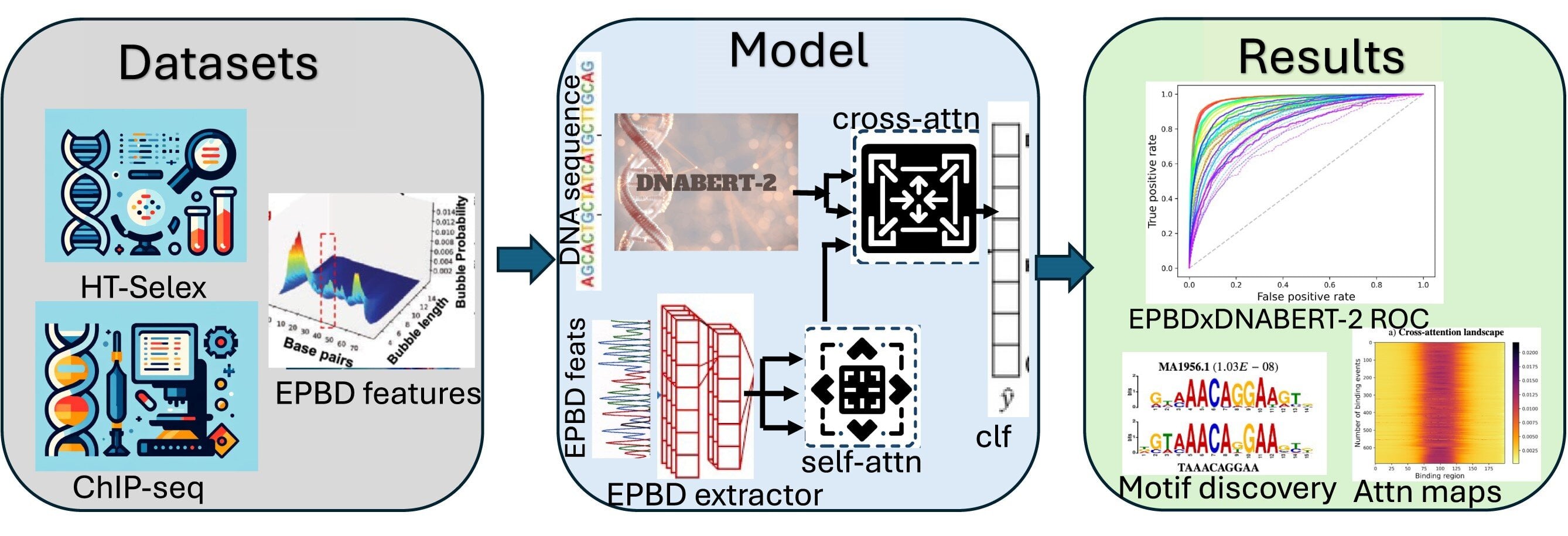
Scientists at Los Alamos National Laboratory have developed a new AI model, EPBDxDNABERT-2, which enhances the prediction of transcription factor binding to DNA, a key process in gene regulation related to diseases like cancer. By integrating DNA breathing dynamics into a deep learning framework, the model significantly improves the accuracy of predicting where transcription factors bind on the genome, aiding potential drug development. The model was trained using extensive gene sequencing data and tested on the Venado supercomputer, showing a 9.6% improvement in prediction accuracy.

science1 year ago

Unveiling Genetic Regulation: The Revolutionary LORAX-seq Technique

Researchers at Stanford have discovered that short tandem repeats (STRs) in DNA can influence gene regulation by acting as "lobbies" where transcription factors gather near regulatory binding sites, affecting gene expression. These weak interactions may play a significant role in the complex and flexible gene regulation systems of eukaryotic organisms, allowing for adaptability and evolution. The findings suggest that the influence of STRs on gene expression is combinatorial and involves cooperative interactions between transcription factors and other regulatory molecules. This fuzzy and analog regulation contrasts with the more digital regulatory logic found in prokaryotes like bacteria.

science-and-technology2 years ago

"Tailoring Synthetic Enhancers for Specific Cell Types"

Researchers have used deep learning models to design synthetic enhancers that are specific to certain cell types. By starting with random sequences and optimizing them, the researchers were able to create enhancers that target specific cells in the fruit fly brain. They also developed "dual-code" enhancers that can target two cell types simultaneously, as well as minimal enhancers that are fully functional. The study provides insights into the regulatory logic of enhancers and demonstrates the potential for manipulating cell states through enhancer design.

medical-research2 years ago

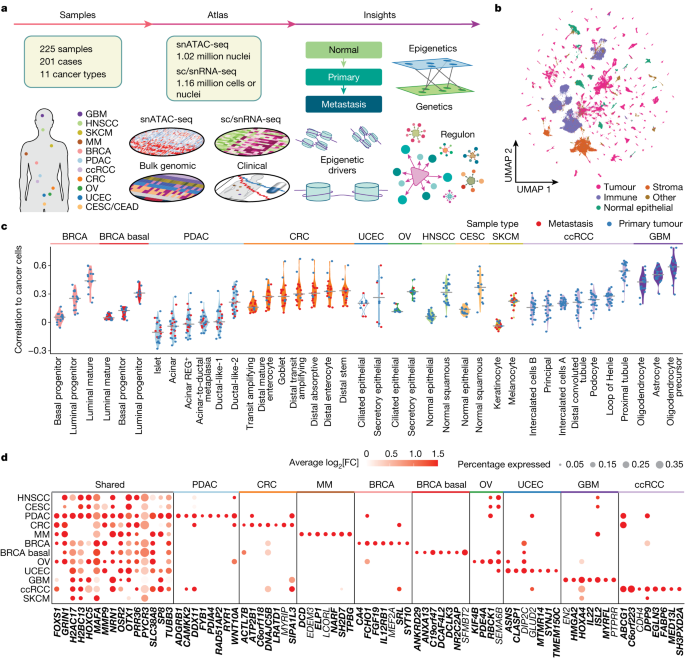
Unveiling Epigenetic Regulation in 11 Tumor Types during Cancer Transitions

A study has constructed an integrative multi-omic atlas of 11 major cancer types, providing a unified map of lineage-specific and cancer-specific cell populations, differentially accessible enhancers and promoters, epigenetically regulated cancer-associated genes, and transcription factors (TFs) that are important across major cancer transitions. The research highlights the potential of TFs as prognostic markers and offers a deeper understanding of the molecular underpinnings driving cancer evolution. The study also identifies epigenetic changes and genetic mutations that cooperate in cancer transition programs, and reveals the regulatory relationships between chromatin accessibility and gene transcription in cancer cells.

science-and-technology2 years ago

"Decades-Long Blood Group Enigma Finally Unraveled by Scientists"

Scientists at Lund University in Sweden have developed a toolbox that helps explain the variances in blood group molecule levels between individuals, solving a 50-year-old mystery related to blood transfusion safety. By studying transcription factors, the researchers identified genetic variations in landing sites that regulate the expression of blood group antigens. They applied this approach to understand the Helgeson blood group, which had remained unexplained for decades. The study not only improves blood group testing but also opens up possibilities for exploring the role of blood groups in diseases. The researchers aim to update existing DNA-based tests to include the newly discovered variant, making blood transfusions safer.

science-and-technology2 years ago

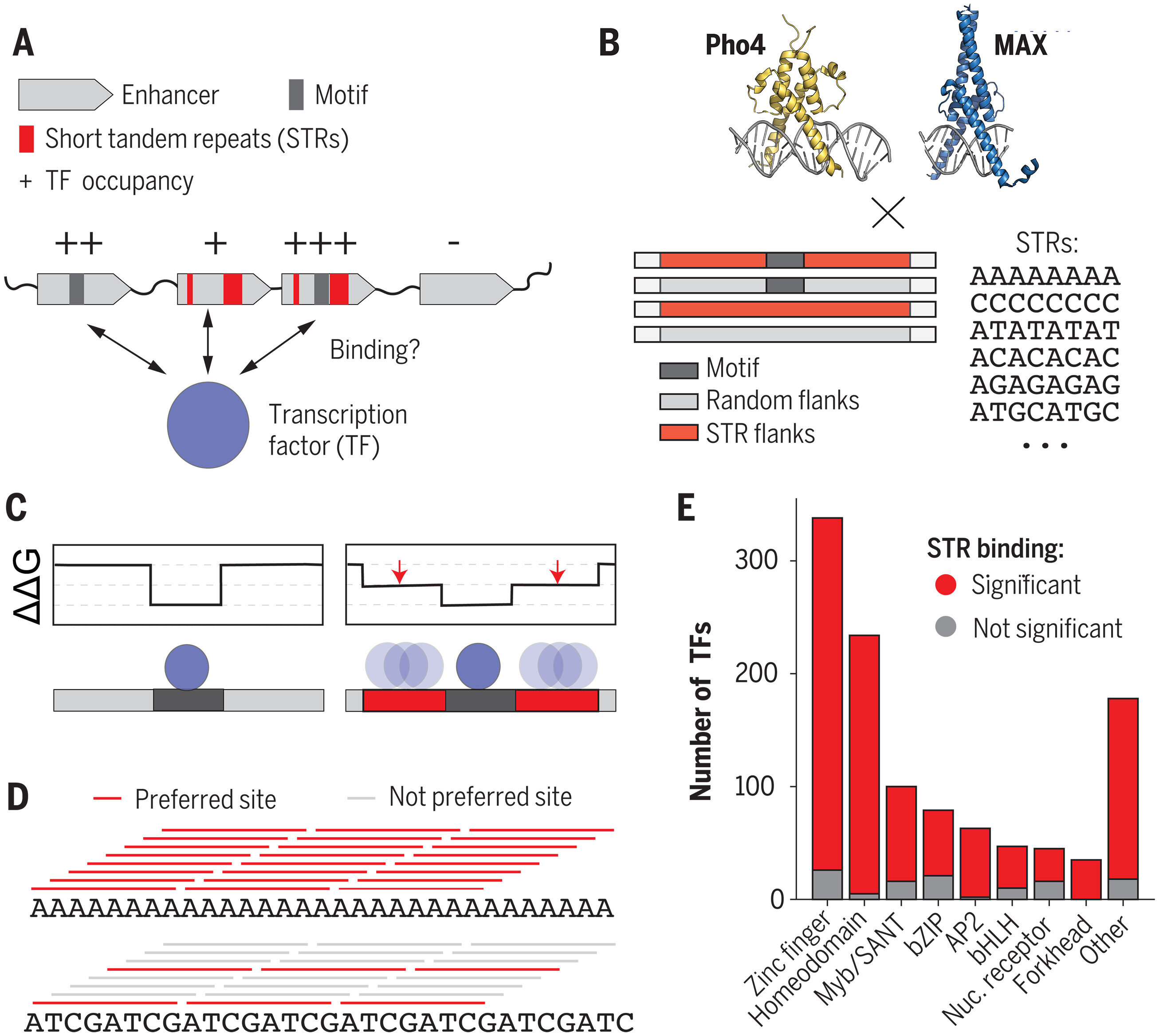
Decoding the Impact of 'Junk DNA' on Gene Expression: Stanford Study Reveals Insights

A new study has shed light on how noncoding regions of the genome, previously referred to as "junk DNA," influence gene expression. The research focused on short tandem repeats (STRs), which make up about 5% of the human genome. By studying how STRs interact with transcription factors, the study revealed that the sequence of STRs around a motif can have a significant impact on transcription factor binding, potentially affecting gene expression. The findings could help researchers better understand complex genetic conditions such as autism, schizophrenia, cancer, and Crohn's disease, and provide insights into the role of noncoding regions in polygenic diseases.

science-and-technology2 years ago

Unveiling a Novel Protein Breakdown Pathway with Implications for Brain Disorders

Scientists from Harvard Medical School have discovered a previously unknown mechanism by which cells break down short-lived proteins in the nucleus. They identified a protein called midnolin that directly grabs these proteins and pulls them into the cellular waste-disposal system, called the proteasome, where they are destroyed. This discovery has implications for understanding gene expression and could potentially be used to modulate protein levels and correct dysfunction in processes related to the brain, immune system, and development. Further research is needed to explore the mechanism and its potential therapeutic applications.

genetics2 years ago

Unveiling the Genetic Triggers of Embryo Formation

Researchers have discovered that the OBOX gene family plays a crucial role in the activation of the zygote genome, initiating the development of an embryo. These genes guide the enzyme RNA polymerase II to transcribe the correct genes at the right time, allowing the embryo to develop successfully. The redundancy of these genes' functions ensures the critical transition from zygote to embryo occurs properly. This research provides new insights into the early stages of embryo development and may have implications for understanding embryonic stem cell reprogramming.

science2 years ago

Toxoplasma's immune evasion strategy revealed by key genes.

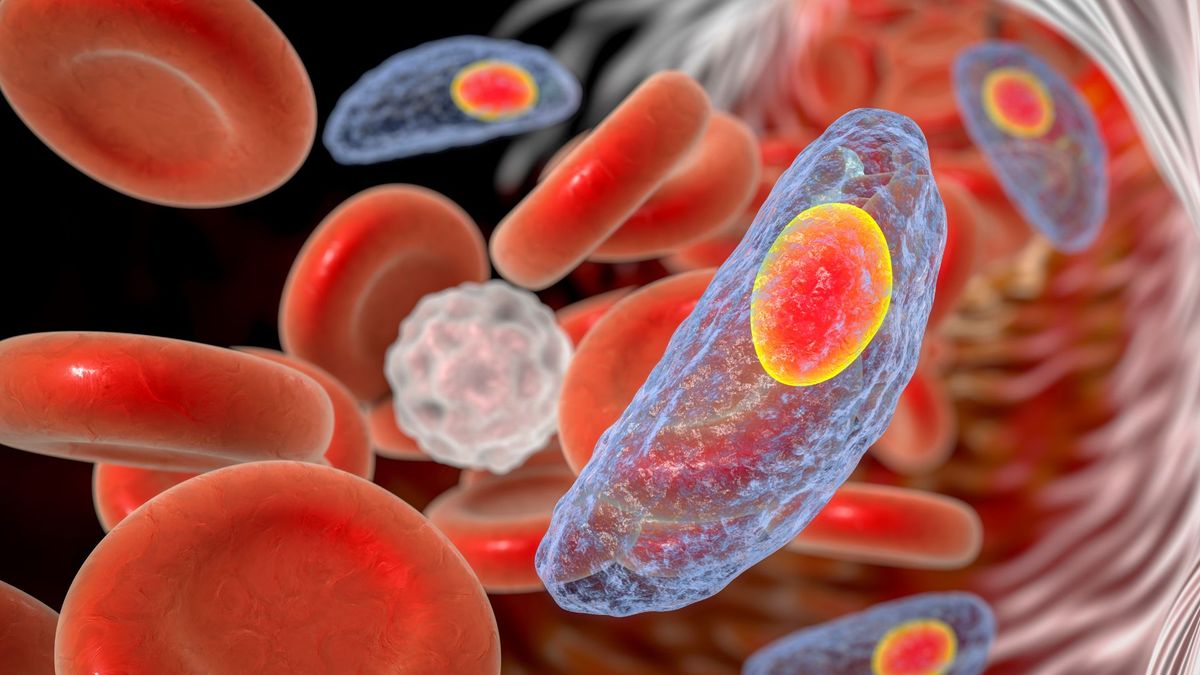
Researchers have discovered two transcription factors that regulate the metamorphosis of the Toxoplasma gondii parasite, which can cause lifelong infections in humans. The parasite can morph into a dormant, defensive state, making it resistant to current treatments. By understanding the circuit and regulation of the transcription factors, scientists hope to find ways to block the parasite from entering its protected, dormant state, making it susceptible to existing drugs.