Scientists discovered a unique nurse shark in Costa Rica with orange skin and white eyes, likely caused by rare genetic conditions xanthism and albinism, marking the first recorded instance of an orange shark.
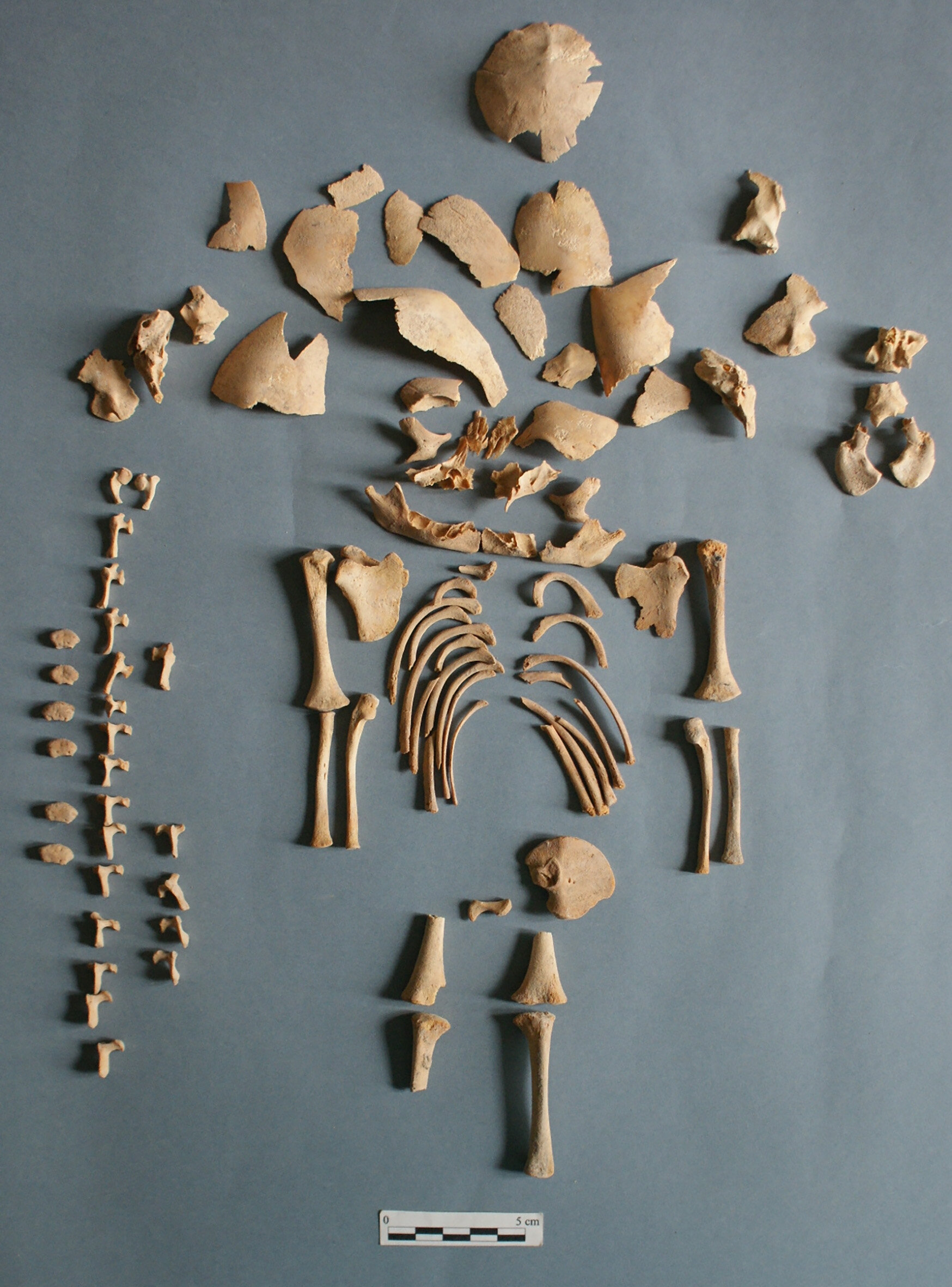
DNA analysis of ancient human remains dating back 5,000 years revealed six individuals with Down Syndrome, indicating that they were recognized and given noble burials in their respective communities. The research also uncovered an individual with Edwards Syndrome, a more severe genetic condition. The findings shed light on the care and appreciation these individuals received in ancient societies, providing insight into how ancient communities reacted to individuals with special needs.
Researchers analyzing ancient DNA have identified six individuals from past societies with Down syndrome, dating back to between 5,000 and 2,500 years before present in Bronze Age sites in Greece and Bulgaria, and Iron Age sites in Spain. The individuals were found to have been cared for and appreciated as part of their ancient societies, with one individual also discovered to have Edwards Syndrome. The findings shed light on how ancient societies reacted to individuals with genetic conditions and may lead to further research in the future.
Scientists in China are experimenting with a mutant COVID strain with a 100% kill rate in mice, but experts caution that the study is small and not peer-reviewed. Other diseases with 100% or near-100% fatality rates include Creutzfeldt–Jakob disease, fatal familial insomnia, kuru, Gerstmann–Sträussler–Scheinker syndrome, and rabies, each with its own unique characteristics and challenges for treatment and management.
Kathleen Folbigg, who was convicted of killing her four children and spent over two decades in prison, has had her convictions quashed due to scientific evidence suggesting that the children died from rare genetic conditions rather than murder or manslaughter. The decision by the New South Wales Court of Criminal Appeal has been welcomed by scientists, who emphasize the need for legal system reform to prevent future miscarriages of justice. Folbigg is expected to seek one of the highest compensation payouts in Australian legal history.
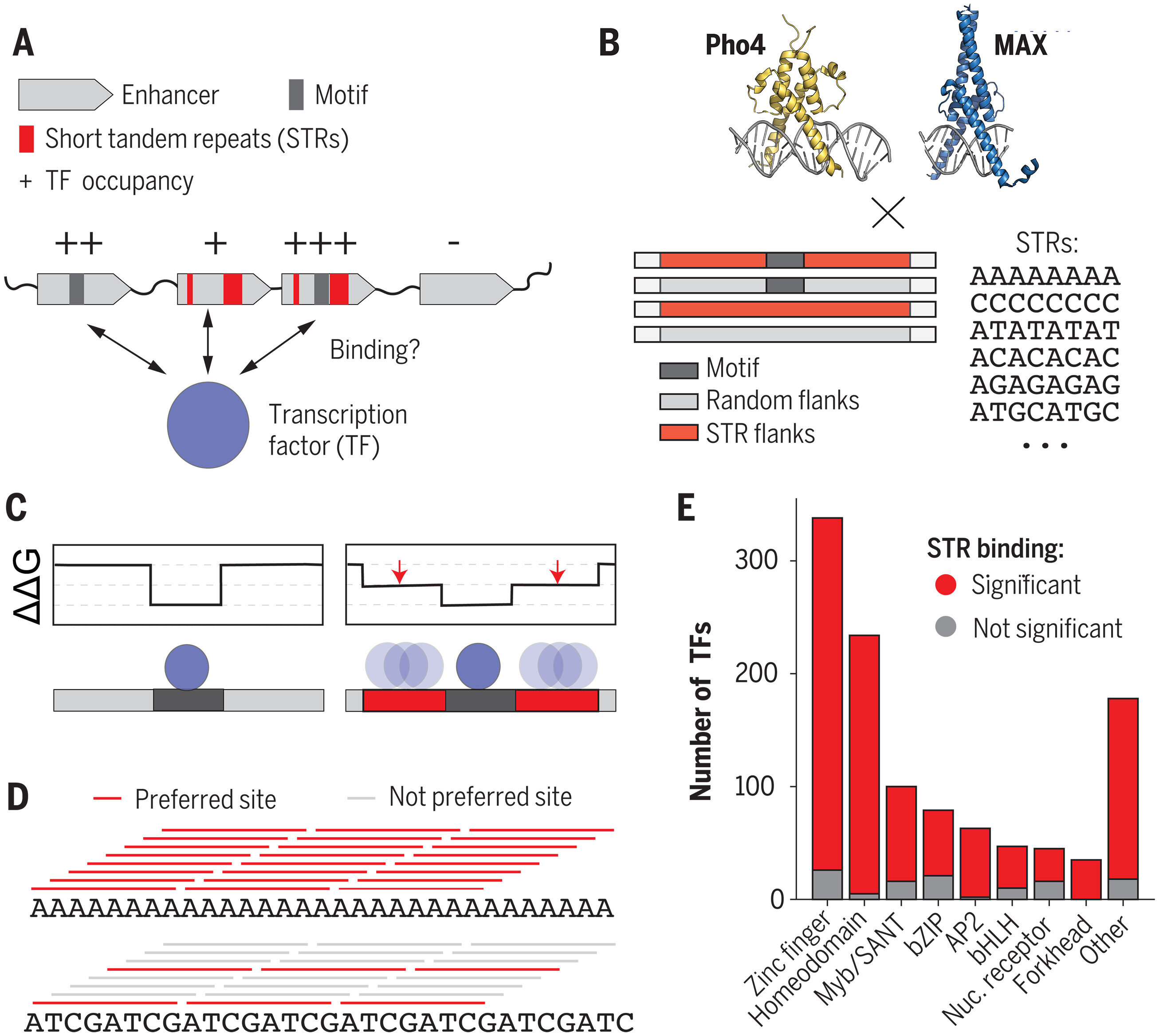
A new study has shed light on how noncoding regions of the genome, previously referred to as "junk DNA," influence gene expression. The research focused on short tandem repeats (STRs), which make up about 5% of the human genome. By studying how STRs interact with transcription factors, the study revealed that the sequence of STRs around a motif can have a significant impact on transcription factor binding, potentially affecting gene expression. The findings could help researchers better understand complex genetic conditions such as autism, schizophrenia, cancer, and Crohn's disease, and provide insights into the role of noncoding regions in polygenic diseases.