Tag

Bioinformatics

All articles tagged with #bioinformatics

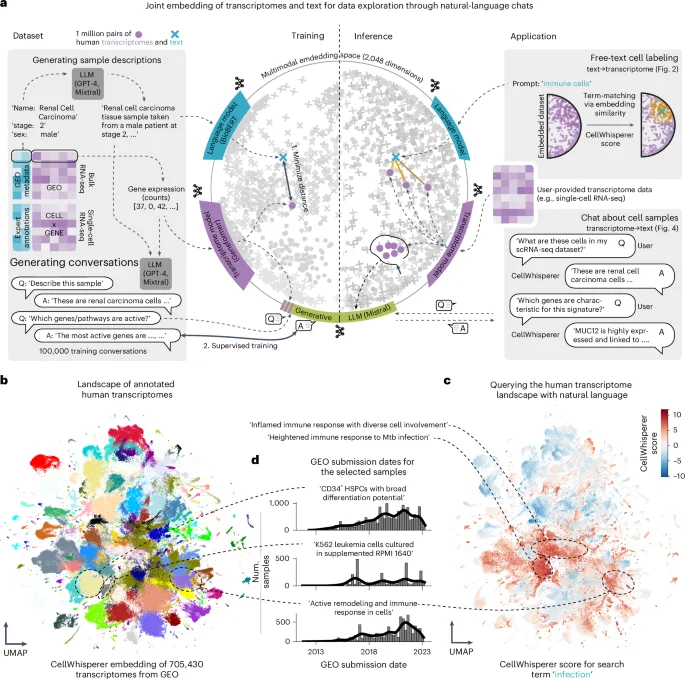
Chat-Based Exploration of Single-Cell Data Through Multimodal Learning

Originally Published 2 months ago — by Nature

Featured image for Chat-Based Exploration of Single-Cell Data Through Multimodal Learning
Source: Nature

The article introduces CellWhisperer, a multimodal AI framework that enables chat-based exploration and analysis of single-cell RNA-seq data using natural language, integrating transcriptome profiles with biological text understanding to facilitate intuitive data interrogation and hypothesis generation.

Dimension Secures $500M for Biotech and AI Convergence Fund

Originally Published 1 year ago — by Endpoints News

Featured image for Dimension Secures $500M for Biotech and AI Convergence Fund
Source: Endpoints News

Dimension, a venture capital firm, has successfully raised a $500 million second fund to invest in the intersection of biotechnology and machine learning, an area they describe as 'still contrary.' The firm, led by managing partners in New York and the Bay Area, aims to capitalize on the growing synergy between biological sciences and AI technologies.

Evo: The AI Revolutionizing Genetic Prediction and Design

Originally Published 1 year ago — by Livescience.com

Featured image for Evo: The AI Revolutionizing Genetic Prediction and Design
Source: Livescience.com

Scientists have developed Evo, a machine learning model that predicts the effects of genetic mutations and generates new DNA sequences with high accuracy. Unlike traditional large language models, Evo is trained on microbial genomes, using base pairs as "words" to analyze genetic patterns. While Evo shows promise in understanding DNA and RNA functions, it currently lacks the ability to predict human genetic mutations. The researchers emphasize the importance of ethical guidelines to prevent misuse as the technology advances.

"New Atlas Reveals Gene Functions in Early Embryo Development"

Originally Published 1 year ago — by Phys.org

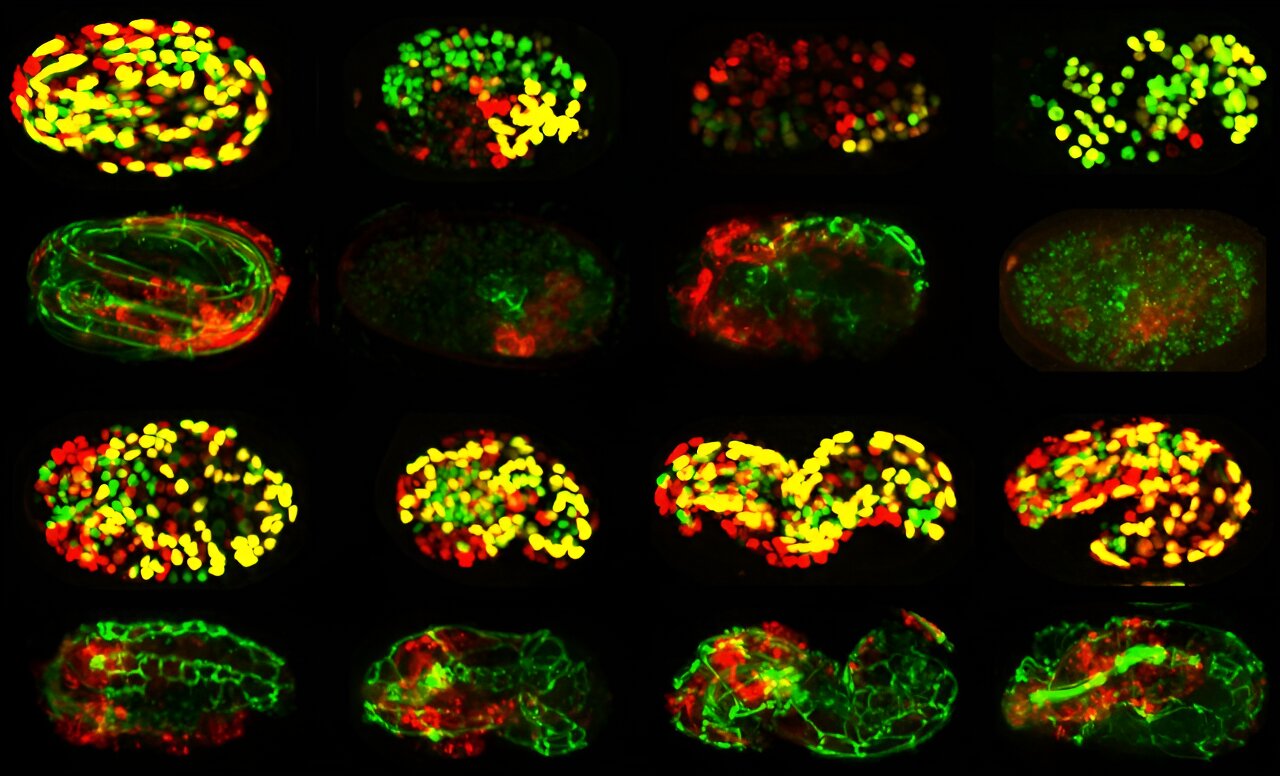
Featured image for "New Atlas Reveals Gene Functions in Early Embryo Development"
Source: Phys.org

Researchers at UC San Diego have developed a "genetic atlas" using the model organism C. elegans to profile the function of nearly 500 genes during embryonic development. By blocking each gene one at a time and using time-lapse 4D imaging and computer vision, they tracked how these genes influence tissue formation and cell identity. This study, published in Cell, provides new insights into gene functions and their roles in development, with implications for understanding human developmental disorders. The data is now available through an online resource called PhenoBank.

"Next-Generation CRISPR: Advancements in Precision Gene Editing"

Originally Published 1 year ago — by Earth.com

Featured image for "Next-Generation CRISPR: Advancements in Precision Gene Editing"
Source: Earth.com

The recent development of CRISPR-COPIES by the Center for Advanced Bioenergy and Bioproducts Innovation (CABBI) represents a significant advancement in genetic engineering, streamlining the identification of optimal genetic integration sites and accelerating the pace of scientific discovery and innovation. This high-tech upgrade to the CRISPR/Cas system offers a powerful and accessible tool for precision genome editing, with applications spanning agriculture, biofuel production, and gene therapy, promising to drive forward the boundaries of what’s possible in genetic engineering.

"Revolutionizing R&D: AI Unlocks Unknown Protein Functions"

Originally Published 1 year ago — by Neuroscience News

Featured image for "Revolutionizing R&D: AI Unlocks Unknown Protein Functions"
Source: Neuroscience News

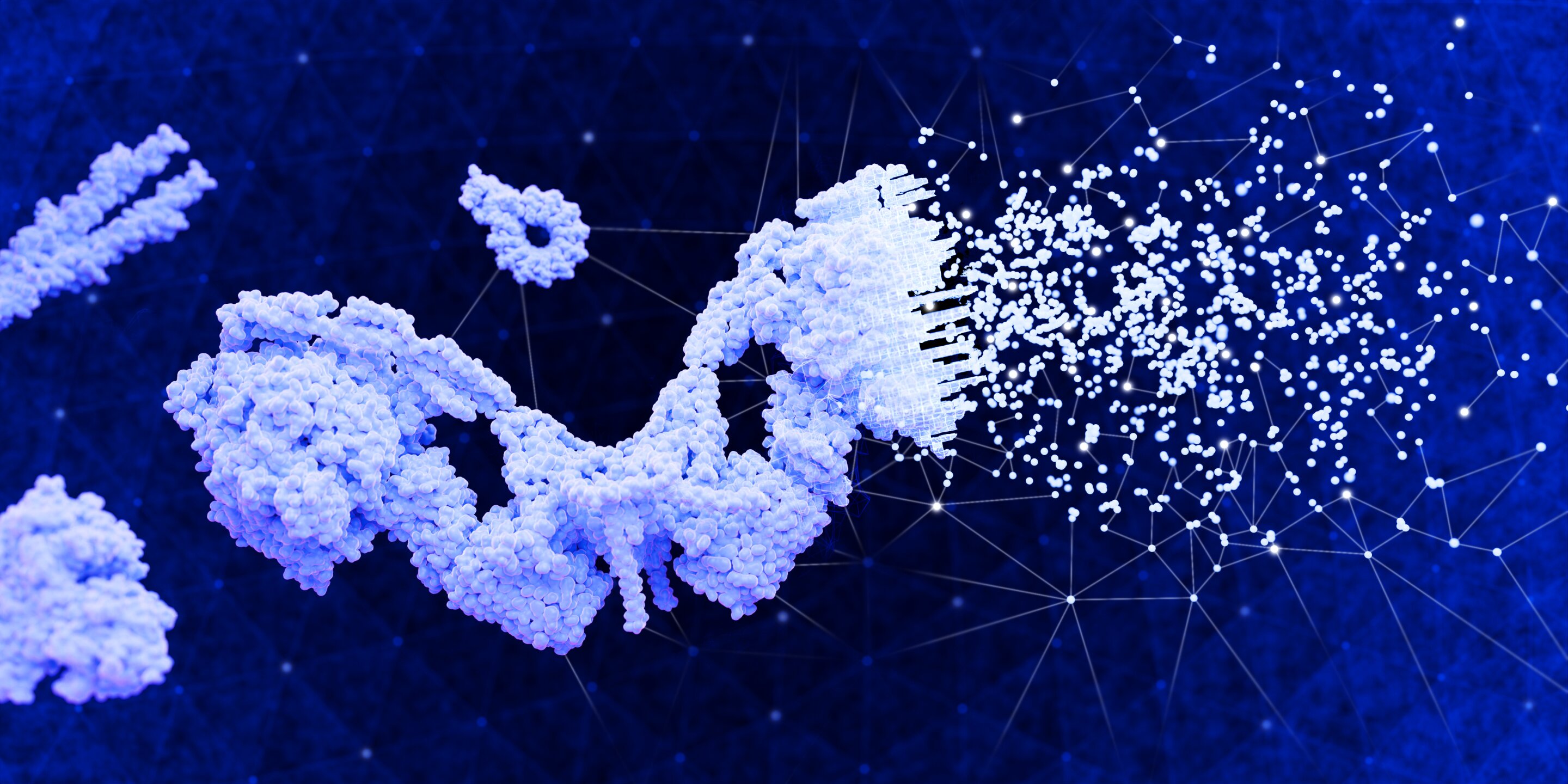
Researchers at KAUST have developed an innovative AI tool, DeepGO-SE, that excels in predicting the functions of unknown proteins, outperforming existing methods and ranking in the top 20 of over 1,600 algorithms in an international competition. Leveraging large language models and logical entailment, this tool can deduce molecular functions even for proteins without existing database matches, offering a groundbreaking approach to understanding cellular mechanisms. The team aims to apply this tool to explore proteins in extreme environments, opening new doors for biotechnological advancements.

"AI Predicts Functions of Unknown Proteins with New Tool"

Originally Published 1 year ago — by Phys.org

Featured image for "AI Predicts Functions of Unknown Proteins with New Tool"
Source: Phys.org

A new AI tool called DeepGO-SE has been developed to predict the function of unknown proteins, outperforming existing methods and even analyzing proteins with no clear matches in existing datasets. Developed by KAUST bioinformatics researcher Maxat Kulmanov and colleagues, the tool employs logical entailment to draw meaningful conclusions about molecular functions based on general biological principles. It has been successful in predicting the functions of poorly understood proteins and is being used to investigate enigmatic proteins in plants thriving in extreme environments, with potential applications in drug discovery, disease associations, and more.

"ChatGPT: Revolutionizing Medicine Design with AI Coding"

Originally Published 1 year ago — by Medical Xpress

Featured image for "ChatGPT: Revolutionizing Medicine Design with AI Coding"
Source: Medical Xpress

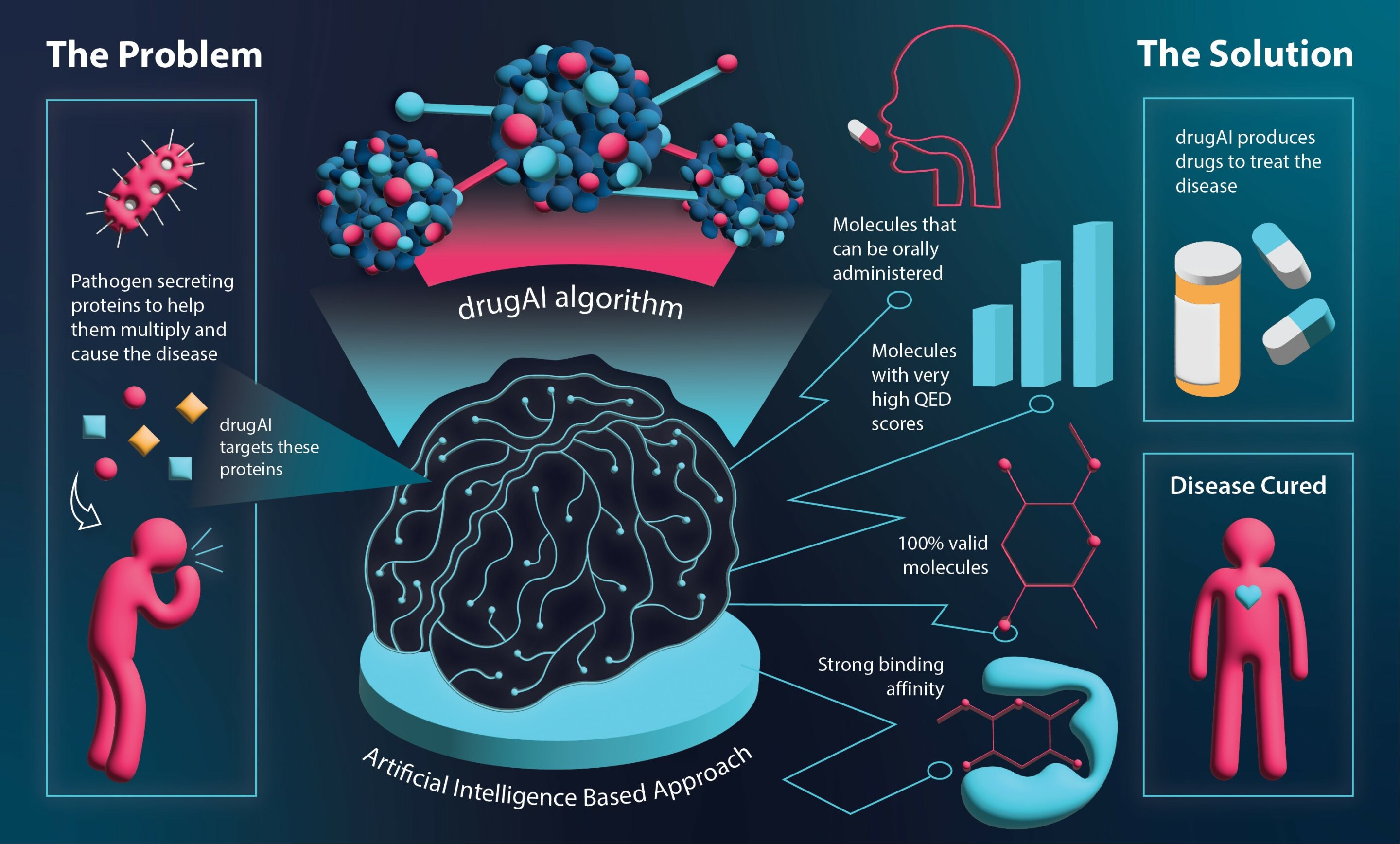
Scientists at Chapman University have developed a GenAI model called drugAI, which utilizes advanced AI techniques to design new drug compounds with the right properties and characteristics, promising to accelerate the process of identifying viable drug candidates for various diseases at a fraction of the cost. The model has been tested and validated, showing magnificent results and generating potential drugs that have never been conceived of before. It has also demonstrated a high validity rate, drug-likeness, and strong binding affinities to respective targets, making it a promising tool for future drug design and development.

"AlphaFold2 revolutionizes conformation prediction with sequence clustering"

Originally Published 2 years ago — by Nature.com

Researchers have developed a method called AF-Cluster that uses sequence clustering to predict multiple conformations of proteins using AlphaFold2. This method was used to investigate the evolutionary distribution of predicted structures for the metamorphic protein KaiB and confirmed a surprising prediction about a cyanobacteria KaiB variant. The sensitivity of AF-Cluster to point mutations was also tested, and a putative alternate state was identified for the oxidoreductase Mpt53 in M. tuberculosis. This bioinformatic approach, in combination with experimental validation, has the potential to greatly impact the prediction of protein energy landscapes and understanding biological function.

"Decades-Long Blood Group Enigma Finally Unraveled by Scientists"

Originally Published 2 years ago — by SciTechDaily

Featured image for "Decades-Long Blood Group Enigma Finally Unraveled by Scientists"
Source: SciTechDaily

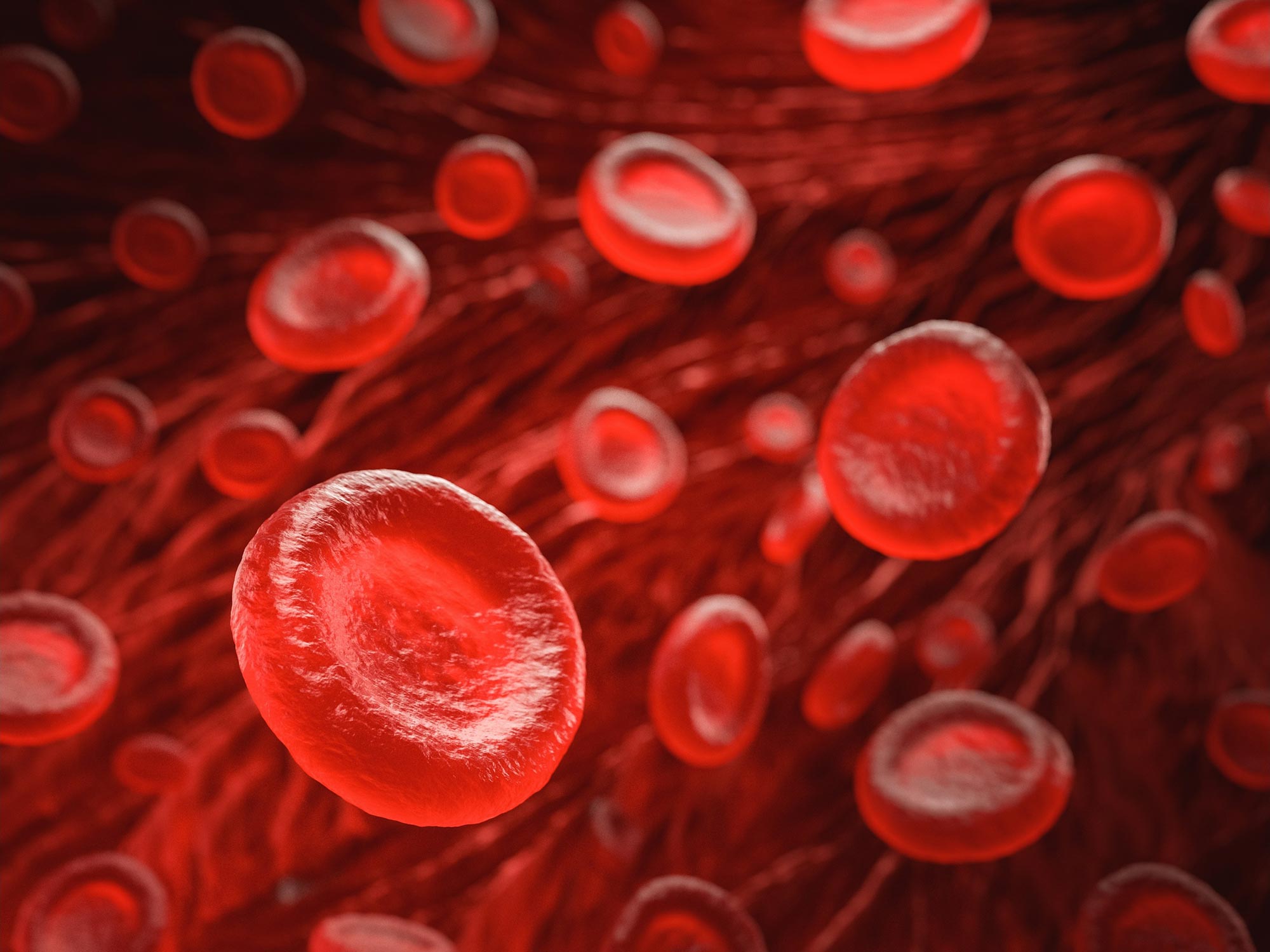
Scientists at Lund University in Sweden have developed a toolbox that helps explain the variances in blood group molecule levels between individuals, solving a 50-year-old mystery related to blood transfusion safety. By studying transcription factors, the researchers identified genetic variations in landing sites that regulate the expression of blood group antigens. They applied this approach to understand the Helgeson blood group, which had remained unexplained for decades. The study not only improves blood group testing but also opens up possibilities for exploring the role of blood groups in diseases. The researchers aim to update existing DNA-based tests to include the newly discovered variant, making blood transfusions safer.