Research suggests that 'junk' DNA, specifically transposable elements, can be reactivated in certain blood cancers, leading to DNA instability that can be targeted with existing drugs like PARP inhibitors, offering new hope for treating drug-resistant cancers.
A study reveals that previously overlooked 'junk DNA,' specifically LINE-1 transposons, actively influences early brain development and may be linked to neurological diseases, challenging the notion that non-coding DNA is irrelevant.
Scientists have discovered that previously overlooked 'junk' DNA, specifically transposable elements like MER11, play a significant role in gene regulation and evolution, acting as genetic switches that influence gene expression and potentially contribute to species differences.
A new study reveals that 'junk' DNA, derived from ancient viruses embedded in our genome, actually plays a crucial role in controlling gene activity, especially during early human development, and has contributed to primate evolution.
Scientists have released the most detailed map of human genetic variation by sequencing over 1,000 genomes worldwide, revealing new insights into structural variants, repetitive DNA, and transposons, which could impact understanding of human health and disease. The studies also highlight technological advances that allow for more complete and accurate genome assemblies, including the first gapless human genome and detailed analysis of centromeres and jumping genes.
A study published in Science Advances reveals that ancient viral DNA, previously considered 'junk', plays a significant role in regulating gene expression, especially in early human development, with new classification methods uncovering their regulatory potential and evolution across primates.
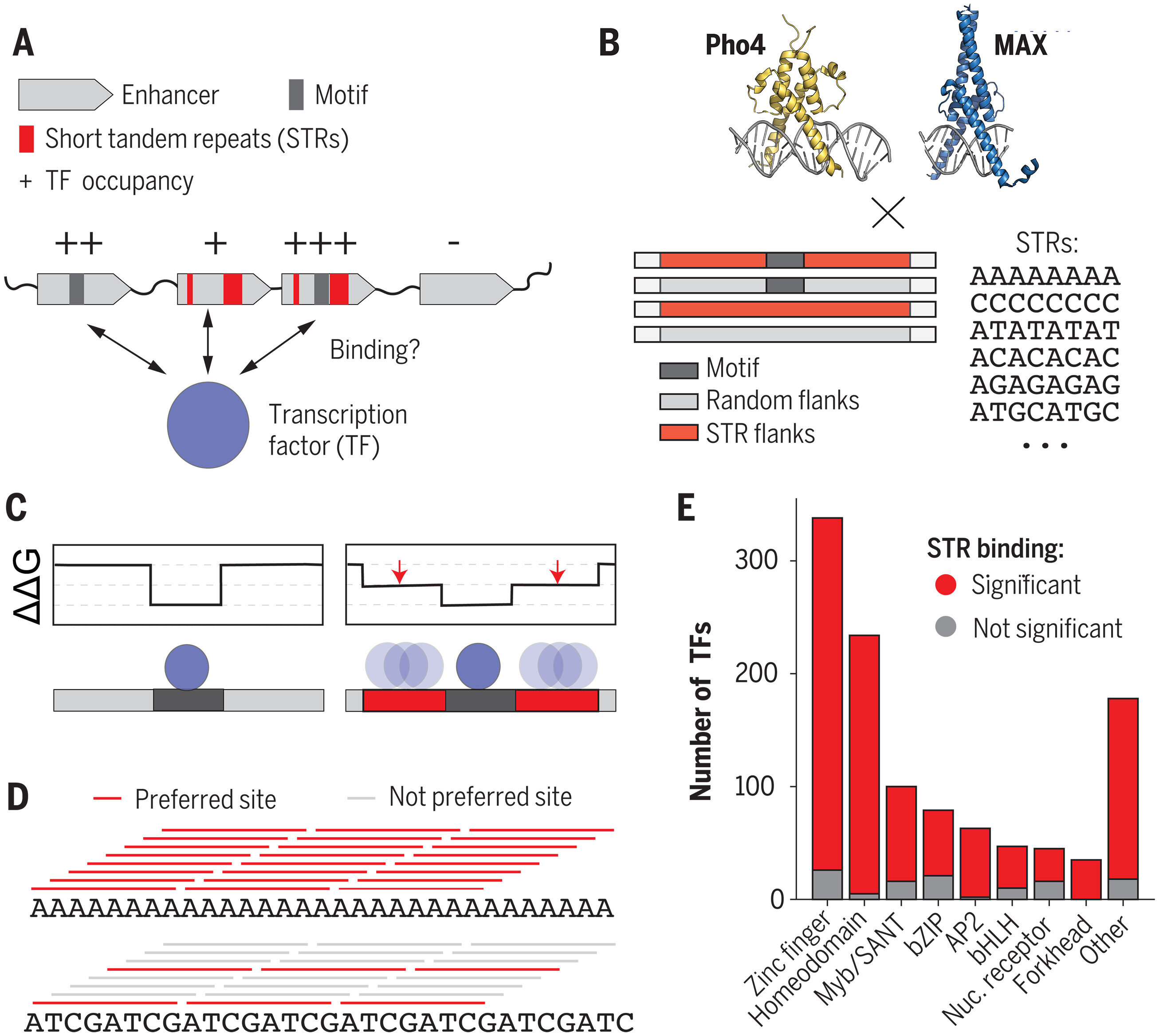
A new study has shed light on how noncoding regions of the genome, previously referred to as "junk DNA," influence gene expression. The research focused on short tandem repeats (STRs), which make up about 5% of the human genome. By studying how STRs interact with transcription factors, the study revealed that the sequence of STRs around a motif can have a significant impact on transcription factor binding, potentially affecting gene expression. The findings could help researchers better understand complex genetic conditions such as autism, schizophrenia, cancer, and Crohn's disease, and provide insights into the role of noncoding regions in polygenic diseases.