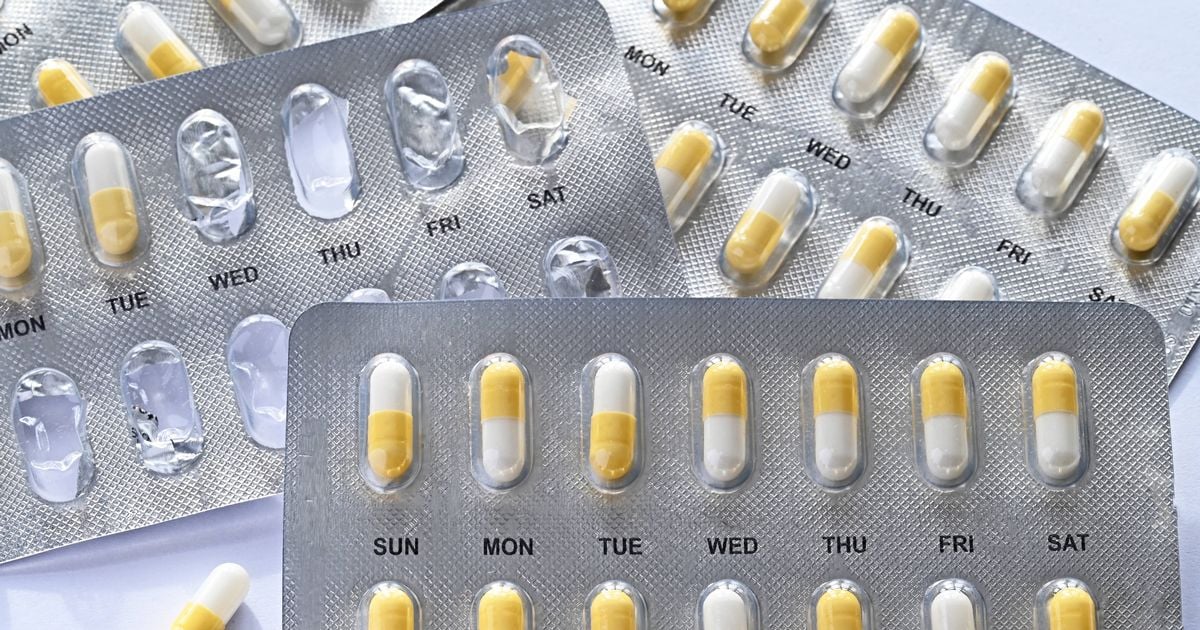
Millions of UK adults taking statins should avoid grapefruit and its juice, as the chemical interaction can increase drug absorption and cause potentially toxic effects. Not all statins are equally affected, so consulting a healthcare professional is essential before making dietary changes. Other citrus fruits like oranges and lemons are generally safe.
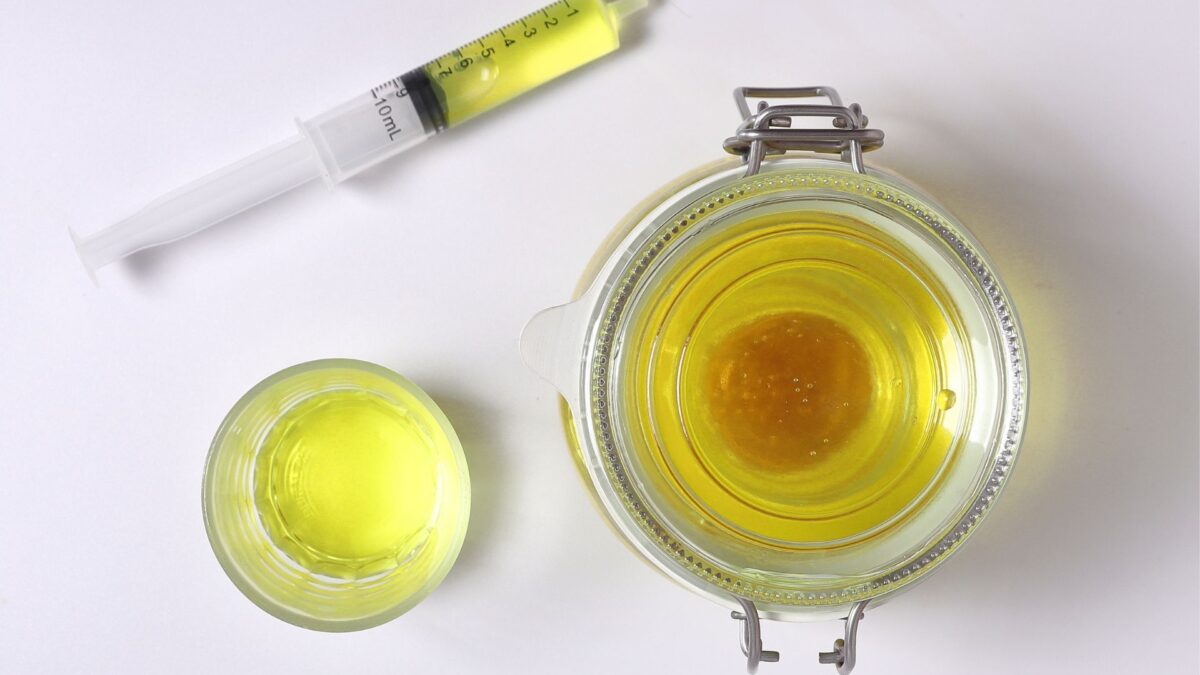
Recent research from Wroclaw Medical University warns that Miracle Mineral Solution (MMS), a popular alternative remedy, is toxic at doses claimed to be therapeutic, capable of destroying bacteria but also harming human cells and microbiomes, with no proven health benefits and significant risks involved.
Hunters in California discovered wild pigs with neon blue fat caused by diphacinone, a rodent poison, raising concerns about toxic contamination in wildlife and the potential risks to humans who consume affected meat. The use of rodenticides has led to long-term environmental impacts, prompting calls for safer pest control methods and stricter application practices.
Dr. Roach explains that taking up to 8,000 IU of vitamin D daily is unlikely to cause overdose, but higher doses can be dangerous, especially if misused. He also discusses pain management during cystoscopy, emphasizing the importance of adequate anesthesia and patient advocacy for better pain relief.
A deep-sea polychaete worm, Paralvinella hessleri, survives high arsenic levels by converting it into a less toxic mineral through a process that combines arsenic with sulfide, revealing a novel biological adaptation to extreme environments.
A 60-year-old man followed ChatGPT's advice to use sodium bromide as a salt substitute, leading to bromide poisoning, hallucinations, and a three-week hospital stay. The case highlights the dangers of relying on AI for medical guidance without proper oversight, as bromide toxicity can cause severe neurological, psychiatric, and skin symptoms. The incident underscores the importance of consulting healthcare professionals rather than trusting unverified AI recommendations.
The podcast discusses concerns about the potential toxicity of sunscreen, with expert insights on the current scientific understanding of its safety and tips for protecting skin year-round.
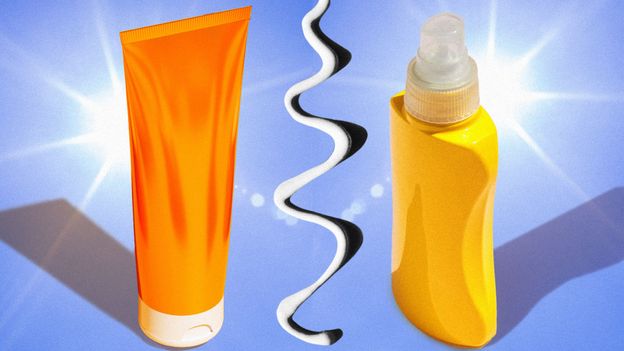
The article clarifies misconceptions about mineral and chemical sunscreens, explaining that both types contain chemicals and work primarily by absorbing UV rays, not reflecting or scattering them. It highlights that inorganic (mineral) sunscreens like zinc oxide and titanium dioxide are often lab-produced and can feel thicker, while organic (chemical) sunscreens are soluble and tend to be smoother. Current research shows minimal health risks from ingredients like oxybenzone, though regulators seek more safety data. Ultimately, the best sunscreen is one that users are comfortable applying regularly.
The article explores how incel language, originating from insular online communities like 4chan, has infiltrated mainstream internet culture through memes and humor, spreading toxic ideas about social hierarchies, beauty standards, and misogyny. This language, initially used to reinforce in-group identity among incels, has been co-opted by broader online communities, often through ironic or humorous contexts, which has facilitated its rapid dissemination and normalization, raising concerns about the influence of online filter bubbles and algorithmic amplification on societal attitudes.
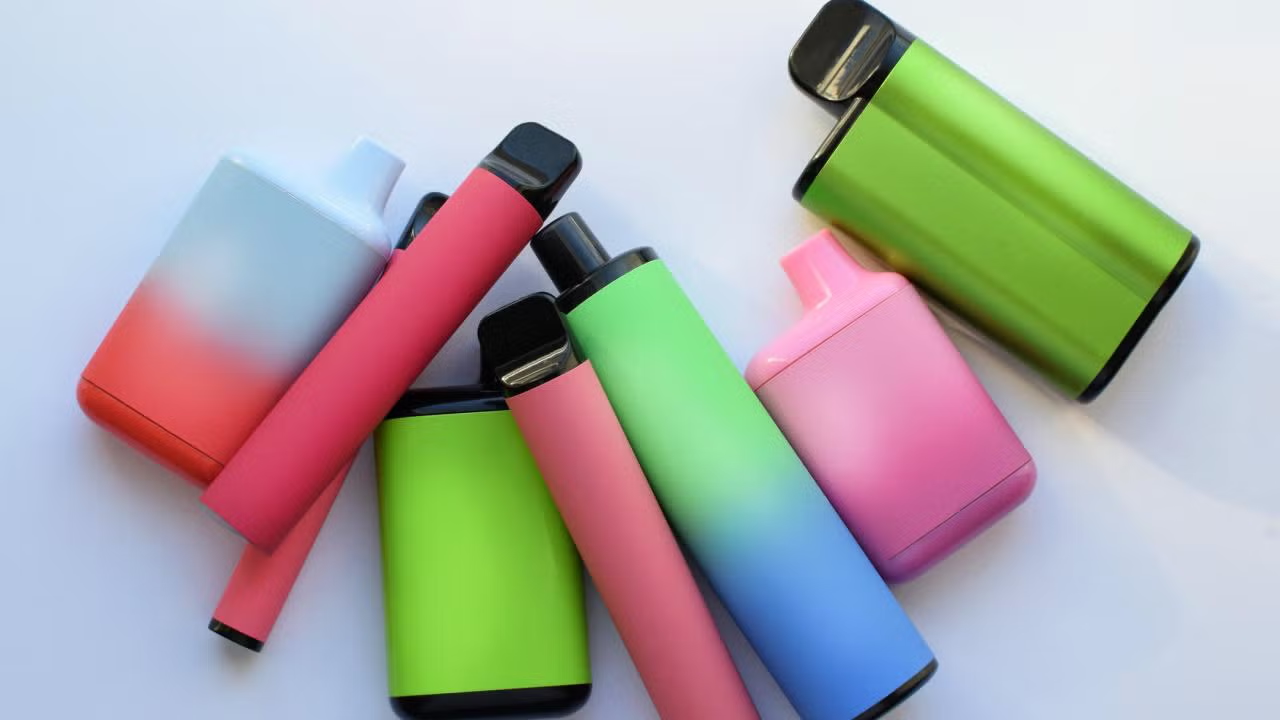
A recent study reveals that some disposable e-cigarettes emit dangerously high levels of toxic metals like lead and nickel, surpassing traditional cigarettes in toxicity and posing significant health risks, especially to youth. Despite regulatory efforts, these devices remain popular, highlighting the urgent need for stricter enforcement and further research into their health impacts.
NASA conducted unusual experiments by giving spiders illegal drugs like LSD, mescaline, and caffeine to observe effects on their web-building, finding that high doses disrupt web formation while lower doses can produce complex but less effective webs, with caffeine causing particularly chaotic webs. These studies aimed to assess chemical toxicity without testing on higher animals.
A UC Davis study found that disposable e-cigarettes release higher levels of toxic metals like lead, nickel, and antimony than traditional cigarettes, posing significant health risks, especially to teens, and highlighting the need for stricter regulation and further research.
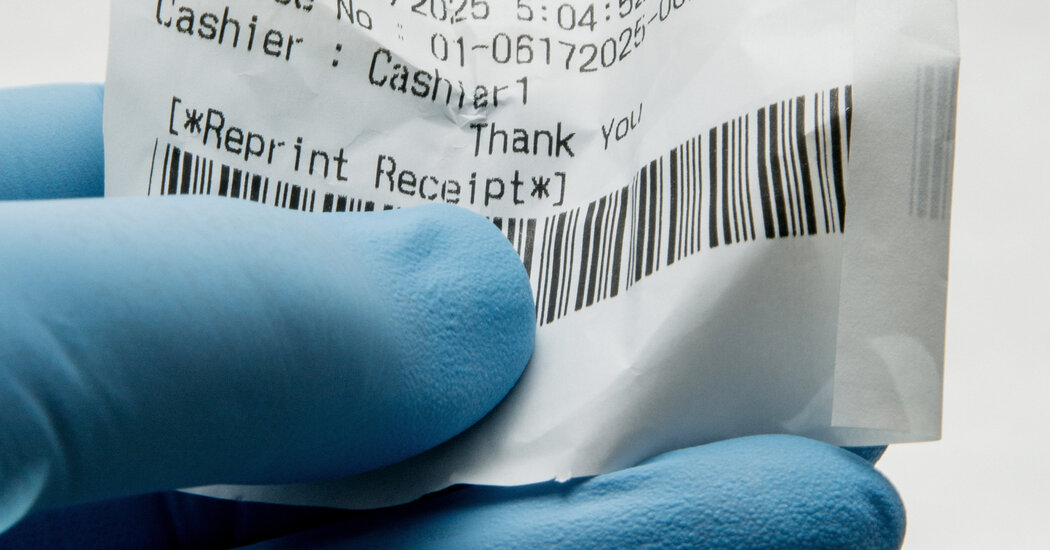
Claims that paper receipts contain toxic chemicals like BPA, which is linked to reproductive and hormonal health issues, are based on real concerns, but the level of risk from touching receipts is generally low. Experts acknowledge that BPA was commonly used in receipts and can be absorbed through the skin, potentially leading to health problems, but typical exposure from casual contact is usually minimal.
A new study shows that lunar dust is less toxic to humans than urban air pollution, easing concerns about health risks for future moon missions and supporting NASA's Artemis program.
A 2023 study found children with autism and ADHD have reduced ability to clear the plastic compound BPA from their bodies, potentially increasing their exposure to its harmful effects, which may impact neuron development, though causality remains unconfirmed.