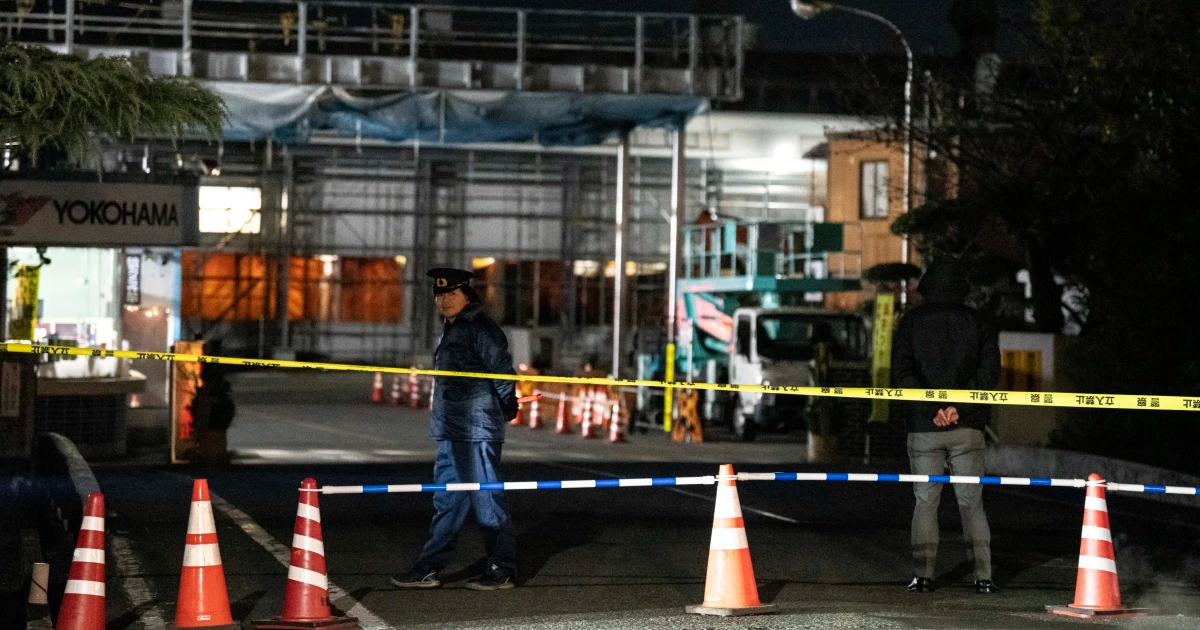
A former employee at a Yokohama Rubber factory in Mishima, Japan, carried out a violent attack using a knife and bleach, injuring at least 15 people, with 8 stabbed and 7 affected by the chemical, leading to arrests and serious injuries, though the motive remains unclear.
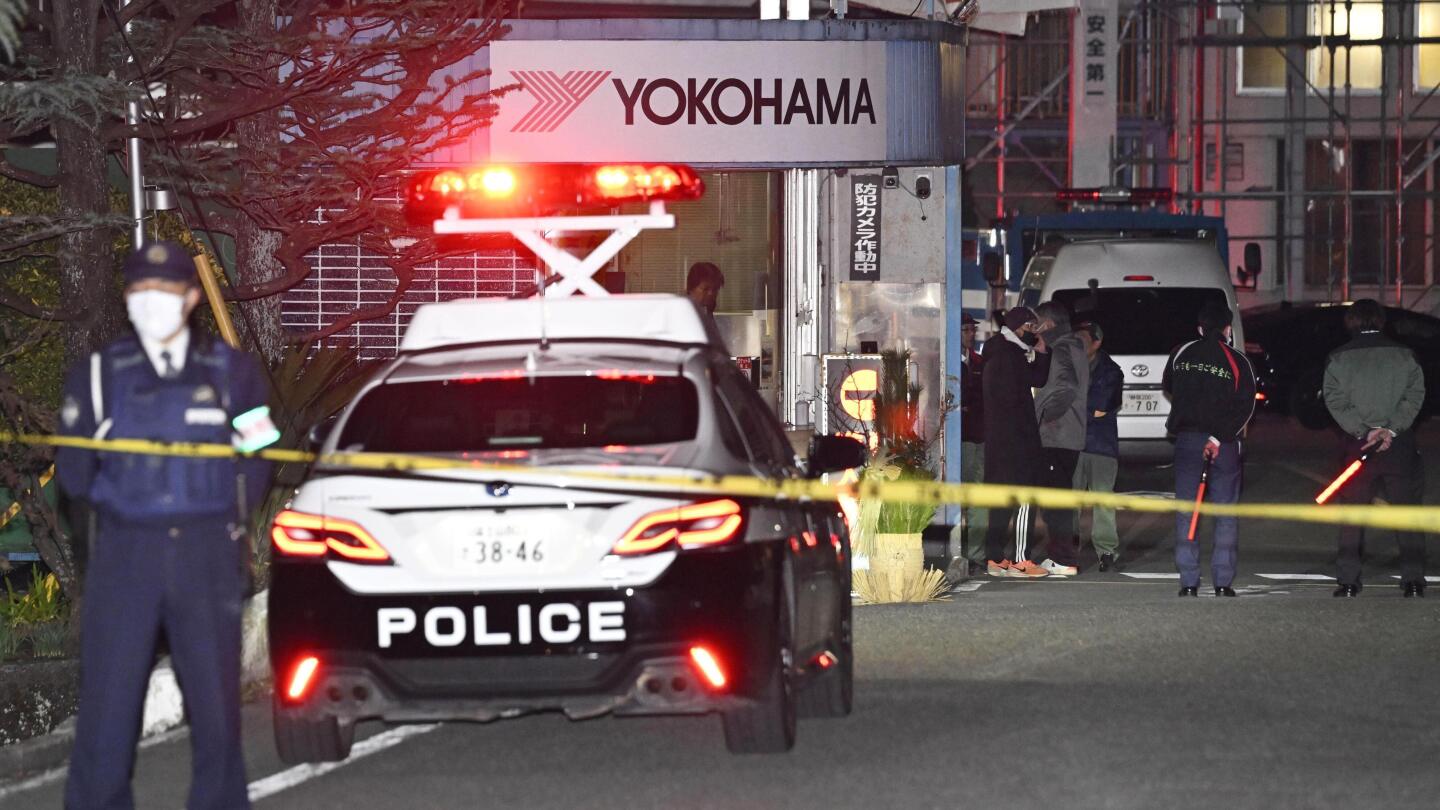
A man in Japan attacked a rubber factory, stabbing eight people and injuring seven others with bleach, leading to his arrest for attempted murder; several victims are in serious condition.
A study links the chemical tetrachloroethylene (PCE), used in dry cleaning and household products, to a threefold increased risk of liver fibrosis, suggesting environmental toxins may significantly contribute to liver disease beyond traditional causes like alcohol and obesity.
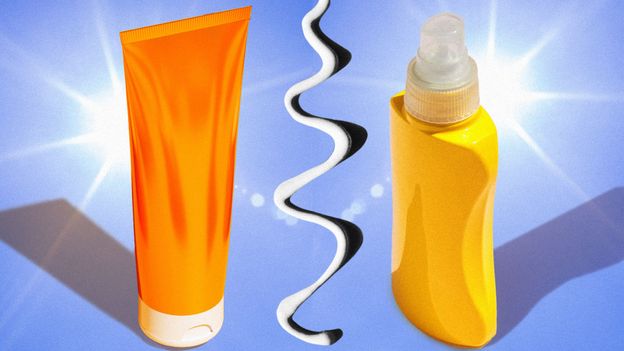
The article clarifies misconceptions about mineral and chemical sunscreens, explaining that both types contain chemicals and work primarily by absorbing UV rays, not reflecting or scattering them. It highlights that inorganic (mineral) sunscreens like zinc oxide and titanium dioxide are often lab-produced and can feel thicker, while organic (chemical) sunscreens are soluble and tend to be smoother. Current research shows minimal health risks from ingredients like oxybenzone, though regulators seek more safety data. Ultimately, the best sunscreen is one that users are comfortable applying regularly.
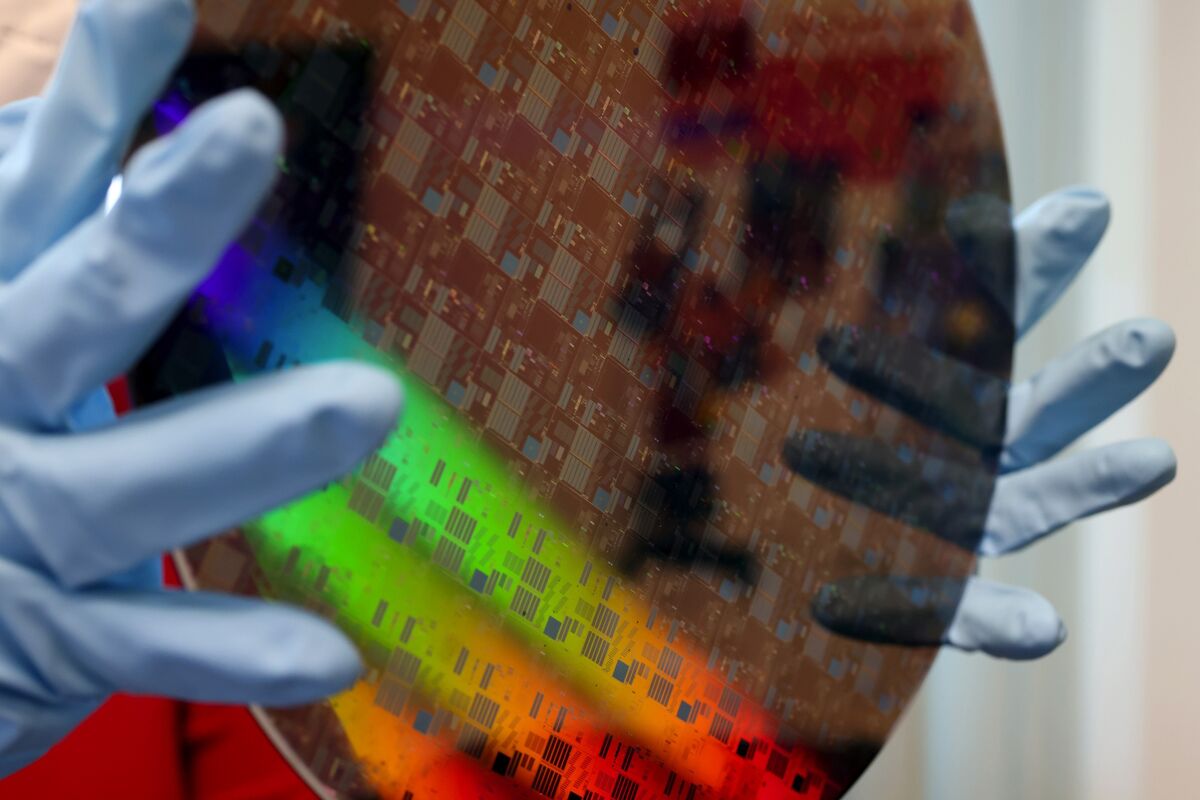
Germany is considering limiting the export of chemicals to China that are used to manufacture semiconductors as part of a package of measures aimed at reducing its economic exposure to the Asian nation. The move is intended to cut off China's access to goods and services needed for the production of advanced semiconductors.