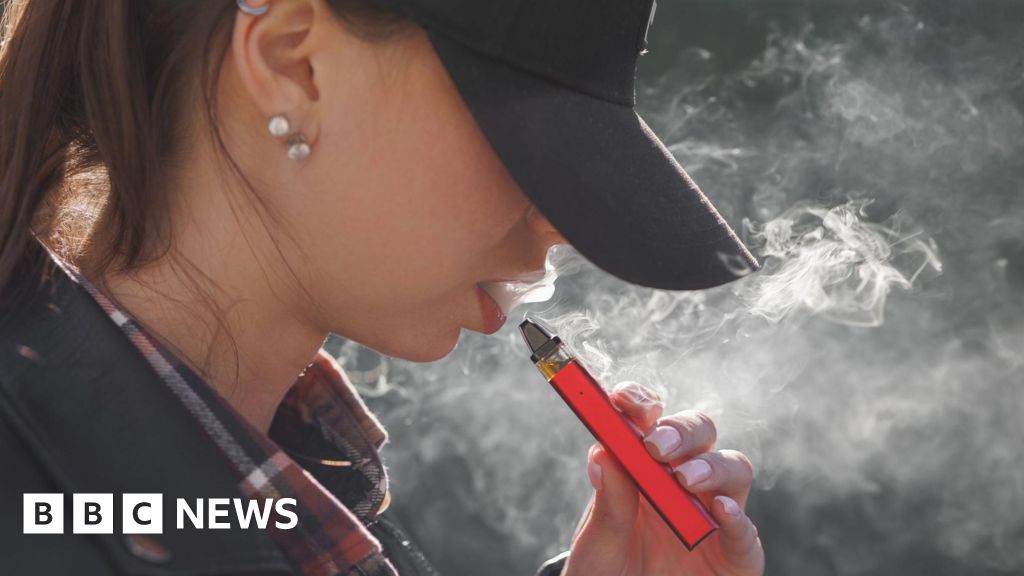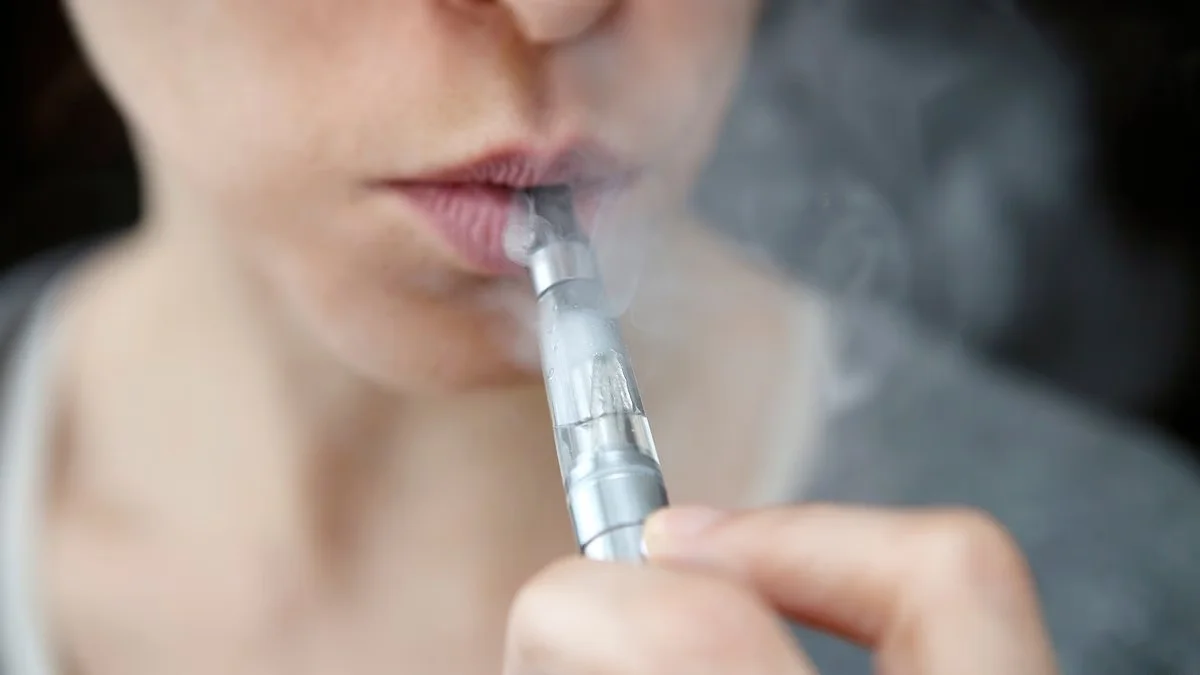
For the first time in Great Britain, more adults use vapes than smoke cigarettes, with 5.4 million vaping compared to 4.9 million smoking, reflecting a decline in smoking rates and rising vaping popularity, especially among younger adults. Health experts acknowledge vaping as less harmful than smoking but caution about potential risks, especially for children and non-smokers. The government is implementing new regulations to restrict sales and marketing of vaping products to protect youth, amid ongoing efforts to reduce smoking-related deaths.
A study by UC Riverside found that heating e-cigarette fluids produces toxic chemicals, methylglyoxal and acetaldehyde, which can damage human lung cells, with methylglyoxal being potentially more harmful even at lower levels, raising concerns about long-term health risks of vaping.
A large study suggests that vaping increases the risk of prediabetes, especially when combined with traditional smoking, highlighting potential long-term health risks beyond lung issues.
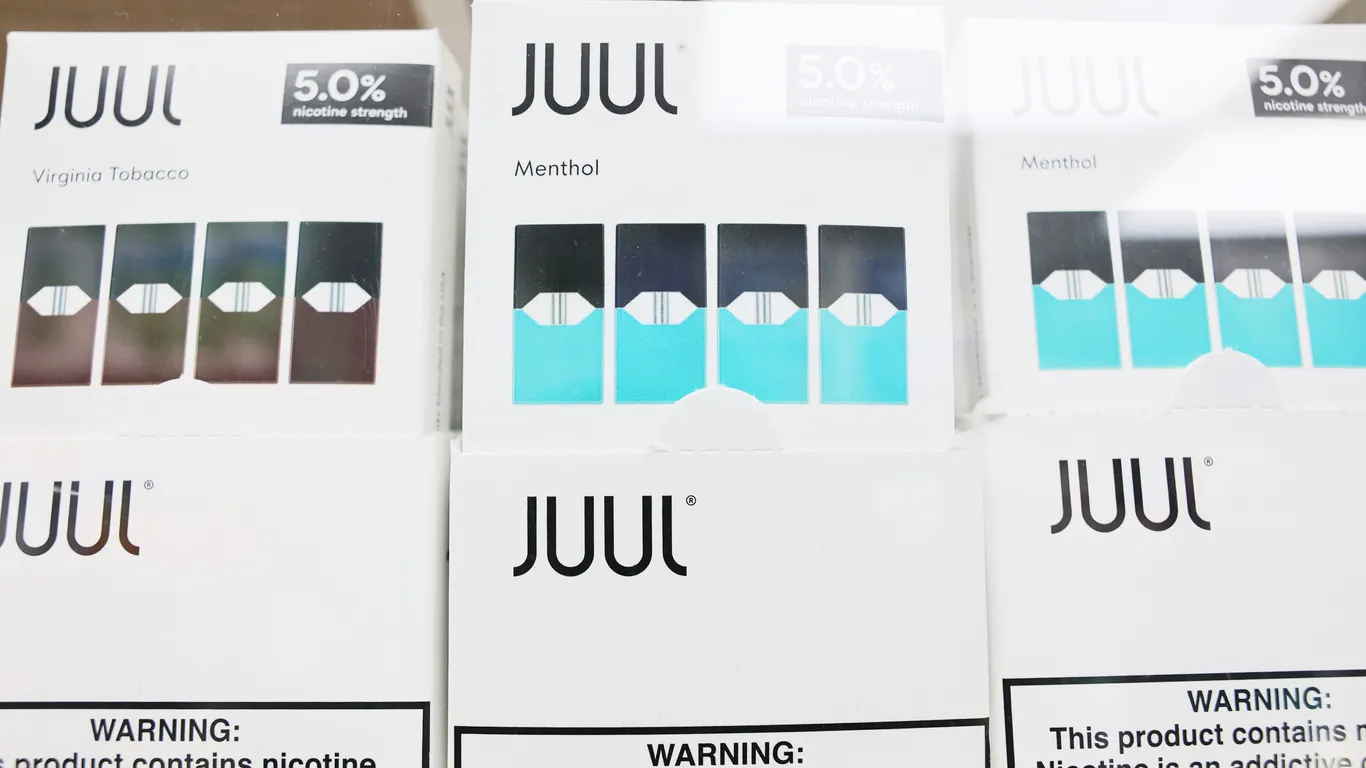
The FDA has authorized Juul to continue selling its e-cigarettes and refill cartridges, citing that the products are appropriate for the protection of public health, especially as an alternative for adults switching from cigarettes. This decision follows a lengthy review process and marks a significant development in vaping regulation, despite ongoing concerns about youth usage and health risks.
Juul has received FDA approval to sell its original e-cigarettes with tobacco and menthol flavors in the U.S., marking a significant milestone for the company amid ongoing debates over youth vaping and public health concerns.
A study in mice found that in utero exposure to certain vape liquids, even without nicotine, can cause changes in skull shape and reduce weight, raising concerns about the safety of nicotine-free e-cigarette products during pregnancy.
A recent study reveals that some disposable e-cigarettes emit dangerously high levels of toxic metals like lead and nickel, surpassing traditional cigarettes in toxicity and posing significant health risks, especially to youth. Despite regulatory efforts, these devices remain popular, highlighting the urgent need for stricter enforcement and further research into their health impacts.
Originally Published 6 months ago — by Rolling Stone
A UC Davis study reveals that disposable e-cigarettes emit higher levels of toxic metals, such as lead, nickel, and antimony, than traditional cigarettes, raising concerns about their safety, especially among youth, due to potential long-term health risks like lung inflammation and cancer.
A UC Davis study found that disposable e-cigarettes release higher levels of toxic metals like lead, nickel, and antimony than traditional cigarettes, posing significant health risks, especially to teens, and highlighting the need for stricter regulation and further research.
Vaping, while popular and often perceived as safer than smoking, poses significant health risks including lung cancer, DNA damage, increased heart rate, leaky gut, brain fog, weakened immune system, dental issues, and skin aging, with recent cases linking vaping to serious health consequences such as lung cancer and collapsed lungs.
A 51-year-old man from New Jersey died from an aggressive lung cancer potentially linked to long-term e-cigarette use, marking the first documented case suggesting a connection between vaping and cancer, raising concerns about the long-term health effects of e-cigarettes and the need for further research and updated screening protocols.
Experts warn that vaping can cause life-threatening allergic reactions in children, with concerns over allergens in flavored vapes and substances like propylene glycol. Despite being illegal for minors, many children use vapes, leading to a surge in hospitalizations. Calls are being made for allergy warnings on vape products, as the long-term health risks of vaping, especially among non-smokers and children, remain uncertain.
The Supreme Court appeared skeptical of Triton Distribution's challenge to the FDA's denial of authorization for flavored e-cigarette products, citing concerns about their appeal to children. The FDA's authority to regulate tobacco products, including e-cigarettes, stems from a 2009 law. During oral arguments, justices questioned the consistency of the FDA's data requirements and the potential impact of a new administration on vaping regulations. A decision is expected by June, which could influence federal agencies' flexibility in interpreting laws.
A new study presented at the Radiological Society of North America highlights the immediate effects of vaping on blood vessels and oxygen intake, suggesting potential health risks. Researchers, including Alan Blum and Keith Ferdinand, emphasize that while e-cigarettes may not be as harmful as traditional cigarettes, they still pose significant health concerns, such as reduced venous oxygen saturation and stiffer blood vessels. The study underscores the need for further research into the long-term health impacts of vaping.
A new study presented at the Radiological Society of North America highlights the immediate effects of vaping on blood vessels and oxygen intake, suggesting potential health risks. Researchers, including Alan Blum and Keith Ferdinand, emphasize that while e-cigarettes may not be as harmful as traditional cigarettes, they still pose significant health concerns, particularly affecting blood vessel elasticity and lung oxygenation. The study underscores the need for further research into the long-term health impacts of vaping, as it is not FDA-approved for smoking cessation.