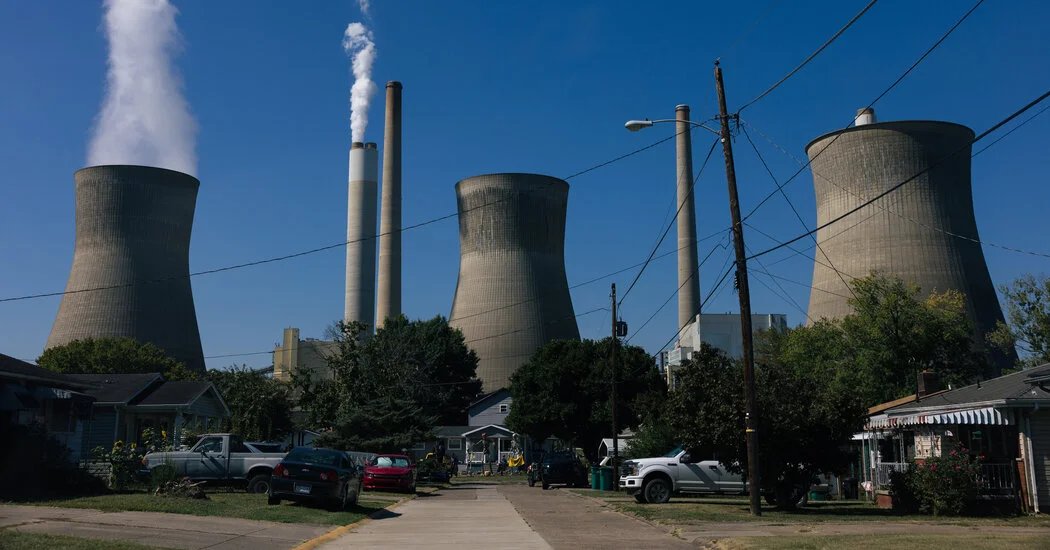
The EPA will stop tallying the health benefits of reducing air pollution when setting pollution limits, focusing only on industry costs, a shift that could ease rollbacks of rules on pollutants from coal plants, refineries, and other facilities.
A Xi’an, China study found microplastics in city air within PM2.5 tripled over the study period, with post‑pandemic samples dominated by white/transparent fibers from discarded masks. Inhaled microplastics can deposit in the nose, throat, and lungs, and younger people may be more susceptible. Sources include masks, synthetic clothing, tires, and packaging; aging plastics and ozone may boost release. Outdoors indoors exchange and air monitors, along with cleaner streets and better waste management, could help reduce exposure, and some cities promote reusable masks. The study was published in the Journal of Geophysical Research.
Lung cancer rates are rising among women under 50, including non-smokers, due to factors like air pollution, lifestyle, and biological differences. Early symptoms are often overlooked, but timely diagnosis and modern treatments can significantly improve outcomes. Awareness and preventive measures are crucial to address this emerging health concern.
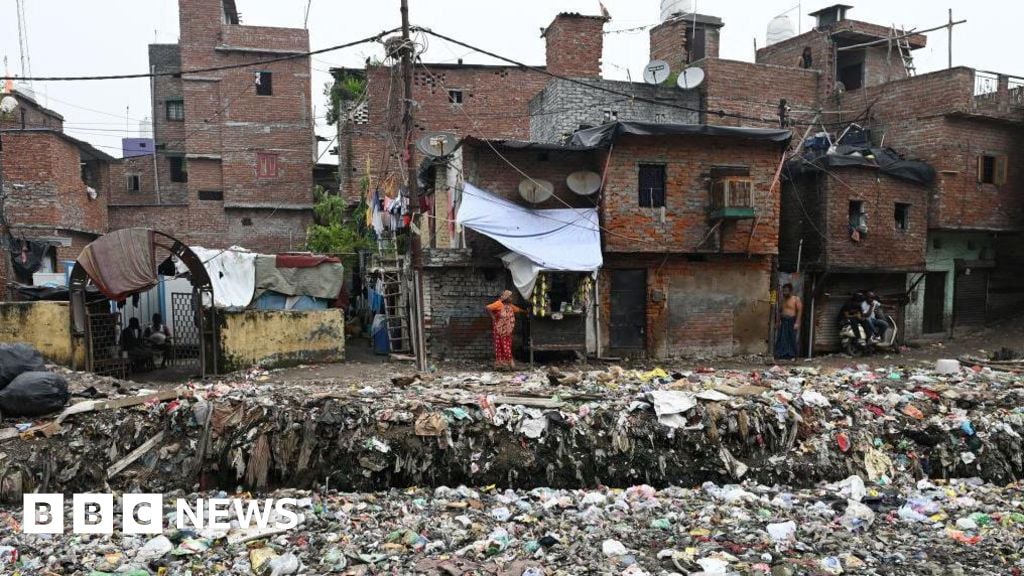
India's major cities are facing severe challenges like toxic air, broken roads, and uncollected rubbish due to inadequate governance, despite significant investments in infrastructure, highlighting systemic issues in urban management and planning.
Recent research shows that Earth's increasing heat is mainly due to changes in cloud behavior and surface warming, rather than reductions in air pollution or aerosols, highlighting the importance of natural climate variability in global warming.
A severe fog and pollution crisis in Sarajevo has led to flight cancellations, indoor advisories for children, and restrictions on outdoor activities, with air quality rated as 'unhealthy' due to high levels of PM2.5 particles, highlighting ongoing environmental challenges in the Balkans.
Sarajevo was ranked as the world's most polluted city, prompting authorities to impose restrictions such as banning certain vehicles and construction work to combat hazardous air quality caused by smog, pollution from heating and transport, and temperature inversion effects, with serious health implications for residents.
Sentinel-5A, a new satellite launched in August 2025, has begun providing detailed images of Earth's atmosphere, including the ozone hole over Antarctica, pollution levels over urban areas, and natural emissions from volcanoes and wildfires, enhancing global environmental monitoring.
Dense toxic smog has severely impacted New Delhi, causing travel disruptions, health issues, and prompting strict containment measures, while environmentalists call for long-term solutions to the persistent pollution crisis.
Severe toxic smog in Delhi has led to hazardous air quality levels, causing travel disruptions, school closures, and a deadly highway accident, highlighting ongoing environmental and political challenges in addressing air pollution.
Scientists have observed that in 2025, stubble burning in northern India is occurring later in the day, primarily between 4 p.m. and 6 p.m., compared to earlier years, which may influence air quality and pollution levels. This shift has been detected through satellite data, indicating changes in farmers' burning behavior, and contributes significantly to regional air pollution, especially in Delhi and surrounding areas.
Over 200,000 cases of acute respiratory illnesses were recorded in Delhi's hospitals between 2022 and 2024, linked to toxic air pollution levels that frequently exceed WHO limits, caused by factors like industrial emissions, vehicle exhaust, and crop burning, prompting legal and health concerns.
High air pollution can significantly reduce the health benefits of outdoor exercise, with pollution levels above 35μg/m^3 PM2.5 making exercise benefits non-significant and potentially harmful above 50μg/m^3. Despite this, exercise remains beneficial in most environments, but awareness and air quality improvements are crucial for maximizing health benefits and reducing risks.
New research suggests that long-term exposure to the industrial solvent trichloroethylene (TCE) in air may increase the risk of developing Parkinson's disease, highlighting the need for stronger regulations and further investigation into environmental pollutants' health impacts.
Delhi's air quality has worsened to 'severe' levels, prompting schools to adopt hybrid classes and banning non-essential construction, as authorities implement stricter anti-pollution measures amid health concerns and political controversy.