Research suggests that words with unusual sound sequences, which are more surprising and vivid, are processed more deeply and remembered better, challenging the traditional view that word-meaning relationships are arbitrary. This insight could enhance communication strategies across various fields.
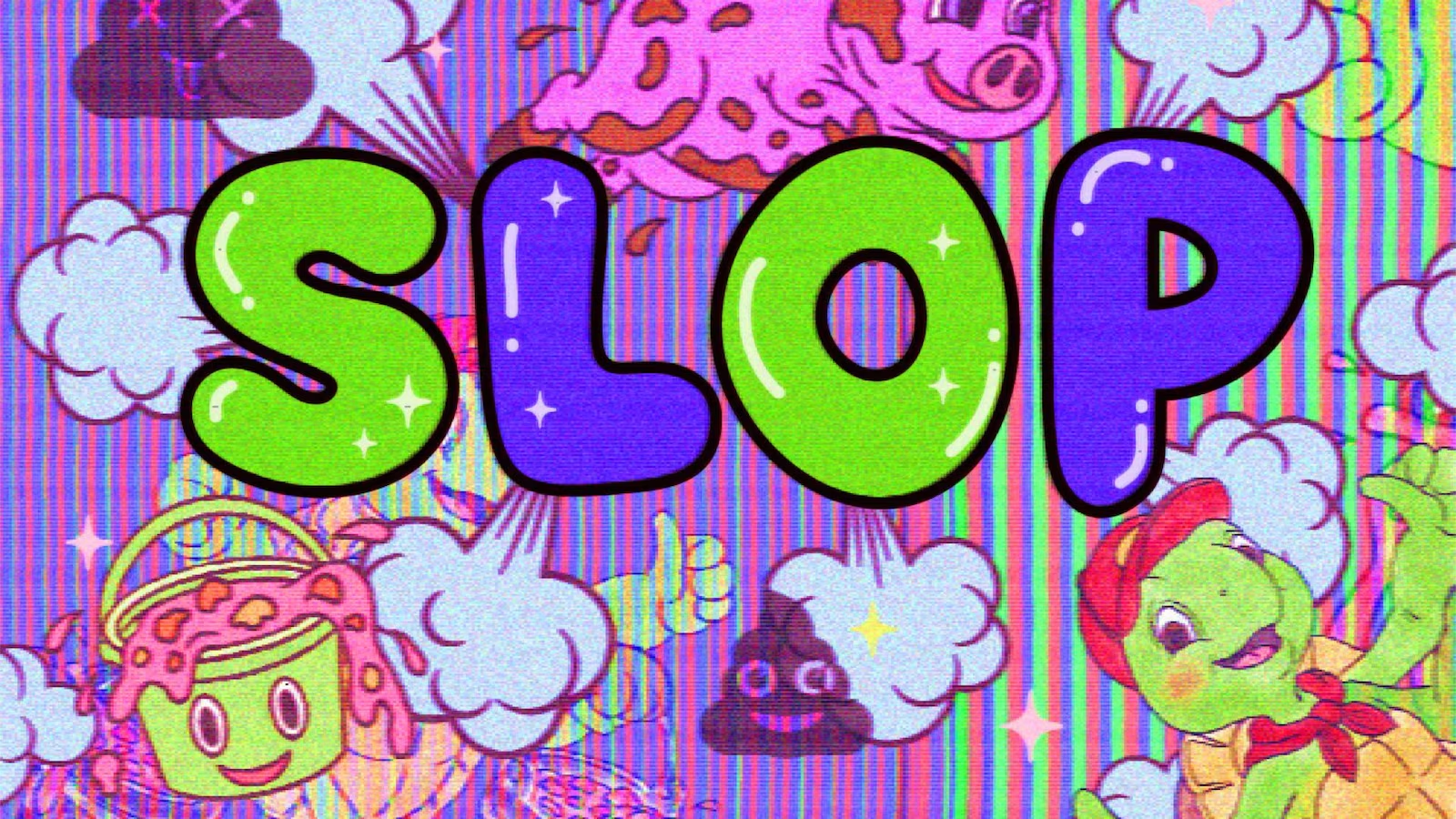
Merriam-Webster's 2025 word of the year is 'slop,' reflecting concerns about low-quality AI-generated digital content and a desire for authenticity, amidst the rise of generative AI tools and misinformation online.
The article explores how different numeral bases, such as base-10 and base-60, influence our thinking, language, and culture, affecting how we learn, process, and communicate about numbers, with implications for education, cross-cultural collaboration, and everyday decision-making.
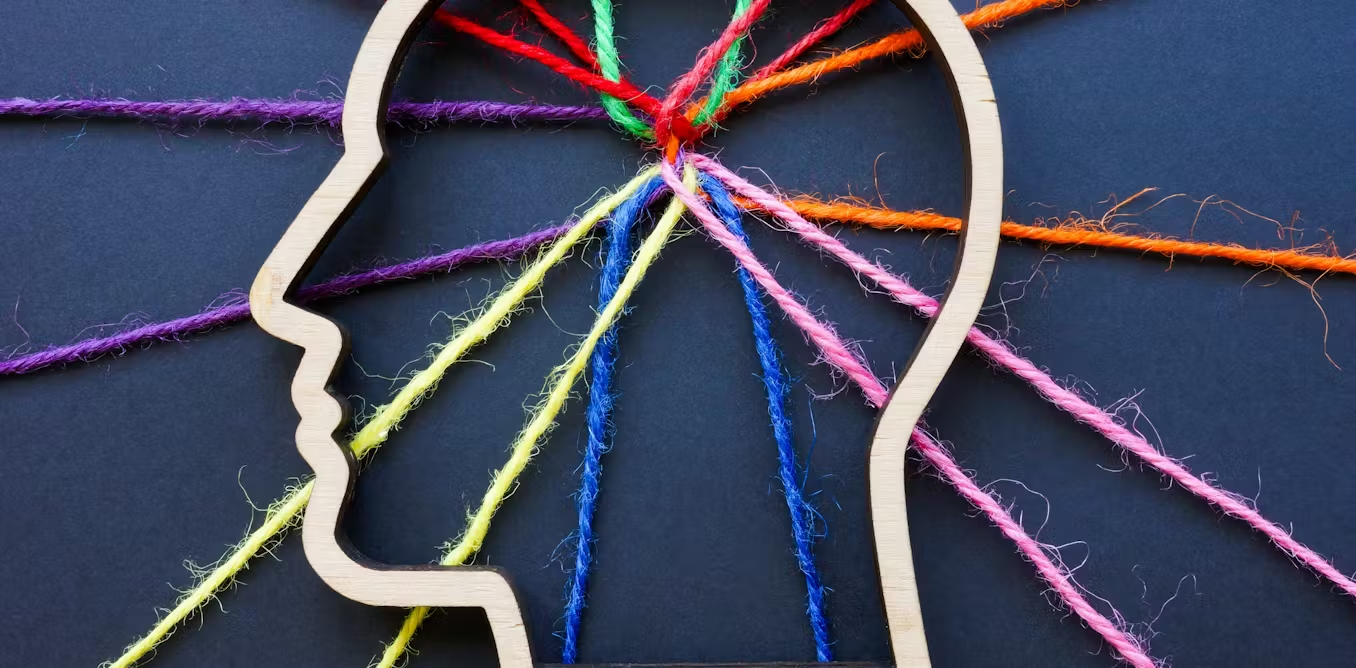
A UK survey of over 900 neurodivergent adults reveals mixed feelings about the term 'neurodiversity' and related language, highlighting the importance of correct usage and the need for nuanced understanding to foster inclusion and reduce stigma.
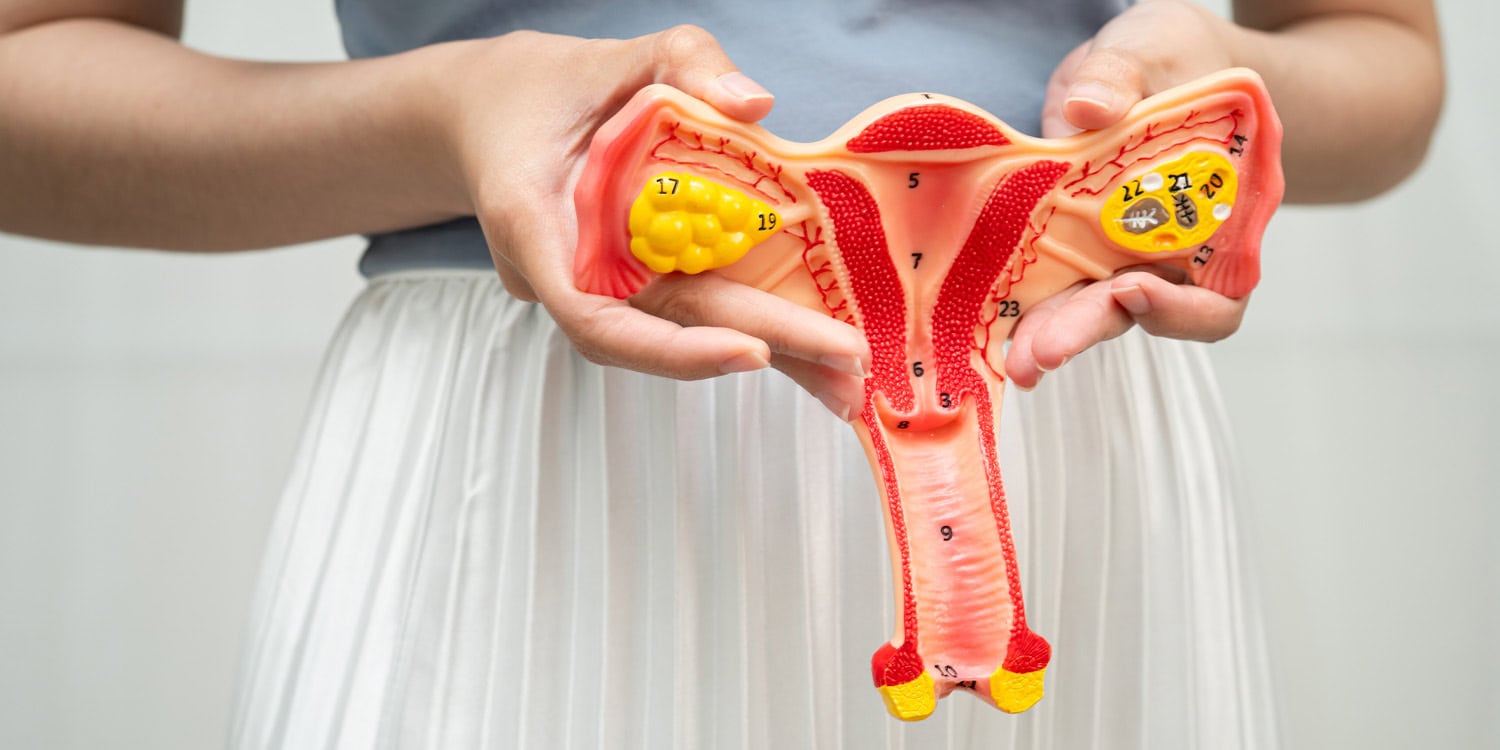
A study finds that the words women use for their genitals are linked to their body image, sexual pleasure, and health behaviors, with playful or childish terms associated with negative outcomes and vulgar terms during sex linked to positive experiences.
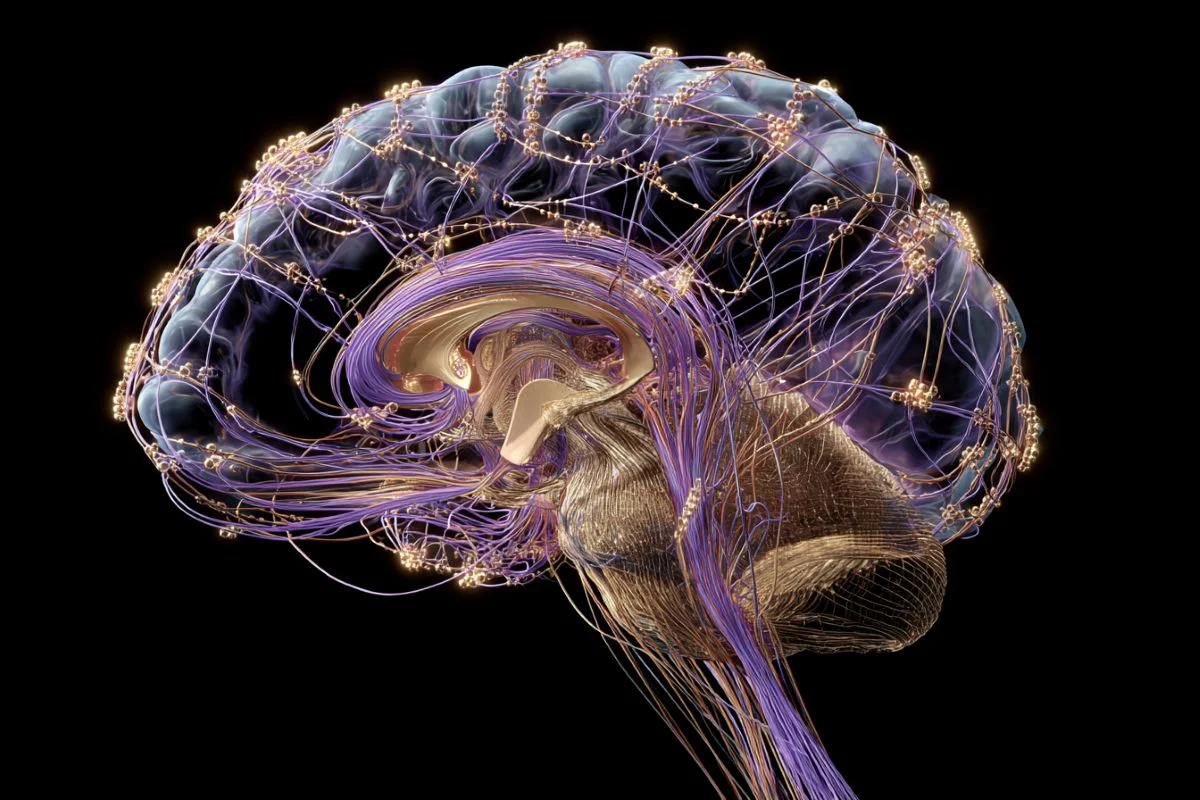
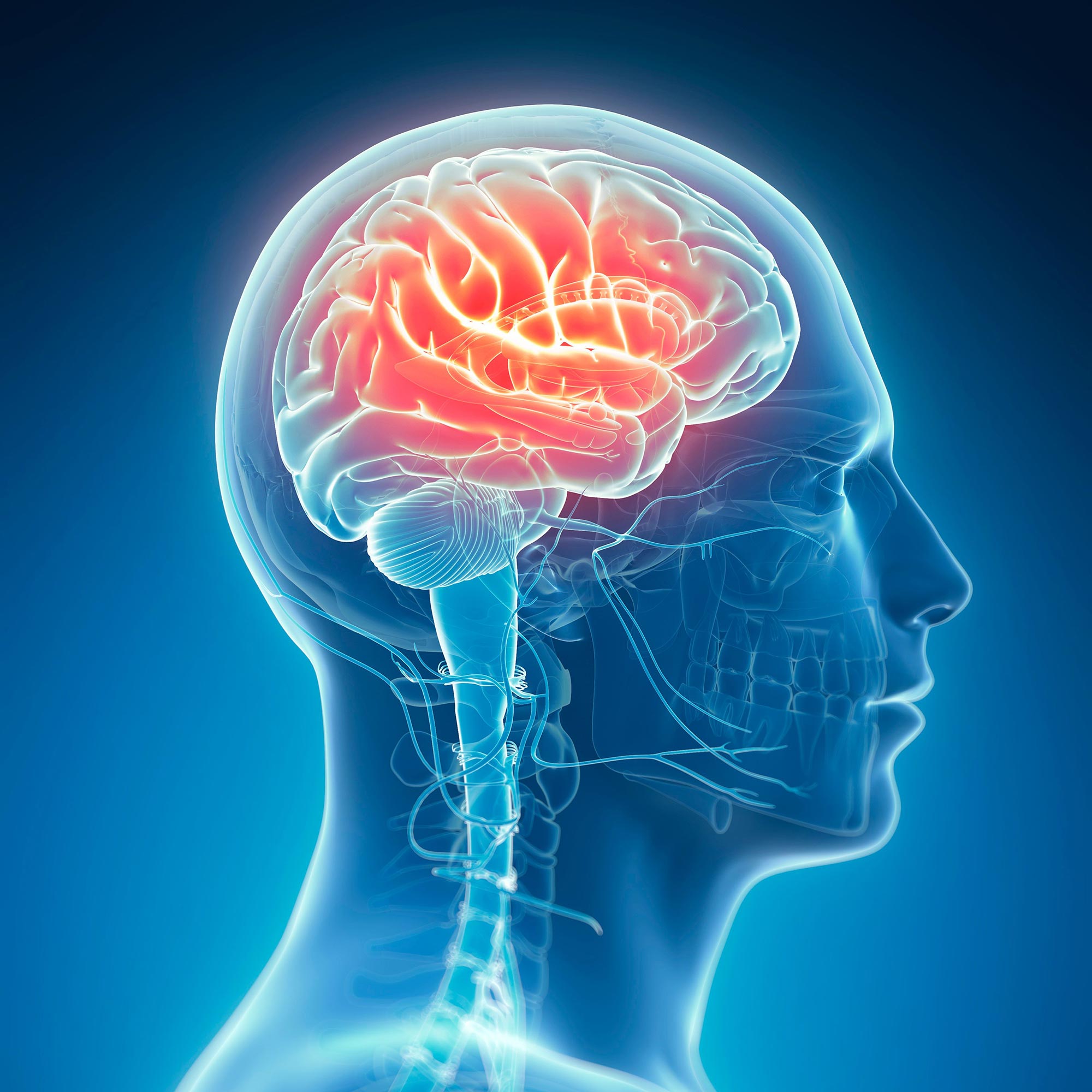
A study reveals that ancient lead exposure over two million years ago influenced human brain evolution, possibly affecting cognition and language development, with modern humans developing genetic protections against lead toxicity.
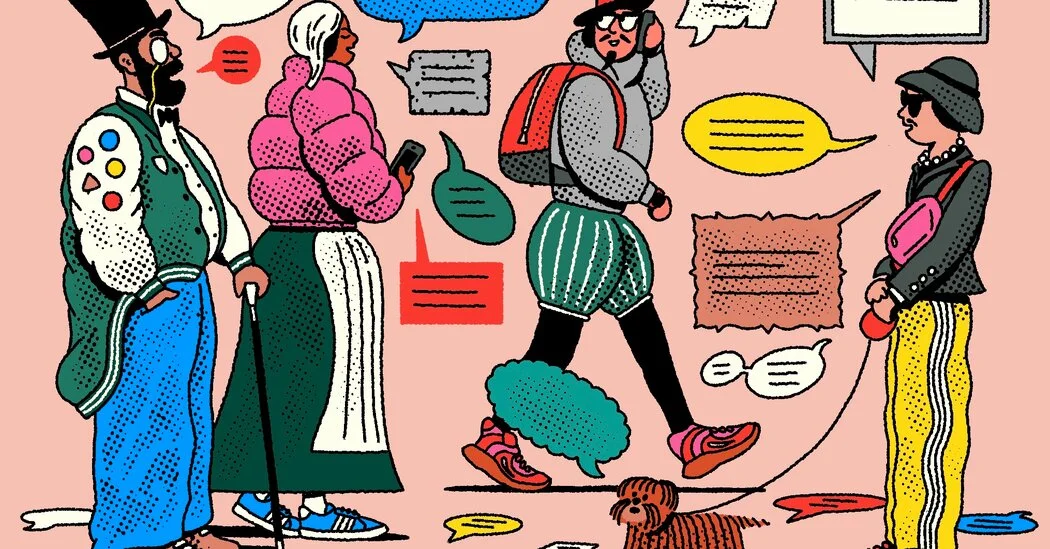
The '6-7' meme, a nonsensical phrase popular among kids, serves as a social bonding tool and a symbol of belonging, despite its lack of meaning. It originated from viral songs and gestures, and while teachers try to curb its use, it persists as a form of playful resistance and group identity. The phenomenon highlights how youth language evolves and functions within social groups, even if it frustrates adults.
Bad Bunny addressed the backlash over his Super Bowl halftime show booking during his 'SNL' monologue, confidently encouraging critics to learn Spanish in four months and highlighting his cultural impact and the political tensions surrounding his performance.
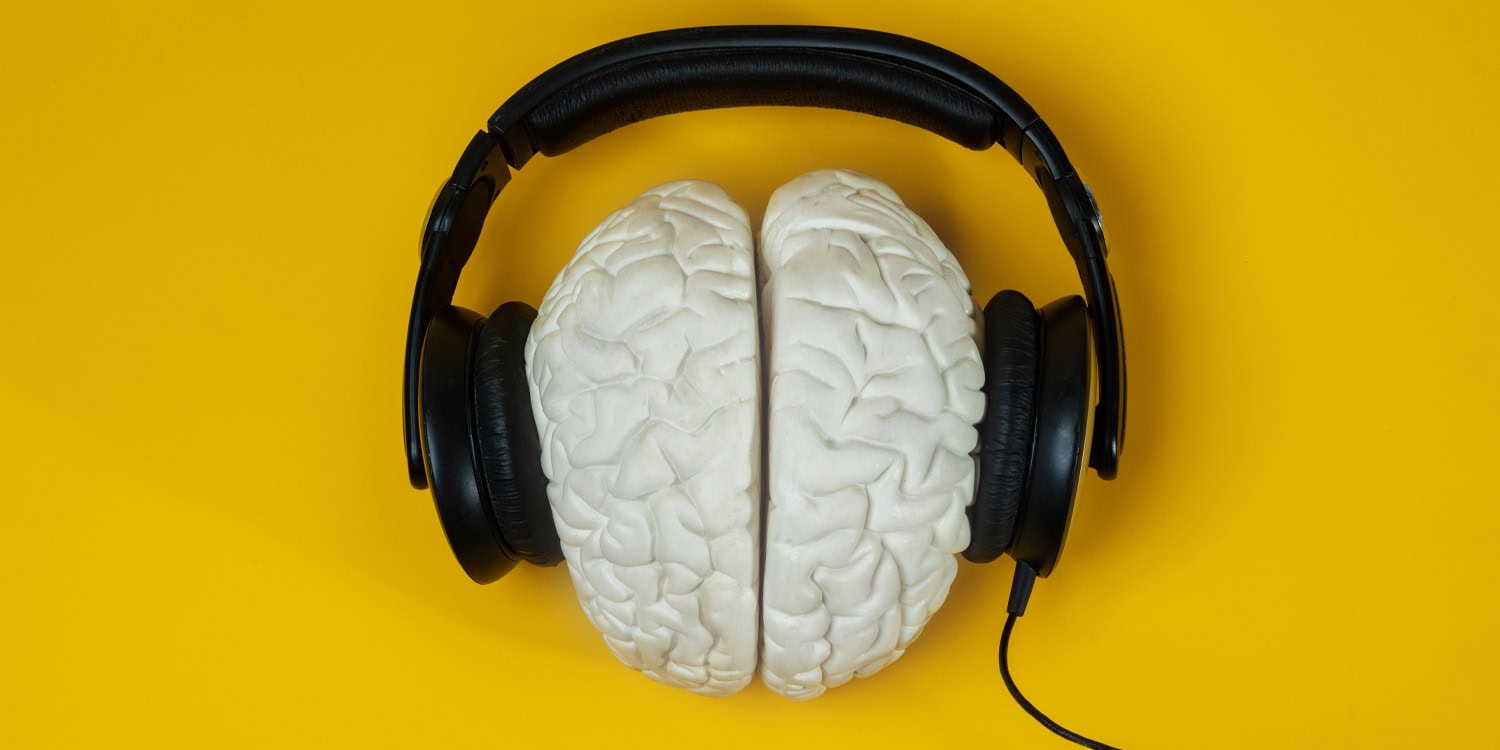
A study shows that familiarity with words influences how loud we perceive them to be, with real words sounding louder than nonsense words at the same volume, and this effect occurs in both native and second languages, highlighting how top-down cognitive processes shape sensory perception.
Merriam-Webster has released a fully revised 12th edition of its Collegiate Dictionary, adding over 5,000 new words like 'petrichor' and 'ghost kitchen,' while removing outdated entries to make it more practical and engaging. Despite declining print sales, dictionaries remain culturally significant, with online platforms boosting overall revenue and interest in physical copies persisting among enthusiasts.
Research shows that some dogs can categorize objects based on their function and extend verbal labels to new items, indicating a level of abstract thinking previously thought unique to humans, especially among gifted border collies. This suggests that certain dogs possess a more sophisticated cognitive ability than traditionally assumed.
The article discusses how AI, particularly ChatGPT, frequently uses the em dash, leading to a perception that humans do not use this punctuation, with some viewing it as a robotic or outdated trait in writing.
A group advises Democrats to avoid certain 'woke' words that may alienate voters, emphasizing the importance of authentic and inclusive communication to build support and avoid alienation, especially in the context of political messaging and public perception.
A memo from the think tank Third Way advises Democrats to avoid using jargon and politically correct terms that may alienate mainstream voters, emphasizing the importance of speaking in a more relatable and authentic manner to broaden their electoral appeal.
The article explores how the language and metaphors surrounding cancer, from silence to battle cries, influence perceptions, expectations, and treatment decisions, often leading to overtreatment. It advocates for reframing the illocutionary force of the word 'cancer'—shifting from a call to fight to a neutral diagnosis—to reduce unnecessary interventions and empower patient autonomy.