Seven-year-old Ben O’Driscoll found a pearly mineral in a field near Rockforest East, Cork, which geologist Patrick Roycroft identified as cotterite, one of the world’s rarest quartz forms and the first cotterite discovery in about 150 years. With only a few dozen known specimens worldwide, all from a single Rockforest vein, the find—now dubbed the Ben O’Driscoll Cotterite—highlights Ireland’s hidden mineral history and the value of curiosity.

Scientists have discovered a unique extraterrestrial mineral, silica tridymite, from a meteorite that exhibits unusual heat properties, maintaining constant thermal conductivity when heated, unlike any known Earth material, with potential applications in manufacturing and temperature control.
Scientists studying Mars have identified unusual layers of iron sulfates that may represent a new mineral formed under specific conditions, providing insights into the planet's geological activity and potential habitability.
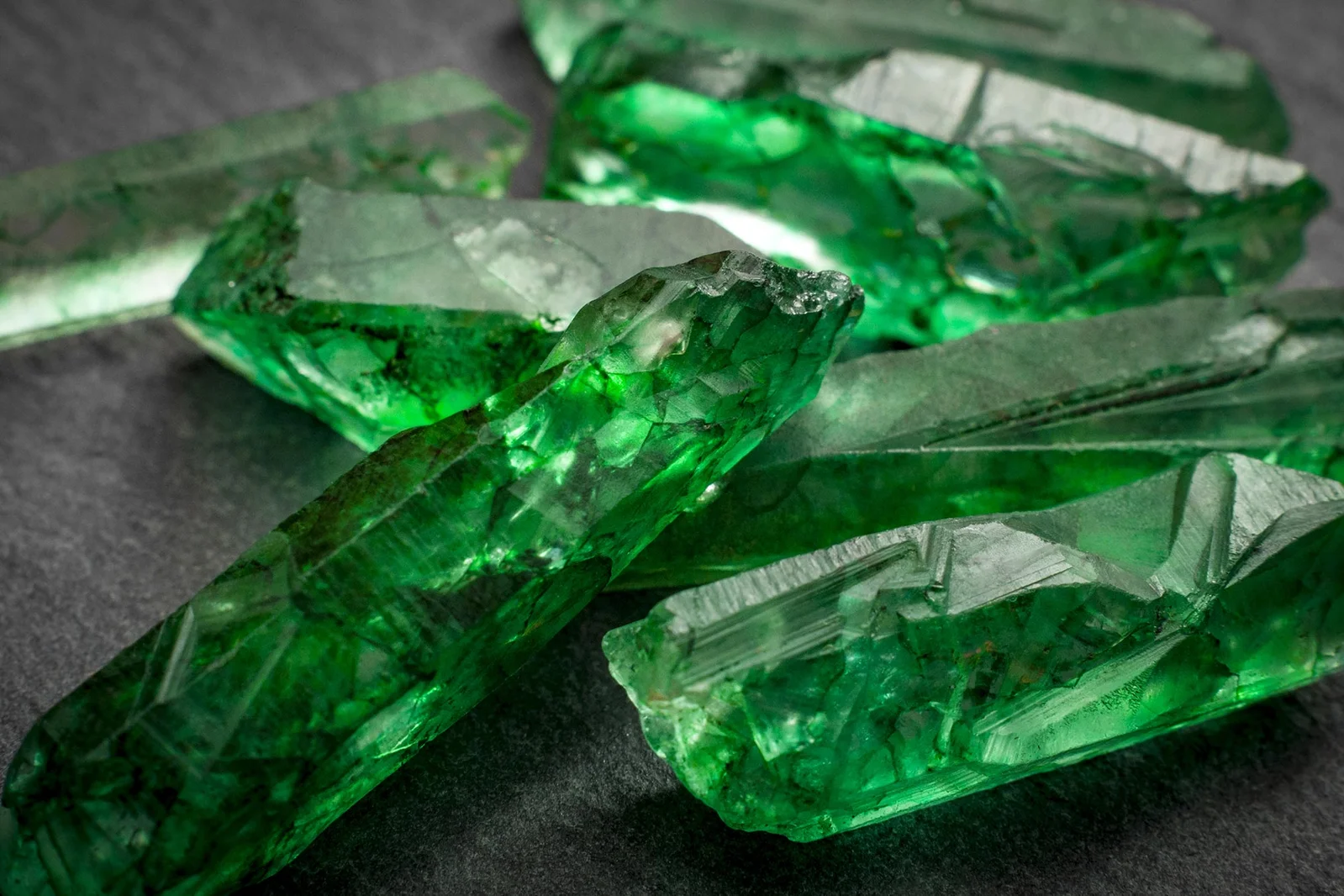
Scientists have discovered a rare mineral called jadarite in Serbia, which resembles fictional kryptonite but has real potential to support Australia's clean energy efforts by providing a significant source of lithium and boron, crucial for battery production and energy storage.
The article clarifies misconceptions about mineral and chemical sunscreens, explaining that both types contain chemicals and work primarily by absorbing UV rays, not reflecting or scattering them. It highlights that inorganic (mineral) sunscreens like zinc oxide and titanium dioxide are often lab-produced and can feel thicker, while organic (chemical) sunscreens are soluble and tend to be smoother. Current research shows minimal health risks from ingredients like oxybenzone, though regulators seek more safety data. Ultimately, the best sunscreen is one that users are comfortable applying regularly.
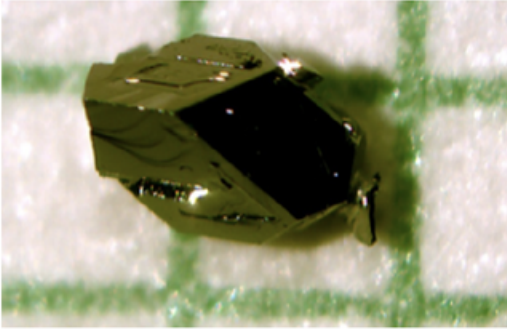
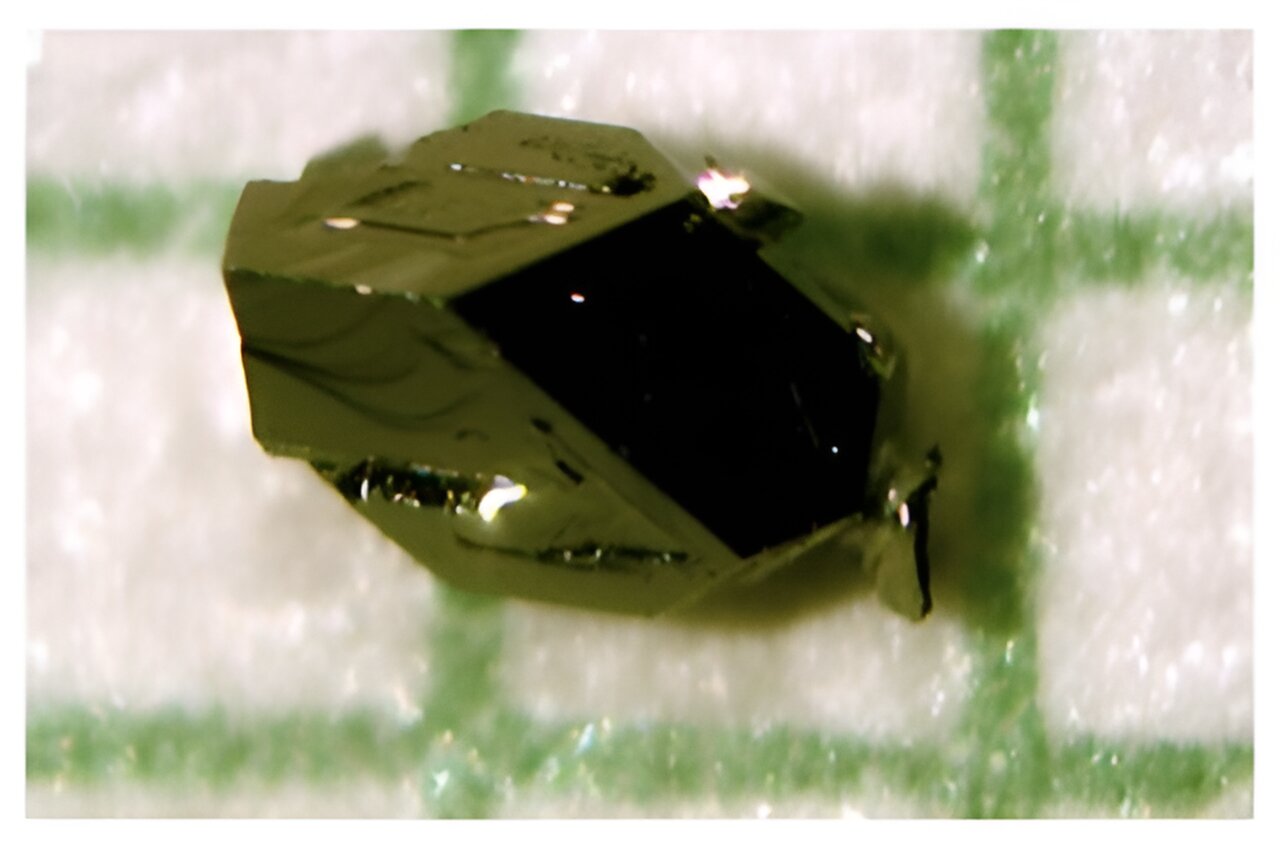
Researchers have identified the naturally occurring mineral miassite as an "unconventional superconductor" when purified, functioning at 5.4 degrees Kelvin. This discovery offers a promising new angle for future superconductor advancements, although impurities in the natural form of the mineral hinder its superconducting properties. Uncovering the mechanisms behind unconventional superconductivity is seen as crucial for economically-sound applications of superconductors, and this finding represents a step forward in the search for economically-viable superconductors.
Scientists at Ames National Laboratory have discovered miassite, the first unconventional superconductor found in nature with a chemical composition also present in minerals. This mineral, when grown in the lab, exhibits properties similar to high-temperature superconductors, providing insights into unconventional superconductivity. The findings, published in Communications Materials, could lead to more sustainable and economical superconductor-based technology in the future, advancing our understanding of superconductors and their potential applications.
Scientists have finally solved the "Dolomite Problem" that has puzzled researchers for 200 years. Dolomite, a mineral found in ancient rock formations, has resisted attempts to grow it in the lab. However, a team of scientists has now successfully grown dolomite crystals by using an electron beam to dissolve and then saturate the crystal. This breakthrough not only solves a long-standing geological mystery but also has potential applications in manufacturing defect-free materials for semiconductors, solar panels, and batteries.
Certain supplements can interact with each other, leading to decreased effectiveness, increased risk of side effects, or potential harm to your health. Experts say people should use supplements with caution, especially since they are not regulated by the Food and Drug Administration (FDA) and most are not vigorously studied. If you take any supplements or plan to add some to your lifestyle, here are combinations you should look out for and avoid mixing, according to experts.
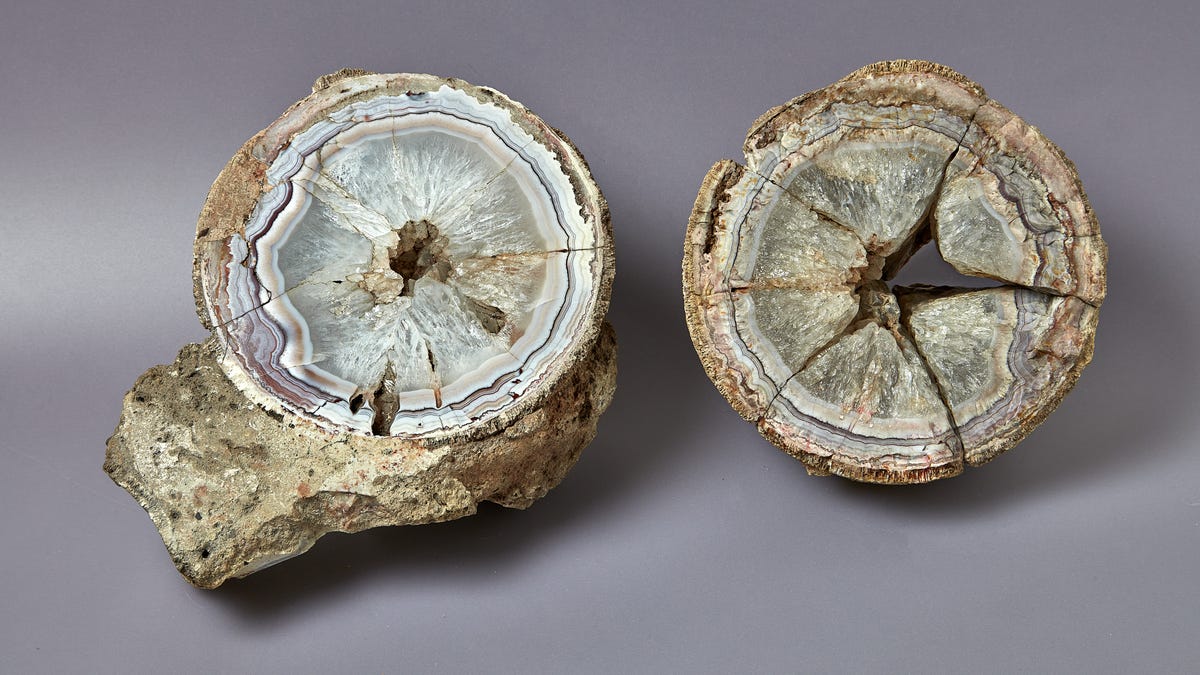
A mineral specimen collected in India over 140 years ago and registered in a mineralogy collection at the Natural History Museum in London has been found to be a dinosaur egg. The egg is believed to be from a titanosaur, the largest dinosaur to ever exist, and is about 60 million years old. The egg was likely covered in debris and lava from a nearby volcano after it was laid, and the water inside the egg percolated through the rock and shell to create the agate. The egg was collected at least 80 years before dinosaur eggs were scientifically recognized.
Kyawthuite is the rarest mineral on Earth, known from only one sample found in Myanmar. Its chemical formula is Bi3+Sb5+O4, with traces of tantalum. The transparent reddish-orange stone is composed of checkerboard sheets of octahedra Sb5+O6 parallel to Bi3+ atoms. It is named after Dr. Kyaw Thu, a former geologist at Yangon University. A synthetic replica of kyawthuite exists, so there's no need to steal the only sample on Earth from its home at the Natural History Museum of Los Angeles County.