Blue Origin is developing a process to produce rocket fuel from moon dust by melting it and using electrolysis to extract oxygen, potentially enabling sustainable space missions and reducing the need to carry fuel from Earth.
Chinese researchers discovered natural multilayer graphene in moon dust samples from the Chang'e-5 mission, challenging previous beliefs about the Moon's dryness and carbon content, and opening new avenues for understanding lunar formation and resource utilization.
Chinese scientists have developed a one-step method to extract water and produce oxygen and methane from lunar soil using sunlight, which could support future lunar bases by reducing the need to transport supplies from Earth, though challenges remain in scaling and environmental conditions.
A study by the University of Technology Sydney found that moon dust is less toxic to human lungs than urban air pollution, suggesting it may not cause long-term respiratory damage, unlike silica dust. Despite its abrasiveness, moon dust's toxicity is minimal, which could benefit future lunar missions like NASA's Artemis program, aiming for a sustained human presence on the Moon.
A new study shows that lunar dust is less toxic to humans than urban air pollution, easing concerns about health risks for future moon missions and supporting NASA's Artemis program.
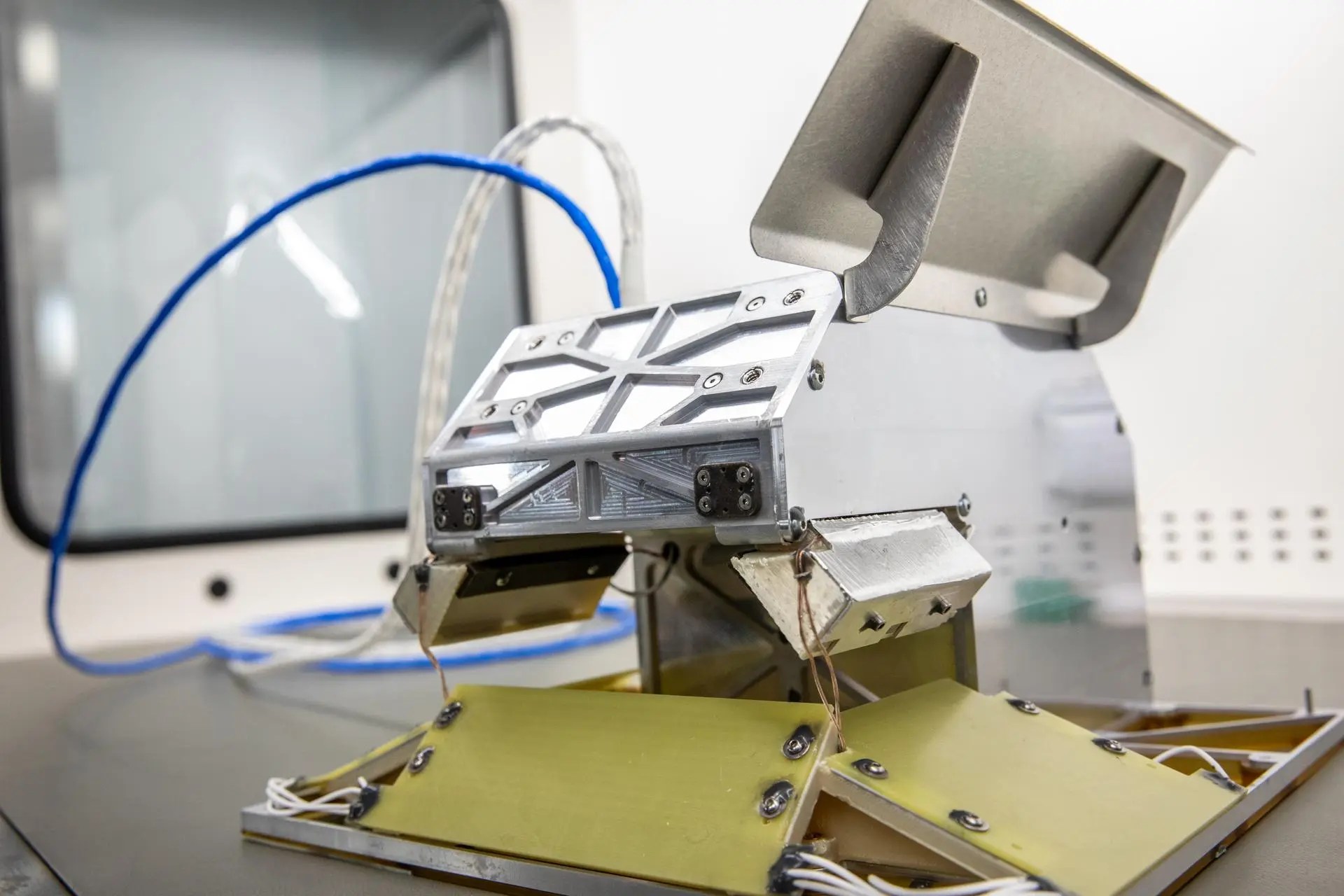
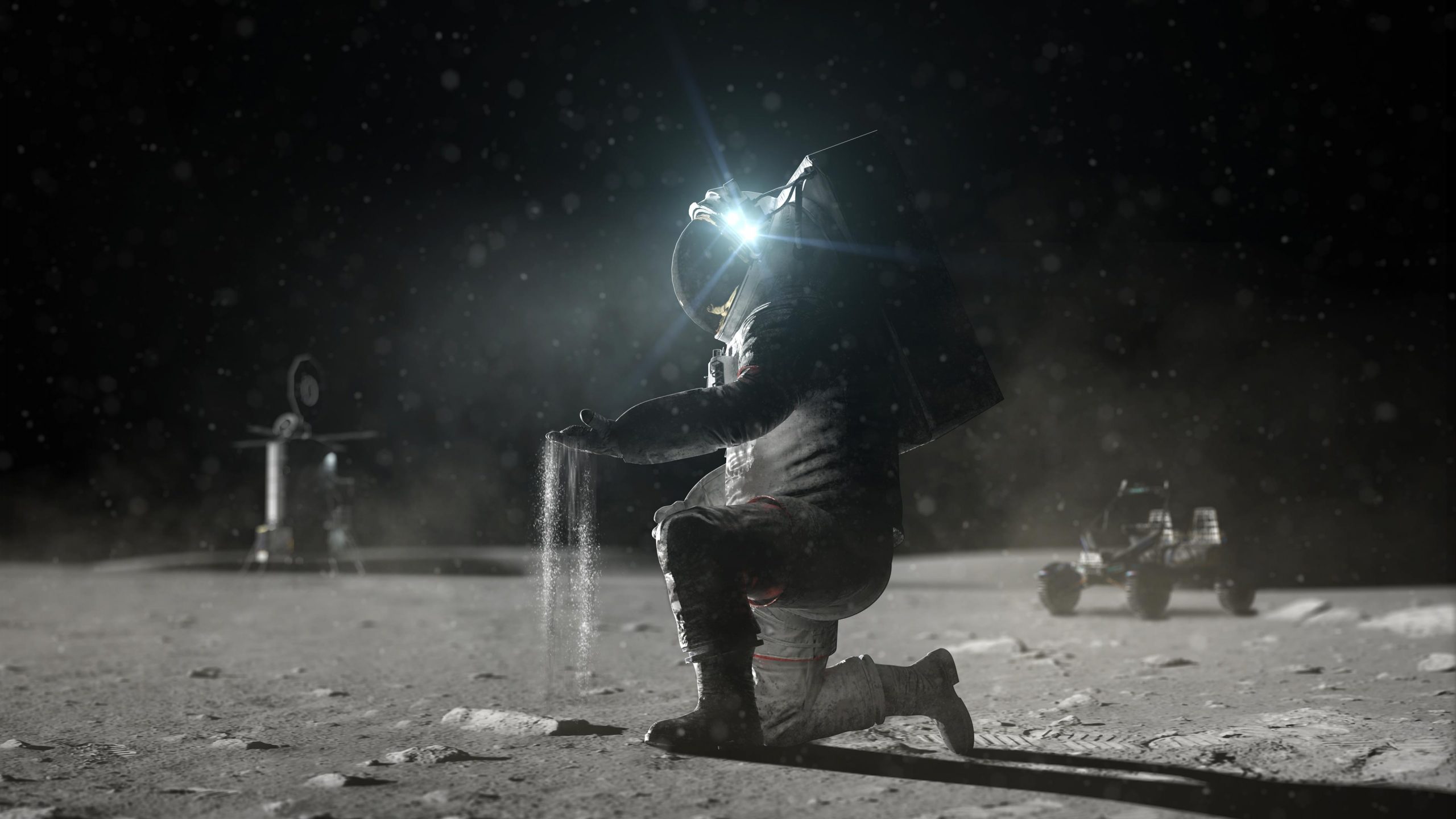
NASA's Kennedy Space Center is exploring the use of Electrodynamic Dust Shield (EDS) technology to combat moon dust, which can cause problems for equipment and spacesuits. The EDS technology electrically lifts and removes dust from various surfaces, including radiators, camera lenses, and helmet visors, to ensure the success of Moon missions under NASA’s CLPS initiative and Artemis campaign.
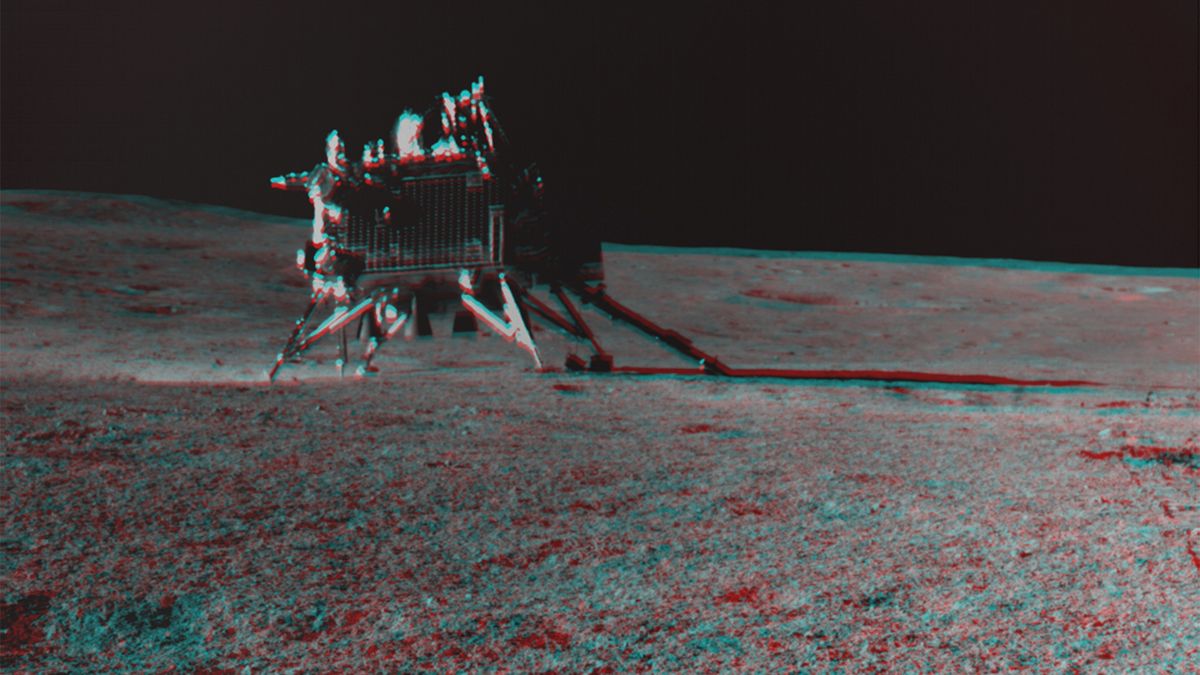
India's Chandrayaan-3 spacecraft's unique engine configuration resulted in minimal disturbance of moon dust during its historic landing near the moon's south pole, allowing for clear views of the landing region and safer touchdown. The spacecraft's cameras captured images that helped it avoid hazardous craters, and the mission achieved several milestones before succumbing to frigid lunar night temperatures. The Chandrayaan-3 team is still analyzing data on the dust plume and plans to make it public in two months, while India is already planning its next moon mission, Chandrayaan-4, tentatively scheduled for 2028 with the goal of bringing moon rocks to Earth.
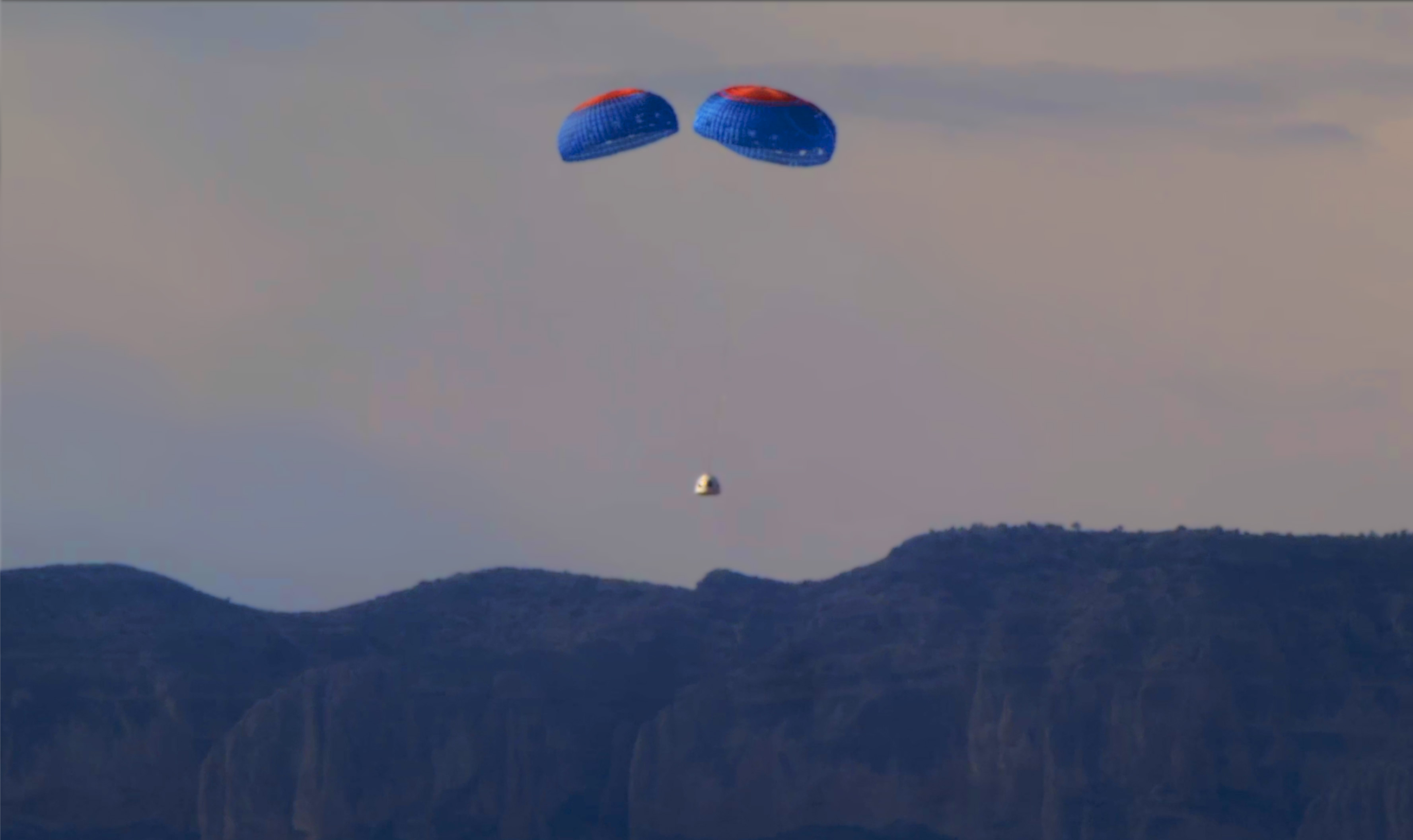
NASA conducted a suborbital flight test to study the effects of lunar regolith, or Moon dust, on astronauts and equipment in preparation for the Artemis campaign. The Electrostatic Regolith Interaction Experiment (ERIE) collected data on tribocharging in microgravity to understand how abrasive dust grains interact with astronauts, spacesuits, and equipment on the Moon. The experiment aims to develop technologies to prevent dust from damaging astronaut suits and electronics during lunar missions, with potential applications for future lunar surface missions.
Scientists have proposed a solution to the challenge of lunar dust on the moon's surface by demonstrating that it can be melted using a giant lens to create solid roads and landing areas. The loose dust on the moon poses problems for space agencies, as it erodes equipment and interferes with scientific instruments. By heating the dust to about 1,600C, researchers were able to create bendy triangle shapes that could be interlocked to form solid surfaces. While the process is time-consuming, it offers a potential solution for establishing a permanent lunar outpost without the need to transport building materials from Earth.
Scientists are considering the idea of using moon dust as a potential geoengineering solution to combat rising global temperatures. The concept involves creating a dust cloud between the Sun and the Earth to reduce the energy input into the Earth from the Sun. However, there are significant challenges, including the massive amount of dust required and the logistical effort of launching it into space. Additionally, there are concerns about the potential unintended consequences of such a solution, including changes to sunlight distribution and climate patterns. Comprehensive studies and international cooperation are necessary to assess the feasibility and potential risks of using moon dust as a geoengineering method.
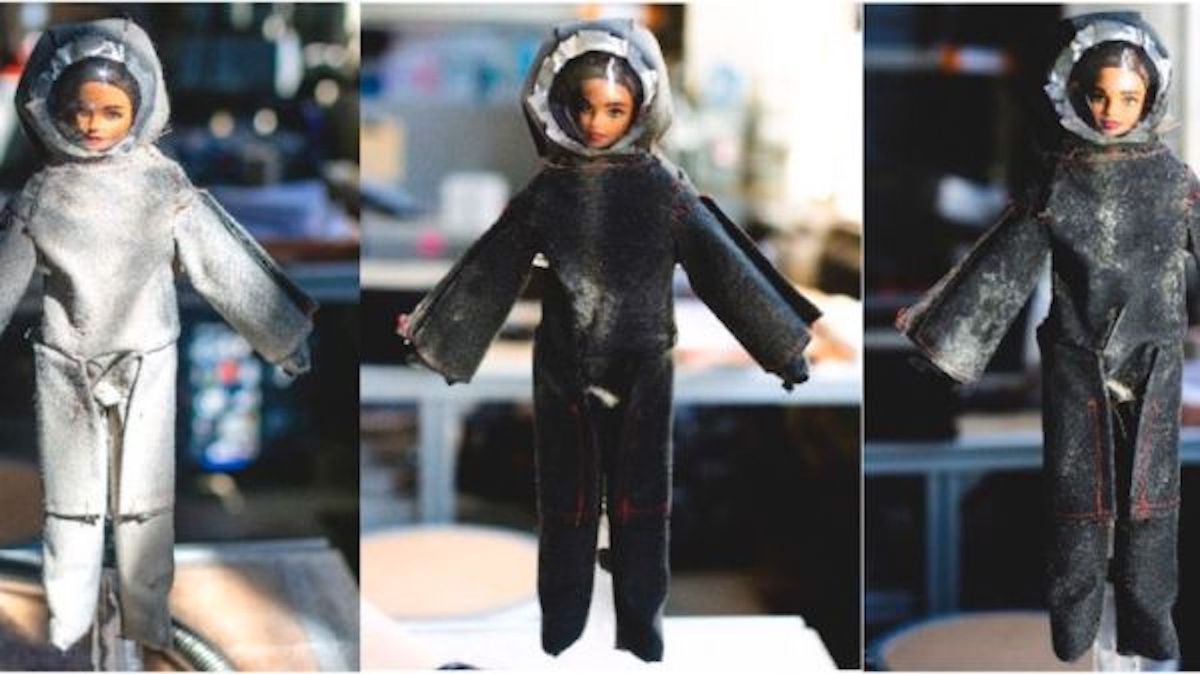
Researchers in the Pacific Northwest have made several breakthroughs in science and technology. Scientists at Washington State University have developed a liquid nitrogen spray that removes over 98% of moon dust from space suits. Researchers at Boise State University have created a plastic substitute made of isomalt, which is harder than plastic, lightweight, and dissolves quickly in water. Oregon State University scientists have developed a new electrolyte for zinc batteries that allows them to recharge with virtually no loss of energy. Researchers at Oregon Health and Science University are testing a new treatment for yellow fever using monoclonal antibodies. Finally, scientists at Oregon State University and the Oregon Department of Fish and Wildlife are using science to reduce the number of whales getting tangled in commercial fishing gear off the West Coast.
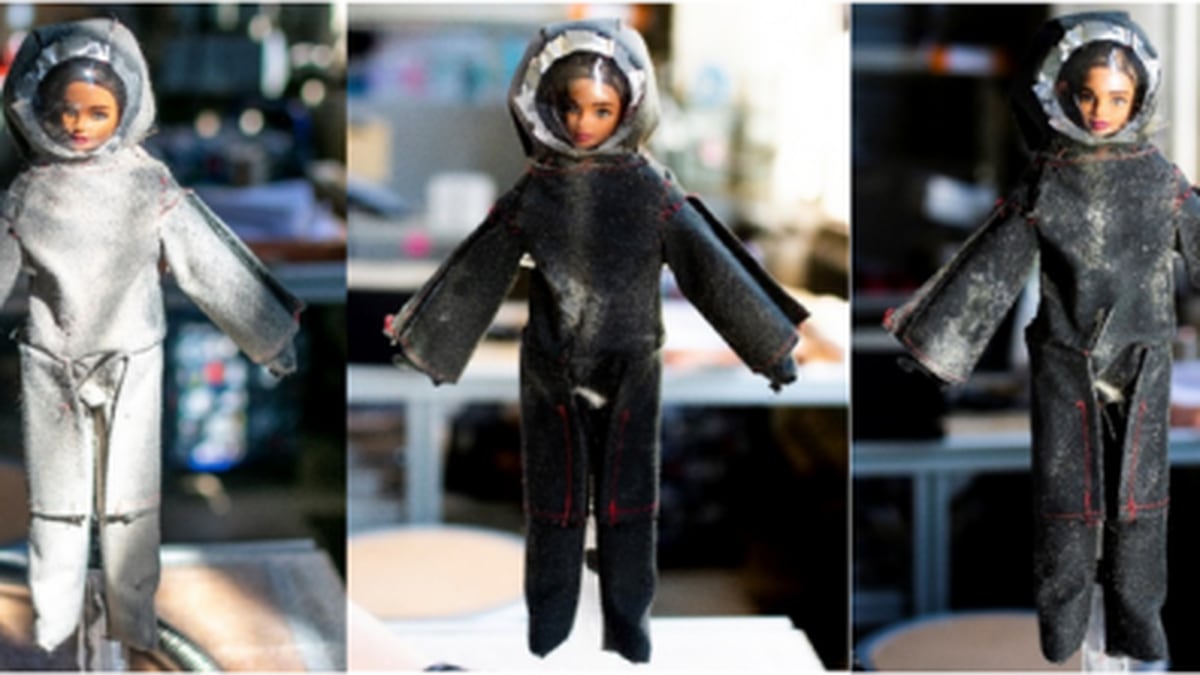
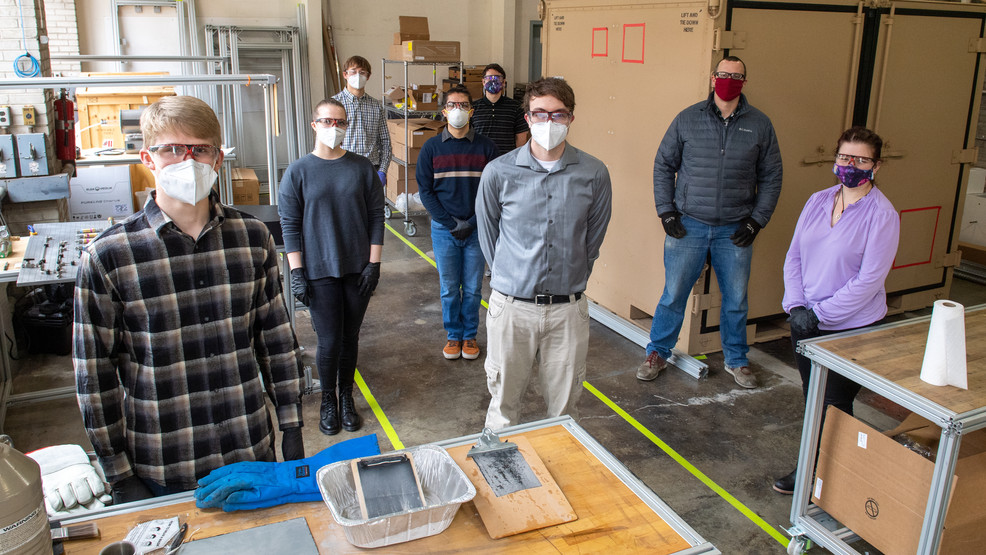
Scientists at Washington State University have tested a new method of cleaning moon dust from spacesuits by blasting Barbies dressed in makeshift spacesuits with liquid nitrogen. The cryogenic fluid removed over 98% of the volcanic ash substitute, which is similar in consistency to lunar dust, without causing damage to the Kevlar-like suit material. The experiment worked thanks to the Leidenfrost effect, which occurs when water hits a surface hotter than its boiling point. The team presented its findings to NASA to aid the agency's Artemis moon program.
A team of students from Washington State University (WSU) has been awarded for their contribution to solving NASA's moon dust problem. The team developed a method to extract oxygen from moon dust, which could be used to support human life on the moon. The students were awarded the "Breakthrough of the Year" award by the university for their research.
A University of Utah-led study explored the potential of using dust to shield sunlight and mitigate the effects of global warming. The authors found that launching dust from Earth to a way station at the “Lagrange Point” between Earth and the sun (L1) would be most effective but would require astronomical cost and effort. An alternative is to use moondust, which could be a cheap and effective way to shade the Earth. The team of astronomers applied a technique used to study planet formation around distant stars to discover that lunar dust was just right to effectively work as a sun shield.