California is considering a 5% one-time wealth tax on residents worth over $1 billion, which could impact over 214 billionaires, including notable figures like Palmer Luckey, Mark Zuckerberg, and Jensen Huang. The tax aims to generate revenue but faces criticism for potentially prompting wealthy residents to leave the state, affecting California's economy.
California's proposed Billionaire Tax Act aims to impose a 5% one-time tax on billionaires residing in the state, prompting some of the wealthiest to consider relocating to avoid the tax, raising concerns about potential impacts on California's economy and public services.
Sergey Brin is reportedly moving his business entities out of California in response to proposed wealth tax policies, following similar actions by Larry Page, as part of a broader trend among tech billionaires to relocate assets to more tax-friendly states.
California is officially drought-free for the first time in 25 years due to recent heavy rainfall and winter storms, filling reservoirs and alleviating drought conditions, though snowpack levels remain below average, leaving some uncertainty about future water supply.
California is implementing a controversial plan to tax billionaires, aiming to address wealth inequality, but facing significant political and public debate over its implications and effectiveness.
California's governor Gavin Newsom projects a $9 billion revenue increase for 2026-27, relying on the AI-driven economy, while forecasting a modest $2.9 billion shortfall for the upcoming year, with concerns about the sustainability of the AI boom and long-term fiscal challenges including reduced housing and homelessness funding.
Detective Matt Hutchison solved decades-old California cold cases using DNA evidence and genealogical methods, leading to the conviction of killers in the 1982 murder of 15-year-old Karen Stitt and the 1979 murder of Estella Mena, highlighting the impact of forensic science on solving long-standing crimes.
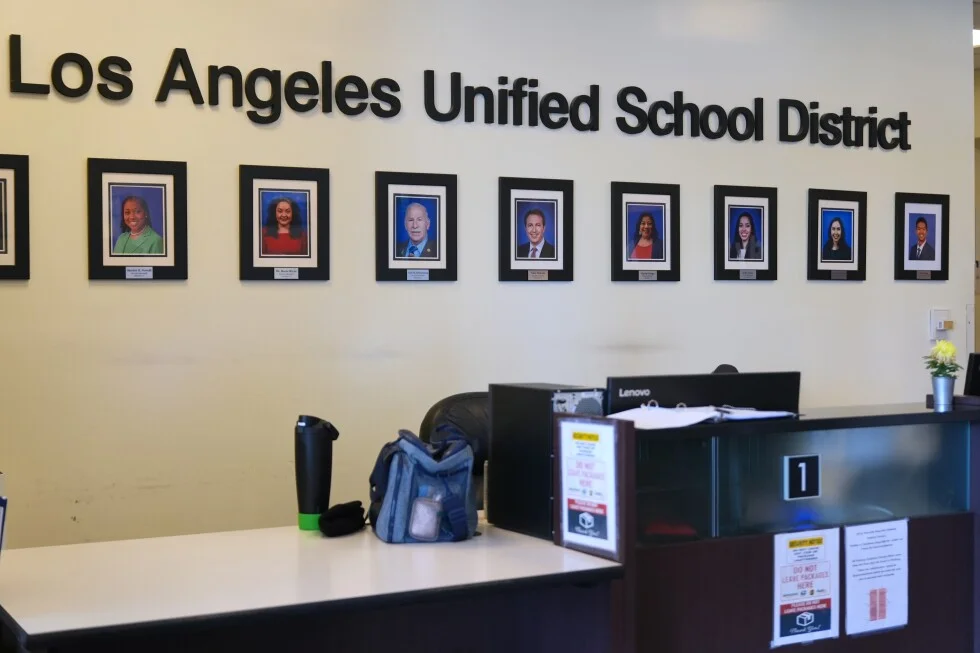
California Governor Gavin Newsom proposed shifting oversight of the Department of Education from State Superintendent Tony Thurmond to the State Board of Education to streamline governance, a move that surprised Thurmond and faced criticism for potentially reducing accountability and funding for schools.
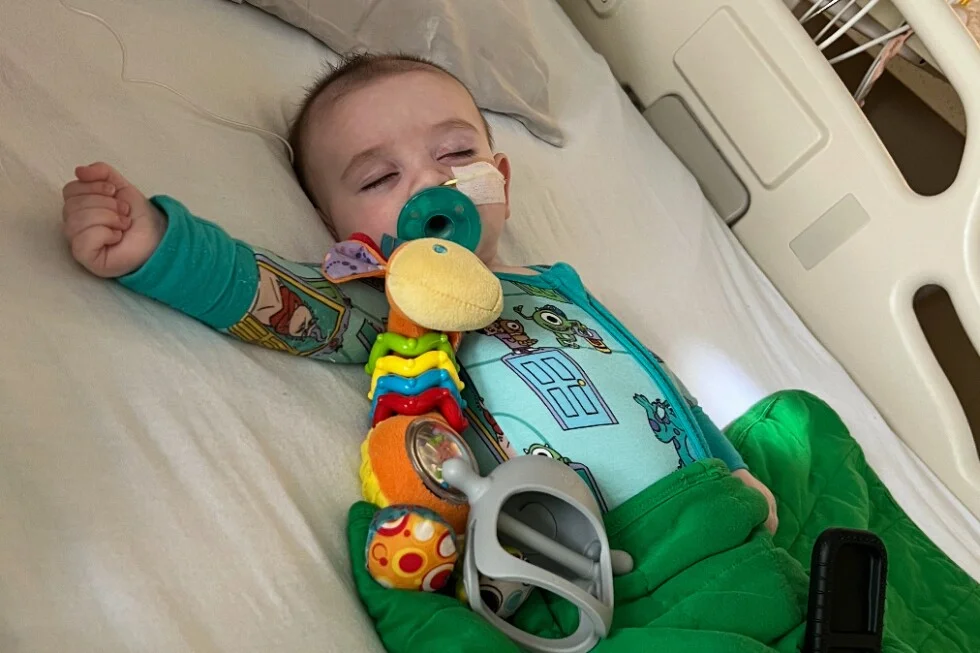
California's first measles case of 2026 has been reported in an unvaccinated adult in San Mateo County, linked to international travel, with no additional cases confirmed yet. The state saw a rise in measles cases last year, highlighting ongoing public health concerns despite high vaccination rates.
California is completely drought-free for the first time in 25 years due to recent winter storms that filled reservoirs and ended drought conditions across the state.
Governor Gavin Newsom's 2026 State of the State address celebrates California's resilience, highlights achievements in education, infrastructure, and social justice, and emphasizes the state's leadership in innovation and climate action while criticizing federal policies and advocating for continued progress and inclusivity.
Gavin Newsom delivered a State of the State address highlighting California's achievements in technology, education, and homelessness reduction, positioning the state as a counter to the Trump administration's policies. He emphasized progress on housing, clean energy, and healthcare, while criticizing federal actions and calling for unity on wildfire aid. Despite a reported 9% decrease in homelessness, lawmakers were cautious in their responses, and the state's budget outlook remains uncertain with a projected $18 billion deficit, though revenues have exceeded expectations.
Governor Newsom proposes a major overhaul of California's education governance system to improve support, accountability, and policy alignment from early childhood through college by consolidating oversight and strengthening the role of the State Superintendent of Public Instruction, addressing long-standing fragmentation and inefficiencies in the system.
The federal government is withholding $160 million from California due to delays in canceling 17,000 commercial driver's licenses held by non-citizens, following an audit and new federal guidelines aimed at tightening licensing and immigration checks for commercial truck drivers.