Tag

Drug Interactions

All articles tagged with #drug interactions

health2 months ago

Doctors Warn Against Combining These 2 Over-The-Counter Medications

Taking OTC medications like Tylenol and NyQuil together can be dangerous due to double-dosing of acetaminophen, risking severe liver damage. Combining NyQuil and Benadryl or Benadryl and sleep aids can cause serious side effects like drowsiness and confusion. It's crucial to read medication labels carefully, avoid overlapping ingredients, and consult pharmacists for guidance to prevent harmful interactions and ensure safe use of OTC drugs.

health1 year ago

Dangerous Supplement Combinations: Expert Warnings on Toxic Pairings

Certain combinations of supplements and medications can lead to serious health risks, including organ damage. For instance, taking red yeast rice with niacin can harm the liver, while combining fish oil with ginkgo biloba may cause uncontrolled bleeding. St. John's wort with antidepressants can lead to serotonin syndrome, and CoQ10 with diabetes medications can dangerously lower blood sugar. Additionally, garlic and other blood-thinning supplements should not be taken with blood thinners to avoid internal bleeding. Consulting a doctor before combining supplements is advised.

health1 year ago

Dangerous Supplement Combos: What to Avoid for Your Health

Experts warn that certain combinations of supplements can be harmful, potentially leading to liver damage, excessive bleeding, or nutrient deficiencies. Notably, red yeast rice extract and niacin can cause liver damage, while omega-3 and ginkgo can dangerously increase blood flow. To avoid negative interactions, it's advised to space out the intake of certain supplements like magnesium and calcium, or zinc and copper, by at least two hours. Additionally, combining supplements with certain medications, such as St. John's Wort with antidepressants, can lead to serious health issues.

health-pharmaceuticals1 year ago

"Surge in UK Deaths Linked to Common Anxiety Drug"

The UK has seen a surge in deaths linked to the anxiety drug pregabalin, with 441 deaths in 2022 compared to 187 in 2018. Reports comparing this to the US opioid epidemic may cause undue panic, as most fatalities are due to interactions with other drugs, particularly opioids. The rise in deaths coincides with an increase in pregabalin prescriptions, suggesting a need for better education on risks and drug interactions. Certain groups, such as those with substance use disorder, are at higher risk, and there's evidence of growing illicit use. Understanding why people combine pregabalin with other drugs is crucial for developing strategies to reduce harm.

healthtech1 year ago

"AI-Driven Model Identifies Dangerous Drug Interactions for Safer Prescribing"

A new AI has been developed to identify potentially dangerous drug combinations by analyzing the specific transporter proteins used by individual drugs to leave the digestive tract, as drugs using the same transporter may interfere with each other. This knowledge could significantly improve patient treatment by avoiding harmful drug interactions.

health1 year ago

"Identifying Deadly Drug Combinations: New Model's Findings"

Researchers from MIT, Brigham and Women's Hospital, and Duke University have developed a strategy using tissue models and machine-learning algorithms to identify the transporters used by different drugs, revealing potential interactions between commonly prescribed medications. By understanding how drugs pass through the digestive tract and predicting potential toxicities, this approach aims to improve patient safety and treatment efficacy, as well as aid drug developers in enhancing drug absorbability and preventing interactions with other medications.

health-and-medicine1 year ago

"Machine-Learning Model Identifies Deadly Drug Combinations for Safer Prescribing"

Researchers at MIT, Brigham and Women’s Hospital, and Duke University have developed a strategy to identify the transporters used by different drugs, which could help improve patient treatment by identifying potential drug interactions. By using tissue models and machine-learning algorithms, they identified interactions between a commonly prescribed antibiotic and a blood thinner, as well as other drugs. This approach could also be applied to drugs in development to prevent interactions with other drugs or improve their absorbability.

health2 years ago

"Dangers of 6 OTC Drugs for Seniors"

A recent review found that older adults heavily rely on over-the-counter (OTC) drugs for various health issues, often without realizing the associated risks and side effects. Older adults are more sensitive to medication due to changes in kidney and liver function, making them more susceptible to adverse effects. Common OTC medications such as pain relievers, Benadryl, pseudoephedrine, heartburn medications, and others should be used with caution, as they can pose health risks, especially when combined with prescription drugs. It's important for older adults to consult with pharmacists and healthcare providers to ensure safe and appropriate use of OTC medications.

health2 years ago

"Paxlovid: Unveiling the Prevalence and Clarifying Confusion on Drug Interactions"

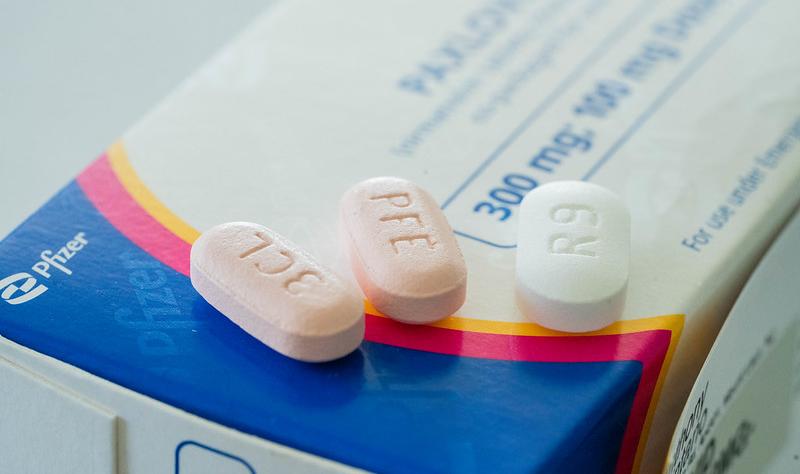
A study conducted in Canada found a high prevalence of drug-drug interactions (DDIs) in adults who were treated with Paxlovid for COVID-19 in an outpatient setting. The study assessed 637 patients and found that 70% had at least one DDI, which increased to 82% in patients aged 70 and older. Most DDIs required clinical intervention, with cardiovascular drugs and those for benign prostatic hyperplasia being the most commonly involved. Adverse drug events were also reported in 62% of patients, but they did not significantly impact treatment adherence. The study highlights the importance of managing drug interactions and adverse events in patients taking Paxlovid.

health2 years ago

Unveiling the Truth Behind Sleep Supplements: Side Effects and Efficacy Revealed

Melatonin supplements can be helpful for sleep-related issues, but it's important to be aware of potential side effects. While side effects are rare, higher doses can increase the risk. Some possible side effects include headache, nausea, dizziness, vivid dreams, dry mouth, and itchy skin. Taking excessive doses can lead to rebound insomnia, irritability, depression, and prolonged sedation. Melatonin can also interact with certain medications, so it's important to avoid it in certain conditions and consult with a healthcare professional.

health2 years ago

Prescription Drug Dependency: A Lifetime for American Newborns

A new study reveals that Americans are taking more prescription drugs and staying on them for longer periods of time than ever before. The research estimates that babies born in 2019 will spend half their lives taking medications under doctor's orders. The study highlights a steep increase in prescription drug use among various demographics, with older, White women showing the highest increase. Factors contributing to this trend include the growing burden of obesity, longer survival with chronic conditions, and intensified treatment of high blood pressure and cholesterol. However, the study also raises concerns about the potential risks and negative interactions associated with taking multiple medications for extended periods. The need for further research on the long-term impact of sustained prescription drug use is emphasized.

health2 years ago

"Hidden Dangers: Unveiling the Risks of 3 Natural Supplements"

Natural supplements may not always be good for you and can potentially cause harm. Some herbal supplements, such as St. John's Wort, can weaken the effects of prescription medications, while others like goldenseal can make medications too potent. Green tea extract has been linked to liver injury. Additionally, taking any supplement in excessive quantities can pose health risks. It is important to be cautious and consult with a doctor before taking any natural supplements, especially if you are on prescription medication.