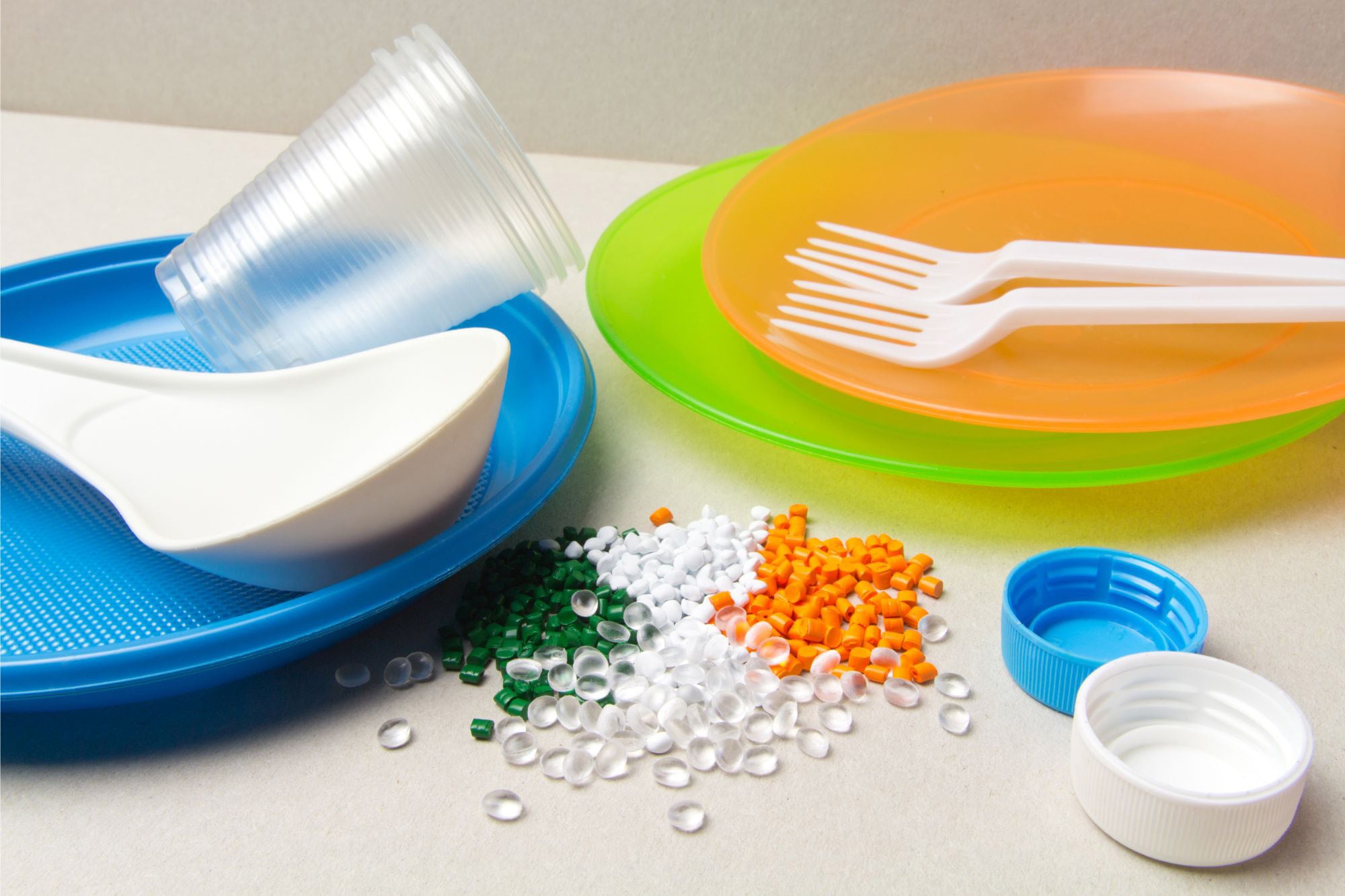
A recent study links reduced ability to detoxify BPA, a common plastic chemical, to children with autism and ADHD, suggesting environmental pollutants may influence neurodevelopmental disorders, especially in vulnerable populations.
Claims that paper receipts contain toxic chemicals like BPA, which is linked to reproductive and hormonal health issues, are based on real concerns, but the level of risk from touching receipts is generally low. Experts acknowledge that BPA was commonly used in receipts and can be absorbed through the skin, potentially leading to health problems, but typical exposure from casual contact is usually minimal.
The article discusses everyday exposure to endocrine disruptors like BPA, PFAS, and phthalates, which are found in common products and may interfere with hormones, raising concerns about potential health risks including cancer. It emphasizes the need to understand the level of danger these chemicals pose and whether they warrant concern.
Children with autism and ADHD have a reduced ability to detoxify certain plastic chemicals like BPA, leading to longer exposure and potential impacts on neurodevelopment. The study highlights biological vulnerabilities in these children, emphasizing the importance of reducing environmental chemical exposure during early childhood and pregnancy.
A 2023 study found children with autism and ADHD have reduced ability to clear the plastic compound BPA from their bodies, potentially increasing their exposure to its harmful effects, which may impact neuron development, though causality remains unconfirmed.
A new study from Miguel Hernández University of Elche reveals that bisphenol analogs BPF and BPS, used as replacements for BPA in plastics, may pose similar health risks, including obesity, diabetes, and hormone disruption. Using computer simulations, the research shows these compounds accumulate in biological membranes, affecting their function and potentially leading to adverse health effects. The findings suggest that BPF and BPS are not safer alternatives to BPA, urging a reevaluation of their use in consumer products.
A new study suggests that BPA-free plastics, often considered safer, may pose similar health risks as BPA itself. Researchers found that BPA alternatives like BPS and BPF disrupt hormones and affect cell membranes in ways nearly identical to BPA, potentially leading to fertility issues and other health problems. The study highlights the need for further investigation into these chemicals, as they may not be the safer alternatives they were thought to be.
Consumer Reports highlights the pervasive presence of synthetic chemicals like microplastics, PFAS, BPA, and phthalates in everyday items such as food, water, and household products. These substances have been found in various consumer goods, raising concerns about potential health risks.
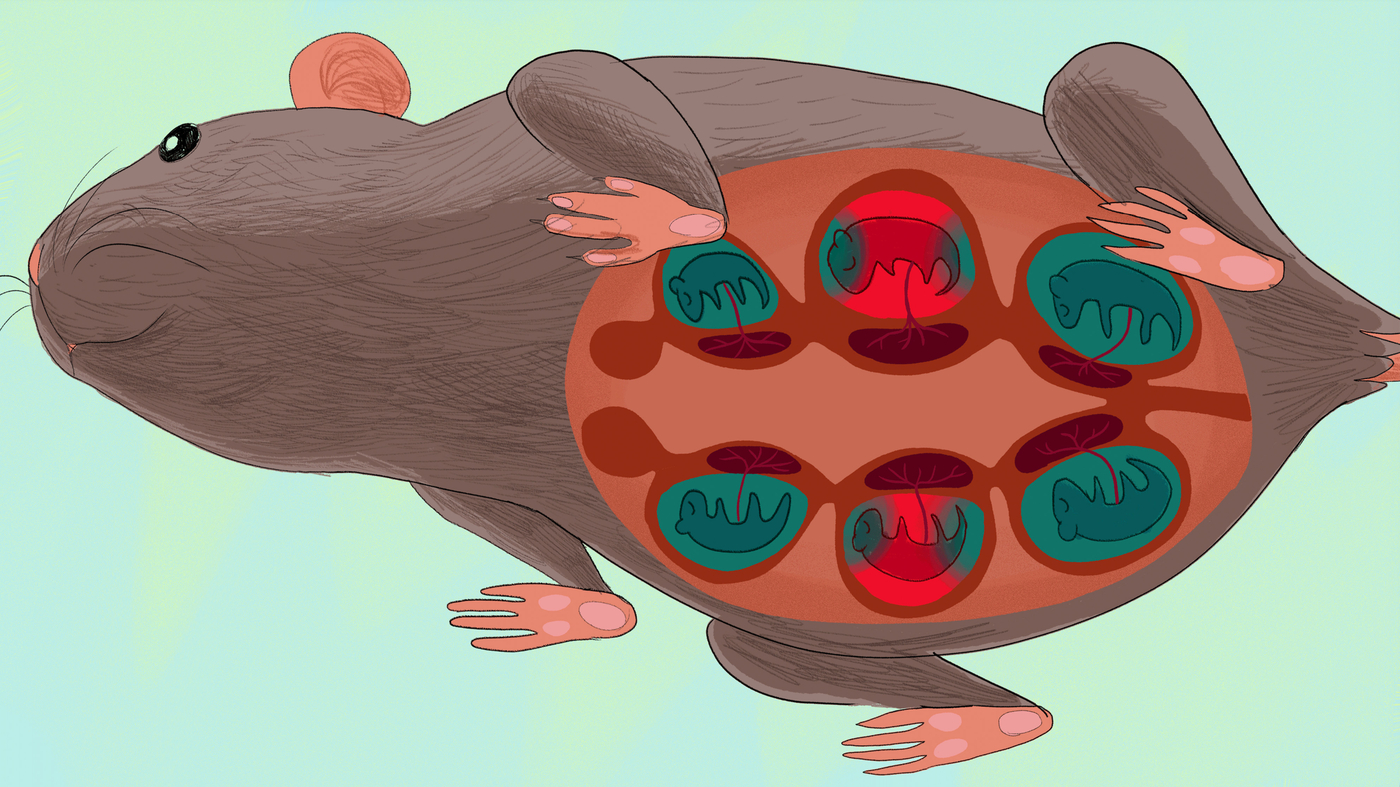
The intrauterine position phenomenon, where sex hormones from one fetus can affect the development of another in the womb, has been observed in various mammals, including humans. This phenomenon has implications for understanding the effects of hormone-like chemicals such as BPA, sparking debates about their safety. Scientists are still researching whether these hormonal changes can impact humans, with studies suggesting potential differences in behavior, physiology, and development, but the complexities of studying a species in the real world present challenges.
A study from Spain suggests that Bisphenol A (BPA) exposure affects the gut microbiome differently in normal-weight children compared to those who are overweight or obese, with normal-weight children showing greater bacterial diversity. BPA, a synthetic chemical found in plastic items, may disrupt the body's natural hormone activities and potentially impact childhood obesity. The research highlights the need to understand the complex relationship between BPA exposure, gut microbiome, and childhood obesity, with implications for future health interventions and policy changes.
Consumer Reports has found that harmful chemicals like BPA and phthalates are prevalent in a wide range of supermarket foods and fast foods, regardless of packaging or organic certification. These chemicals, which are linked to health risks such as hormone disruption and diabetes, were found in 99% of tested foods for phthalates and 79% for BPA. The FDA has rejected a petition to ban phthalates in food packaging and processing, and current regulations are considered outdated by many experts. Safety activists are concerned about the cumulative exposure to these chemicals from various sources.
Consumer Reports has discovered a pervasive presence of plastic components, specifically phthalates and bisphenol A (BPA), in a wide range of food products from supermarkets and fast-food chains. Despite not exceeding regulatory limits, the safety of these levels is questioned due to the potential health risks associated with hormonal disruptions. The study highlights the need for regulatory reassessment of plasticizers in food production, as the tested foods, including popular brands and fast-food items, showed varying levels of these chemicals. Only one product, Polar raspberry lime seltzer, was found to be free of phthalates.
Researchers have found biochemical evidence suggesting a link between the common plastic additive bisphenol A (BPA) and the development of autism and ADHD. The study found that children with autism had a 10% reduction in their ability to remove BPA from their bodies, while children with ADHD had a 17% reduction compared to the control group. BPA, which is found in various plastic products, has been previously linked to infertility, cardiovascular disease, type 2 diabetes, and cancer. The study highlights the need for further research into the potential neurodevelopmental harms of BPA and its replacements, bisphenol S (BPS) and bisphenol F (BPF).
A new study suggests a possible link between the body's ability to process the common plastic additive Bisphenol A (BPA) and the development of autism spectrum disorder (ASD) and attention deficit hyperactivity disorder (ADHD). The research found that children with ASD and ADHD had difficulty clearing out BPA and another compound called Diethylhexyl Phthalate (DEHP), potentially leading to longer exposure to their toxic effects. The study highlights the role of genetic and environmental factors in neurodevelopmental disorders and suggests that plasticizers may be significant contributors.
A new study suggests that the common plastic additive bisphenol A (BPA) may be linked to the rise in autism spectrum disorder (ASD) and attention deficit hyperactivity disorder (ADHD) diagnoses. Researchers found that children with ASD and ADHD had reduced efficiency in clearing out BPA and another compound called Diethylhexyl Phthalate (DEHP) from their bodies, potentially leading to longer exposure to their toxic effects. The study highlights the importance of both genetic and environmental factors in the development of neurodevelopmental disorders, though further research is needed to determine the exact relationship between BPA exposure and these disorders.