Gold prices are on track for a weekly gain of about 3.9%, reaching near record highs, driven by weaker-than-expected US job growth, geopolitical tensions, and expectations of Federal Reserve rate cuts, with projections of gold potentially surpassing $5,000 in 2026.
Global markets started the year positively with rising futures, record-breaking Asian stocks, the FTSE surpassing 10,000, a rebound in precious metals, and stable currency and crypto markets, though caution remains about reading too much into the first trading day.
The USGS has expanded its list of critical minerals to 60, covering 80% of mined commodities, highlighting their vital role in modern technology, national security, and the shift towards clean energy, with geopolitical implications due to China's dominance in supply.
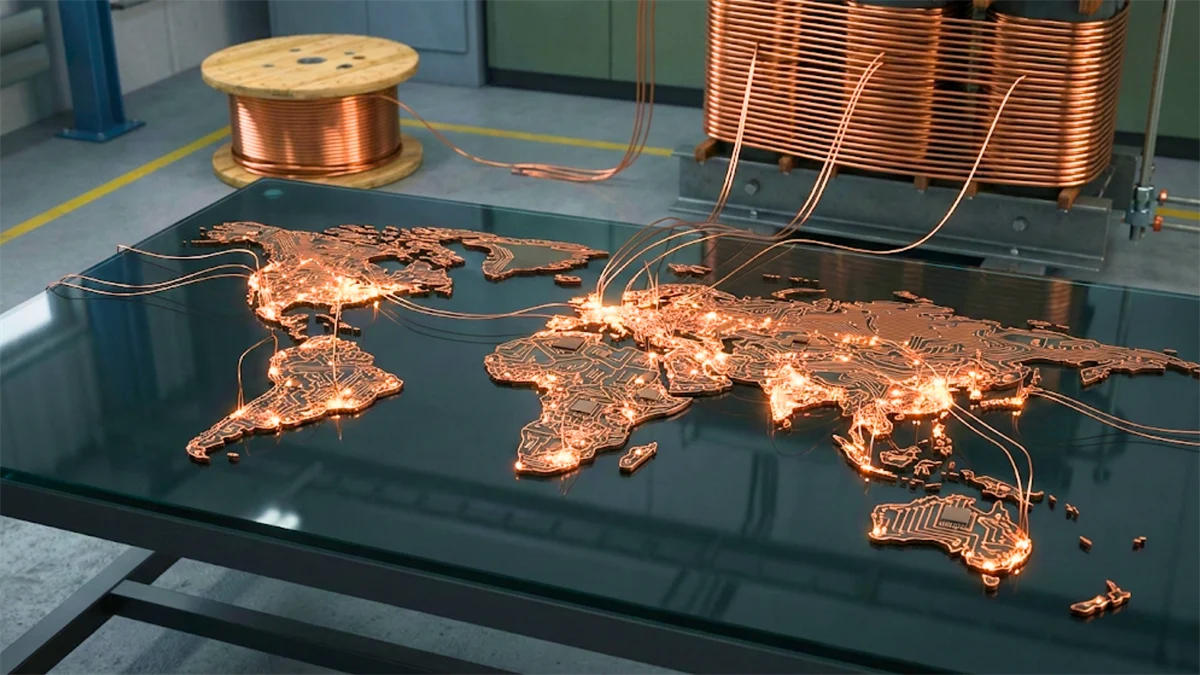
In 2025, gold and silver prices surged dramatically due to Federal Reserve rate cuts and geopolitical fears, while copper, often seen as an economic health indicator, is poised for a significant rally driven by rising demand from AI infrastructure needs and a supply deficit. Investors are considering copper stocks like Freeport-McMoRan and Southern Copper, as well as ETFs like COPX, to capitalize on this potential growth in the upcoming years.
Copper prices are nearing $12,000 per ton in 2025, driven by trade tensions, supply constraints, and strong demand from the energy transition and AI infrastructure, with forecasts suggesting prices could reach $13,000 in 2026 amid ongoing supply stress and production challenges.
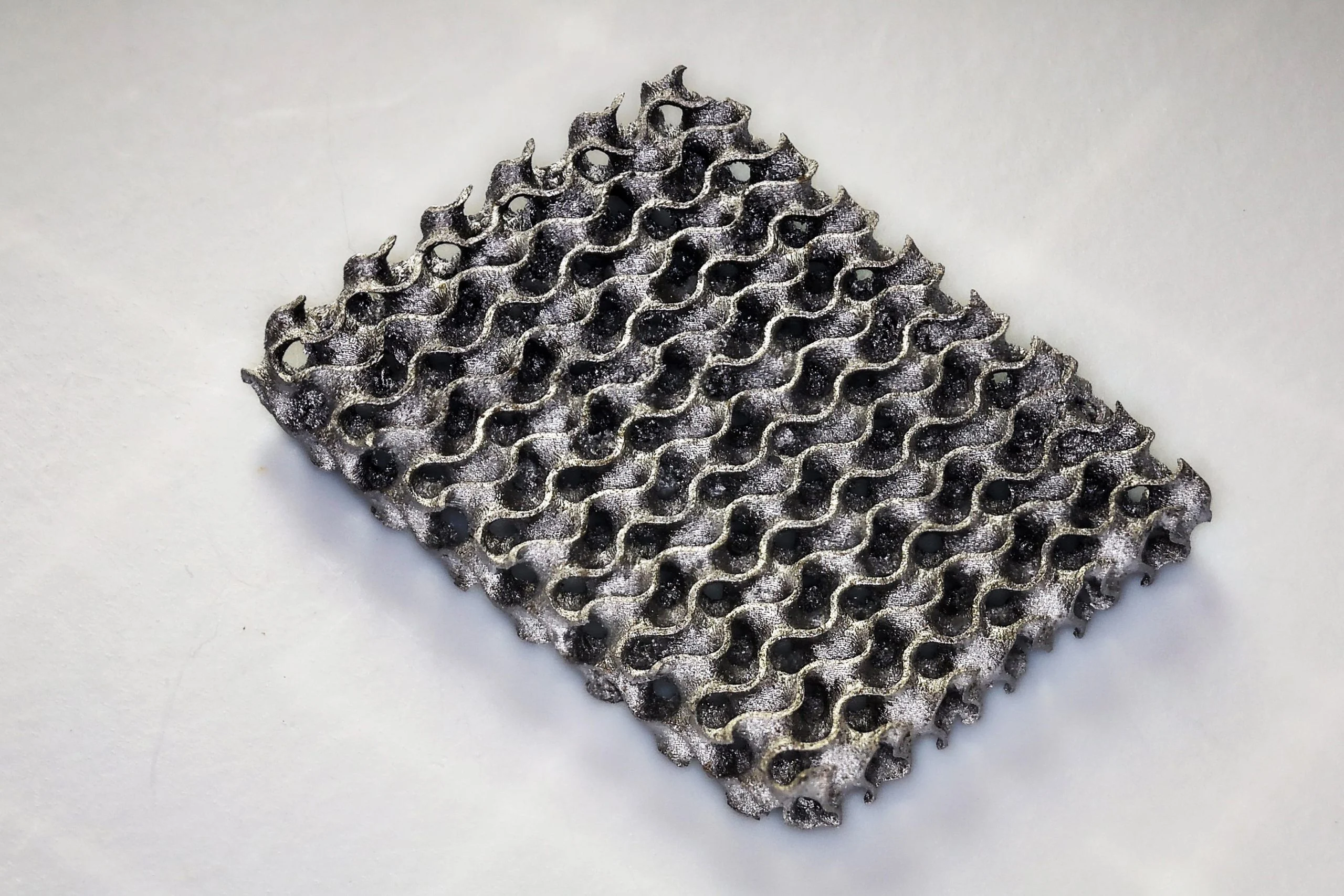
EPFL scientists developed a novel 3D printing method using hydrogels as templates to produce ultra-dense, strong metals and ceramics, which are significantly more durable and less prone to warping than traditional methods, with potential applications in energy, sensors, and biomedicine.
MIT researchers discovered persistent, non-equilibrium atomic patterns in metals produced through conventional manufacturing, challenging previous assumptions that such patterns are insignificant or erased during processing. Using advanced simulations and models, they found that defects called dislocations influence atomic arrangements, which can affect the properties of metals, opening new avenues for material design and engineering applications.
Chemists have expanded the family of 2D materials called MXenes by incorporating a record nine metals into a single structure, opening new possibilities for designing advanced materials with unique properties for applications like batteries and electromagnetic shielding.
Scientists have developed a new laser-based method to detect subtle magnetic effects in common metals like copper, gold, and aluminum, revealing hidden magnetic signals and opening new avenues for advancements in electronics and quantum technologies.
NASA is researching a negative thermal expansion alloy called Alloy 30 that shrinks when heated, to improve the stability of future space telescopes like the Habitable Worlds Observatory, which aims to detect exoplanets by observing faint signals near bright stars. Tests show Alloy 30 can offset the expansion of other materials, potentially enhancing the precision and stability of space instruments critical for exoplanet research.
A recent study reveals that some disposable e-cigarettes emit dangerously high levels of toxic metals like lead and nickel, surpassing traditional cigarettes in toxicity and posing significant health risks, especially to youth. Despite regulatory efforts, these devices remain popular, highlighting the urgent need for stricter enforcement and further research into their health impacts.
A UC Davis study found that disposable e-cigarettes release higher levels of toxic metals like lead, nickel, and antimony than traditional cigarettes, posing significant health risks, especially to teens, and highlighting the need for stricter regulation and further research.
Scientists have discovered a fungus that can incorporate and process gold, potentially revolutionizing mineral detection and extraction on Earth and in space by offering a more environmentally friendly and efficient method, with applications ranging from terrestrial mining to extraterrestrial resource harvesting.