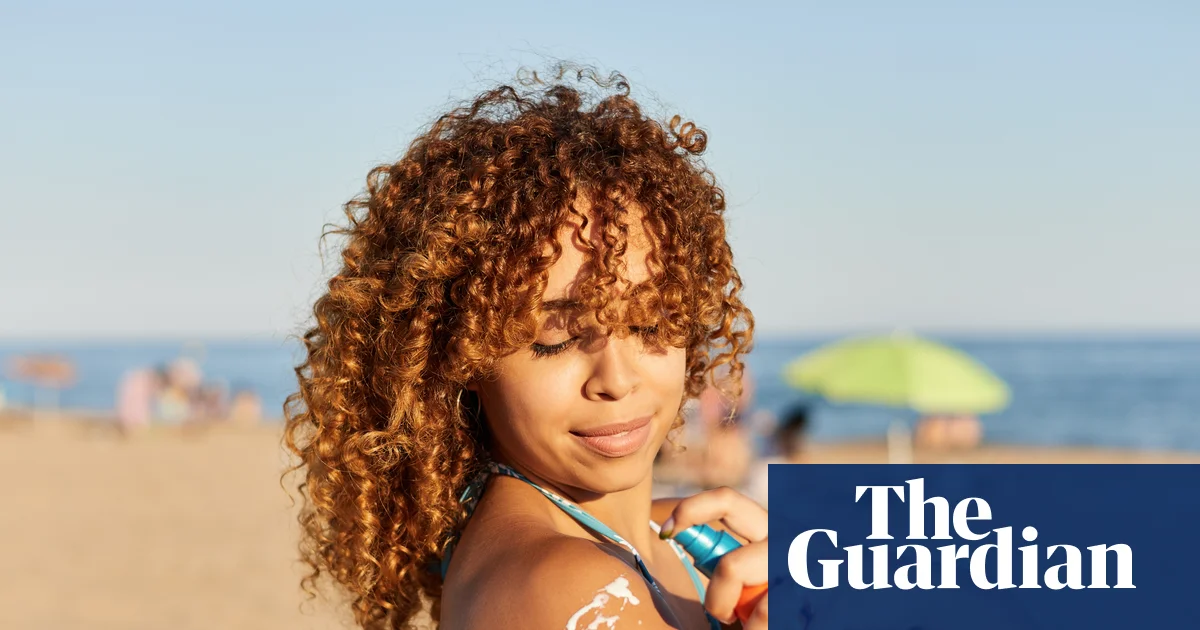
Debunking Sunscreen Myths and Effectiveness
The podcast discusses concerns about the potential toxicity of sunscreen, with expert insights on the current scientific understanding of its safety and tips for protecting skin year-round.

All articles tagged with #skin protection
The podcast discusses concerns about the potential toxicity of sunscreen, with expert insights on the current scientific understanding of its safety and tips for protecting skin year-round.
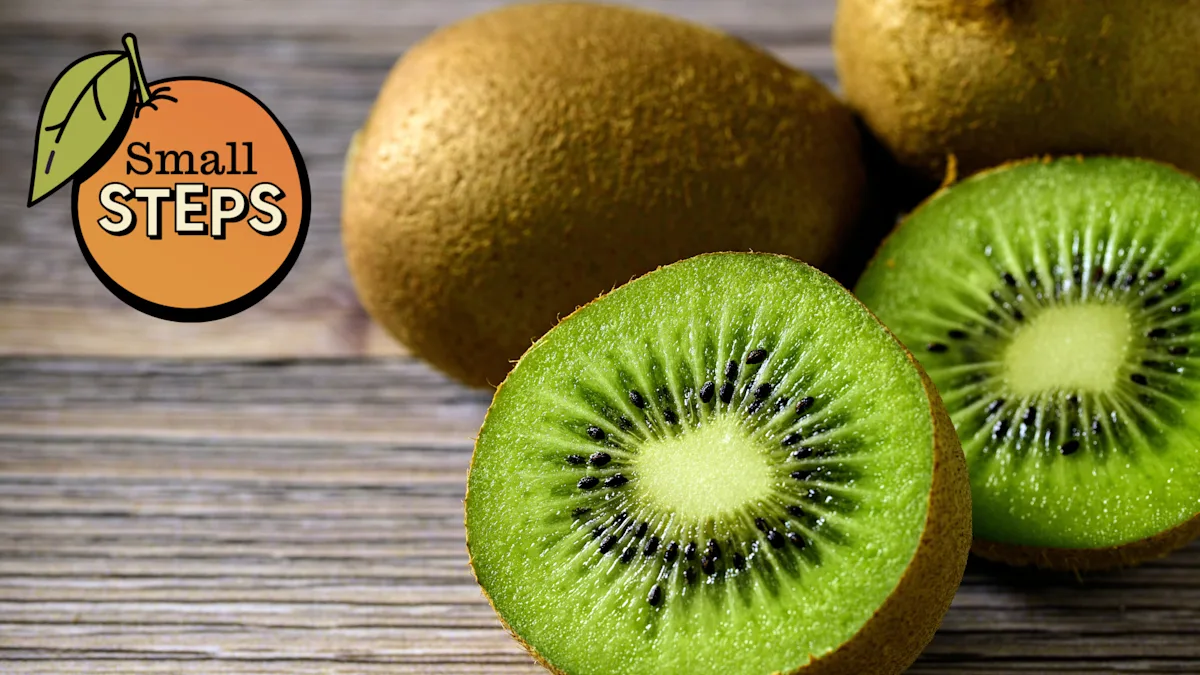
This article offers practical health tips including eating two kiwis daily for digestion, avoiding energy drinks in the afternoon, choosing darker clothing to hide sweat, protecting skin from lime-induced sunburn, and maintaining a balanced diet with Swiss cheese. It also emphasizes staying active, especially during the pandemic's impact on activity levels, and being cautious with medications in the sun.
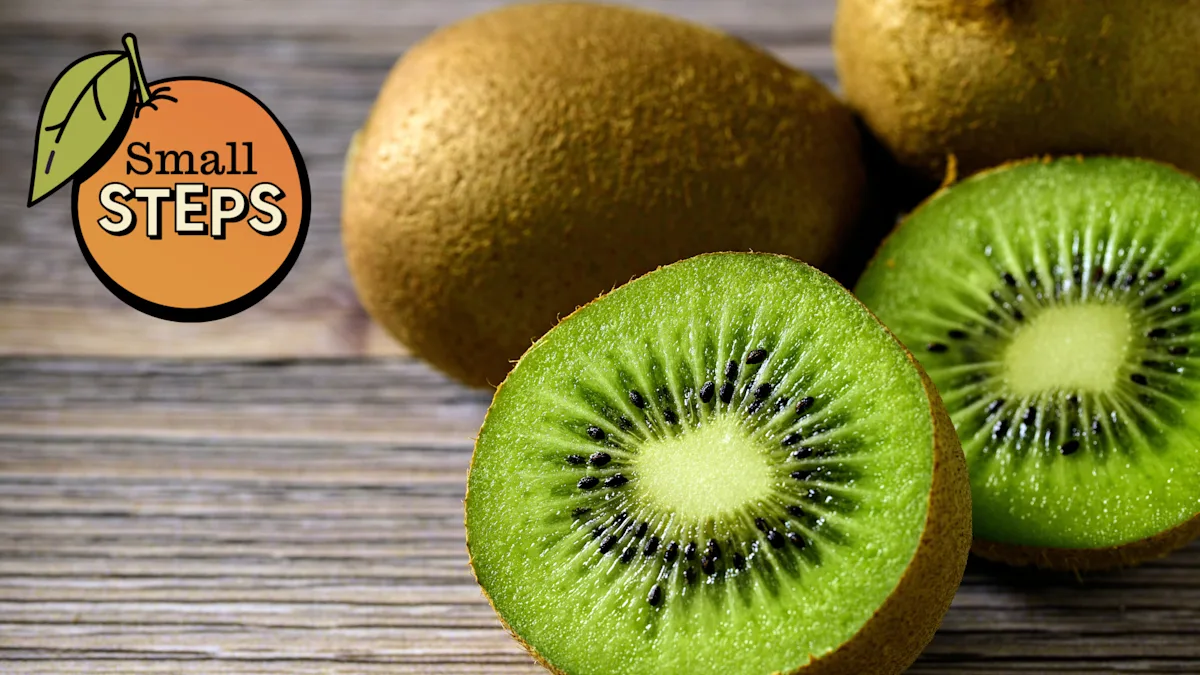
This article offers practical health tips including eating two kiwis daily for digestion, avoiding energy drinks in the afternoon, choosing darker clothing to hide sweat, protecting skin from lime juice sun reactions, and maintaining a balanced diet with Swiss cheese, alongside exercise and sun safety advice for a healthier summer.

Emily Haley shares her experience of discovering she had basal cell carcinoma, a common form of skin cancer, after initially mistaking a suspicious bump for a pimple. She underwent Mohs surgery to remove the cancerous tissue and has since undergone various treatments to improve the appearance of her scar. Her story highlights the importance of skin protection, regular screenings, and early detection, especially for those with a family history or fair skin.
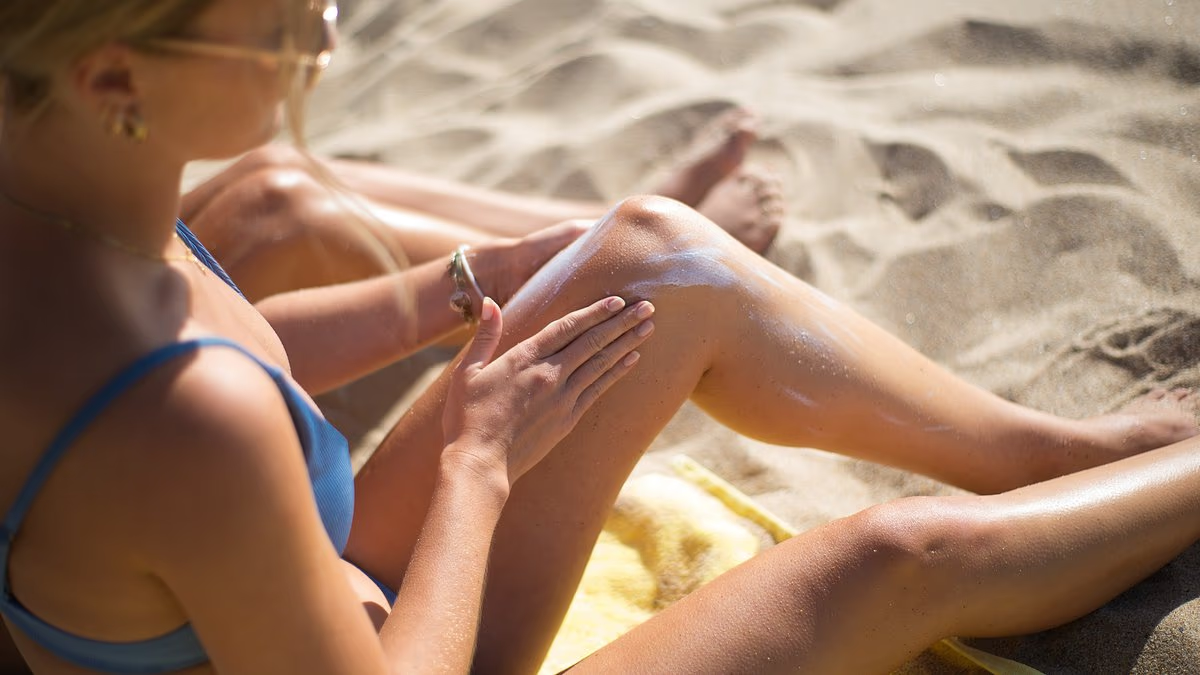
A woman shared her experience of suffering third-degree burns after 8 hours in the sun without sunscreen, highlighting the dangers of sun exposure and the importance of proper skin protection to prevent severe burns and skin damage.
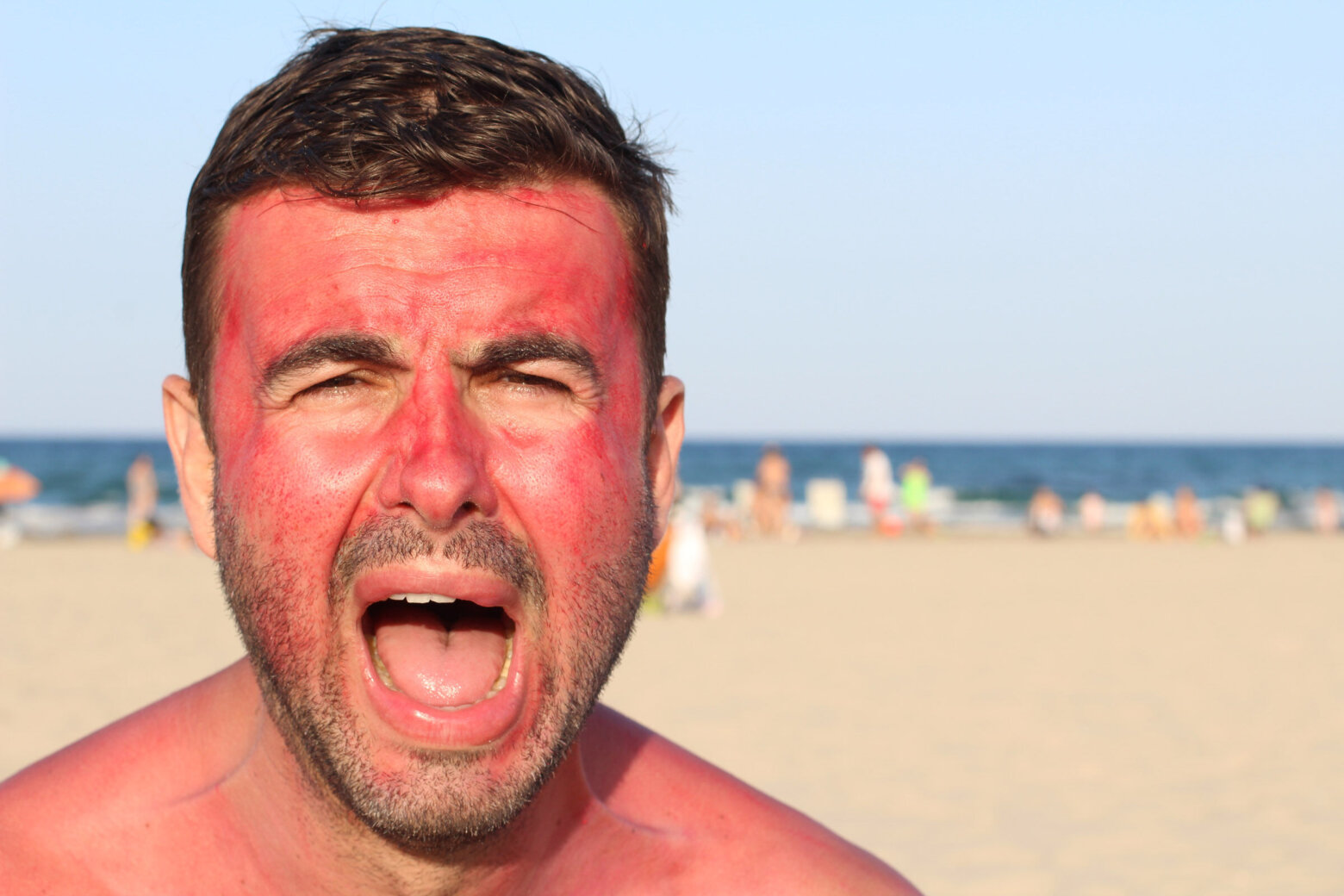
Dr. Adam Friedman, a dermatologist from GW School of Medicine, emphasizes the importance of using sunscreen with SPF 30 or higher and reapplying it every two hours, especially during peak sun hours from 10 a.m. to 2 p.m. He advises using water-resistant sunscreen near water and covering sensitive areas like the eyes, lips, ears, and hands. For spray sunscreens, he recommends applying it like a lotion. If sunburned, use moisturizer on damp skin and take pain relievers like ibuprofen or Tylenol.
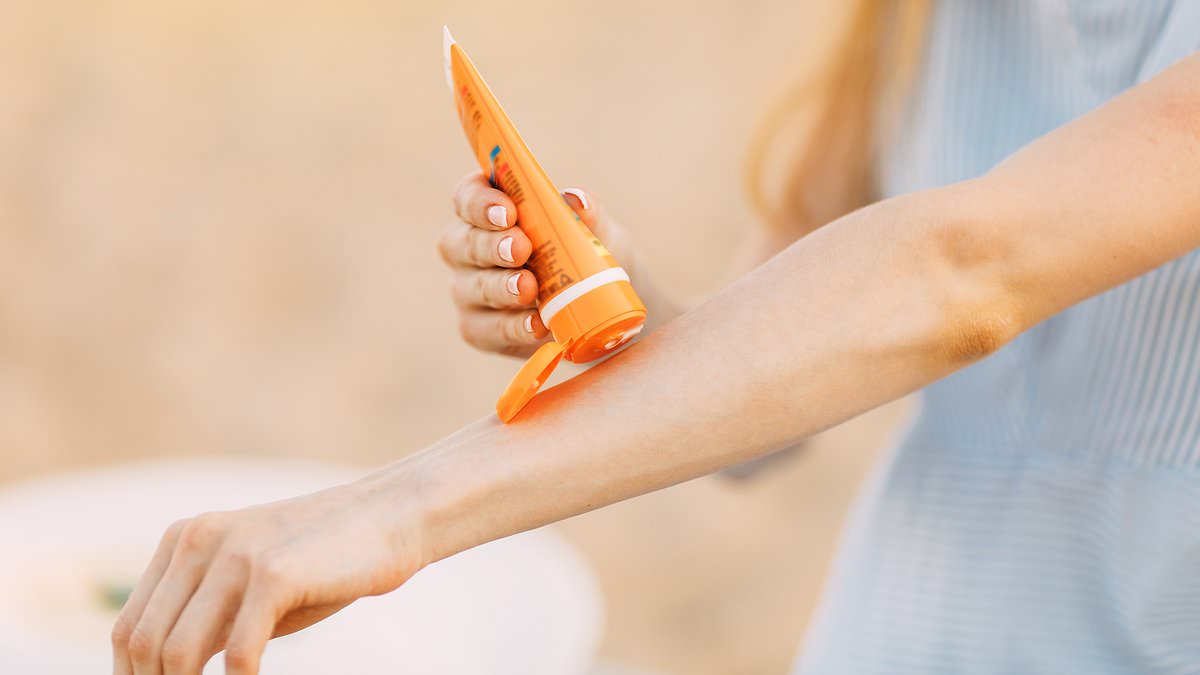
Despite a dangerous trend on TikTok where influencers claim sunscreen contains cancer-causing chemicals and advocate for ditching it, experts stress the importance of sun protection. While some sunscreens have been found to contain benzene, a potential carcinogen, the benefits of using sunscreen far outweigh the risks. Experts recommend using sunscreens with at least 30 SPF and broad-spectrum protection to prevent skin cancer, which is strongly linked to UV exposure.
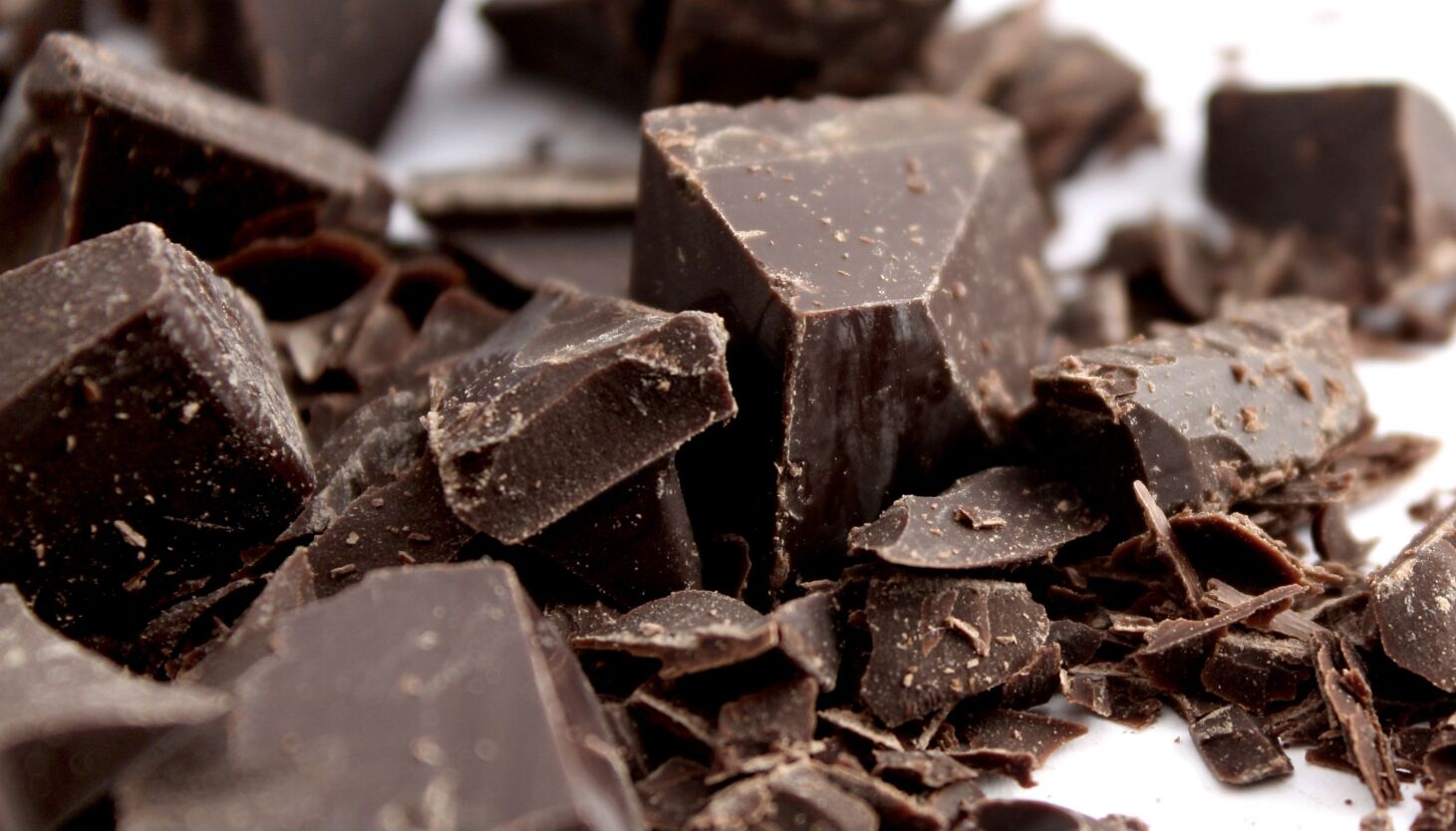
Dark chocolate, considered a superfood, offers numerous health benefits including easing symptoms of depression, reducing the risk of heart disease, protecting the skin from sun damage, and improving brain function. Packed with nutrients like flavanols, iron, fiber, and antioxidants, dark chocolate can lower blood pressure, improve cardiovascular health, and prevent depressive symptoms. It may also increase skin density and hydration, as well as enhance cognitive function and neuroplasticity. However, moderation is key, as excessive consumption may negate these benefits due to higher sugar content.
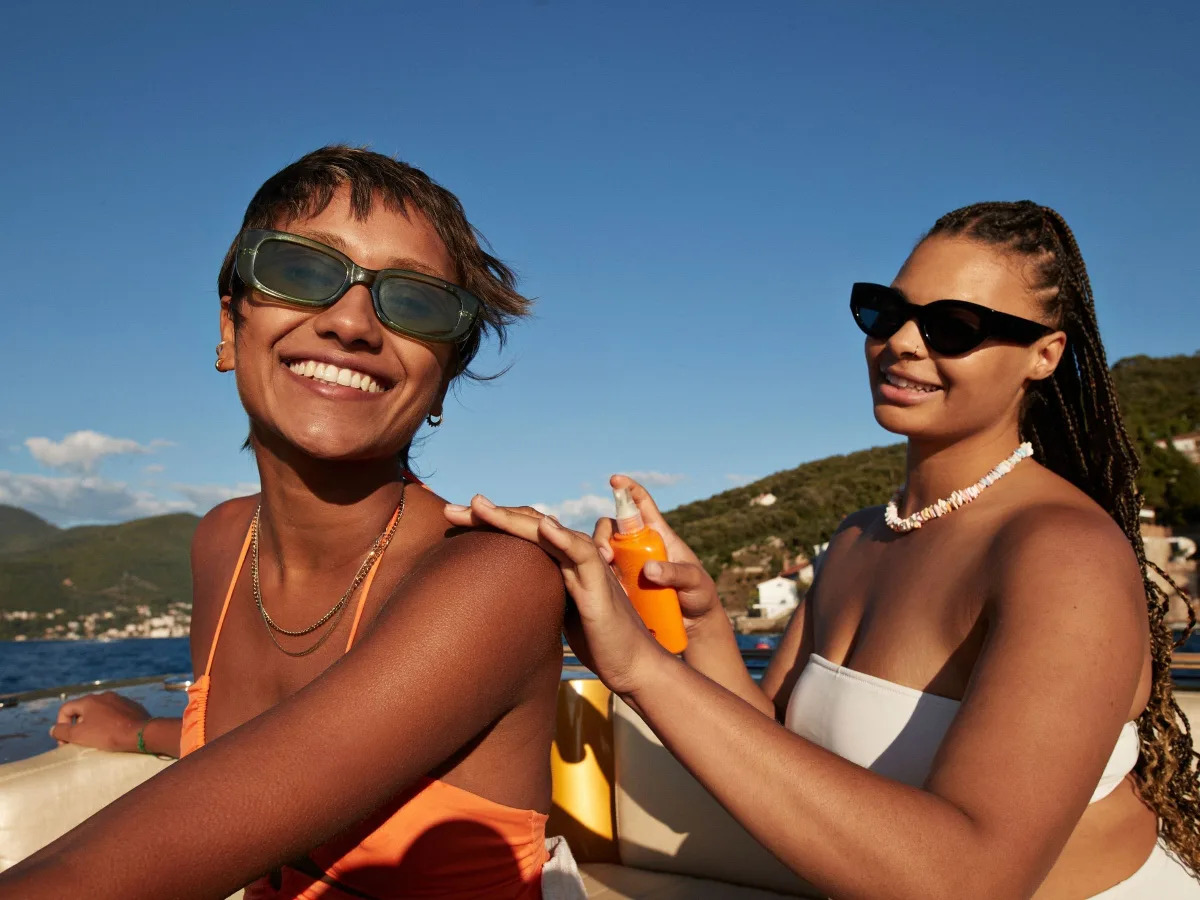
Dermatologists emphasize that wearing sunscreen alone is not enough to protect against the sun's harmful UV rays. Sunscreen should be reapplied every two hours and is only fully effective for two hours after application. Additionally, physical barriers such as tightly woven clothing and wide-brimmed hats are recommended for added protection. US sunscreens may not be as effective against UVA rays, so using sunscreens from countries like France, the UK, and South Korea is advised. Tanning, even with sunscreen, can still damage the skin and increase the risk of skin cancer.
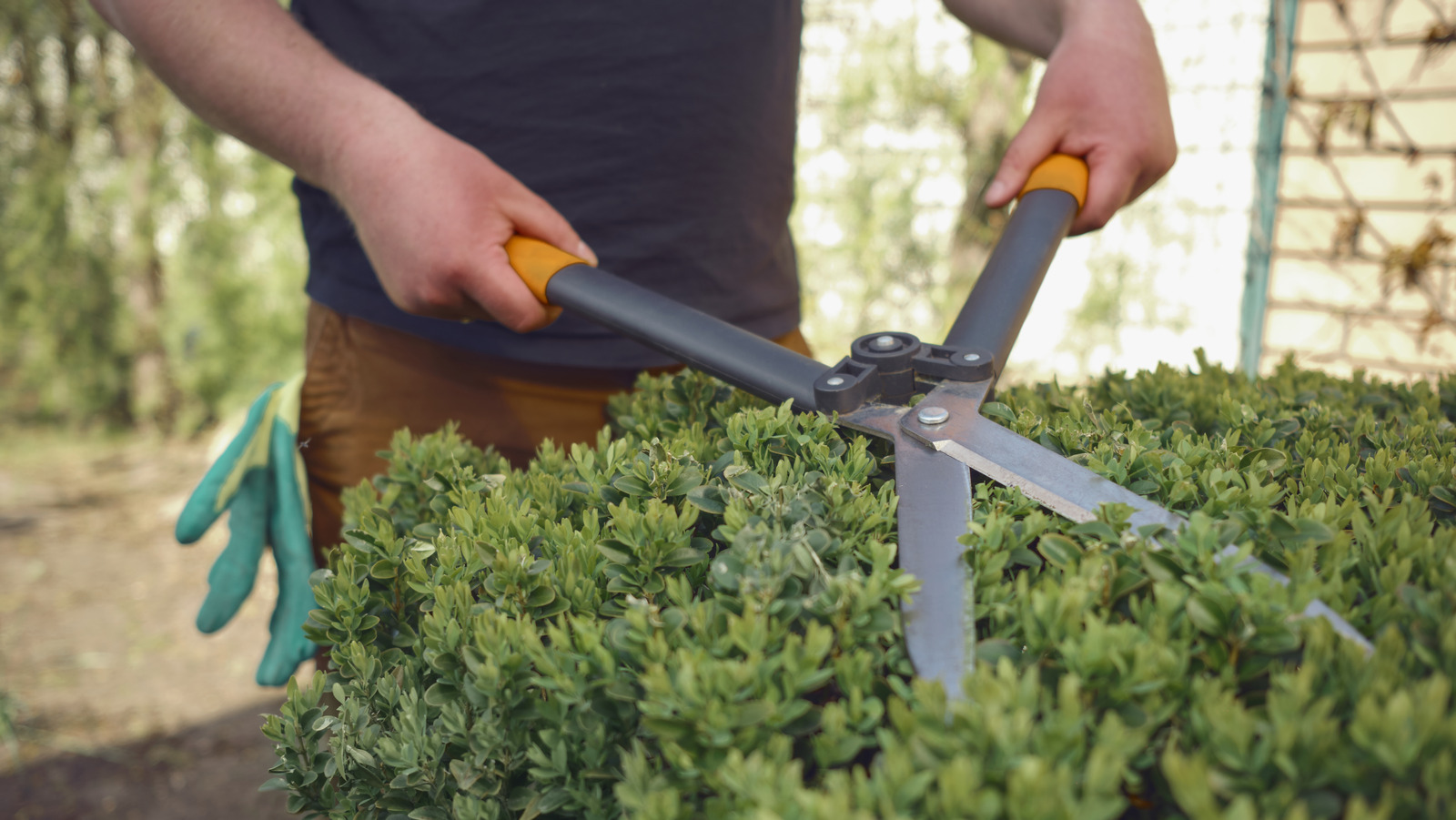
Baby powder, particularly talc-free options like cornstarch-based formulas, can be a useful tool for gardeners to protect their hands from hazards such as blisters and contact dermatitis. Dusting hands with baby powder before gardening can help reduce friction injuries, and it can also be used on tool handles to prevent blisters. Additionally, baby powder can serve as a natural ant repellent and deodorizer for garden shoes.

Many people from minority communities, including those with darker skin tones, are less likely to use sunscreen due to various myths and misconceptions. Some believe that their natural melanin provides enough protection against the sun, while others may rely on DIY remedies or have a lack of knowledge about the importance of SPF. However, experts emphasize that melanin only offers minimal protection, equivalent to an SPF rating of around seven. Lack of education, marketing targeted towards white people, and limited availability of sunscreen products for diverse skin tones contribute to this issue. Accessibility and affordability of sunscreen are also raised as barriers, with calls for the removal of taxes on sunscreen in the UK.

Skincare experts emphasize the importance of applying sunscreen correctly and frequently to protect against harmful UV rays. Reapply every two hours, especially when swimming or sweating, and use a minimum of SPF 15 for indoor exposure and SPF 30 or higher for extended outdoor exposure or fair skin. Allow sunscreen to dry for 15 to 30 minutes before sun exposure and apply enough to cover all exposed areas. Additionally, consider using wide-brimmed hats, protective clothing, and sunglasses with UV protection for added sun safety.
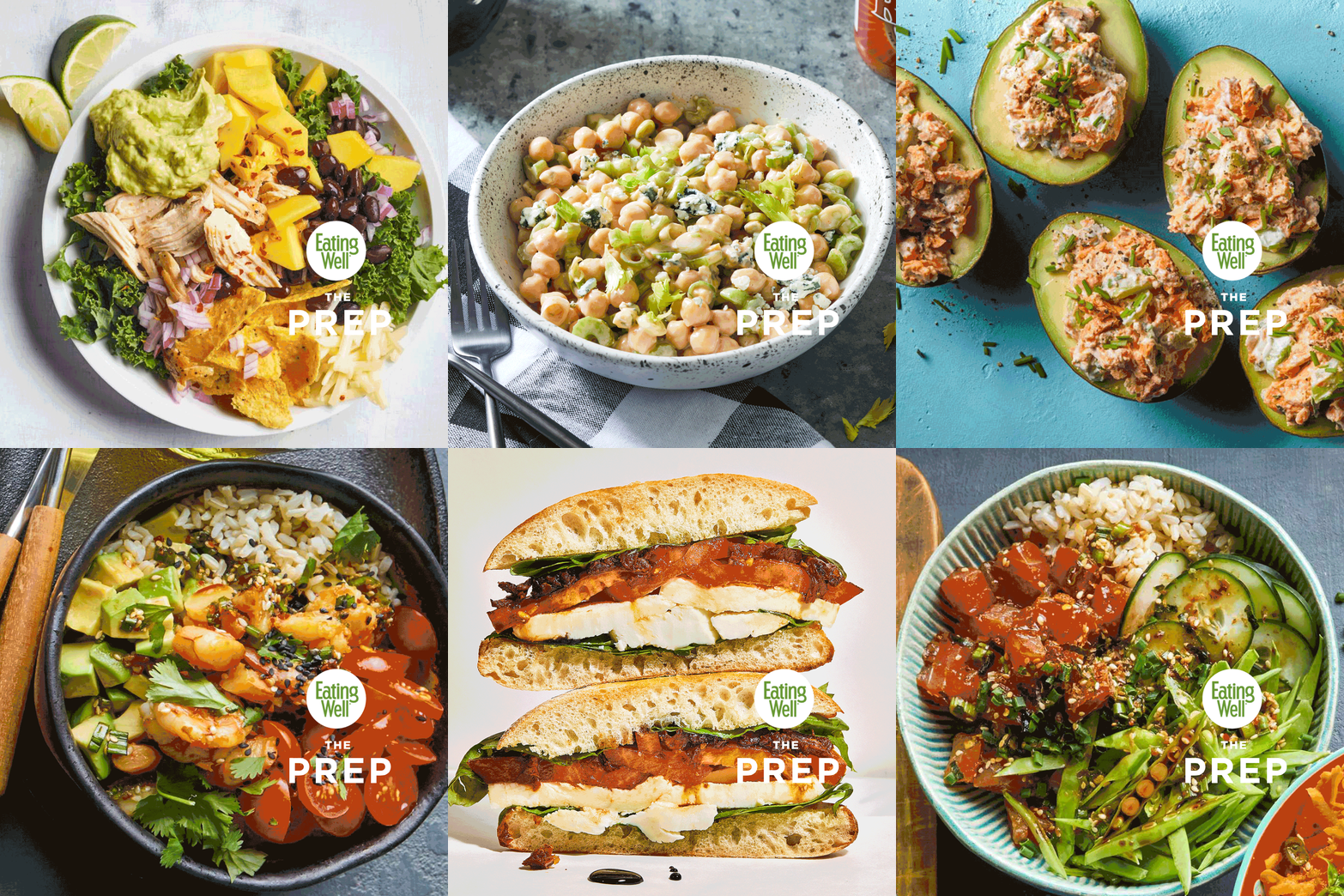
This article provides a weekly meal plan consisting of easy, no-cook dinners packed with antioxidants to help protect the skin from sun damage. The meals include Salmon-Stuffed Avocados, Chicken & Kale Taco Salad, Buffalo Chickpea Salad, Brown Rice Shrimp Bowl, Caprese Sandwich, and Tuna Poke. Additionally, the article shares a recipe for Peanut Butter-Oat Energy Balls, a satisfying snack packed with fiber and healthy fats. The author also discusses the importance of maintaining stable cholesterol levels for better health and provides tips on incorporating high-fiber foods into the diet.
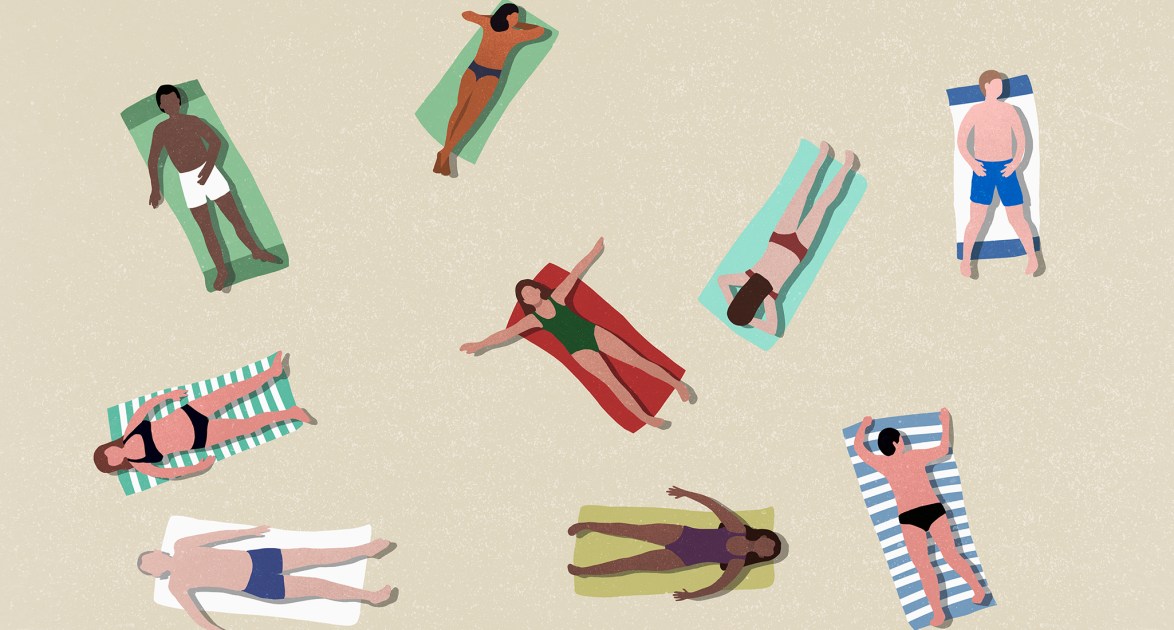
Wearing sunscreen can significantly reduce tanning but won't prevent it completely. When skin is exposed to excess sunlight, it produces more melanin to protect itself, resulting in a tan. Sunscreens work by either physically blocking or absorbing UV rays. Both types are effective, but physical sunscreens may be better for sensitive skin. Regardless of the type, it's important to choose a broad-spectrum sunscreen that protects against UVA and UVB rays. Tanning intentionally is not recommended due to the increased risk of skin cancer and premature aging. The safest way to tan is to use self-tanners.
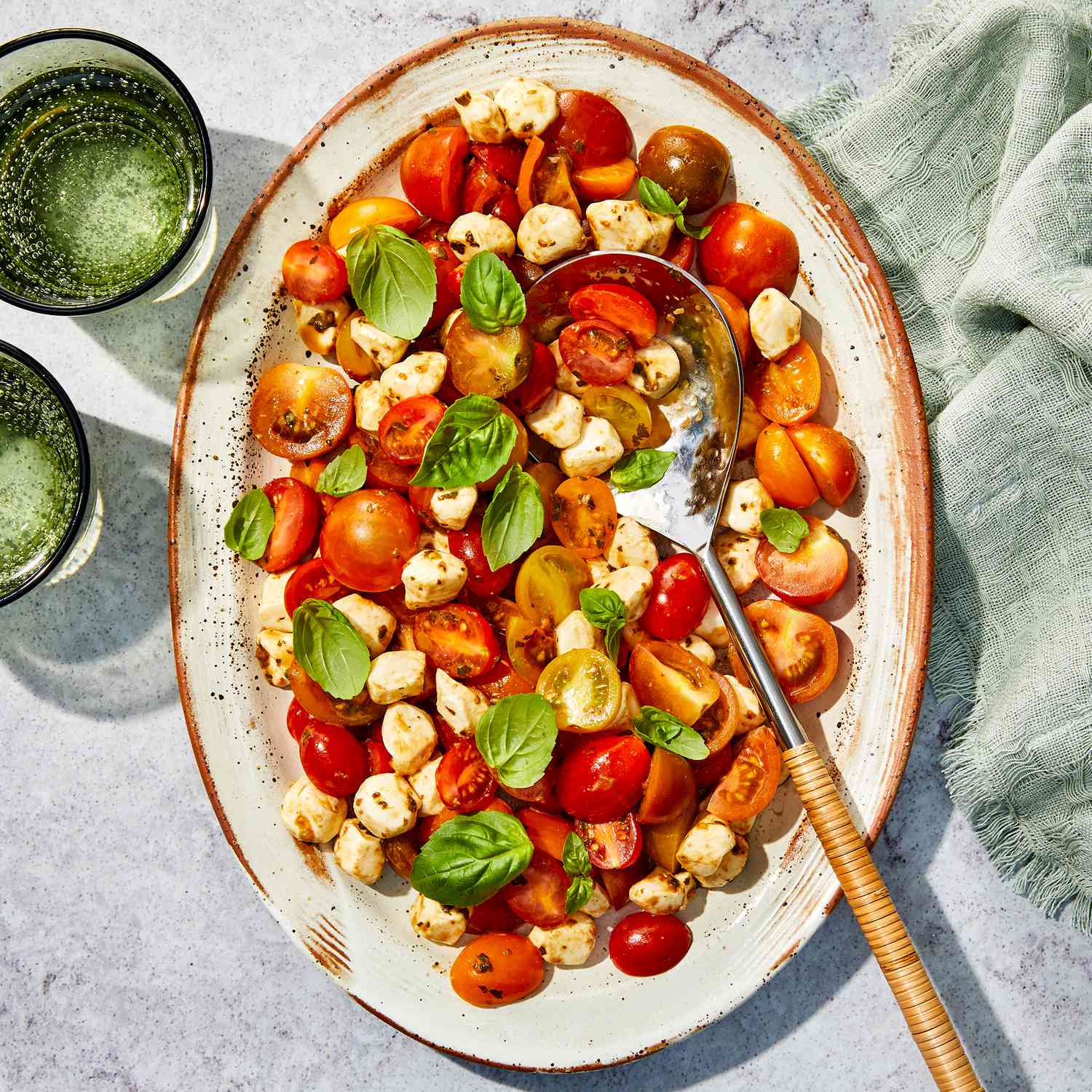
Consuming a variety of antioxidant-rich foods can help protect your skin from sun damage. Tomatoes, sweet potatoes, almonds, salmon, and red grapes are some of the best sources of sun-shielding antioxidants. Eating during the day is important as it maintains the integrity of your skin and protects it from the midday sun.