Tag

Symbiosis

All articles tagged with #symbiosis

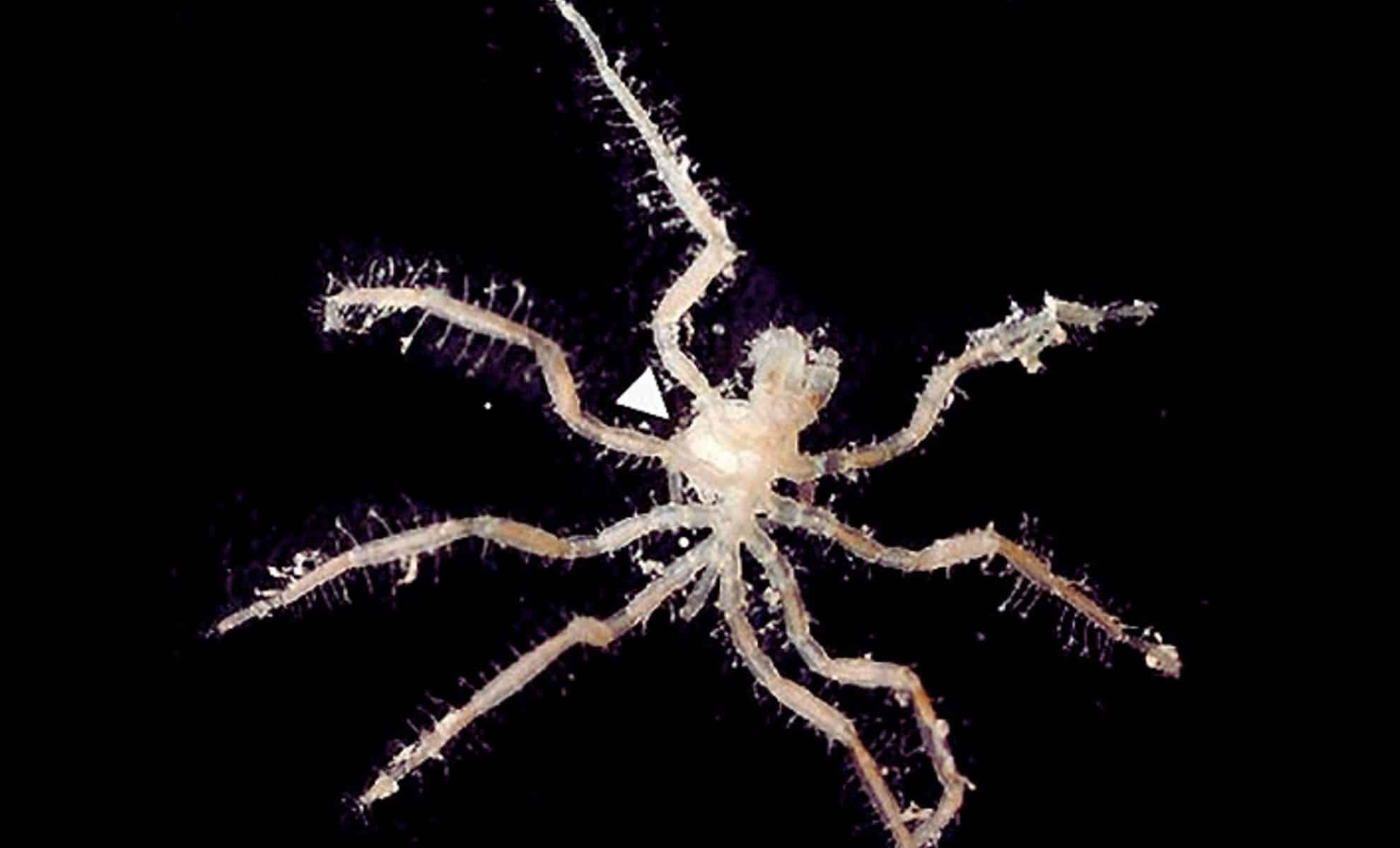
Sea Spiders Thrive in Darkness, Feed on Ocean Floor Methane

Originally Published 5 months ago — by Indian Defence Review

Featured image for Sea Spiders Thrive in Darkness, Feed on Ocean Floor Methane
Source: Indian Defence Review

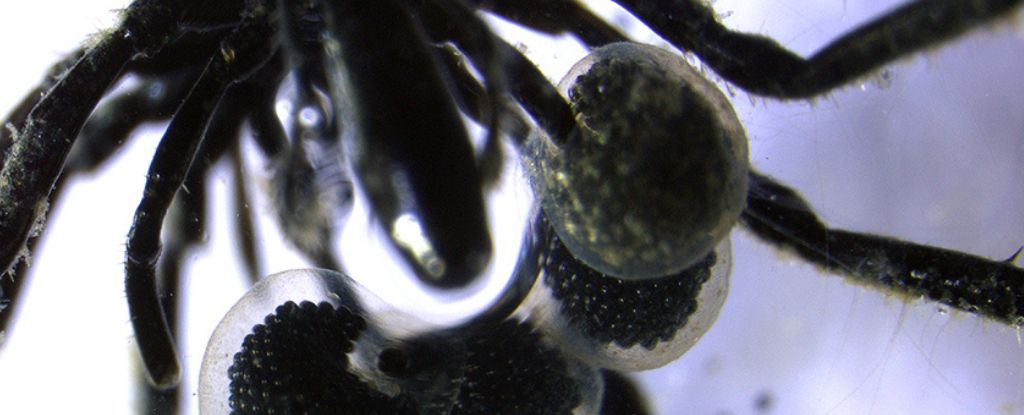
Scientists have discovered that sea spiders in deep California methane seeps thrive by cultivating and grazing on methane-consuming bacteria on their bodies, revealing a unique survival strategy and potential role in reducing methane emissions, with implications for understanding deep-sea microbial ecosystems and climate change mitigation.

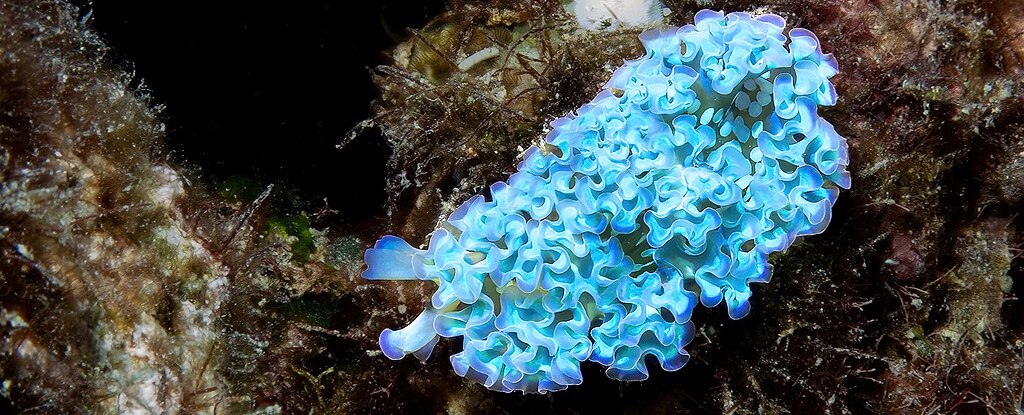
Sea Slugs Acquire Powers by Stealing Body Parts from Prey

Originally Published 6 months ago — by ScienceAlert

Featured image for Sea Slugs Acquire Powers by Stealing Body Parts from Prey
Source: ScienceAlert

Sea slugs of the species Elysia crispata can steal and utilize chloroplasts from algae to generate energy from sunlight, a process called kleptoplasty, which may serve multiple functions like energy production, camouflage, or defense, revealing complex biological interactions and potential insights into symbiosis and evolution.

Deep Sea 'Spiders' Discovered Using Bacteria to Consume Methane

Originally Published 6 months ago — by ScienceAlert

Featured image for Deep Sea 'Spiders' Discovered Using Bacteria to Consume Methane
Source: ScienceAlert

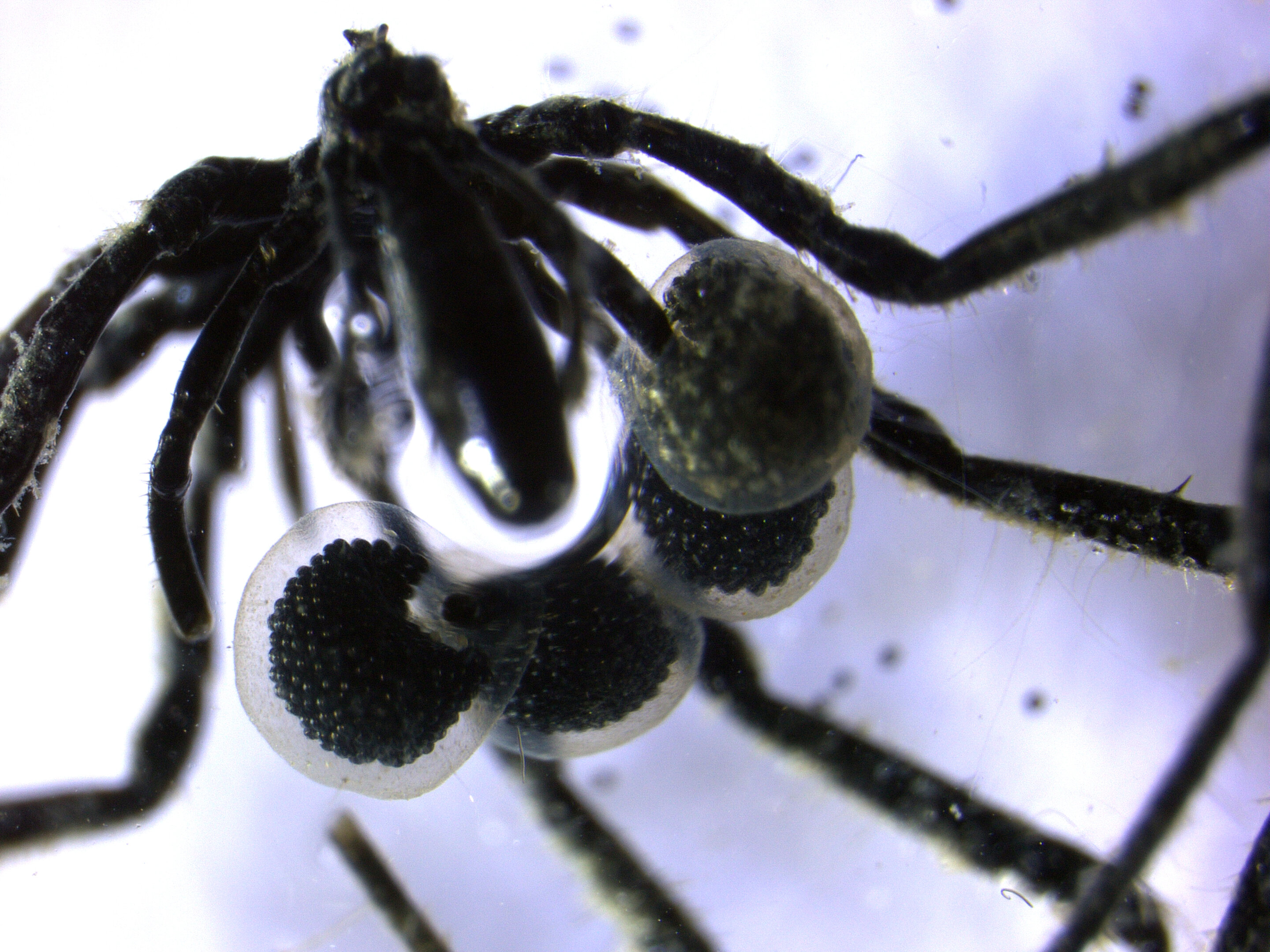
Scientists discovered three new species of deep-sea 'spiders' that farm methane-eating bacteria on their bodies, relying on these bacteria for food in the dark, methane-rich environments of ocean seeps, with evidence suggesting bacteria are passed down generations, highlighting unique survival strategies in the deep ocean.

Newly Found Symbionts Reveal Unexpected Metabolic Abilities

Originally Published 1 year ago — by Phys.org

Featured image for Newly Found Symbionts Reveal Unexpected Metabolic Abilities
Source: Phys.org

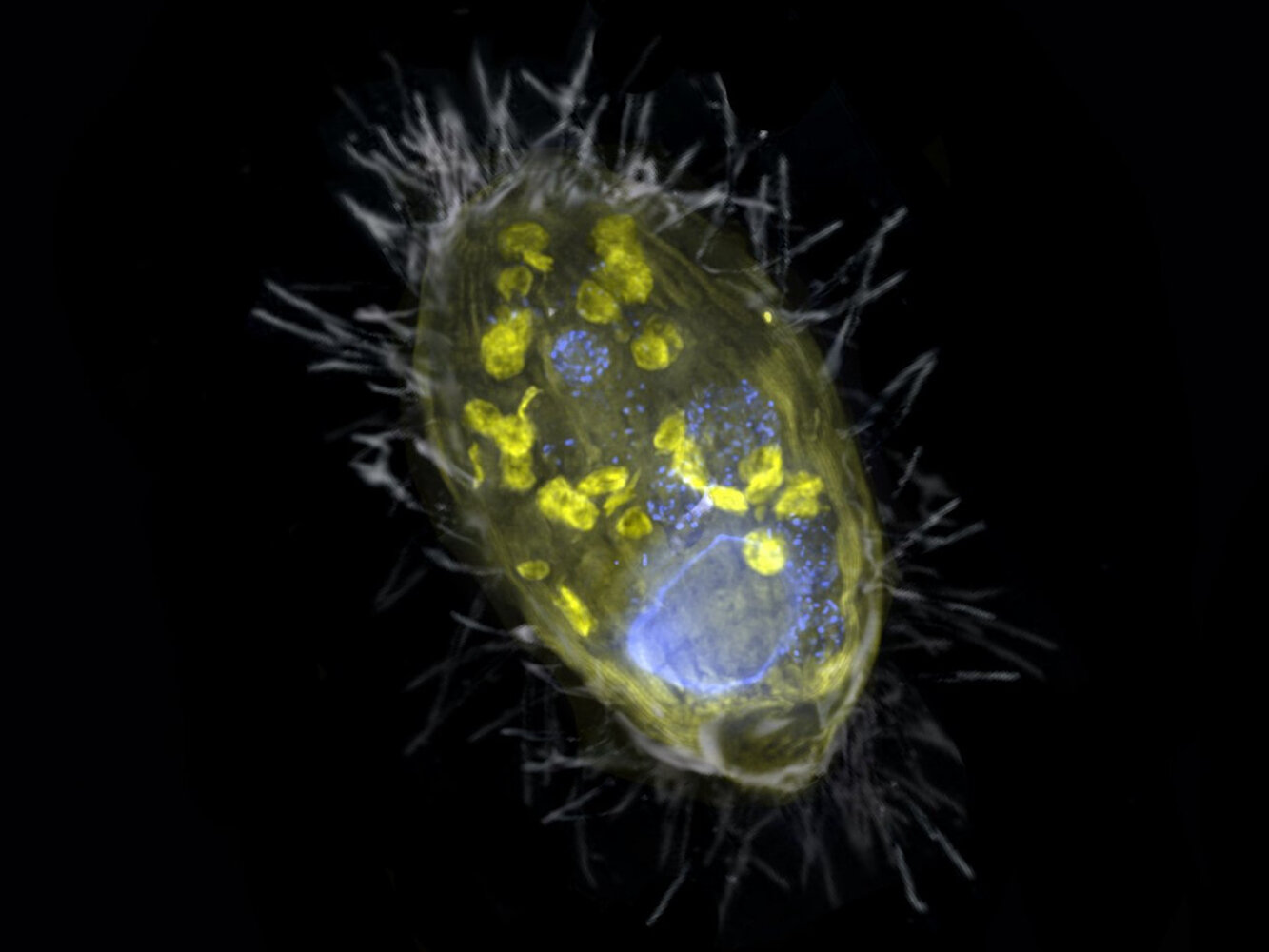
Scientists at the Max Planck Institute for Marine Microbiology have discovered new mitochondria-like symbionts that live inside ciliates and perform unique metabolic functions, including nitrate respiration. These symbionts, found globally in various environments, have expanded to include new species capable of both anaerobic and aerobic respiration. This discovery has significant implications for understanding microbial evolution and the nitrogen cycle, as these symbionts can impact nutrient removal and greenhouse gas production.

Heart Cockles' Shell Windows Illuminate Symbiotic Algae

Originally Published 1 year ago — by Phys.org

Featured image for Heart Cockles' Shell Windows Illuminate Symbiotic Algae
Source: Phys.org

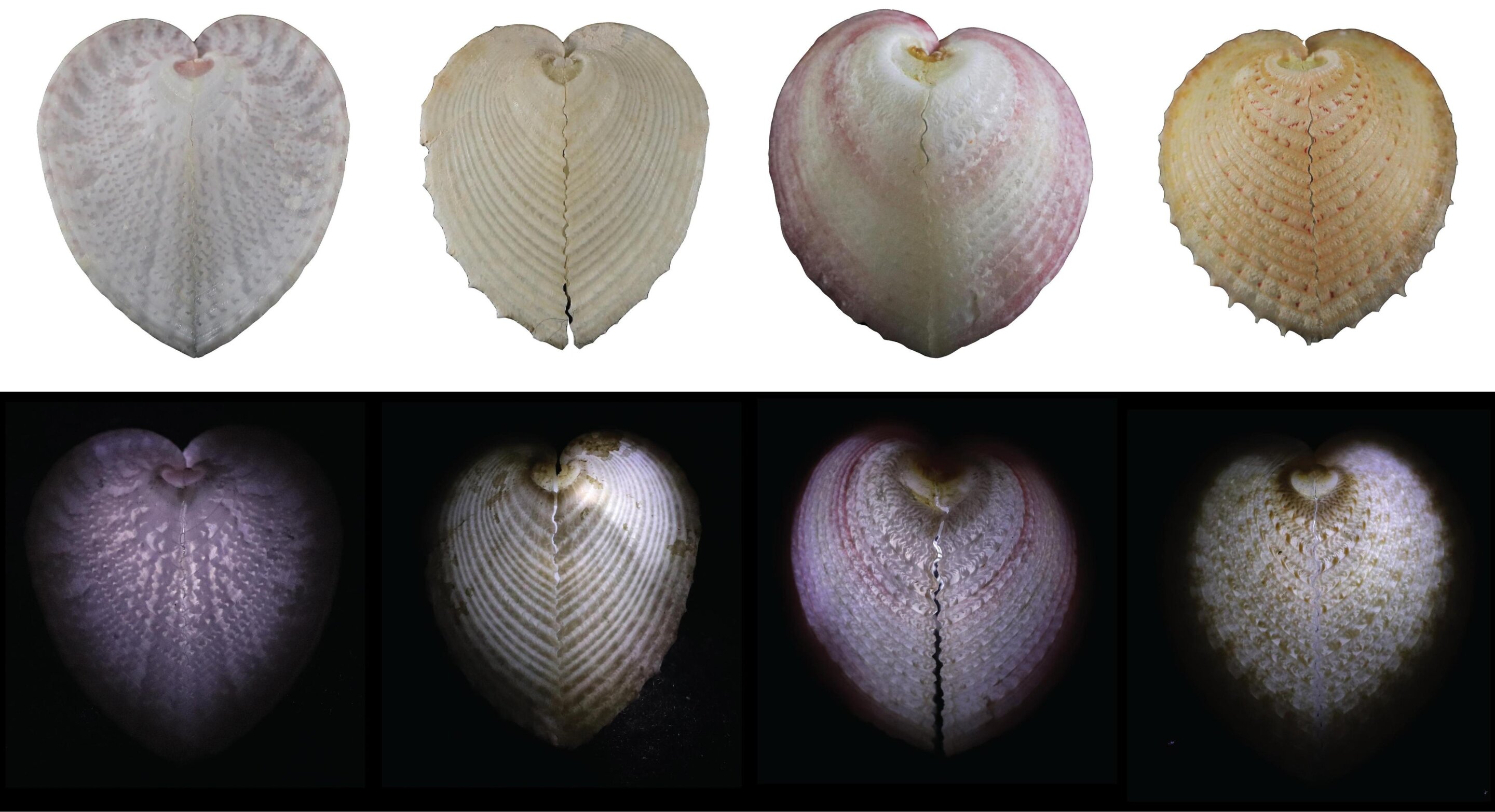
Researchers from the University of Chicago, Stanford, and Duke have discovered that heart cockles, a type of bivalve mollusk, have transparent windows in their shells that allow light to reach symbiotic algae living inside. These windows, made from aragonite, focus light using bundled fiber optic structures, enhancing photosynthesis while blocking harmful UV rays. This natural design could inspire more cost-effective artificial fiber optic cables. The study was published in Nature Communications.

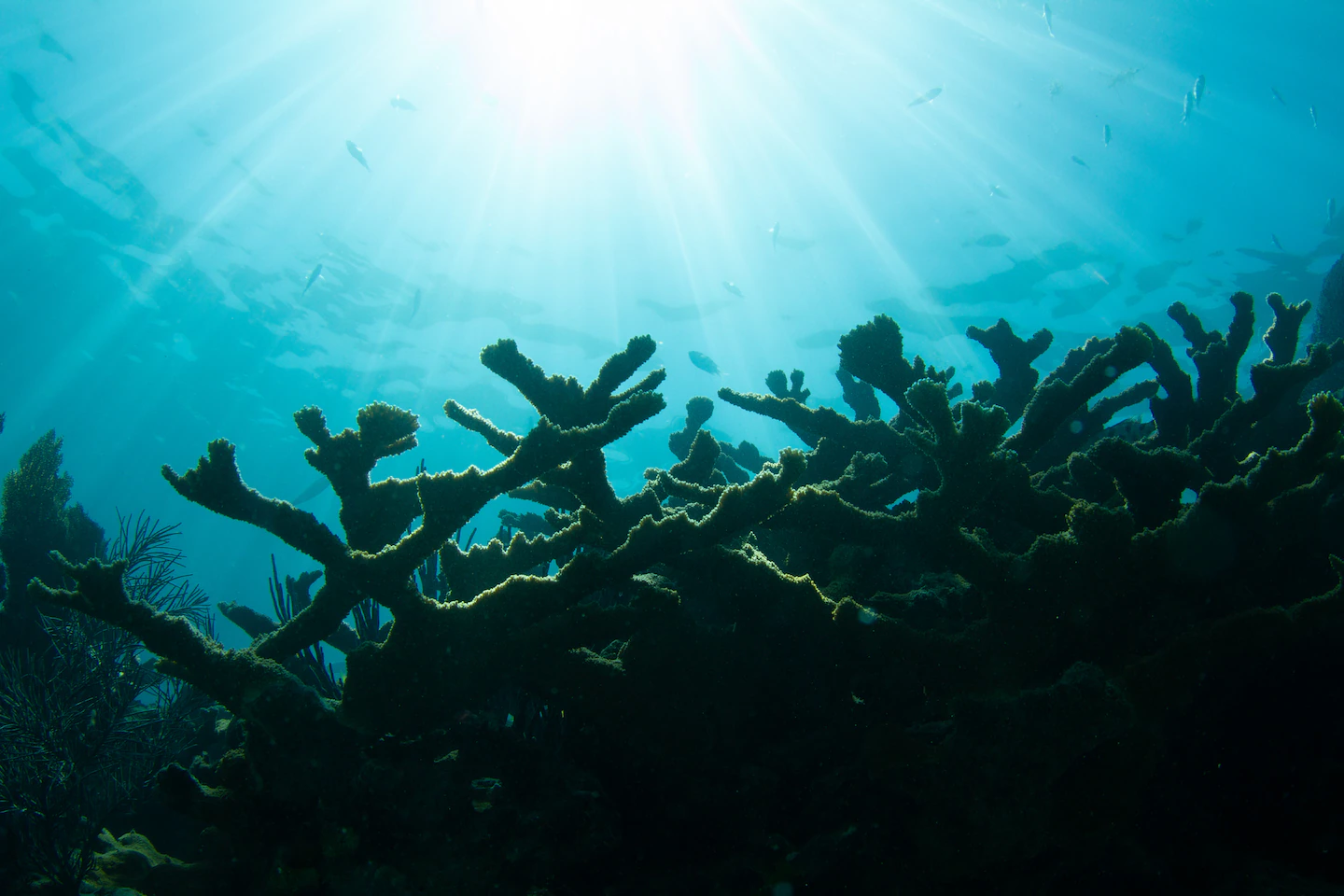
Unusual Bacteria Found in Deep-Sea Coral

Originally Published 1 year ago — by The Washington Post

Featured image for Unusual Bacteria Found in Deep-Sea Coral
Source: The Washington Post

Scientists have discovered two new species of bacteria, Oceanoplasma callogorgiae and Thalassoplasma callogorgiae, in deep-sea coral in the Gulf of Mexico. These mollicutes have extremely small genomes, with only 359 and 385 protein-encoding genes, compared to the average bacterium's 3,000. They survive symbiotically in the coral's mesoglea, obtaining energy from an amino acid rather than carbohydrates. The discovery highlights the minimal genetic requirements for cellular life and introduces a new bacterial family, Oceanoplasmataceae.

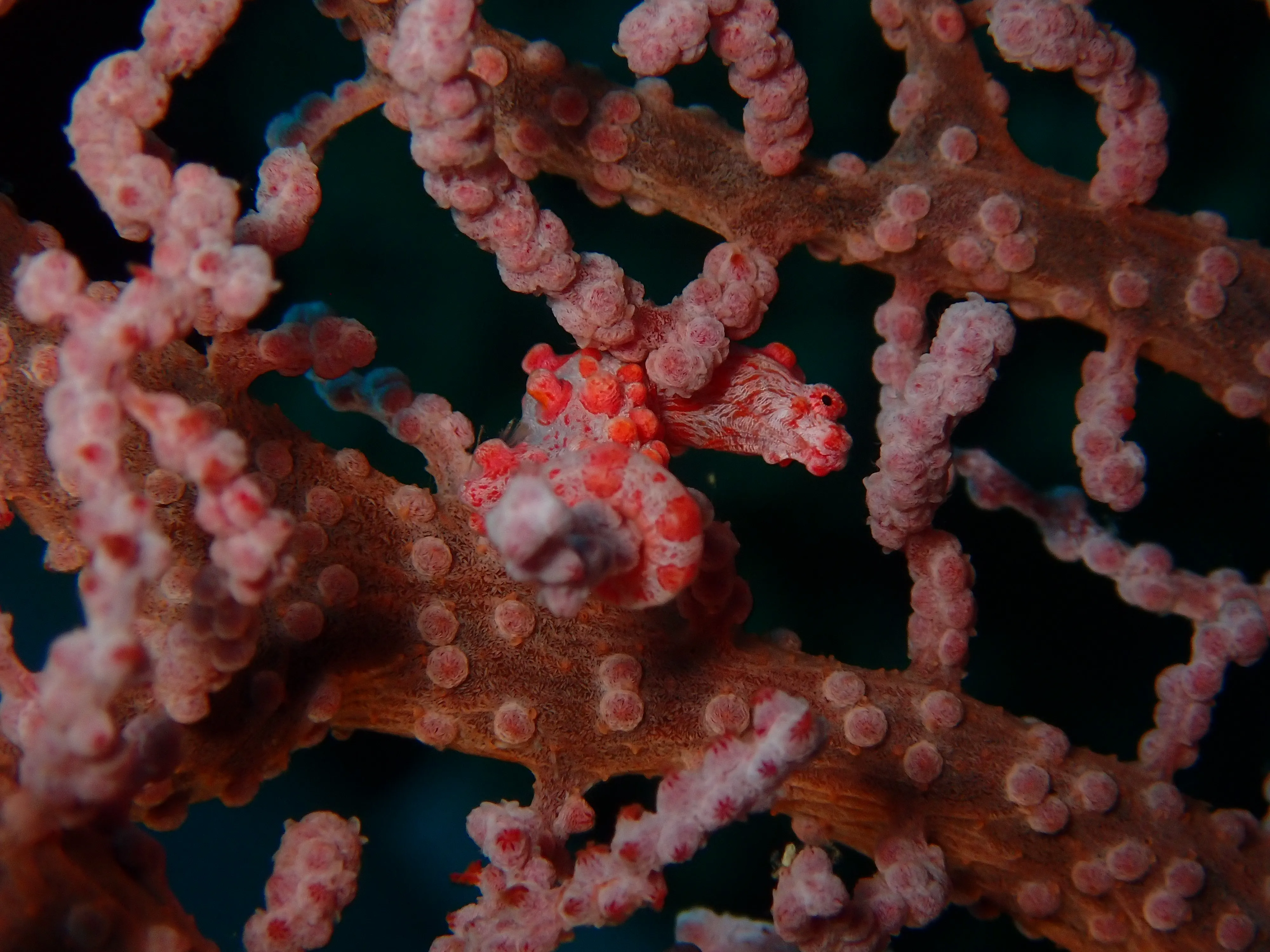
Tiny Seahorse Unveils Hidden Worm Species

Originally Published 1 year ago — by Defector

Featured image for Tiny Seahorse Unveils Hidden Worm Species
Source: Defector

Researchers at the University of the Ryukyus in Okinawa, Japan, have rediscovered a long-lost species of polychaete worm, Haplosyllis anthogorgicola, while studying pygmy seahorses. These tiny, translucent worms live in coral burrows and were last recorded in 1956. The discovery highlights the complex symbiotic relationships between the worms, seahorses, and corals, and suggests that the worms may clean the coral by consuming leftover food. The study underscores the importance of examining species interactions within their ecosystems and the potential for citizen science platforms like iNaturalist to aid in such discoveries.

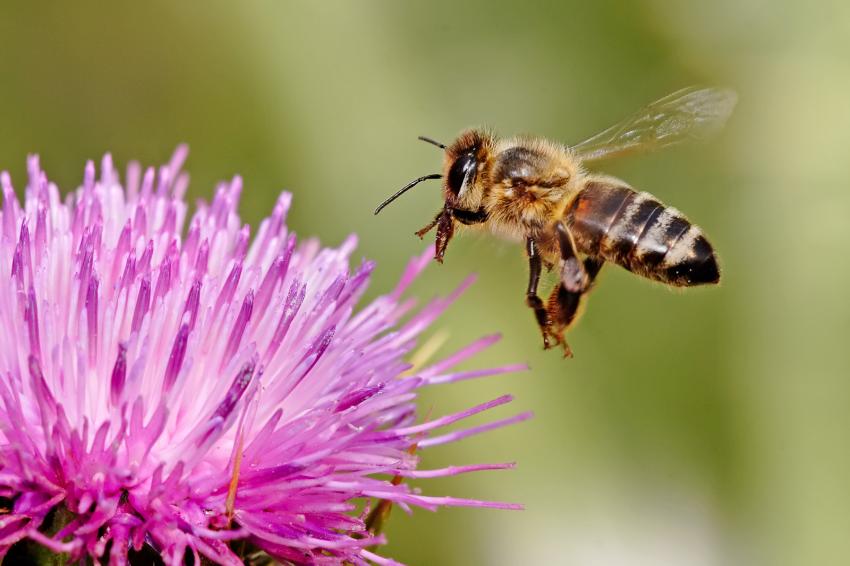
"Western Honey Bees: Synthesizing Nutrients for Gut Microbiota"

Originally Published 2 years ago — by Phys.org

Featured image for "Western Honey Bees: Synthesizing Nutrients for Gut Microbiota"
Source: Phys.org

A study on the western honey bee reveals that it synthesizes food for its intestinal bacteria, particularly the symbiont Snodgrassella alvi, by producing organic acids that are exported into the gut. This intricate metabolic synergy between the bee and its gut microbiota could explain the bee's specialized and conserved gut microbiota and may play a role in their vulnerability to climate change, pesticides, and new pathogens. The findings shed light on the importance of host-derived compounds in gut colonization and could have implications for understanding and addressing bee health challenges.

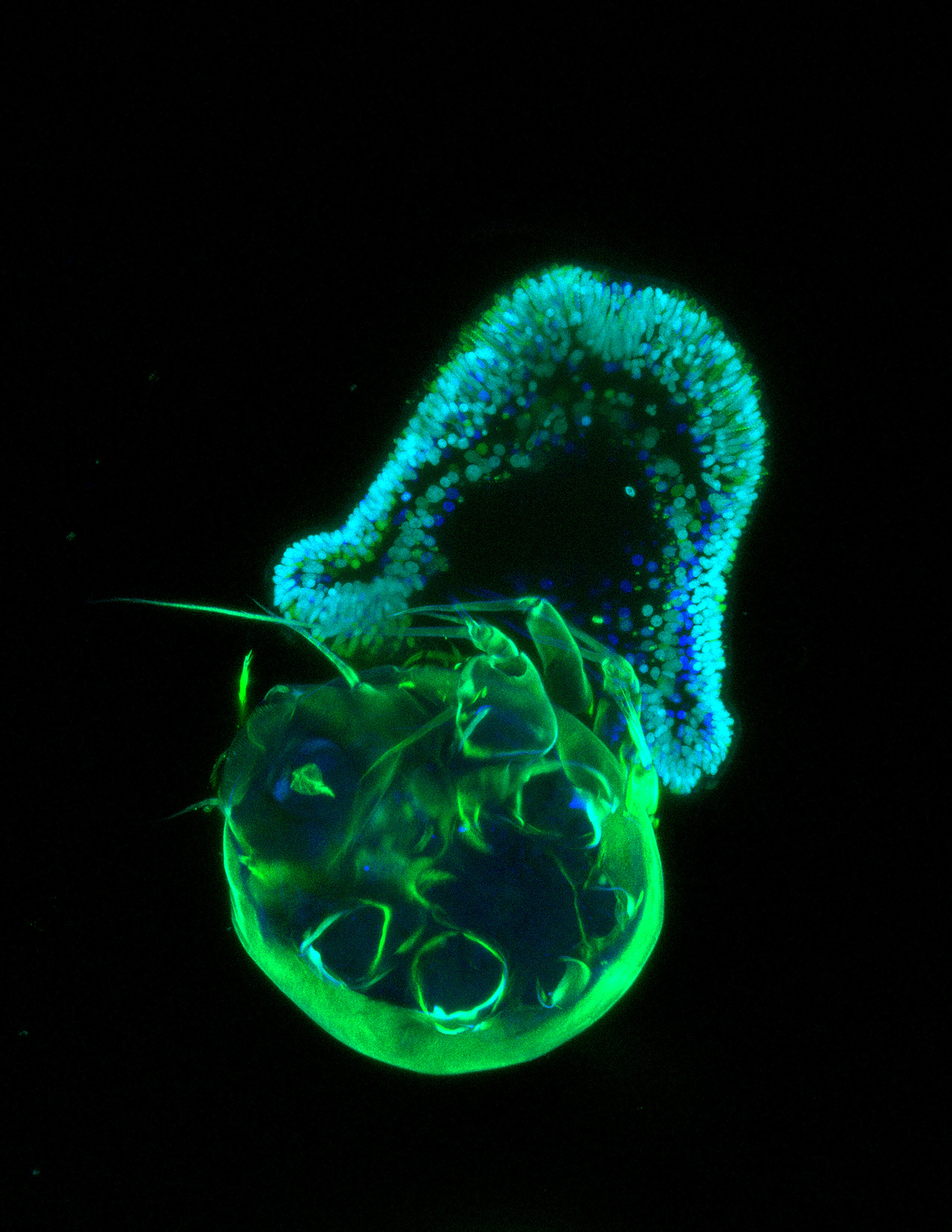
"The Origins of Animal Evolution: Tracing the Path of Predatory Lifestyles"

Originally Published 2 years ago — by Phys.org

Featured image for "The Origins of Animal Evolution: Tracing the Path of Predatory Lifestyles"
Source: Phys.org

Research on the development of sea anemones suggests that a predatory lifestyle played a significant role in their evolution and the origin of their nervous system. The study found that the larvae of the sea anemone Aiptasia actively feed on living prey using specialized stinging cells and a simple neuronal network. This challenges the idea that the first animals were filter feeders like sponges. The research also sheds light on the importance of nutrition in closing the life cycle of sea anemones and provides a breakthrough for studying endosymbiosis in corals. The findings suggest that the predatory lifestyle of early multicellular organisms may have driven the evolution of complex nervous systems.

Cracking Darwin's Paradox: Corals' Vegetarian Side Unveiled

Originally Published 2 years ago — by SciTechDaily

Featured image for Cracking Darwin's Paradox: Corals' Vegetarian Side Unveiled
Source: SciTechDaily

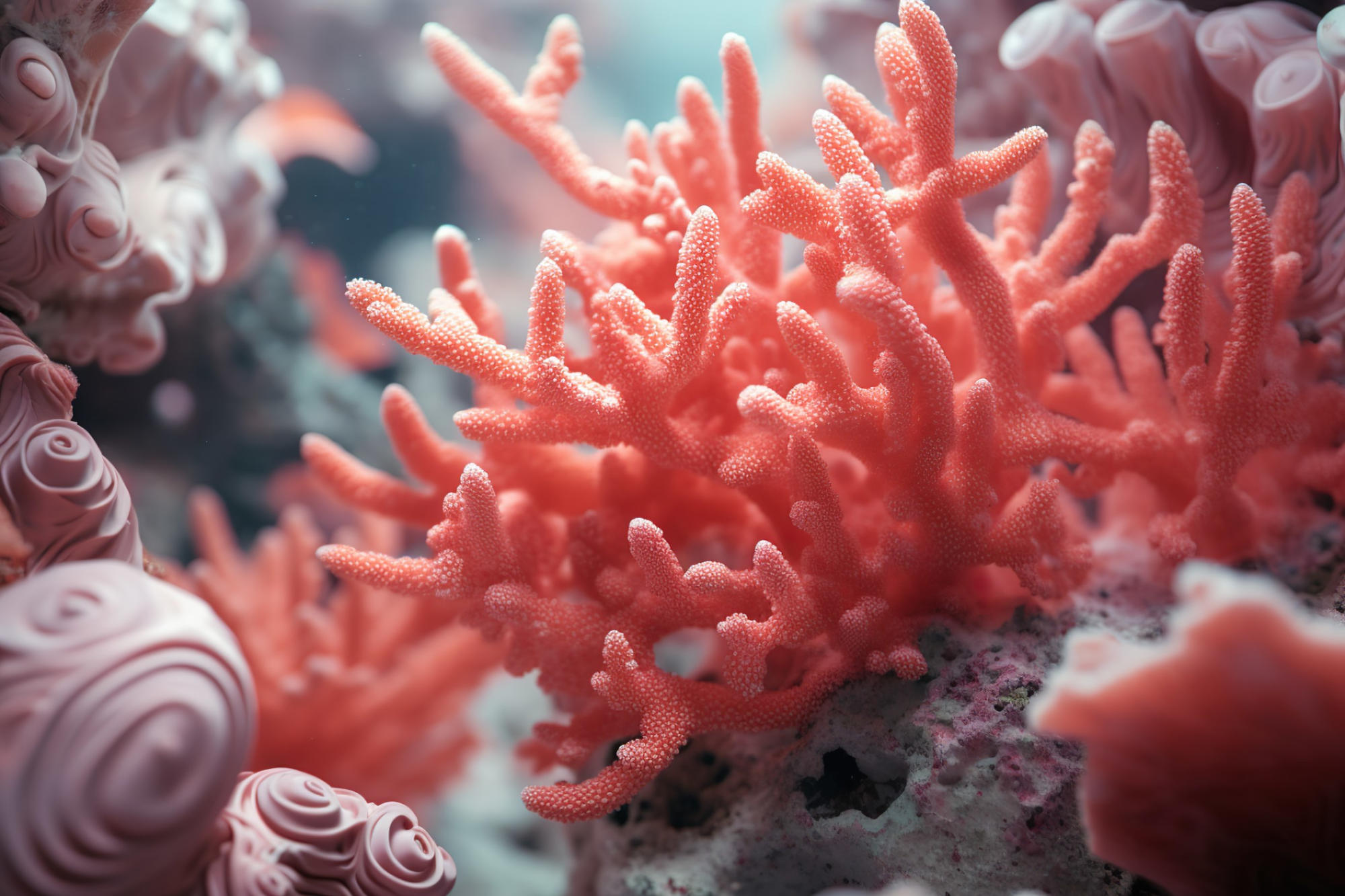
Scientists from the University of Southampton have solved Darwin's Paradox of Coral Reefs by discovering that corals feed on their photosynthetic symbionts, microscopic algae that live inside their cells. This vegetarian diet allows corals to access a previously thought unavailable nutrient source, explaining how they thrive in nutrient-poor waters. The researchers found that corals digest some of their symbiont population to obtain nitrogen and phosphorus, which are essential for their growth. This mechanism enables corals to grow quickly even without additional food. The findings have important implications for understanding coral reef ecosystems and their response to nutrient availability and global warming.

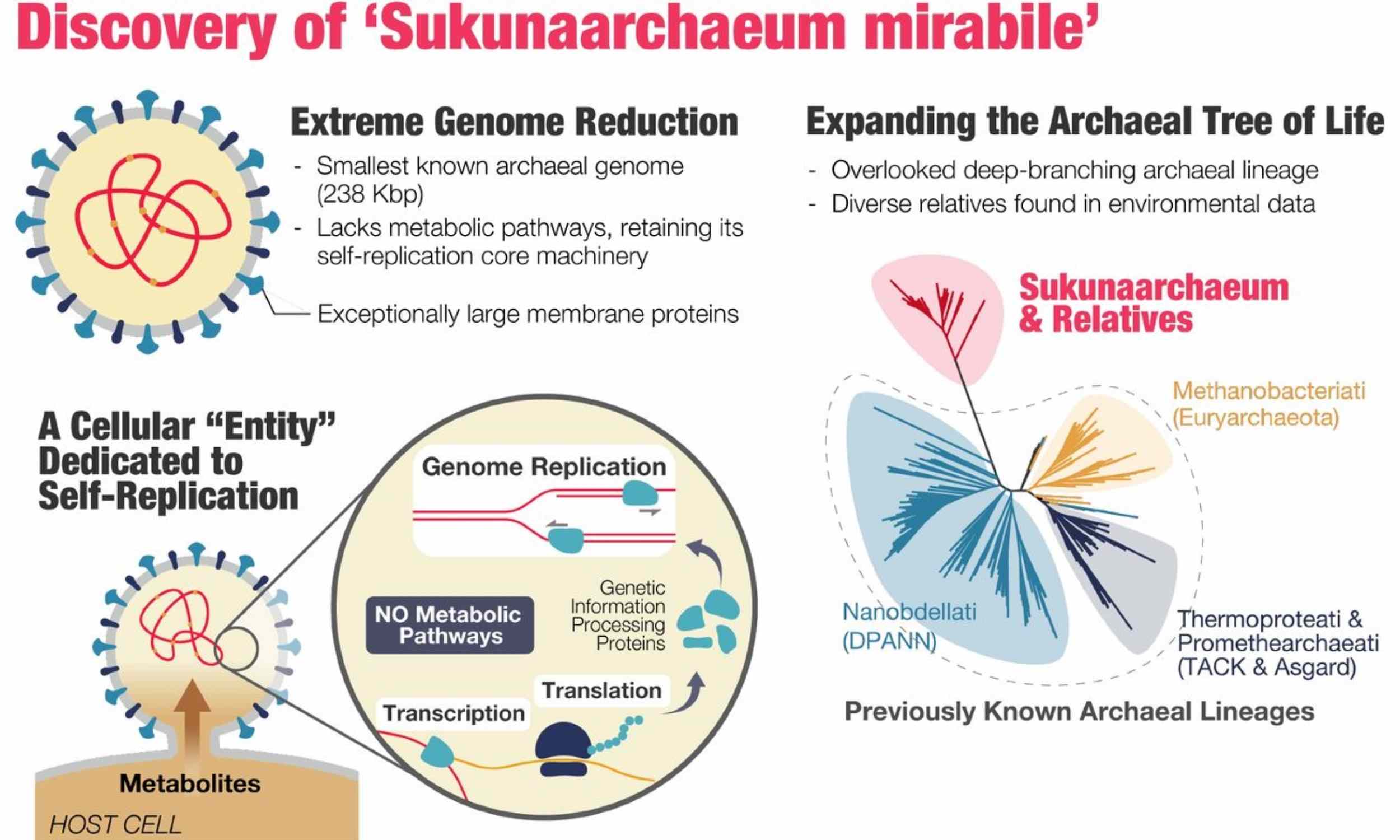
"CRISPR-Cas System: Unlocking the Potential of Microorganisms in Symbiosis and Parasite Defense"

Originally Published 2 years ago — by Nature.com

Featured image for "CRISPR-Cas System: Unlocking the Potential of Microorganisms in Symbiosis and Parasite Defense"
Source: Nature.com

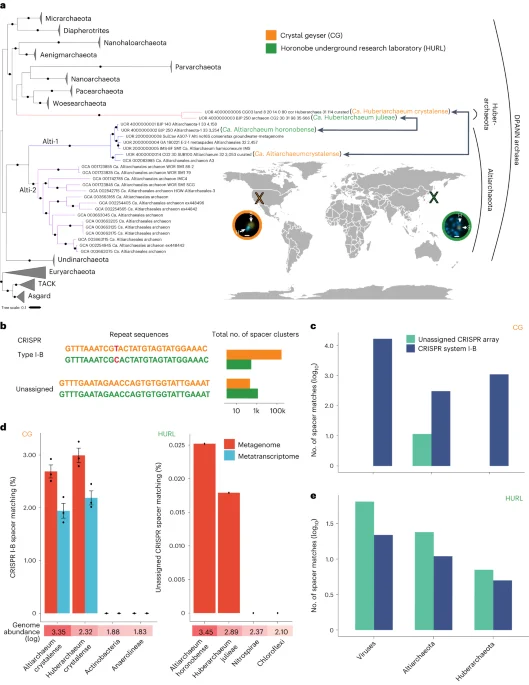
Researchers have discovered a potential symbiotic relationship between uncultivated archaea and other microorganisms mediated by the CRISPR/Cas bacterial immune system. The study, published in Nature, suggests that these archaea may rely on CRISPR to target and interact with other microorganisms in their environment. This finding sheds light on the evolutionary adaptations and ecological roles of uncultivated archaea, providing insights into their genomic diversity and potential symbiotic interactions.

Synergistic plant-bacteria partnership slashes fertilizer usage

Originally Published 2 years ago — by Phys.org

Featured image for Synergistic plant-bacteria partnership slashes fertilizer usage
Source: Phys.org

A study conducted by researchers from the Universities of Warwick and Justus Liebig has found that promoting the natural relationship between plants and bacteria can reduce the need for environmentally damaging fertilizers. The study focused on the efficiency of plant-bacteria symbiosis and its impact on other soil microbes. Legumes, such as peas and beans, interact with nitrogen-fixing bacteria that provide nutrients to the plant, reducing the reliance on chemical fertilizers. The research highlights the potential of using biofertilizers derived from symbiotic relationships to enhance plant and soil health, offering a sustainable approach to food production.