Tag

Coral

All articles tagged with #coral

environment1 year ago

34-Meter Sea Giant Predating Napoleon Discovered Alive

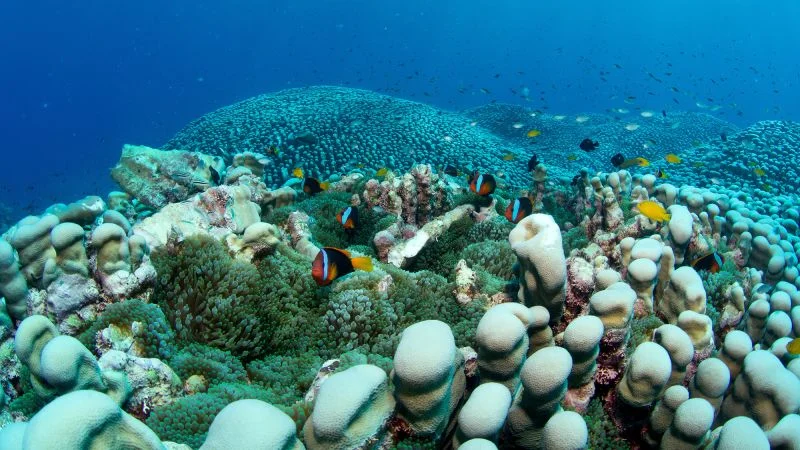
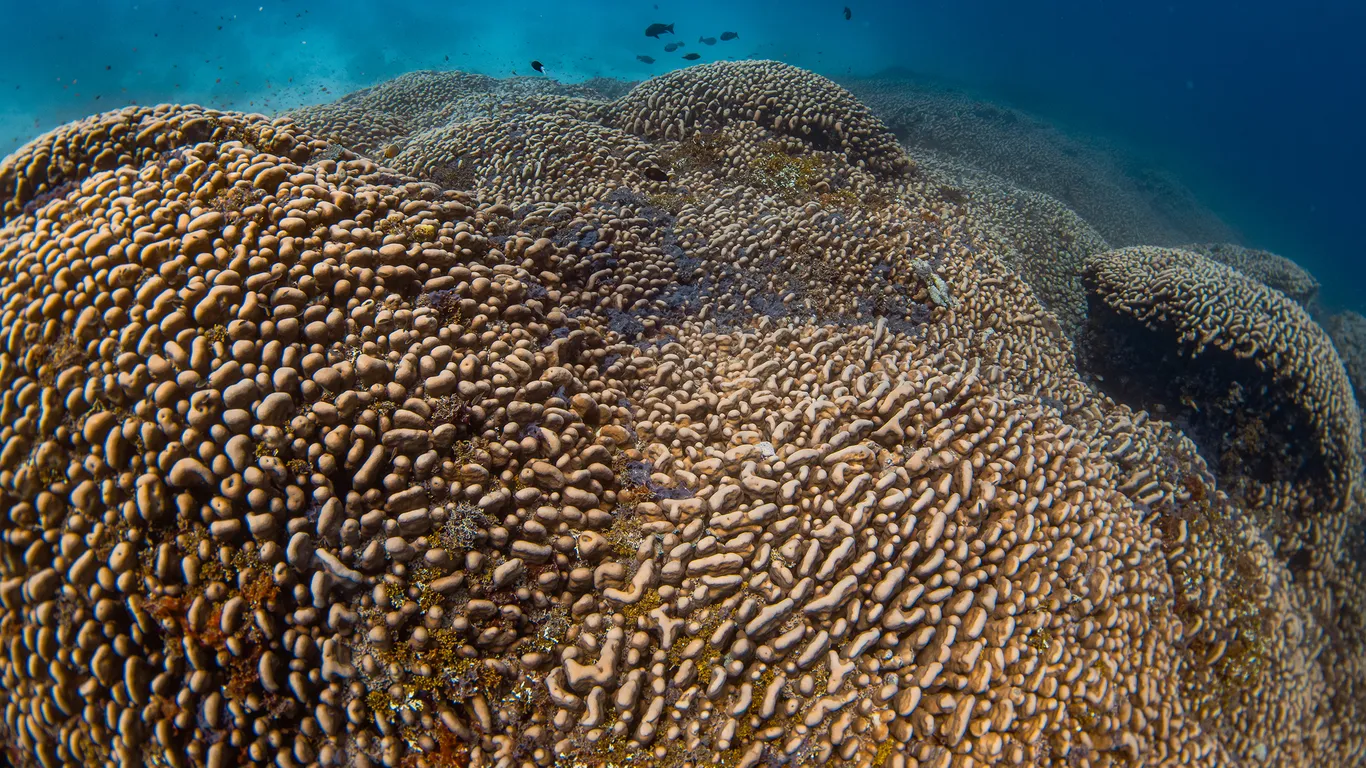
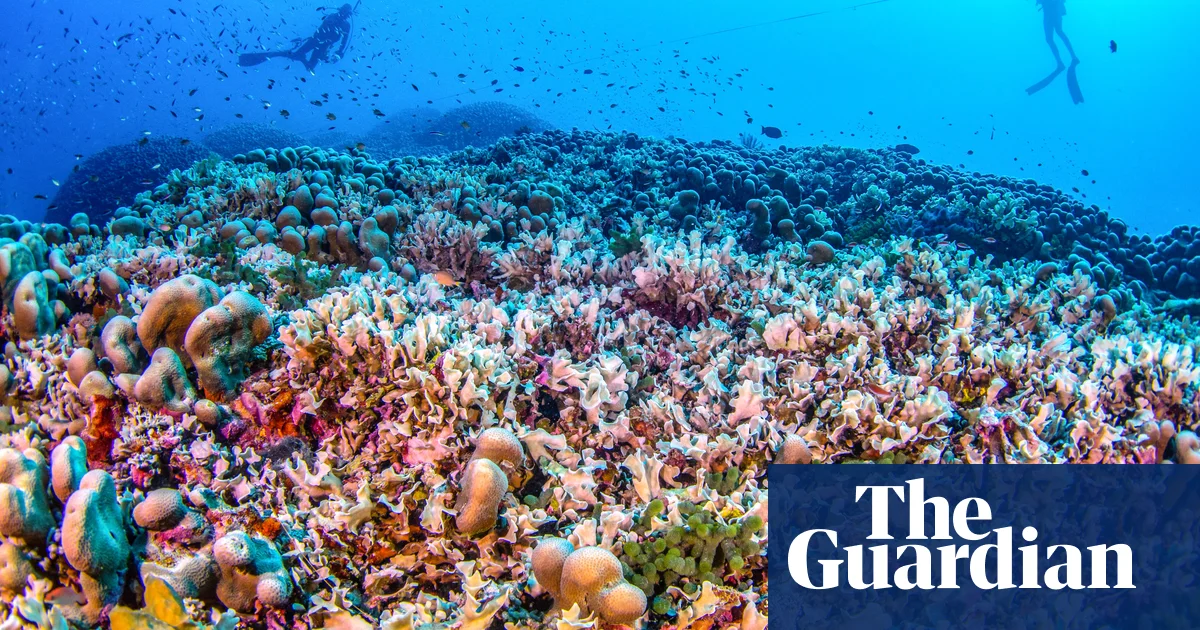
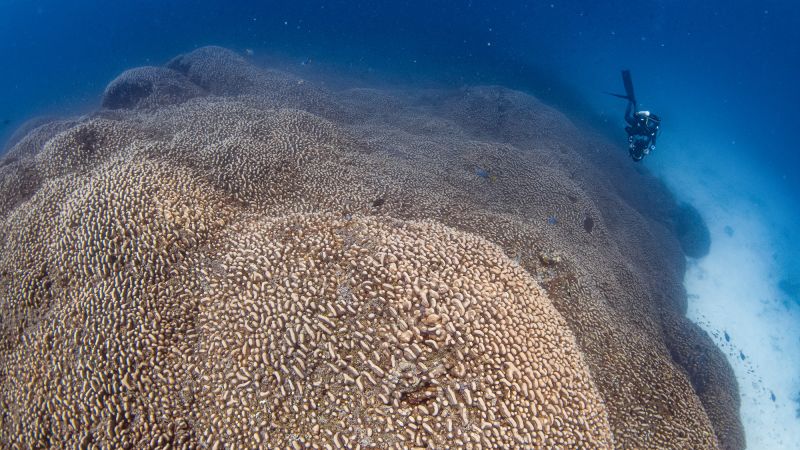
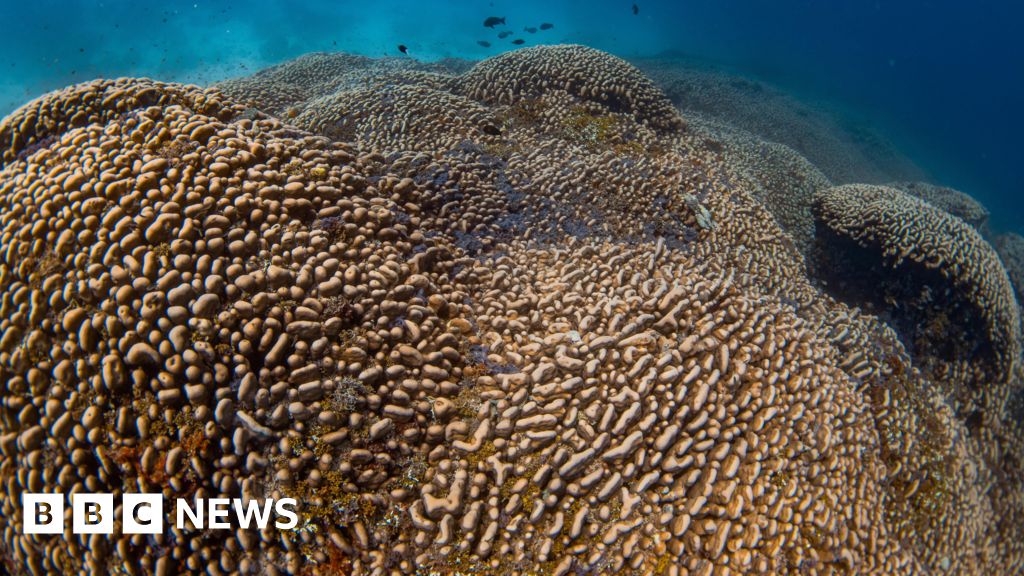
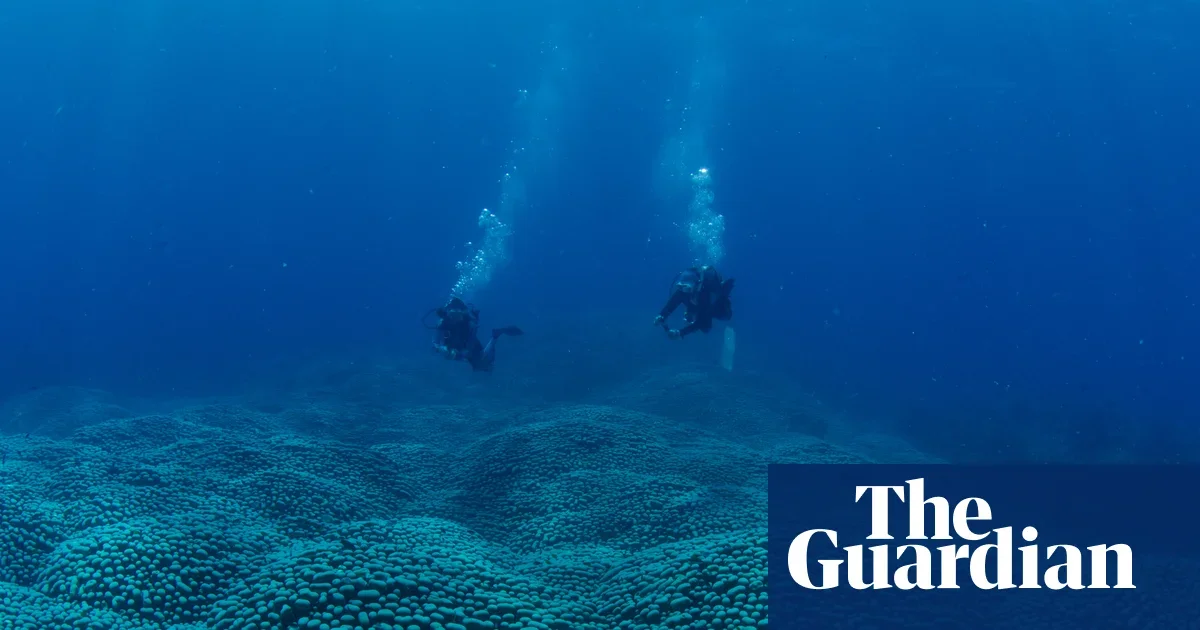
Scientists have discovered a massive 34-meter-wide coral colony off the Solomon Islands, believed to be the largest living organism on Earth, dating back to the time of Napoleon. This Pavona clavus coral, over 300 years old, showcases remarkable resilience amidst environmental changes, offering hope for coral conservation amid climate change challenges. The discovery, made during a National Geographic expedition, highlights the unexplored wonders of the ocean and has spurred local conservation efforts to protect the area.

science1 year ago

Unusual Bacteria Found in Deep-Sea Coral

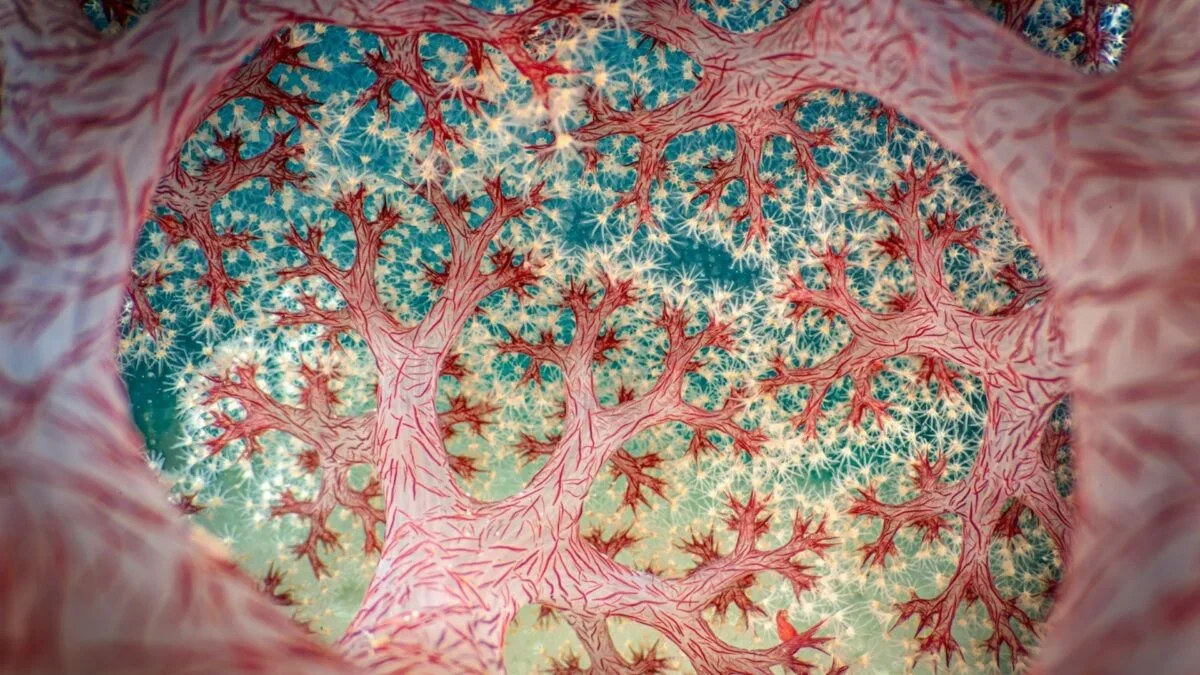
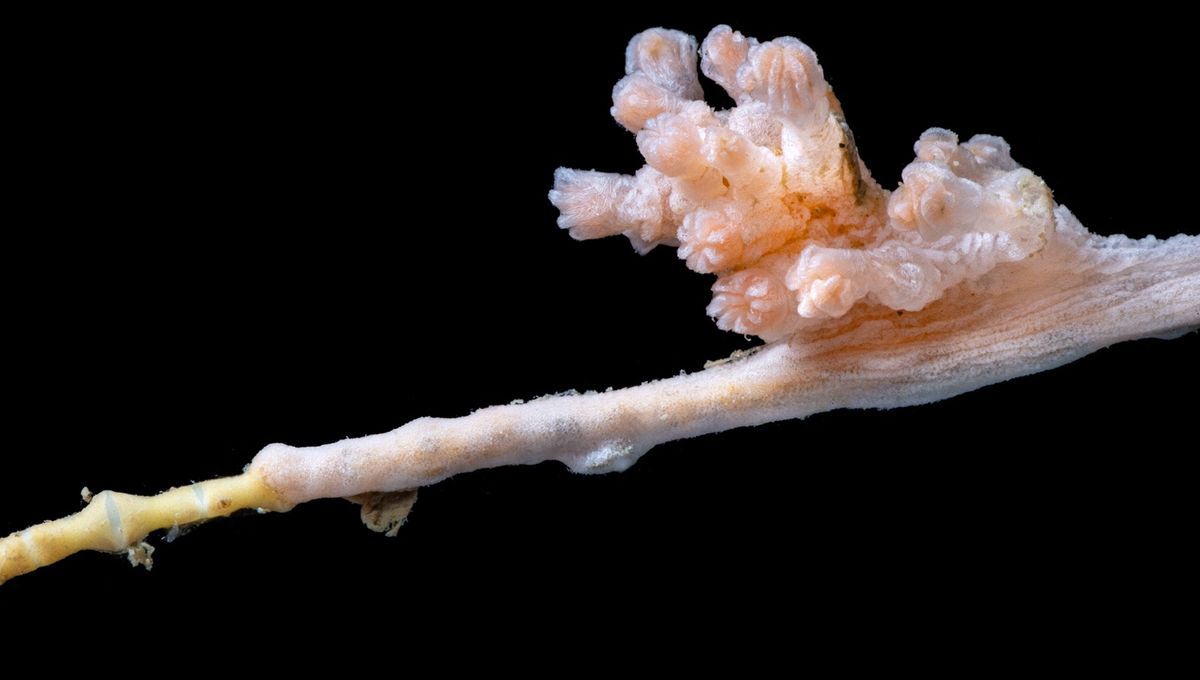
Scientists have discovered two new species of bacteria, Oceanoplasma callogorgiae and Thalassoplasma callogorgiae, in deep-sea coral in the Gulf of Mexico. These mollicutes have extremely small genomes, with only 359 and 385 protein-encoding genes, compared to the average bacterium's 3,000. They survive symbiotically in the coral's mesoglea, obtaining energy from an amino acid rather than carbohydrates. The discovery highlights the minimal genetic requirements for cellular life and introduces a new bacterial family, Oceanoplasmataceae.

environment1 year ago

Massive Coral Reef Discovered, Visible from Space

The world's largest coral, a 300-year-old Pavona clavus, has been discovered near the Solomon Islands and is visible from space. This "mega coral" measures 105 by 111 feet and provides essential habitat for marine species. Despite its size and remote location, it remains vulnerable to climate change and human threats. The discovery coincides with the UN climate summit, highlighting the urgency of ocean conservation amid a global coral bleaching event.

environment1 year ago

World's Largest Coral Colony Discovered in Solomon Islands

The world's largest known coral, a Pavona clavus, has been discovered in the Solomon Islands' coral triangle, measuring 183 meters in circumference and visible from space. This standalone coral, aged between 300 and 500 years, supports diverse marine life and highlights the ecological importance of the region. Despite its remote location, the coral faces threats from global warming and human activities, underscoring the need for conservation efforts. The discovery is significant for both scientific understanding and the cultural identity of the Solomon Islands' communities.

environment1 year ago

Gigantic Coral Discovered Near Solomon Islands Visible from Space

Scientists have discovered the world's largest coral near the Solomon Islands, measuring 32 meters long and 34 meters wide, and believed to be 300 years old. This "mega coral" is a standalone organism, providing essential habitat for marine life. Despite its size and vibrant colors, it faces threats from climate change, highlighting the urgency of global conservation efforts. The discovery coincides with the UN climate summit, emphasizing the need to protect such vital ecosystems.

environment1 year ago

World's Largest Coral Discovered, Visible from Space

Scientists have discovered the world's largest coral in the southwest Pacific Ocean, visible from space and estimated to be over 300 years old. This massive coral, found during a National Geographic Pristine Seas expedition, is three times larger than the previous record-holder and provides a habitat for diverse marine life. While the discovery offers hope for coral resilience, it also highlights the threats posed by climate change and human activities. The finding coincides with global climate discussions at COP29, emphasizing the need for increased efforts to combat carbon emissions.

environment1 year ago

Massive 300-Year-Old Coral Discovered in Pacific, Visible from Space

Scientists have discovered the world's largest coral in the Pacific Ocean near the Solomon Islands, measuring 34 meters wide and potentially over 300 years old. Found by a National Geographic team, this coral is in good health despite global warming threats, likely due to its deeper location. The discovery highlights the importance of protecting marine ecosystems, especially for small island nations like the Solomon Islands, which rely heavily on marine resources. The find coincides with COP29 climate talks, emphasizing the need for increased financial support to combat climate change impacts.

environment2 years ago

"Unlocking the Potential: Freezing Coral as a Solution for Florida's Imperiled Reefs"

Researchers are making strides in cryopreserving coral, with successful freezing of larvae and recent survival of frozen adult corals, offering hope for preserving and restoring reefs in the face of climate change and other threats. While challenges remain, such as limited collection windows and post-thaw bacterial infections, scientists are exploring solutions like antibiotics and even storing frozen samples on the moon. With coral reefs declining, cryopreservation offers a potential lifeline for future restoration efforts.

earth-science2 years ago

Pacific Ocean Corals Unveil Centennial Warming History, Hinting at Higher Sea Levels 6000 Years Ago

Researchers have used coral records from the Solomon Sea to study changes in the western boundary current in the Pacific Ocean over the past century. They found that the current had strengthened, leading to a strengthening of the Equatorial Undercurrent. The researchers suggest that a slowdown in global warming during the 1940s and 1970s may be attributed to surface waters cooling in the eastern equatorial Pacific. The study also revealed that sea surface temperature and the Pacific Decadal Oscillation have influenced the nitrogen isotopes in the corals, providing insights into the long-term warming history of the Pacific Ocean.

science2 years ago

Discovery of Chlamydia-like Bacteria in Great Barrier Reef Coral Raises Safety Concerns.

Researchers from the University of Melbourne have discovered a chlamydia-like bacteria in coral tissue in the Great Barrier Reef, which is the first time such pathogens have been detected in corals. While it is not yet known if the bacteria is helpful or harmful to the coral, it is unlikely that humans will be affected by swimming in the reef. The researchers believe that the bacteria might help corals, and they are hoping to develop bacterial probiotics for corals to improve their resistance to thermal stress and survival rates caused by climate warming.