A rare killifish species, Moema claudiae, thought extinct for over 20 years, was rediscovered in Bolivia's fragmented wetlands, highlighting the importance of microhabitats and urgent conservation efforts to prevent its extinction amid ongoing deforestation.
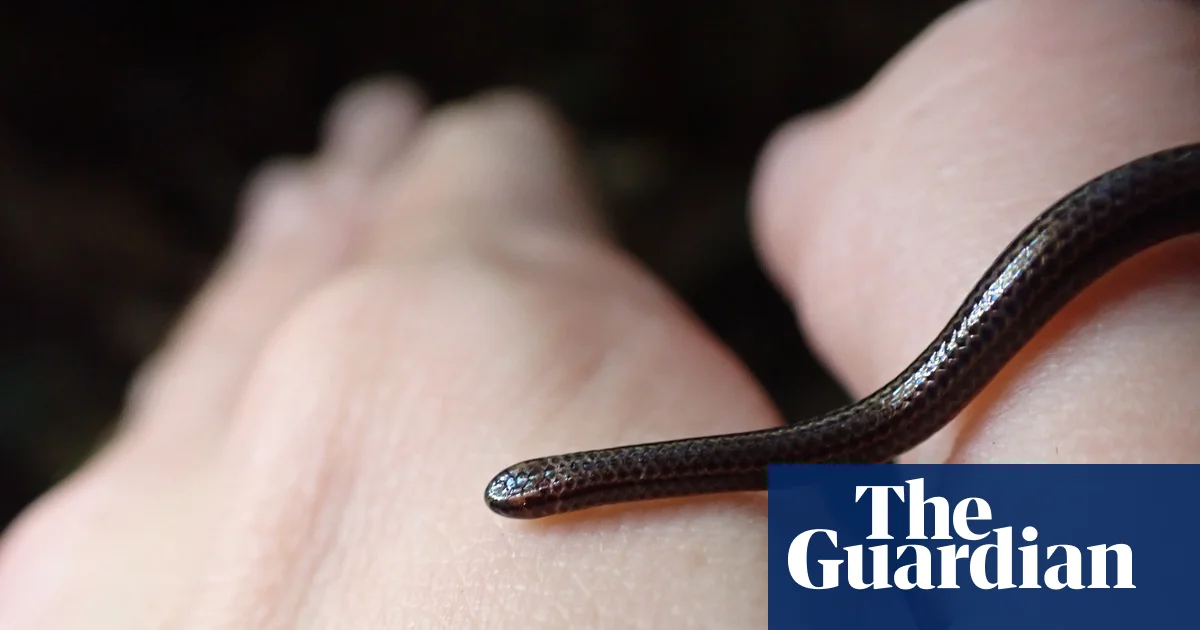
The world's smallest snake, the Barbados threadsnake, was rediscovered after 20 years in Barbados during an ecological survey, highlighting concerns over habitat loss and the need for conservation efforts to protect this rare species and other local wildlife.
The world's smallest-known snake, the Barbados threadsnake, was rediscovered after nearly 20 years in Barbados, highlighting its rarity and the importance of habitat conservation.
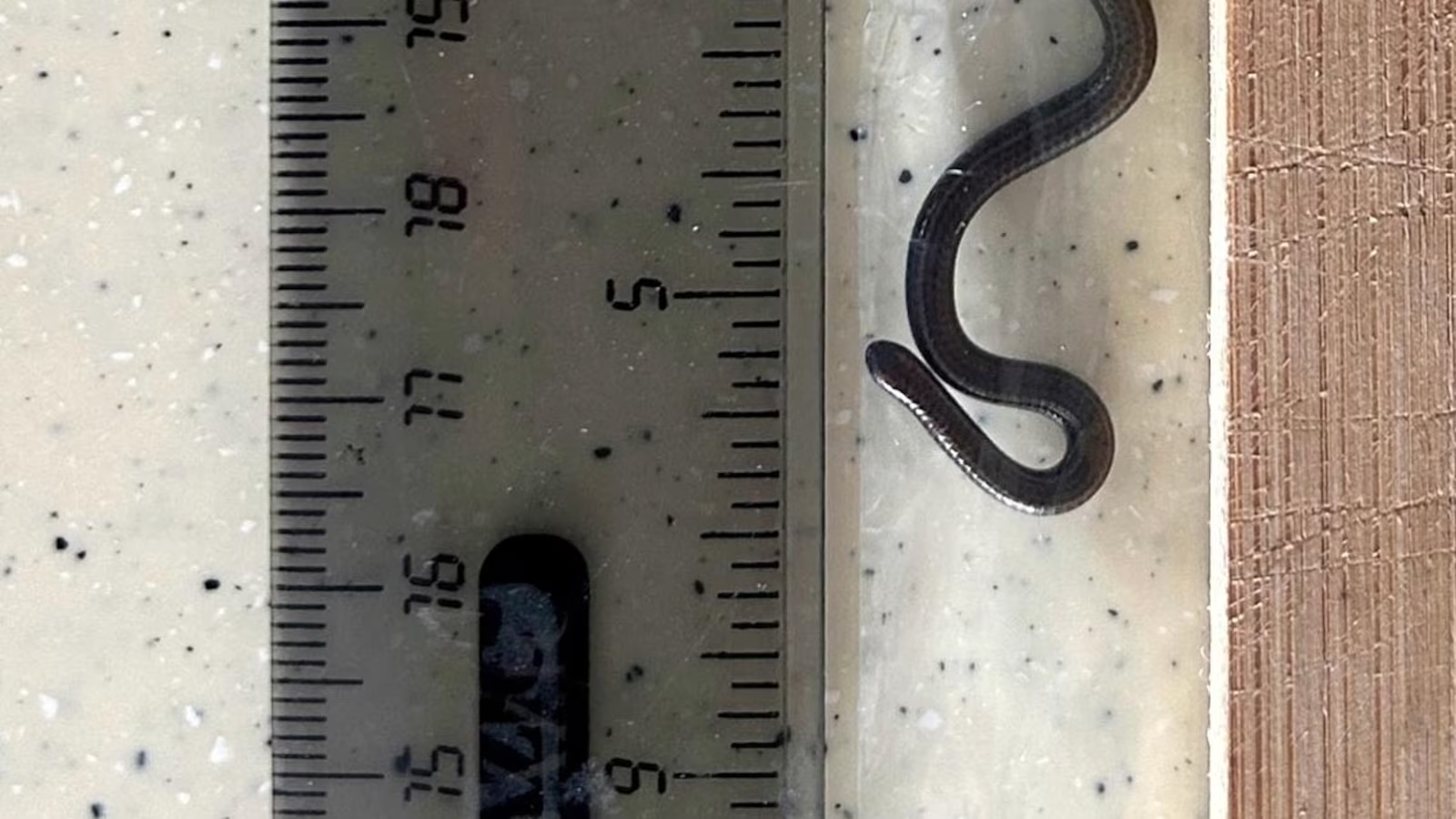
Scientists rediscovered the world's smallest-known snake, the Barbados threadsnake, after nearly 20 years of being lost to science. Found in Barbados, this tiny, blind snake measures up to four inches and plays a crucial role in its ecosystem. The rediscovery highlights the importance of habitat conservation, especially on islands with many endangered endemic species.
A long-lost Animaniacs GBA game, Hollywood Hypnotics, originally canceled in 2003, has been rediscovered and is now fully playable online, thanks to dedicated preservation efforts, offering fans a glimpse of a nearly finished game that was thought to be lost.
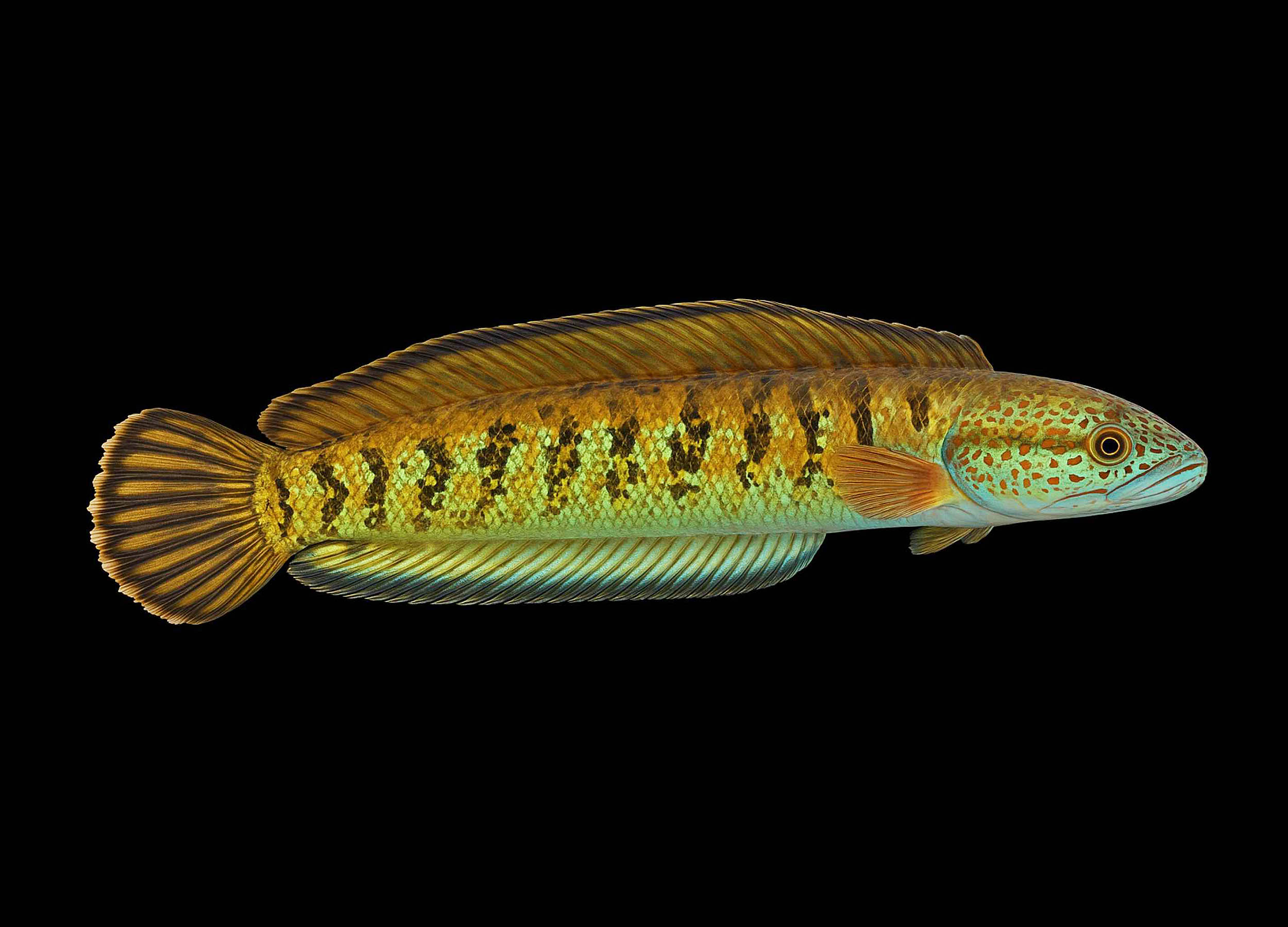
A fish species thought extinct for over 85 years, the Chel snakehead, has been rediscovered in a remote Himalayan river, highlighting the resilience of freshwater ecosystems and the importance of ongoing conservation efforts amid threats like habitat destruction and pollution.
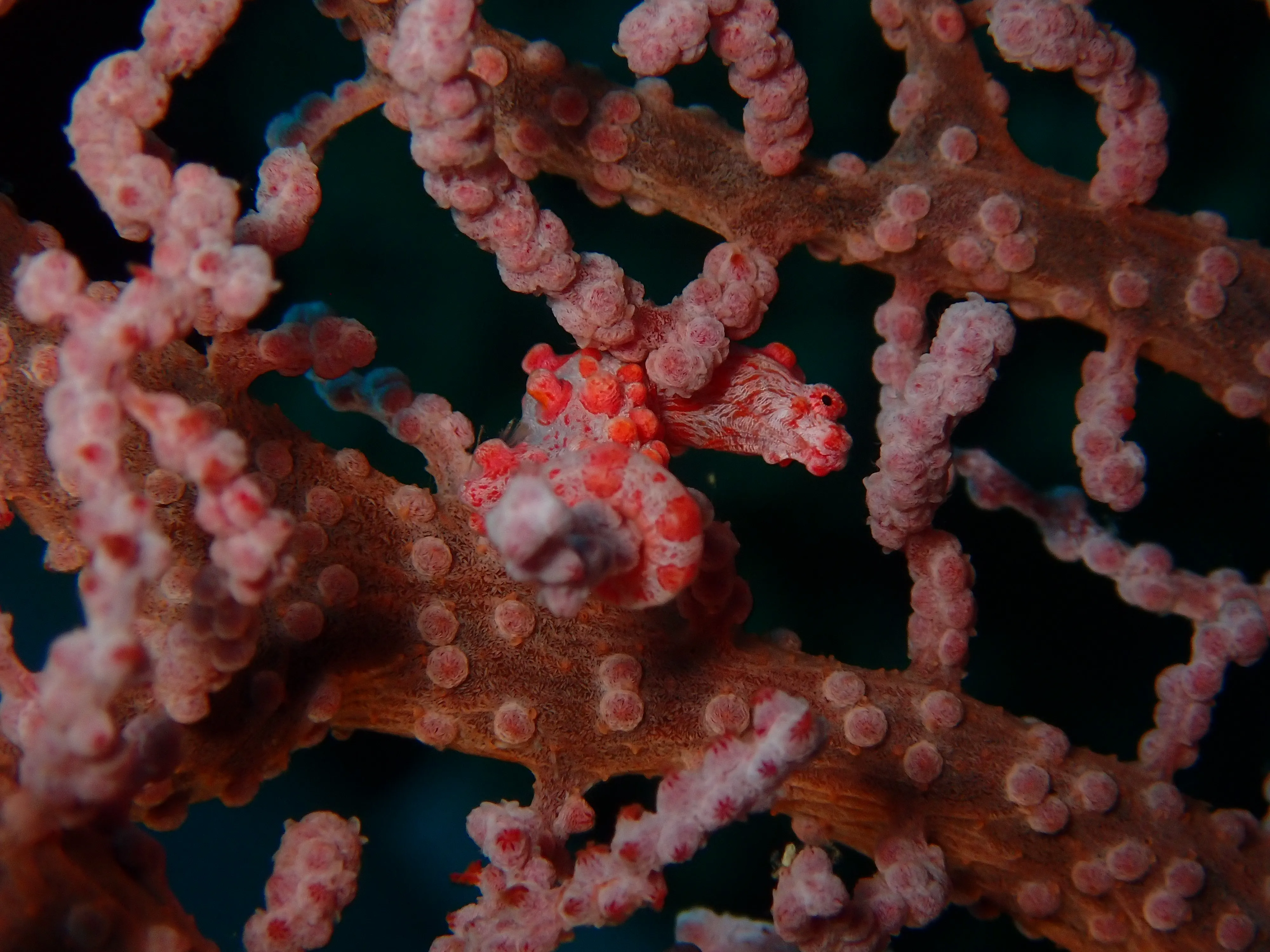
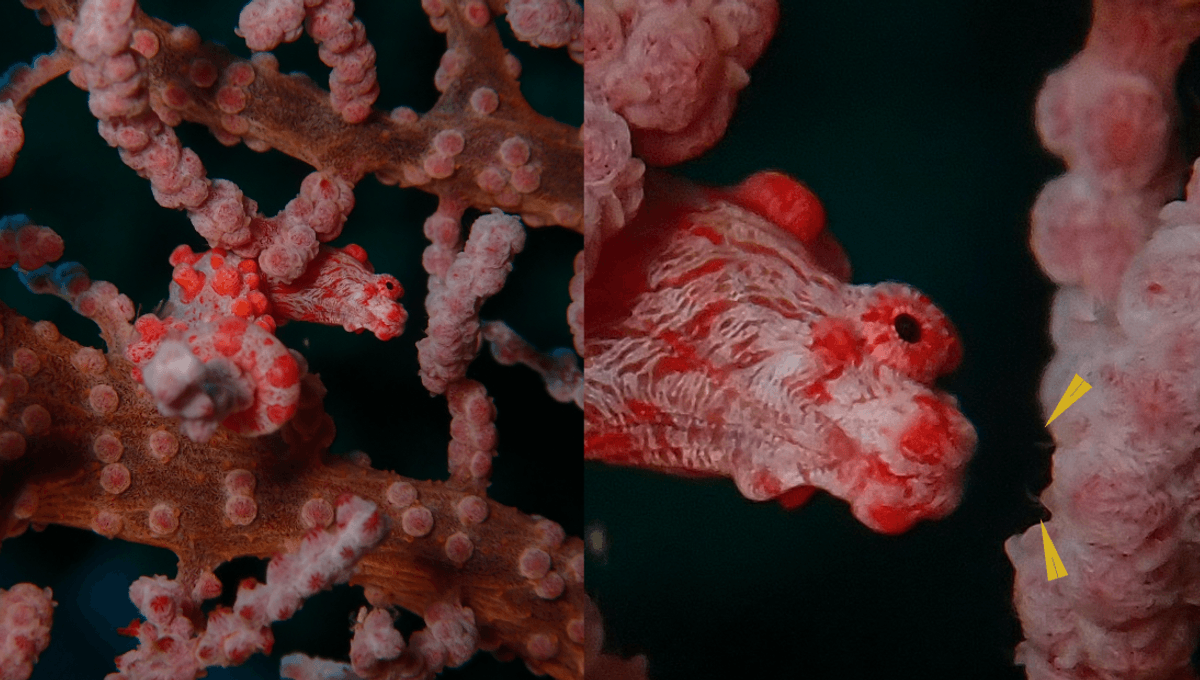
Researchers at the University of the Ryukyus in Okinawa, Japan, have rediscovered a long-lost species of polychaete worm, Haplosyllis anthogorgicola, while studying pygmy seahorses. These tiny, translucent worms live in coral burrows and were last recorded in 1956. The discovery highlights the complex symbiotic relationships between the worms, seahorses, and corals, and suggests that the worms may clean the coral by consuming leftover food. The study underscores the importance of examining species interactions within their ecosystems and the potential for citizen science platforms like iNaturalist to aid in such discoveries.
A marine worm species, Haplosyllis anthogorgicola, thought to be lost since 1956, has been rediscovered photobombing pygmy seahorses in citizen science photos. Researchers found the worm in three-quarters of seahorse images on iNaturalist, revealing its widespread presence and behavior. This discovery highlights the potential of citizen science platforms to uncover "lost" species hidden in plain sight.
A presumed-lost 1923 silent film featuring Clara Bow, titled "The Pill Pounder," was rediscovered at an Omaha auction. The 20-minute film provides a crucial glimpse into Bow's path to superstardom and has been restored with the help of Bow biographer David Stenn. The rediscovery of this film has sparked renewed interest in silent film and may lead to a general resurgence of interest in the genre.
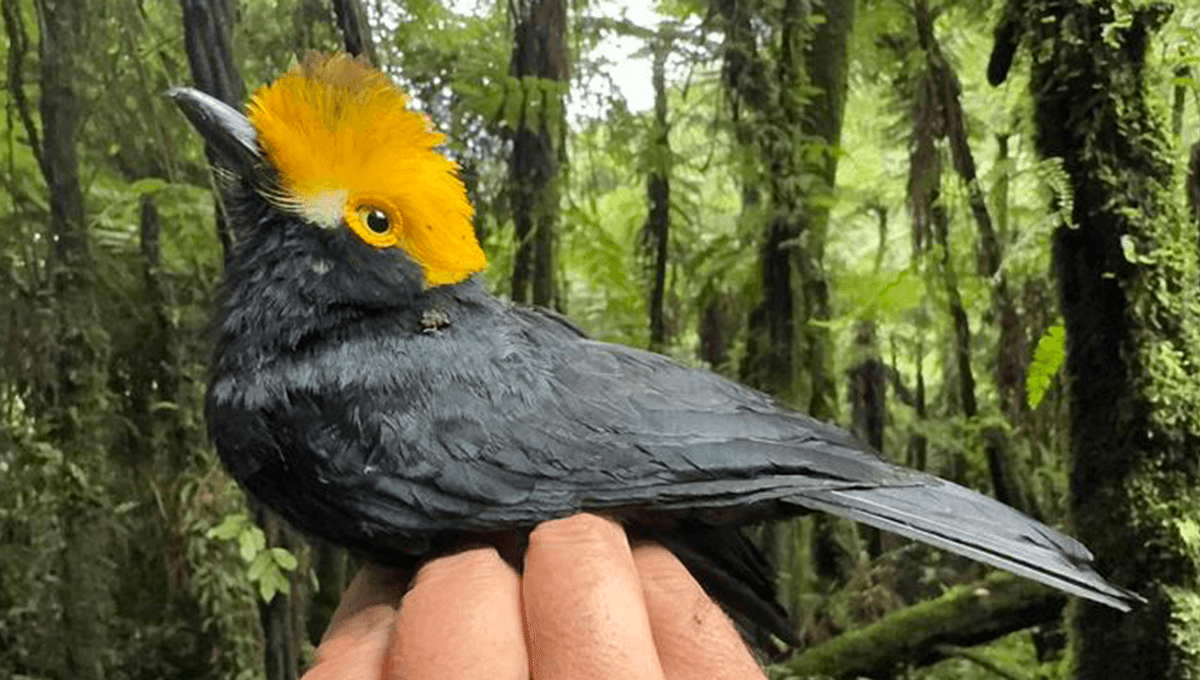
Researchers from the University of Texas at El Paso captured the first ever photo of the yellow-crested helmetshrike, a bird species not seen for nearly 20 years, during an expedition in the Democratic Republic of the Congo. The team also rediscovered an amphibian species, the red-bellied squeaker frog. However, both species face threats from habitat loss due to agriculture and mining, prompting discussions on conservation efforts to protect the region's forests and the helmetshrike.
Gustav Klimt's long-lost "Portrait of Fräulein Lieser," last seen in Vienna in the 1920s, has been rediscovered and is set to be auctioned, with an estimated value of 30-50 million euros. The painting, featuring a young woman, is a rare find and is expected to attract international attention. Its history and provenance have been carefully examined, and an agreement has been reached with the present owner and the descendants of the Lieser family based on guidelines for identifying and restoring artwork confiscated by the Nazis.
A long-lost portrait by Gustav Klimt, Portrait of Fräulein Lieser, has resurfaced in a private collection and is expected to fetch up to $54 million at auction. Belonging to an Austrian industrialist's family, the subject of the painting is now believed to be one of three sisters. The artwork, dating back to 1917, will be auctioned in April and is set to tour Switzerland, Germany, Great Britain, and Hong Kong before the sale.
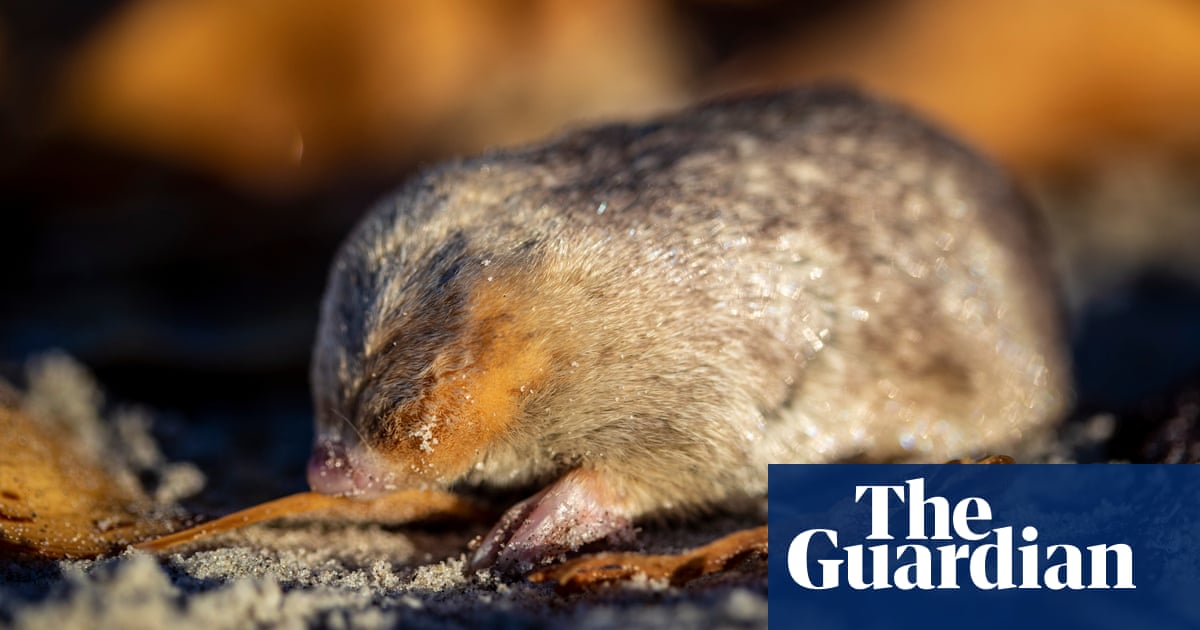
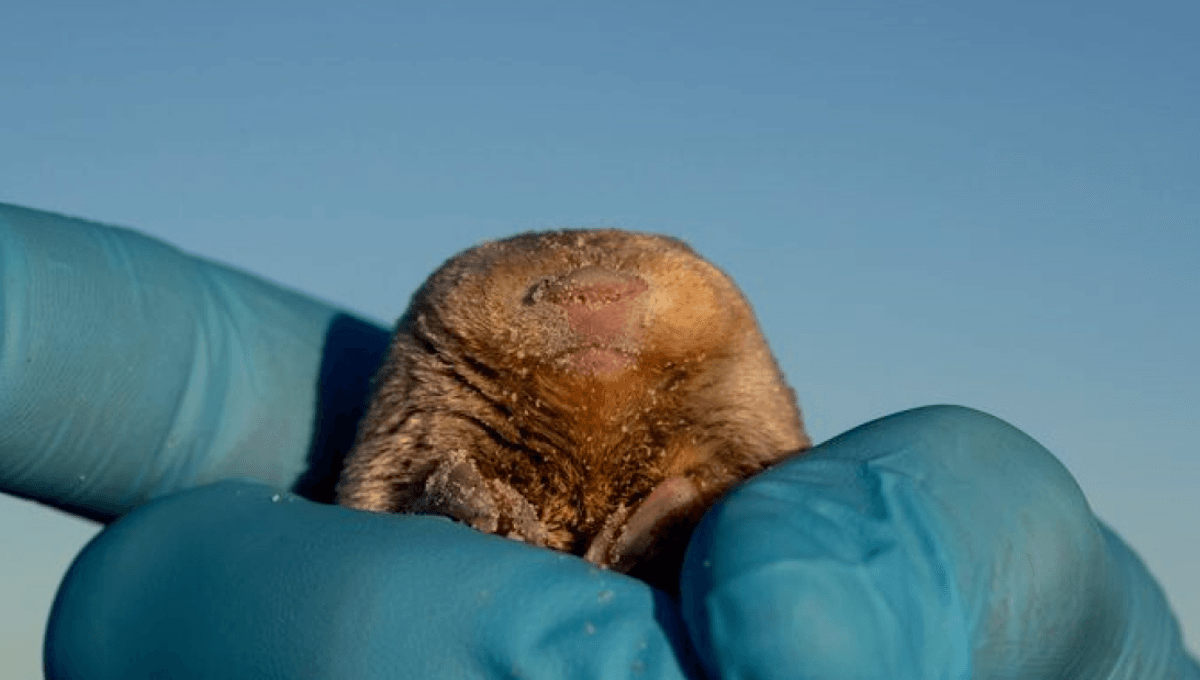
The De Winton's golden mole, a species feared extinct since 1937, has been rediscovered near Port Nolloth in South Africa. This blind and elusive mole, known for its ability to "swim" through sand dunes, was found after a two-year search aided by a trained dog named Jessie. The team used environmental DNA testing to confirm the presence of the mole. The discovery highlights the importance of protecting the area from threats such as diamond-mining to ensure the survival of this endangered species and others.
The De Winton's golden mole, believed to be lost since 1936, has been rediscovered alive and well in South Africa. Researchers used environmental DNA (eDNA) to detect the mole's presence in sandy dunes along the northwest coast. This marks the 11th species to be rediscovered since the Search For Lost Species initiative began in 2017. The finding highlights the importance of protecting the few remaining habitats where these rare moles can be found.
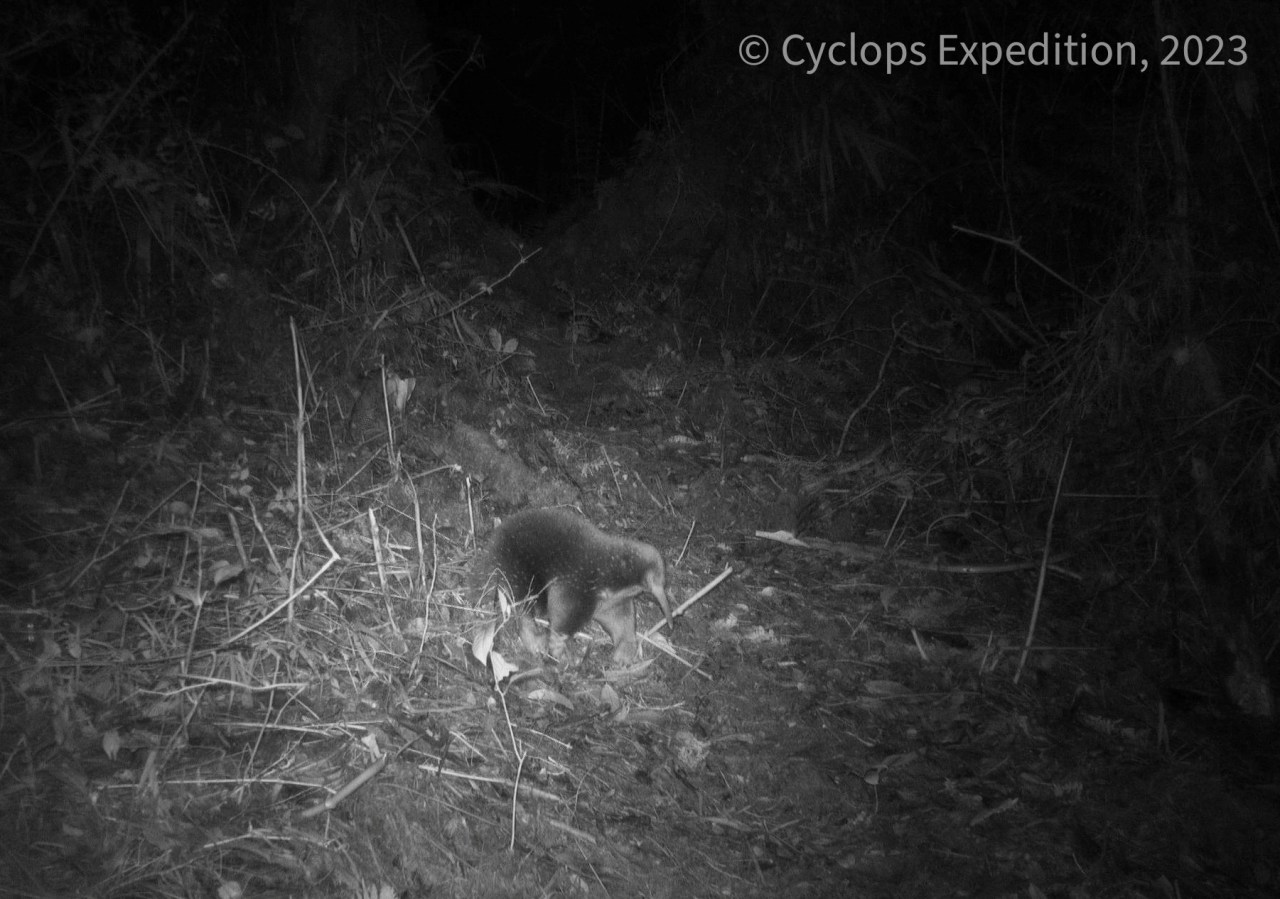
Scientists from Oxford University have rediscovered the long-lost Attenborough's long-beaked echidna, a mammal not seen in over 60 years, during a four-week expedition in Indonesia's remote Cyclops Mountains. The creature, named after biologist David Attenborough, was captured on a trail camera on the last day of the expedition, bringing a sense of euphoria and relief to the team. The species had only been scientifically recorded once before in 1961 by a Dutch botanist.