Tag

Mitochondria

All articles tagged with #mitochondria

Overclocking Neurons: One Training Session Yields Lasting Memories Across Species
neuroscience2 days ago

Overclocking Neurons: One Training Session Yields Lasting Memories Across Species

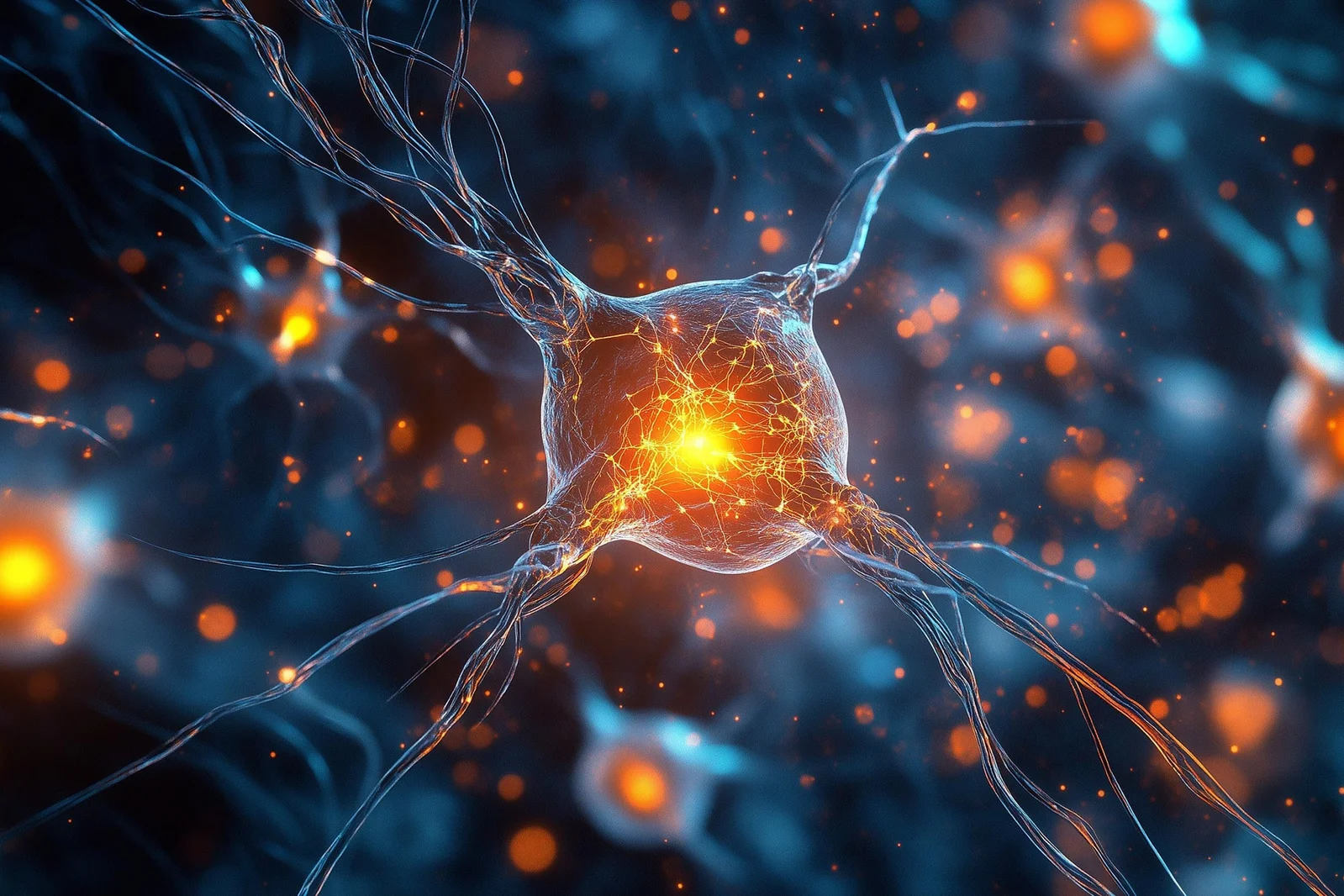
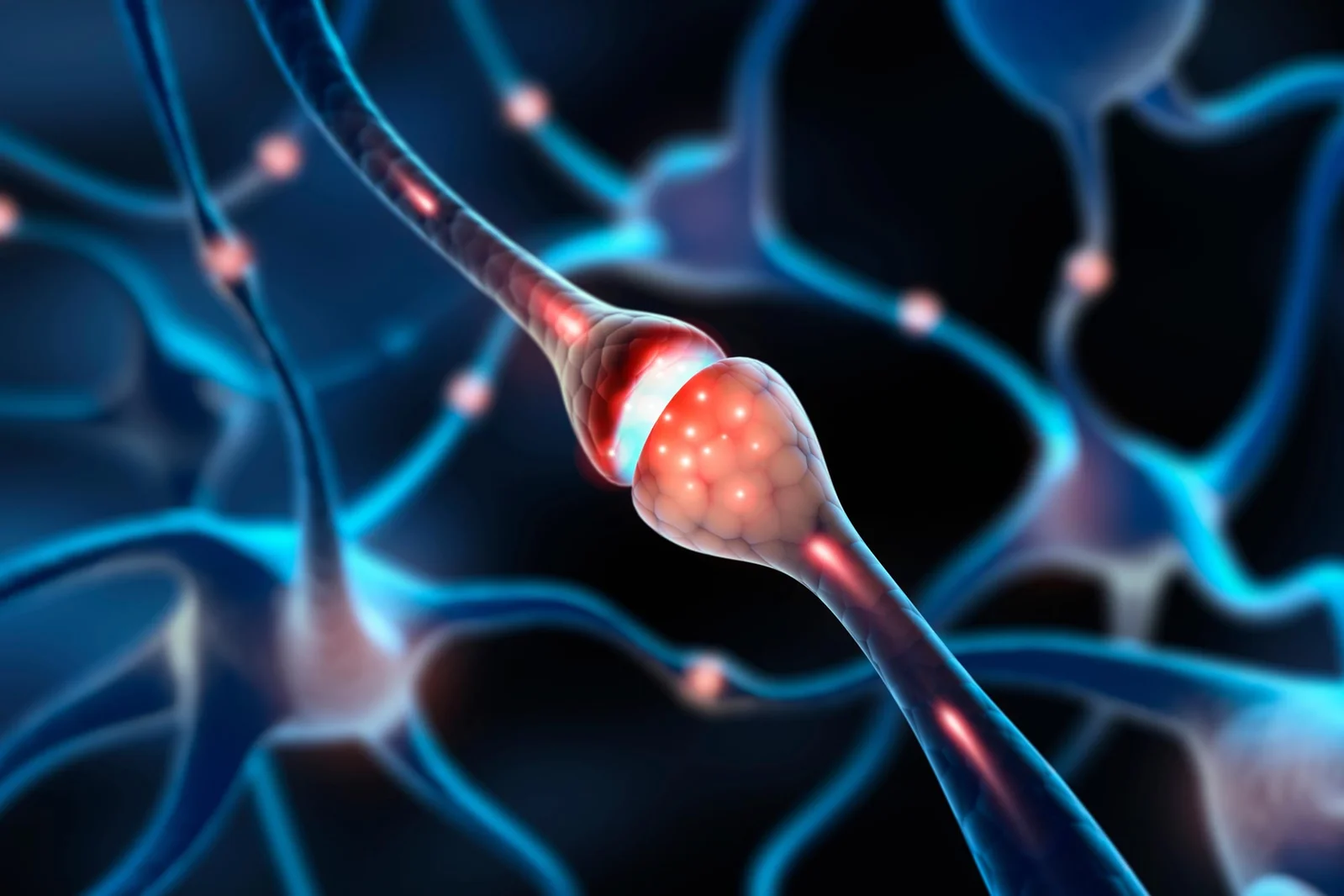
Researchers inhibited the mitochondrial calcium exporter LETM1 in fruit flies and mice, causing calcium to linger in mitochondria and boosting ATP production. This metabolic boost allowed a single training session to form long-term memories lasting over 24 hours, while middle-term memory remained unchanged, and the effect was conserved across species, suggesting neuronal energy availability can shape memory consolidation. The approach currently relies on genetic manipulation and isn’t yet transferable to humans, but could point to future strategies to enhance memory or address diseases with energy deficits, pending safer, more precise tools.
Brain Cells with a Built-In Defense Against Dementia Found
science8 days ago

Brain Cells with a Built-In Defense Against Dementia Found

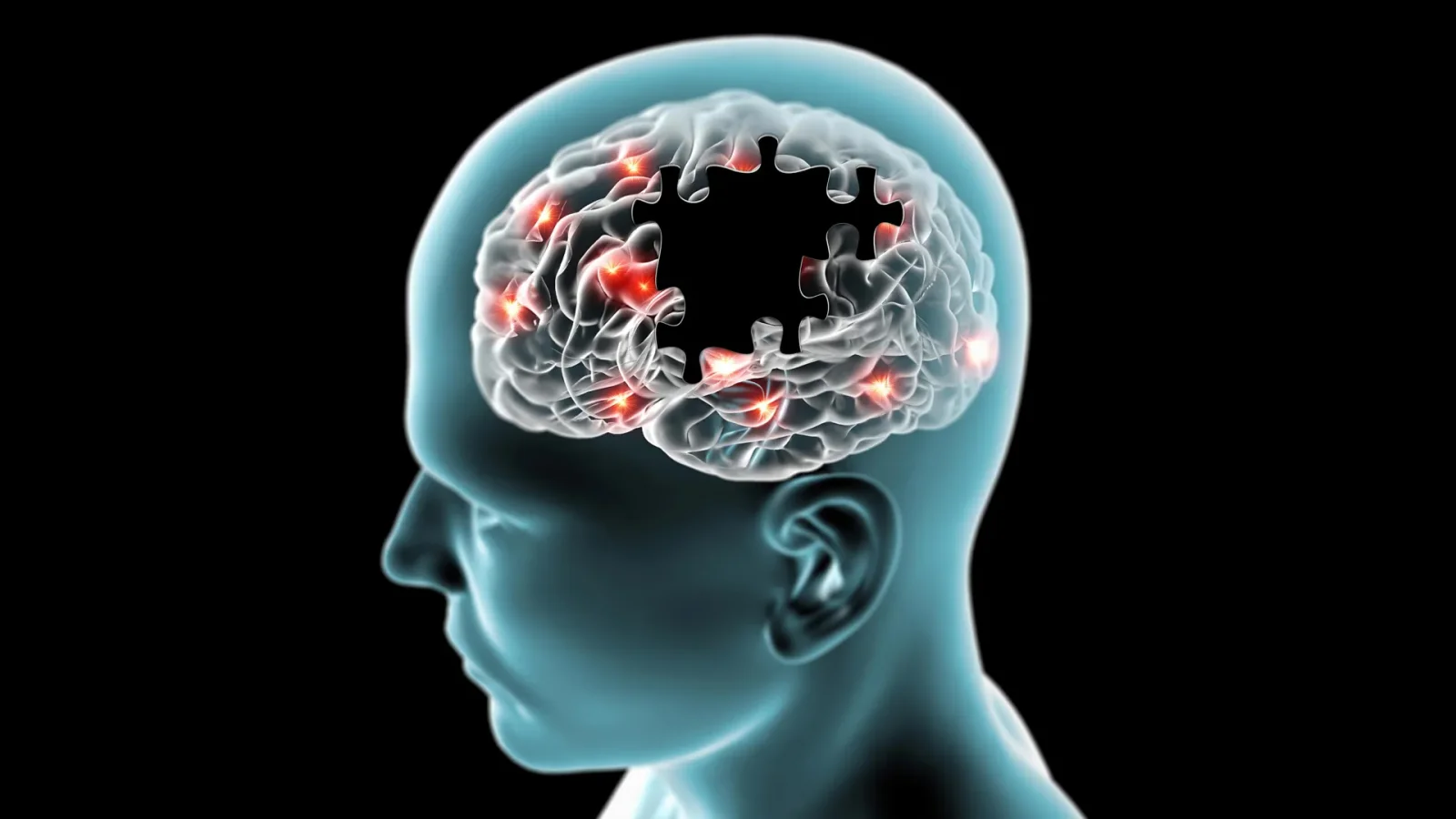
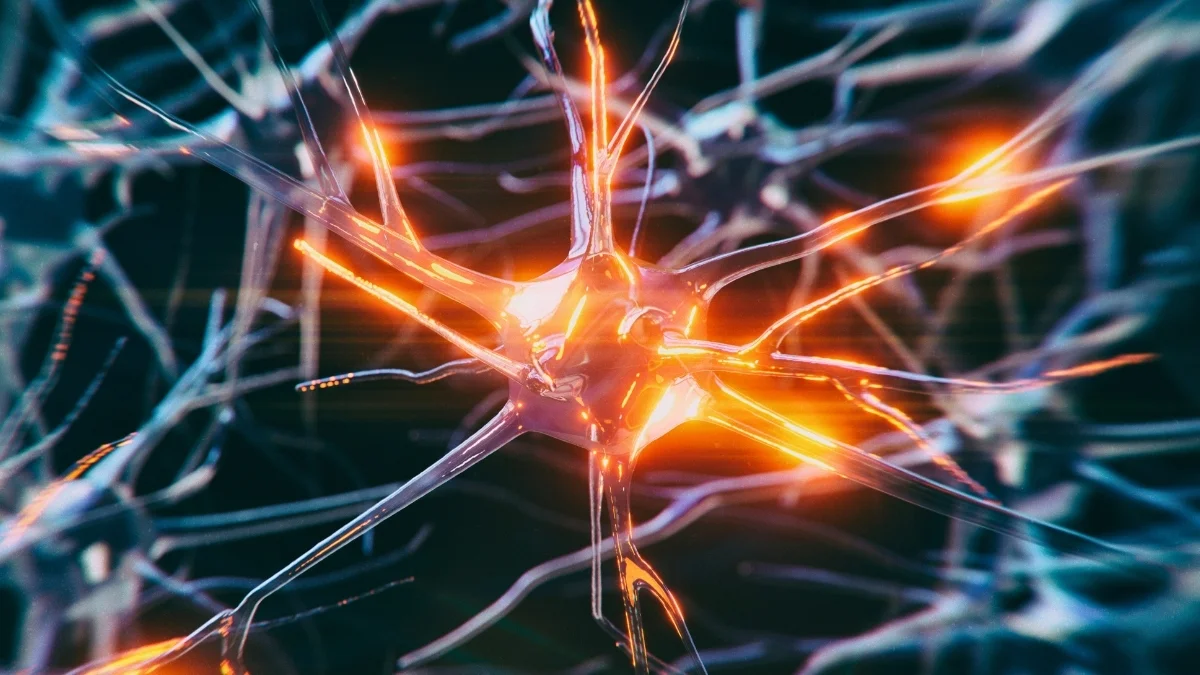
A CRISPR-based screen in human neurons with disease-causing tau mutations identified the CRL5SOCS4 protein complex as a key driver of tau protein degradation, helping some brain cells resist toxic tau clumps and dementia. Findings align with brain atlas data showing higher CRL5SOCS4 expression correlates with cell survival, and researchers note mitochondrial dysfunction can increase pathogenic tau fragments. Potential therapies include boosting CRL5SOCS4 activity or protecting proteasomes to enhance tau clearance.

Mitochondria: Can These Cellular Powerhouses Extend Your Lifespan?
health9 days ago

Mitochondria: Can These Cellular Powerhouses Extend Your Lifespan?

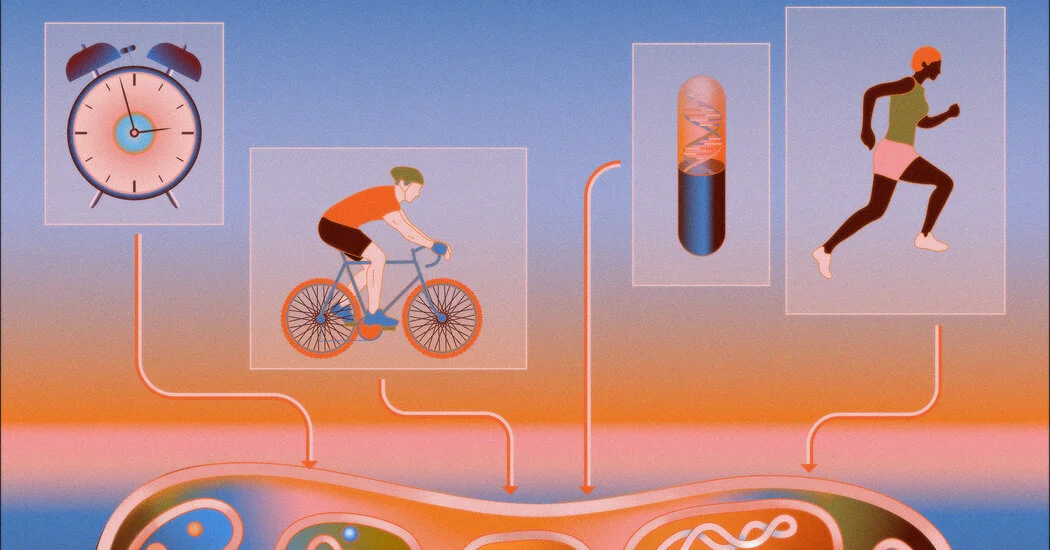
The article highlights mitochondria as central to cellular energy and aging, notes the debate over whether mitochondrial decline drives aging or is a consequence, and suggests that regular exercise, a balanced diet, adequate sleep, and key micronutrients support mitochondrial health, while many flashy interventions (like NAD+ boosters and antioxidant supplements) have not shown consistent human benefits.

Hypermobile EDS Linked to Multi-System Genetic Changes, AI Study Finds
science13 days ago

Hypermobile EDS Linked to Multi-System Genetic Changes, AI Study Finds

A study of 116 people from 43 families using whole-exome sequencing and AI analysis found that hypermobile EDS likely arises from multiple genetic changes across collagen-related genes, immune system genes (notably HLA), and mitochondrial energy genes, indicating a broader genetic architecture beyond collagen alone. Immune-gene enrichment was seen in about 75% of patients, and energy/metabolism links to skeletal fragility were suggested; replication in independent populations is needed.

Mirror-image cysteine blocks growth of certain cancers by targeting cancer cell mitochondria
science18 days ago

Mirror-image cysteine blocks growth of certain cancers by targeting cancer cell mitochondria

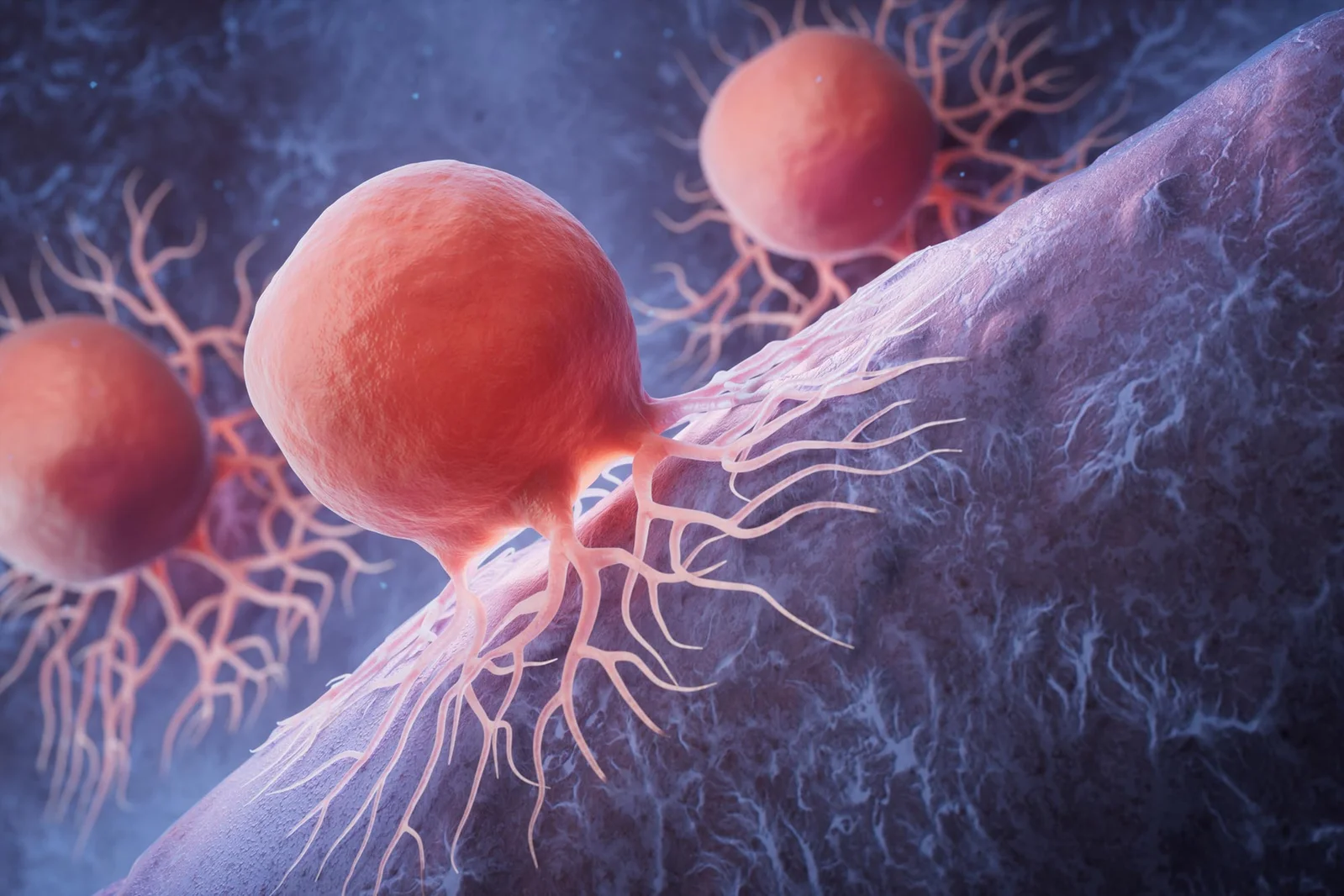
Researchers have identified D-cysteine, the mirror form of the amino acid cysteine, which is taken up by certain cancer cells and inhibits the mitochondrial enzyme NFS1, disrupting iron-sulfur cluster production and essential cellular processes. In mouse models of aggressive breast cancer, this approach slowed tumor growth with minimal effects on healthy cells, suggesting a highly targeted therapy—though human dosing and safety remain to be determined.

Move More, Live Longer: The Proven Longevity Workout
health27 days ago

Move More, Live Longer: The Proven Longevity Workout

Experts say longevity comes from regular, well-balanced movement rather than quick fixes: aim 150–300 minutes of moderate or 75–150 minutes of vigorous exercise weekly, plus two strength sessions; exercise boosts mitochondria, improves insulin sensitivity, lowers chronic inflammation, and protects the brain, while too much can trigger harmful inflammation—the ‘Goldilocks zone.’ Track recovery with HRV or VO2 max, and prioritize sleep. Integrate daily activity (standing desks, active breaks, walking meetings), stay socially connected, and manage stress. A practical plan includes 3–4 cardio sessions (two short/high‑intensity, two longer), two strength sessions with a mix of compound moves (squats, lunges, push-ups, pulls, planks), and weekly yoga.

Broad-spectrum lighting boosts color-contrast vision under LEDs with lasting effects
science1 month ago

Broad-spectrum lighting boosts color-contrast vision under LEDs with lasting effects

A University College London study found that standard LED lighting (350–650 nm) can undermine visual performance by suppressing mitochondrial function, while supplementing with broad-spectrum incandescent light (400–1500+ nm) significantly improved color-contrast sensitivity across protan and tritan axes by about 25%. These improvements persisted for up to six weeks after incandescent lighting was removed. The findings imply LEDs may have systemic physiological effects via mitochondrial pathways and suggest public-health benefits from incorporating wider-spectrum lighting, despite trade-offs with energy efficiency.

Decoy Therapy Reverses Mitochondrial Failure in Parkinson's Models
science1 month ago

Decoy Therapy Reverses Mitochondrial Failure in Parkinson's Models

Scientists show that alpha-synuclein directly binds the ClpP enzyme, sabotaging mitochondria and fueling neuron loss in Parkinson's models; they created CS2, a decoy that blocks this interaction, restoring mitochondrial function, reducing inflammation, and improving movement and cognition in tissue and animal models, with plans to advance toward human trials.

New approach blocks hidden protein interaction to protect brain energy in Parkinson’s
health1 month ago

New approach blocks hidden protein interaction to protect brain energy in Parkinson’s

Researchers have identified that alpha-synuclein binds to the mitochondrial enzyme ClpP, impairing energy production and accelerating neuron loss in Parkinson’s disease. They developed CS2, a decoy therapy that blocks this interaction and restores mitochondrial function, showing reduced inflammation and improved movement and cognition in human tissue, patient-derived neurons, and mouse models. The work points to a disease-modifying treatment targeting a root cause, with plans to advance toward human trials in the next five years.

B12: A Hidden Regulator Linking Metabolism, Aging, and Muscle Health
health1 month ago

B12: A Hidden Regulator Linking Metabolism, Aging, and Muscle Health

Cornell researchers show vitamin B12 acts as a gatekeeper for metabolic hub pathways, linking B12 status to muscle mitochondrial energy production and potentially aging, immune resilience, and disease risk. The study identifies biomarkers for early nutritional stress and suggests B12–based personalization of nutrition. Findings from cell and mouse models require human trials to confirm; suboptimal B12 status is common in older adults and in vegans/vegetarians due to reduced meat intake or malabsorption.

Asgard archaea dominate early eukaryotic evolution, mitochondria arrive later
science1 month ago

Asgard archaea dominate early eukaryotic evolution, mitochondria arrive later

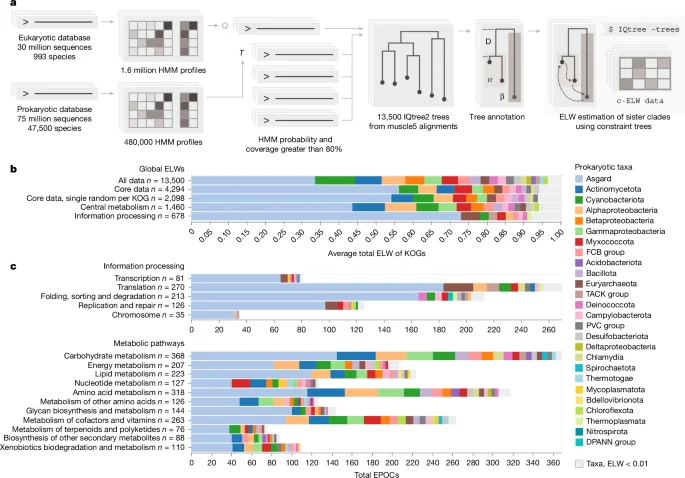
A comprehensive phylogenomic analysis shows Asgard archaea contributed the majority of core eukaryotic genes traced to LECA, with Alphaproteobacteria providing mainly mitochondrial-related components and energy metabolism; other bacteria contributed sporadically without clear patterns. This supports a model where key eukaryotic features—cytoskeleton and endomembrane system—evolved in the Asgard lineage before LECA, with mitochondria acquired later and additional bacterial genes entering gradually via HGT. The study uses soft-core pangenomes and constrained trees to minimize late HGT and test origins, though conclusions depend on the current sampling of Asgard and bacterial genomes.

Cancer hijacks immune cell mitochondria to boost spread and dodge defenses
science1 month ago

Cancer hijacks immune cell mitochondria to boost spread and dodge defenses

In mice, cancer cells acquire mitochondria from immune cells, weakening those cells and activating a type I interferon program in the cancer cells that promotes lymph‑node invasion. Blocking this pathway reduces spread, and the effect occurs even when the stolen mitochondria can’t produce ATP, indicating energy production isn’t required for this mechanism.

Mitochondria: The Brain's Tiny Engines Influencing Mood and Mental Health
health2 months ago

Mitochondria: The Brain's Tiny Engines Influencing Mood and Mental Health

A recent study highlights the role of mitochondria, the energy-producing organelles in brain cells, as key mediators linking stress, trauma, and mental health. Chronic stress and social isolation impair mitochondrial function, leading to mental and physical health issues, but lifestyle interventions like exercise and therapy can restore mitochondrial health and resilience.