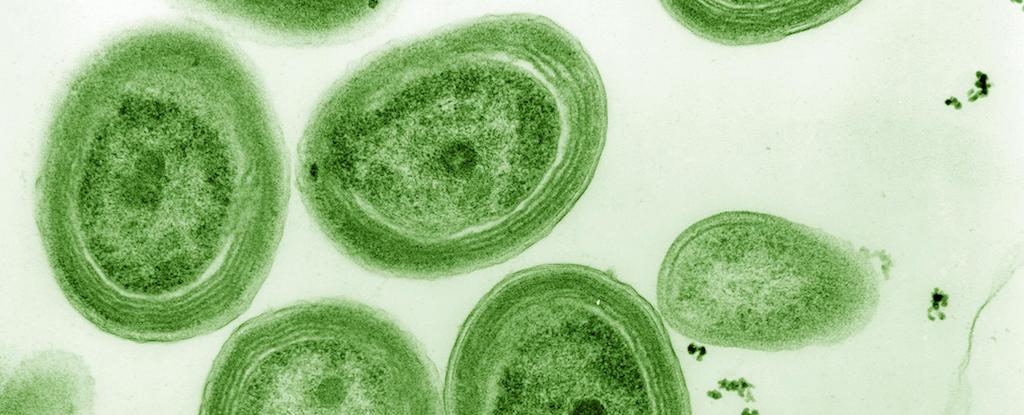
A new study warns that rising ocean temperatures threaten Prochlorococcus, Earth's most abundant photosynthetic microbe, which produces nearly a third of the planet's oxygen. The microbe's optimal temperature range is 19-28°C, and temperatures above 30°C significantly reduce its growth, potentially leading to a decline in its population and impacting global oxygen levels and marine food webs. The study highlights the importance of understanding microbial responses to climate change and the potential shift in oceanic ecosystems.
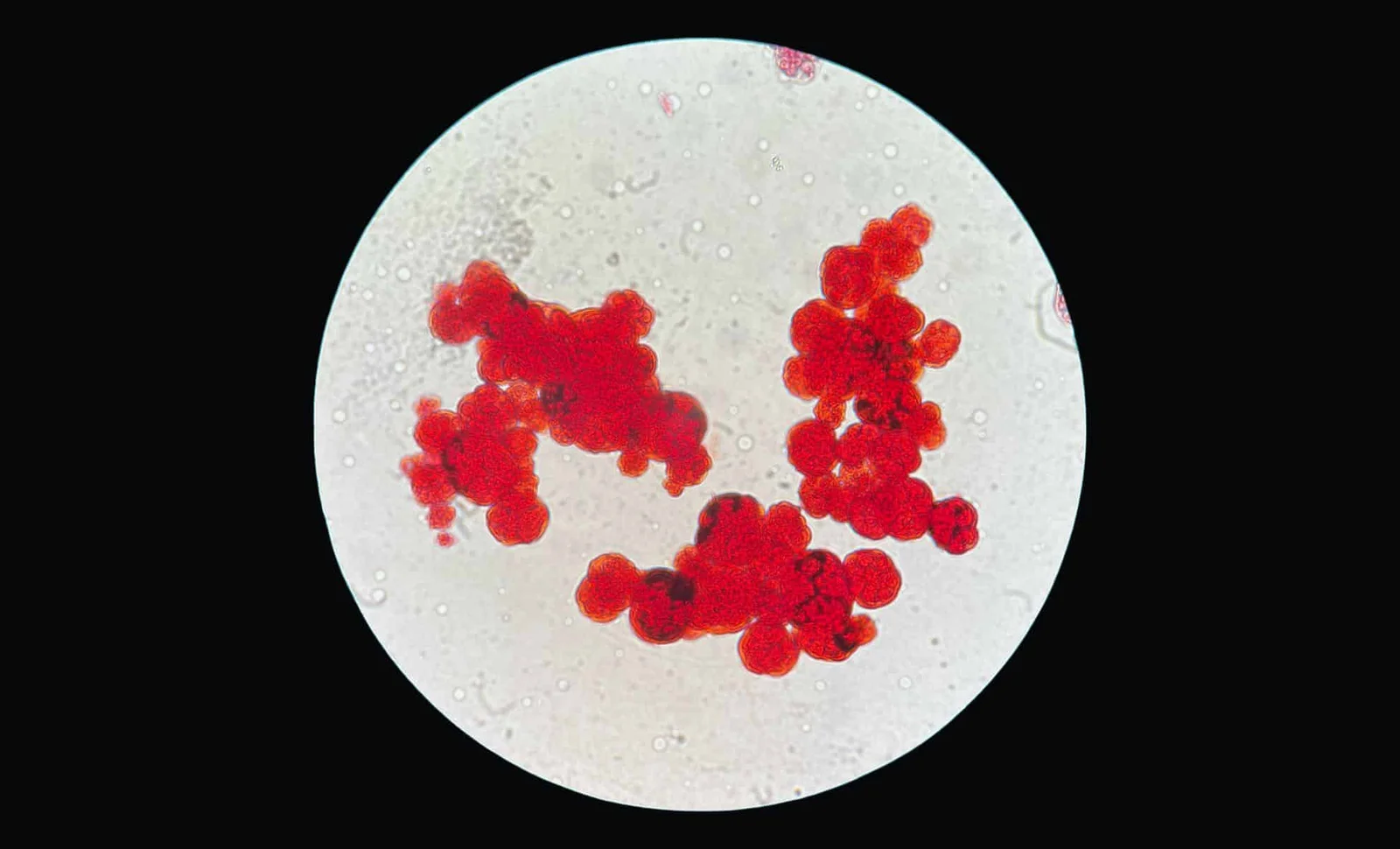
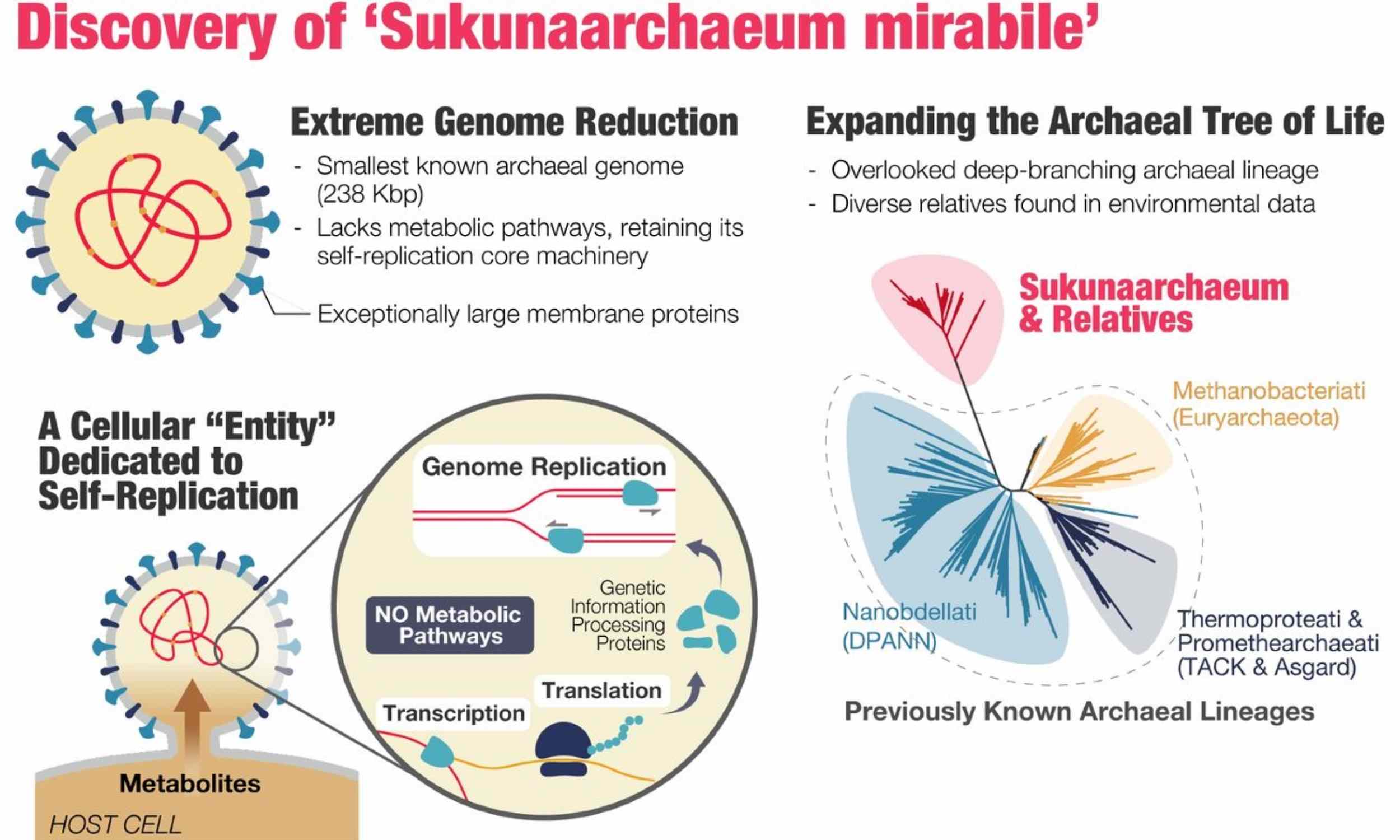
Scientists have discovered Sukunaarchaeum mirabile, a microbe with a minimal genome and characteristics that blur the line between cellular life and viruses, challenging traditional definitions of life and suggesting a new branch in the tree of life, with significant implications for understanding microbial evolution.
Scientists have discovered Sukunaarchaeum mirabile, a microbe that challenges traditional definitions of life by being cellular yet highly dependent on its host, blurring the line between viruses and living organisms, and prompting a reevaluation of what constitutes life.
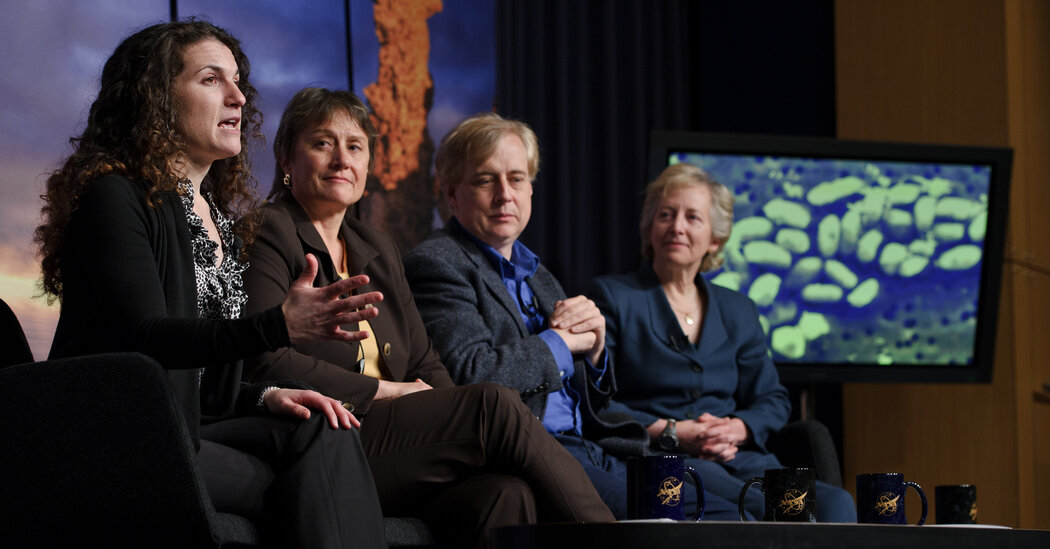
Science has officially retracted the 2010 paper claiming the discovery of a microbe that survives using arsenic instead of phosphorus, citing fundamental flaws and failed replications, though the authors and NASA dispute the retraction's appropriateness. The case highlights ongoing debates about scientific errors, data integrity, and the impact of social media scrutiny on research.
A 2010 study claiming the discovery of an arsenic-eating microbe, GFAJ-1, has been retracted by Science due to contaminated data, despite the original authors' disagreement, highlighting ongoing debates and issues in scientific research.
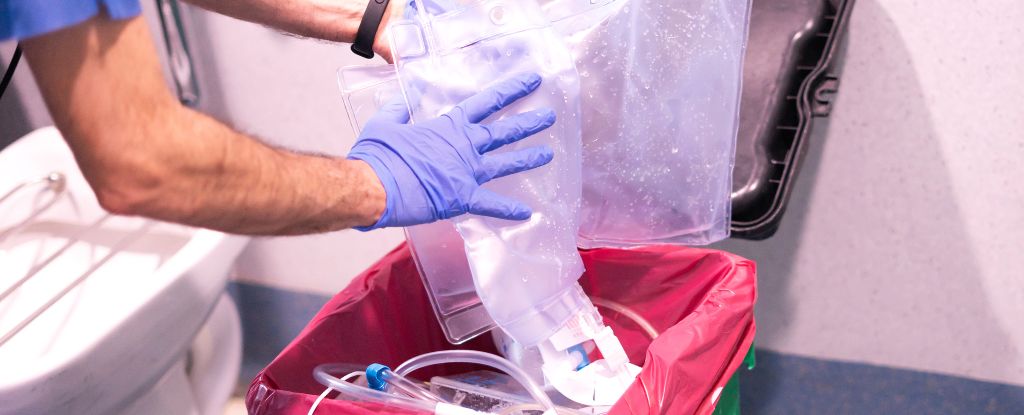
Researchers discovered that the hospital pathogen Pseudomonas aeruginosa can produce an enzyme called Pap1 that allows it to break down and feed on plastic, potentially impacting the use of plastics in medical settings and highlighting the need for antimicrobial solutions in medical plastics.