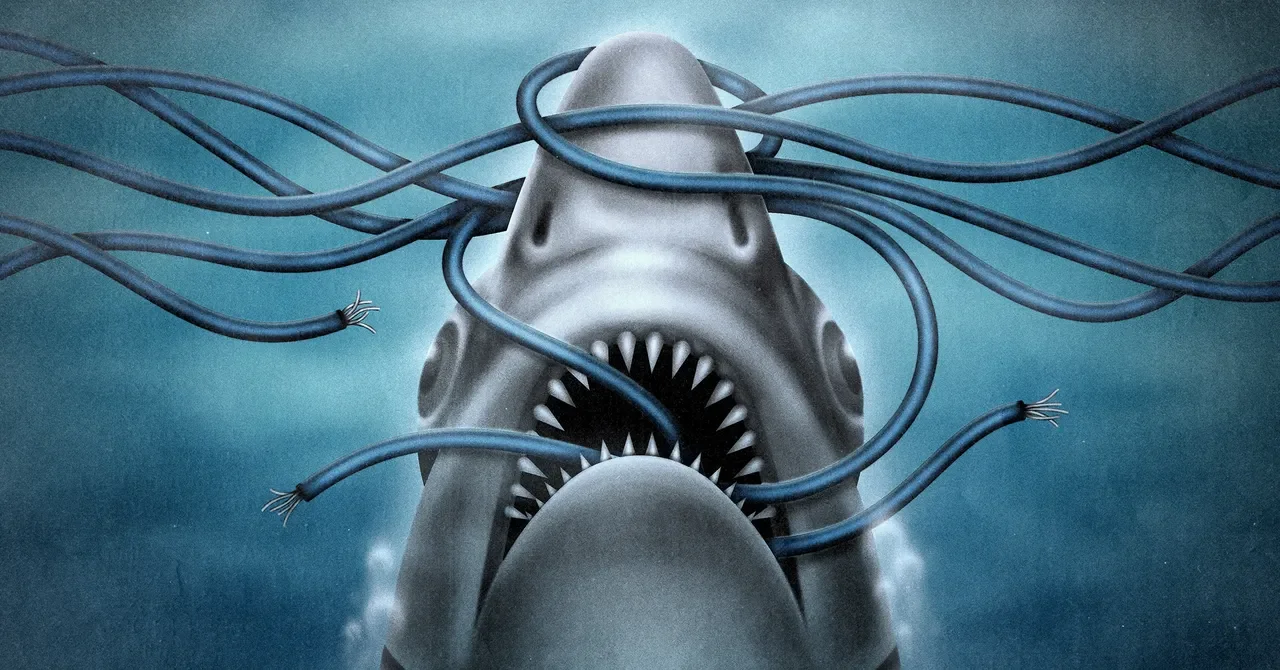
The first-ever transoceanic fiber-optic cable is being ripped from the ocean floor, signaling a major renewal of the global internet backbone and highlighting the vast network of subsea cables that carry most intercontinental traffic.
The article discusses the growing importance of optical networking stocks in the AI boom, highlighting ten companies positioned to benefit from increased demand for high-speed data transmission in AI applications, despite their high valuations and industry volatility.
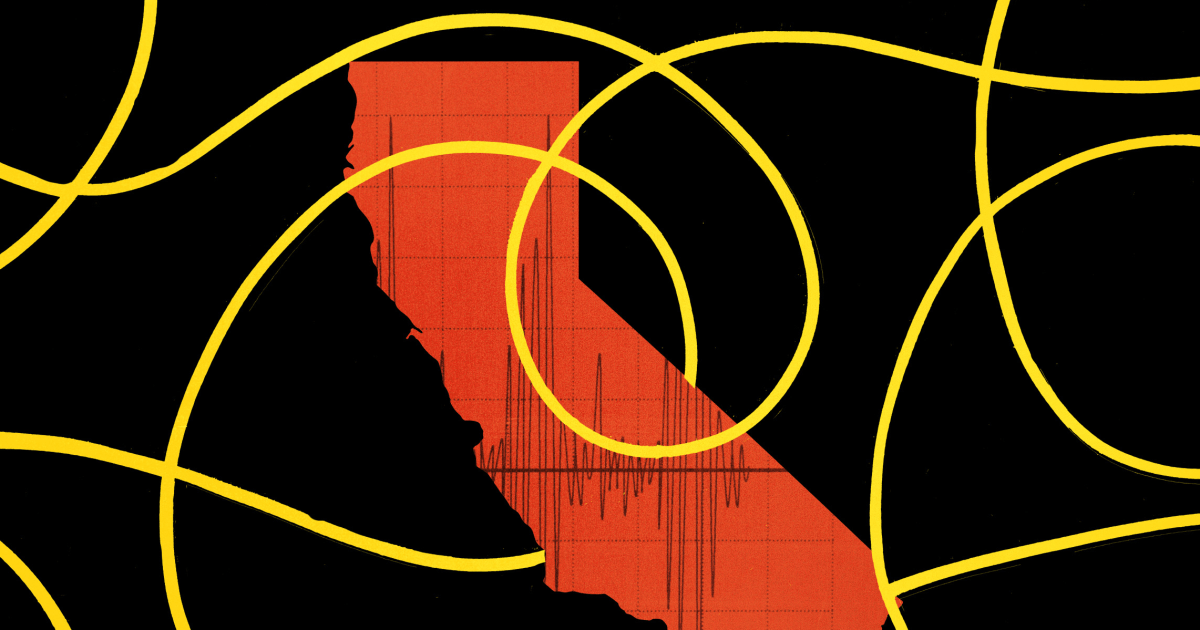
Scientists have demonstrated that fiber optic cables can be used as highly detailed seismometers to detect and image earthquakes in real-time, potentially revolutionizing early warning systems and earthquake prediction by leveraging existing telecommunications infrastructure.
Researchers backed by Microsoft have developed a new hollow-core fiber cable with record-low optical loss, promising faster data transmission, lower latency, and more efficient networks, potentially revolutionizing optical communications and benefiting applications like AI, remote surgery, and autonomous vehicles.
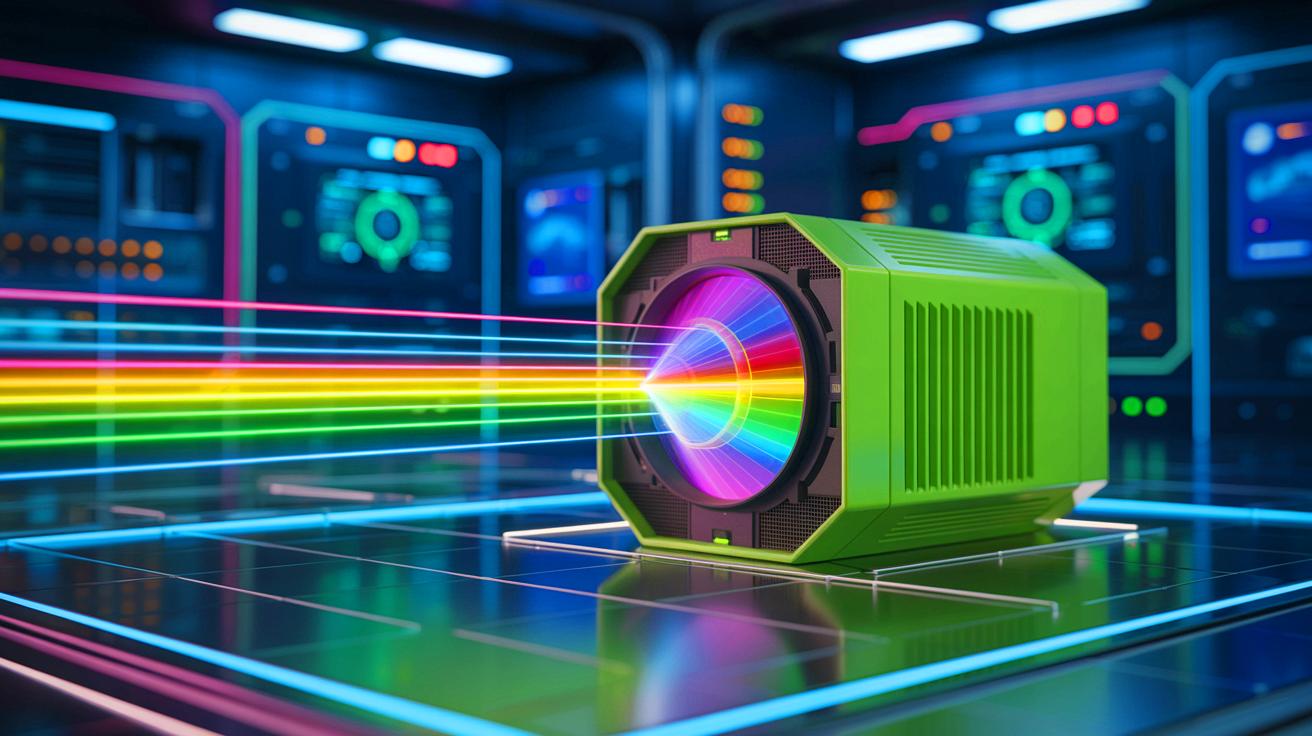
Scientists have developed a groundbreaking laser amplifier that increases data transmission speeds by ten times, utilizing spiral-shaped waveguides and expanded bandwidth, which could revolutionize internet speeds, telecommunications, and various light-based technologies like medical imaging.
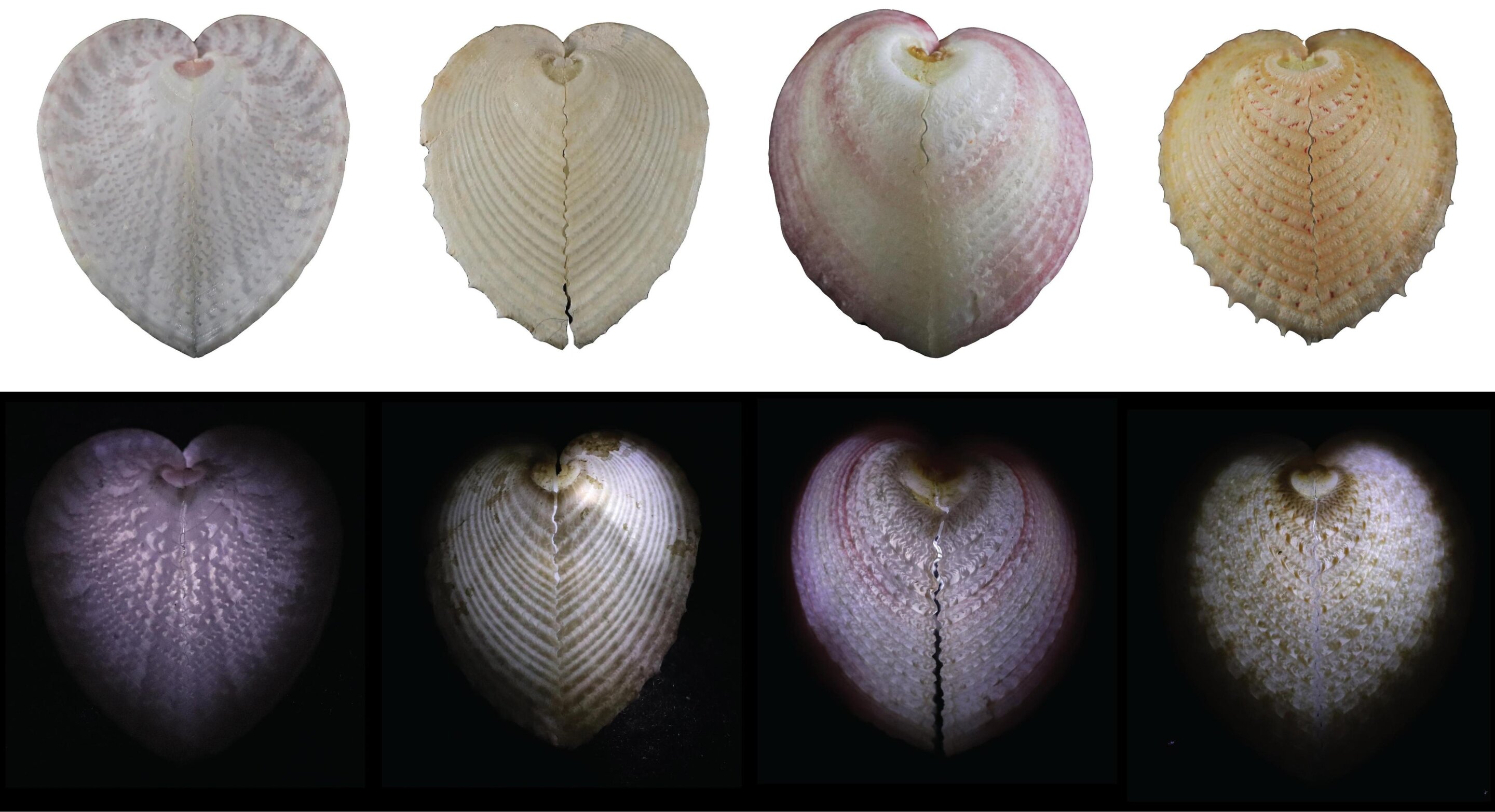
Researchers have discovered that the heart cockle mollusc uses its shell structure to channel sunlight to its symbiotic algae, similar to fiber optic cables. This natural adaptation allows the mollusc to provide more beneficial sunlight while minimizing harmful UV exposure, potentially explaining its resilience compared to corals during heat stress. The findings could inspire advancements in fiber optic technology and strategies to protect coral reefs.
Researchers from the University of Chicago, Stanford, and Duke have discovered that heart cockles, a type of bivalve mollusk, have transparent windows in their shells that allow light to reach symbiotic algae living inside. These windows, made from aragonite, focus light using bundled fiber optic structures, enhancing photosynthesis while blocking harmful UV rays. This natural design could inspire more cost-effective artificial fiber optic cables. The study was published in Nature Communications.
Researchers from Aston University in the UK have achieved transmission speeds of 301,000,000 megabits per second using existing fiber optic infrastructure, surpassing average broadband speeds by 4.5 million times. By utilizing previously unused wavelength bands, the researchers were able to significantly increase data transmission rates without the need to replace current fiber infrastructure. While not the fastest transmission ever achieved, this breakthrough could lead to substantial advancements in data delivery capabilities.
AT&T and other phone service providers are seeking to phase out traditional landline telephone services in favor of newer, faster technologies such as fiber optics and wireless. This shift will impact consumers, particularly seniors, small businesses, and those in rural areas, who may face higher costs and reliability concerns. The transition away from copper-based landlines is part of a global trend, but challenges exist in fully replacing the old infrastructure, including the need for alternative solutions and addressing reliability issues in areas with limited internet access.
AT&T has applied for a waiver to stop servicing traditional landlines in California as part of a broader industry shift away from copper wire-based telephone systems to faster, more advanced technology like fiber optics and ethernet access. Consumers will need to decide whether to give up their landlines or face potentially higher costs, with impacts on seniors, small businesses, and areas prone to power outages or disasters. Challenges in fully phasing out copper landlines include the reliability of alternatives like VoIP, the difficulty of locating and removing old equipment, and the lack of high-speed internet in rural areas. The California Public Utilities Commission will hold meetings to discuss the potential discontinuation of copper landline phone service across the state.
Fiber optic cables, traditionally used for internet connectivity, are now being repurposed for distributed acoustic sensing (DAS) to monitor train activity and infrastructure along railways. By analyzing the vibrations created by trains and other disturbances, scientists can detect potential issues such as track cracks, rockslides, or faults in track alignment. This technology utilizes existing fiber optic infrastructure and can provide detailed insights into the health of railways, potentially preventing problems before they occur.
Fiber optic cables, traditionally used for internet connectivity, are now being repurposed for distributed acoustic sensing (DAS) to monitor various activities such as train vibrations, rockslides, and even elephant footsteps near railroad tracks. This technology, which involves analyzing disturbances in light traveling through the cables, has the potential to revolutionize railroad maintenance and safety by detecting issues such as track faults and rockfalls. While the vast amount of data generated by DAS presents a challenge, advancements in machine learning and AI are being utilized to automate the analysis and improve the sensitivity of detecting events, making it a promising tool for enhancing safety in railroad operations.
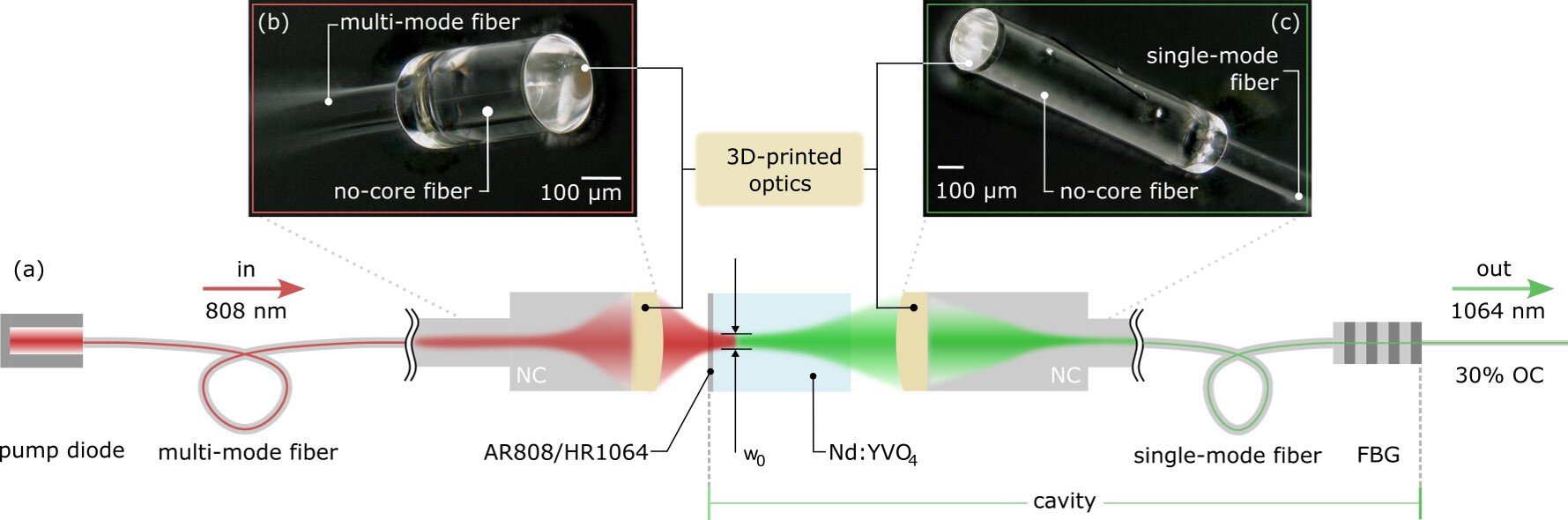
Researchers have successfully 3D printed micro-optics onto optical fibers, creating a stable hybrid laser that combines the advantages of fiber-based and crystal-based solid-state lasers. The 3D-printed lenses exhibited high damage threshold and stability, allowing the laser to operate at output powers of over 20 mW. This breakthrough enables the development of inexpensive, compact, and stable laser sources that have potential applications in lidar systems for autonomous vehicles, lithography, laser marking, and medical procedures such as precise tissue destruction. The researchers are now working on optimizing the efficiency of the printed optics and exploring different crystals for customized laser outputs.