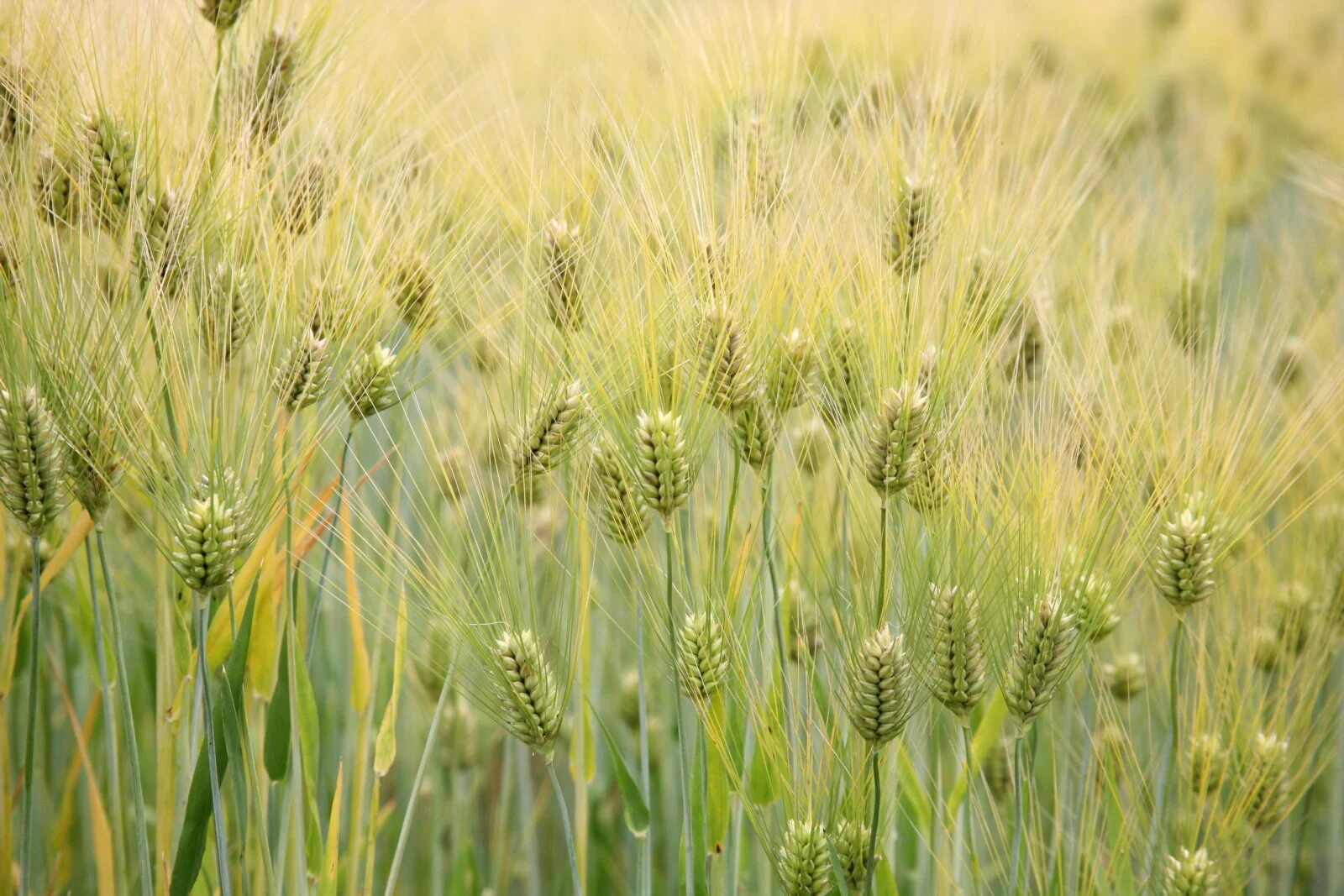
Researchers have identified a genetic switch in plants that can be modified to enable crops like barley to fix nitrogen from the air through symbiosis with bacteria, potentially reducing the need for artificial fertilizers and making agriculture more sustainable.
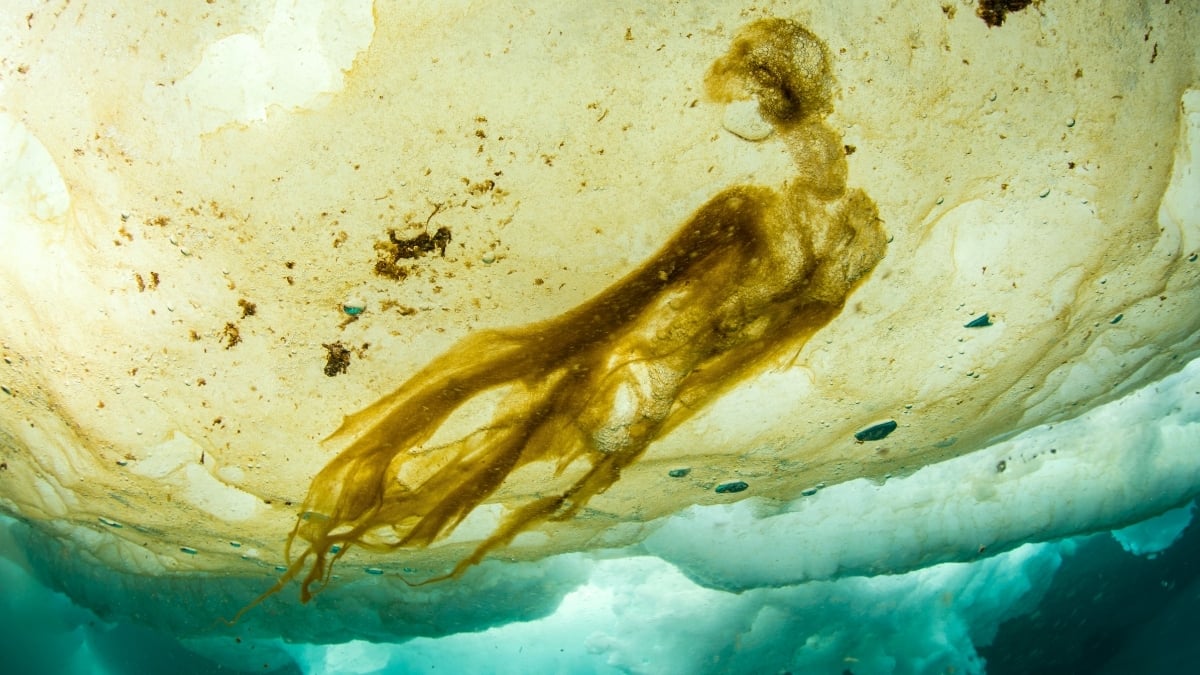
Scientists have discovered that nitrogen fixation occurs under Arctic sea ice, challenging previous assumptions that it was impossible in such inhospitable conditions. This process, vital for supporting marine food webs and potentially influencing the ocean's carbon budget, is now understood to be more widespread in the Arctic than previously thought, especially as sea ice retreats due to climate change. The findings suggest that Arctic ecosystems may be more resilient and productive than expected, but also highlight the need to include nitrogen fixation in future climate models.
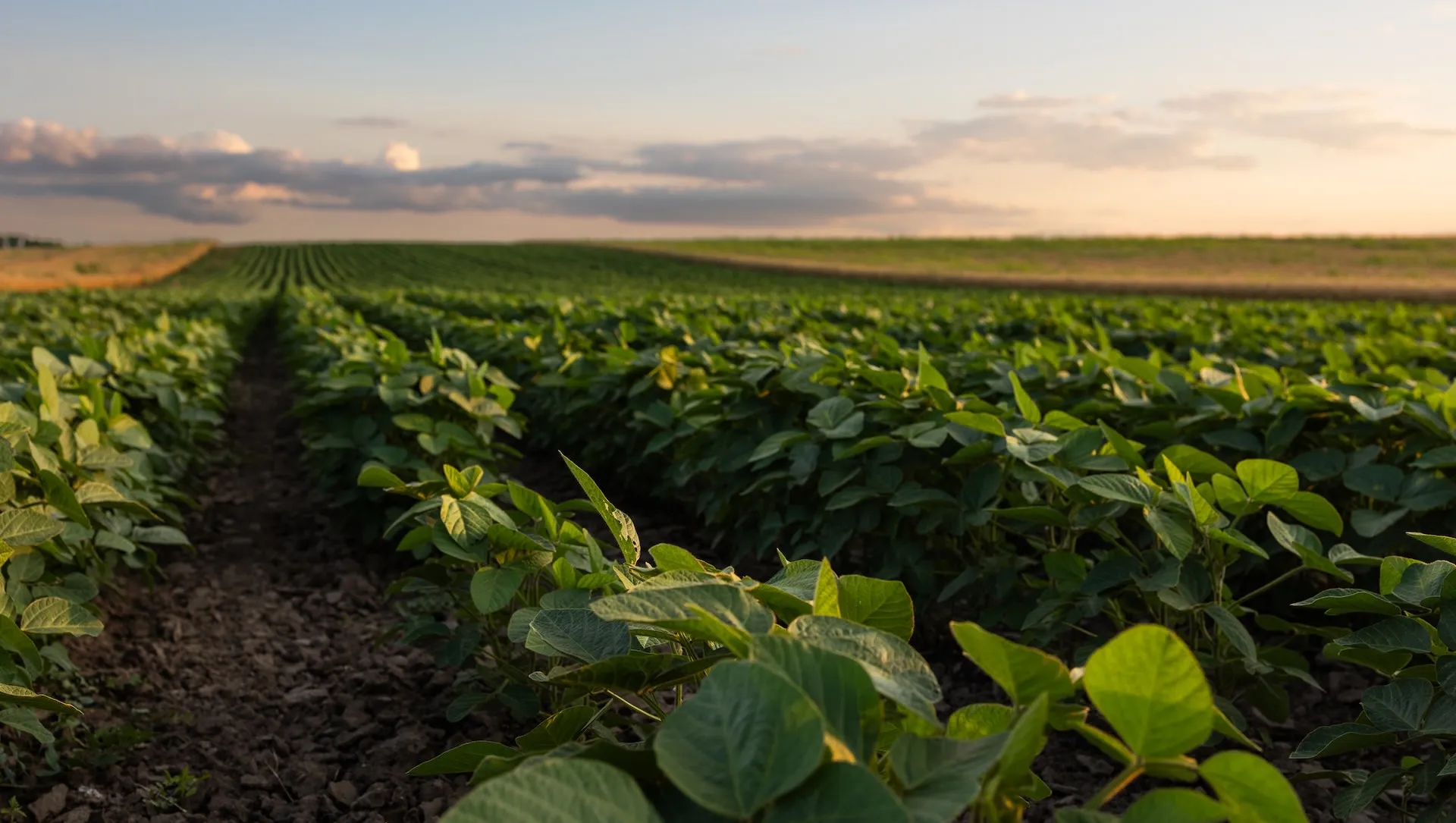
Researchers in Europe have discovered that zinc plays a crucial role in enhancing nitrogen fixation in legumes, which could lead to more sustainable farming practices by reducing reliance on chemical fertilizers, benefiting the environment and human health.
A new study reveals that marine snow, tiny drifting debris in the ocean, serves as a crucial habitat for bacteria that fix nitrogen, supporting ocean productivity and stability across various temperatures and oxygen levels, including in oxygen minimum zones, with implications for understanding climate change impacts on marine ecosystems.
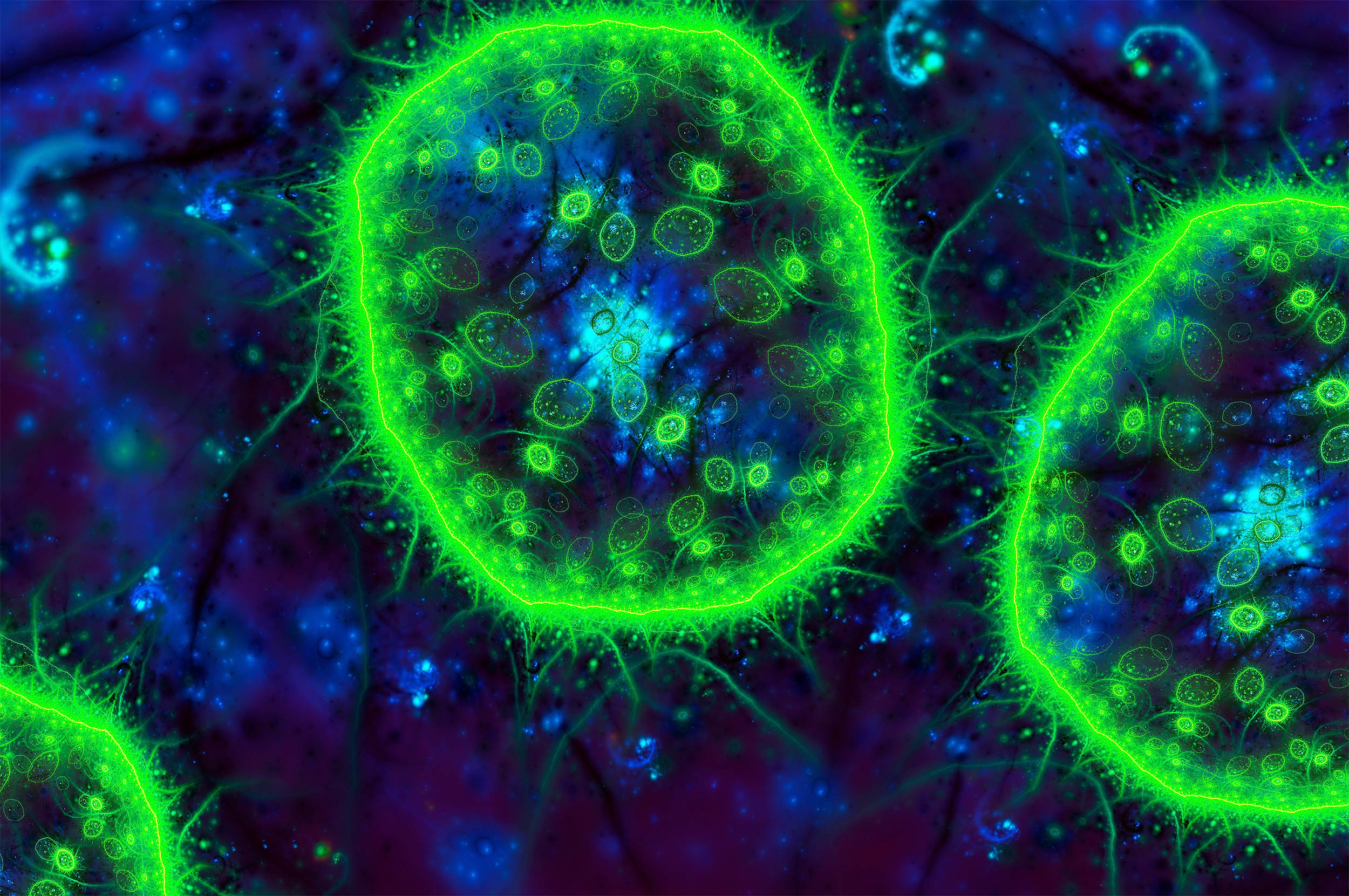
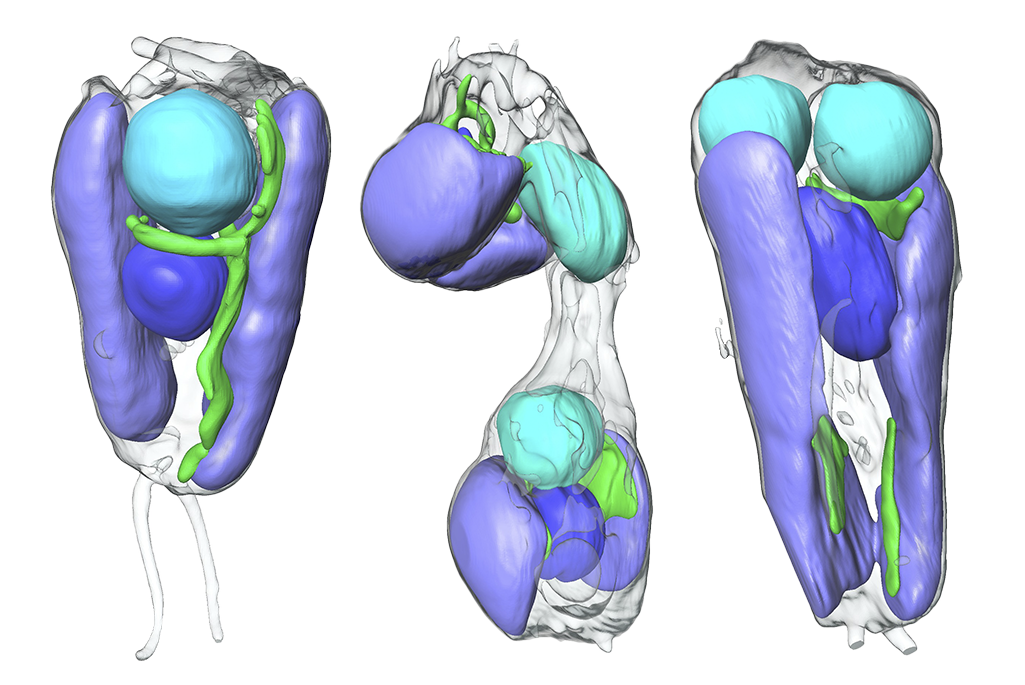
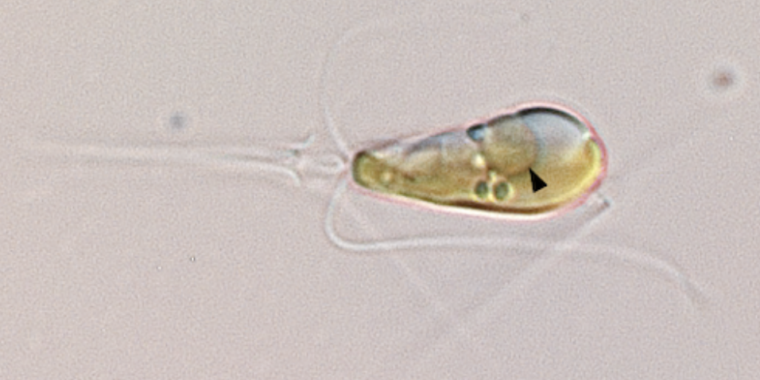
Scientists have discovered the first nitrogen-fixing organelle within a eukaryotic cell, challenging the belief that only bacteria can perform nitrogen fixation. Named a nitroplast, this organelle is the result of a rare process called primary endosymbiosis, where a prokaryotic cell is engulfed by a eukaryotic cell and evolves into an organelle. The discovery, involving decades of work and a bit of luck, sheds light on the evolution of organelles and has the potential to change perspectives on nitrogen fixation, agriculture, and ocean ecosystems. This research was funded by the Simons Foundation, National Institute of General Medical Sciences, and the Department of Energy (DOE) Office of Science Office of Biological and Environmental Research.
Researchers have discovered a potential new organelle, termed a nitroplast, which is evolving to fix nitrogen from the atmosphere. This process, known as endosymbiosis, is rare and has only been observed in a few cases, such as with mitochondria and chloroplasts. Nitrogen is essential for life, and the difficulty in obtaining it makes this discovery significant in understanding the evolution of complex cells and their specialized functions.
Scientists have found geological evidence suggesting that volcanic lightning associated with explosive eruptions may have played a crucial role in fixing nitrogen, making it available for biological processes during Earth's early years. The discovery of significant amounts of nitrates in ancient volcanic deposits indicates that rampant volcanism may have been essential in supplying building blocks for life's emergence. This finding challenges previous assumptions about the origin of nitrate deposits and could have important implications for understanding the role of subaerial explosive eruptions in the emergence of life on Earth.
A study has found that cycad plants, which survived the dinosaur extinction event, relied on symbiotic bacteria in their roots to obtain nitrogen from the atmosphere. These palm-like plants traded sugars with the bacteria in exchange for nitrogen, similar to modern legumes. By analyzing ancient plant fossils, researchers discovered that the surviving cycads were nitrogen-fixers, while the extinct lineages were not. This finding sheds light on the ecological changes that occurred in these plants over time and provides insights into Earth's climate history.
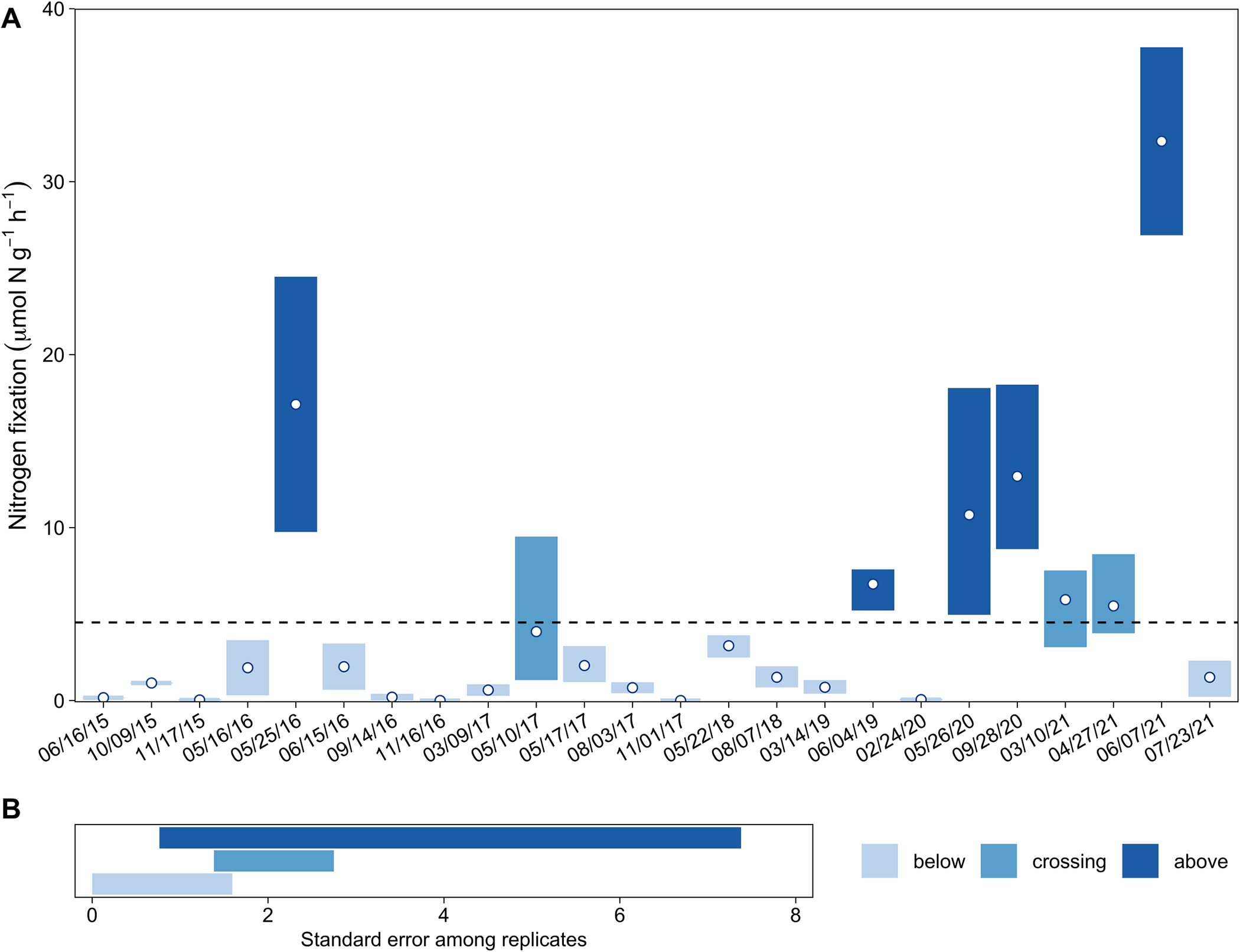
A long-term study conducted by researchers at the University of North Carolina at Chapel Hill has found significant nitrogen fixation hot spots in sargassum, a brown macroalgae in the seaweed family that floats on the surface of the open ocean. Nitrogen fixation, the process by which microorganisms convert nitrogen into a usable form for other plants and animals, was found to be significant in sargassum communities, potentially contributing to sargassum blooms and supporting marine productivity. The study highlights the importance of sargassum in the marine nitrogen cycle and suggests that previous studies may have underestimated nitrogen fixation in the Atlantic nitrogen budget.