The Earth's oceans have warmed for the ninth consecutive year in 2025, absorbing vast amounts of heat that contribute to climate change, extreme weather, and threats to marine ecosystems like coral reefs, with the warming penetrating as deep as 2,000 meters and likely to persist for centuries. Immediate action to reduce greenhouse gases could stabilize or reverse this trend.
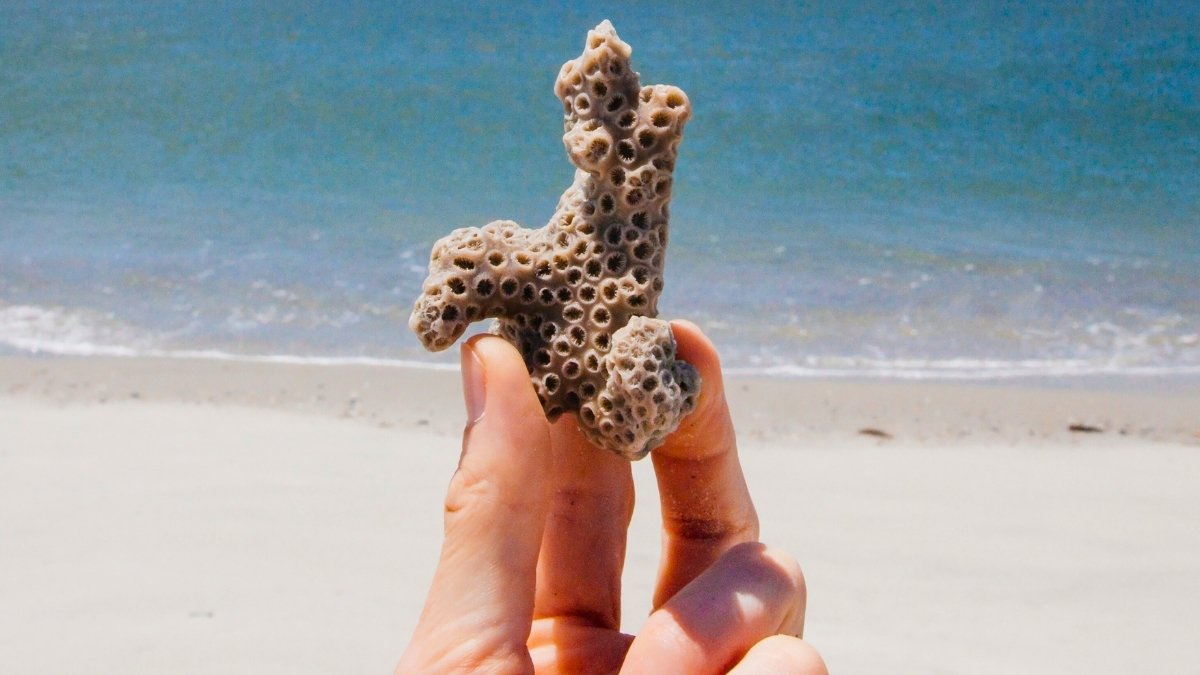
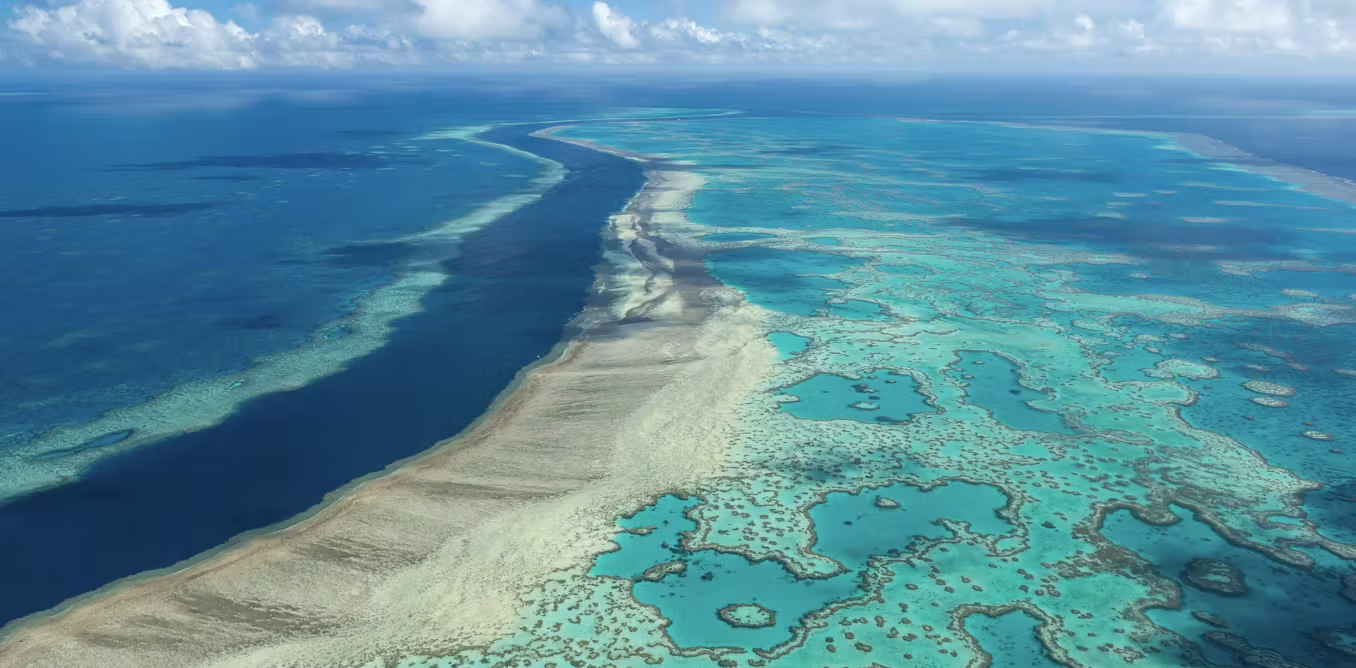
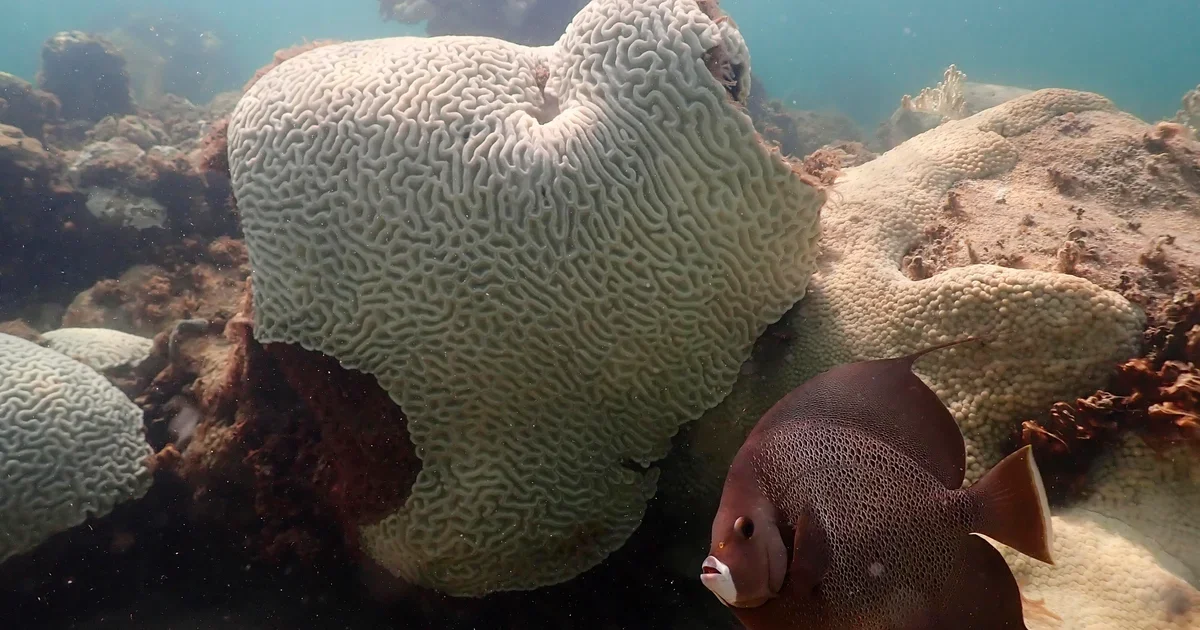
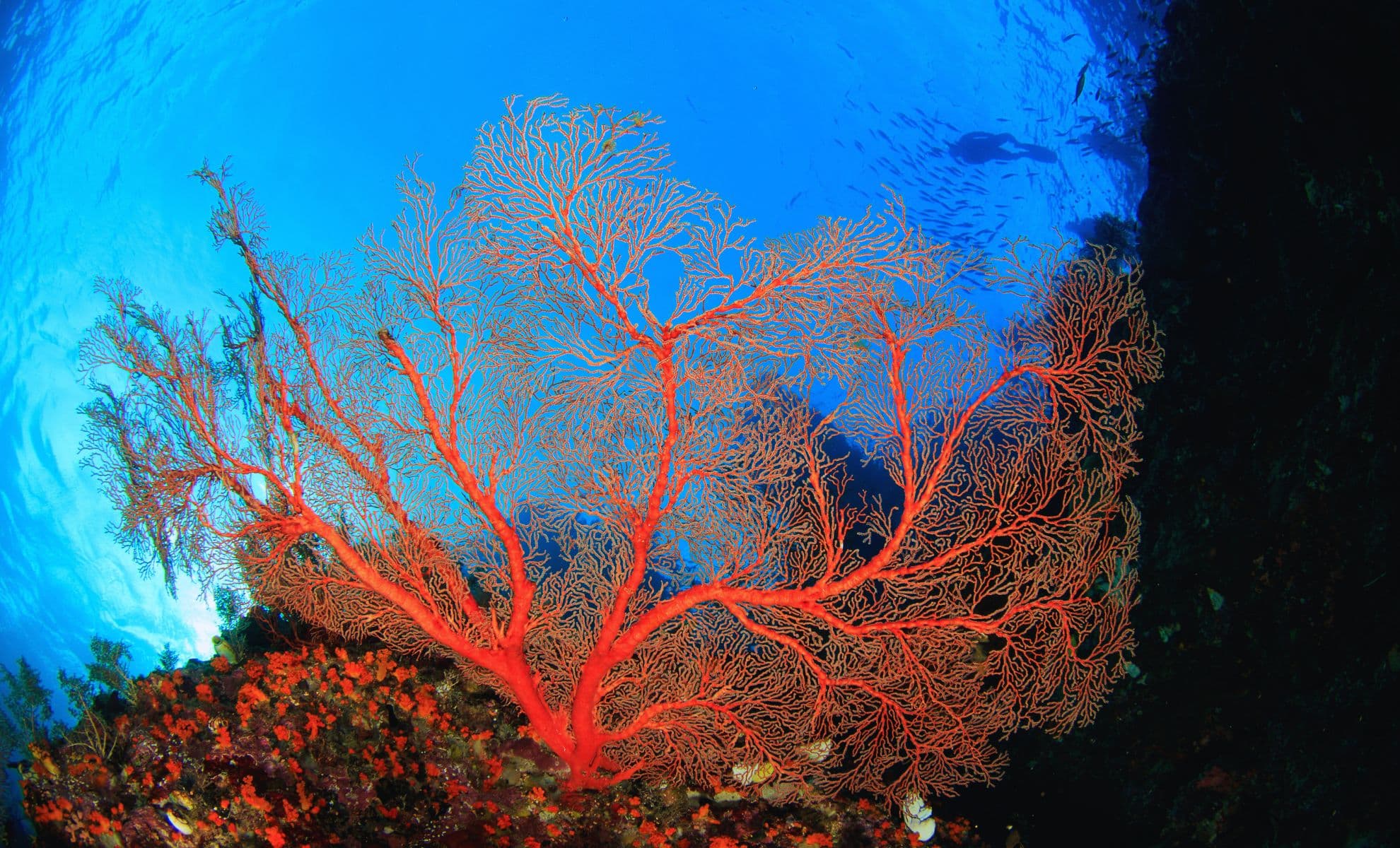
Coral reefs, vital to marine biodiversity, are nearing a potential catastrophic collapse due to increasing ocean heatwaves, especially around 2026, driven by climate change and El Niño cycles. While some reefs show resilience, many are at risk of irreversible damage, emphasizing the need for urgent global action to reduce emissions and local stressors to preserve these ecosystems.
Coral reefs have played a crucial role in regulating Earth's climate for over 250 million years by influencing ocean alkalinity and carbon absorption, with their rise and fall affecting climate recovery times and marine evolution; current reef decline due to human activity may impact this natural climate regulation, but recovery would take thousands to hundreds of thousands of years.
A 2025 report warns that Earth has already crossed critical climate tipping points, including the loss of coral reefs and potential irreversible melting of polar ice sheets, with global temperatures nearing 1.5°C above pre-industrial levels, posing severe risks to ecosystems and human societies. Urgent global efforts are needed to prevent further irreversible damage.
A landmark report warns that the planet has reached a critical climate tipping point, with widespread coral reef die-offs and the potential collapse of vital Earth systems like ocean currents, emphasizing the urgent need for global action to reduce emissions and limit warming to prevent catastrophic consequences.
A new report warns that the Earth has reached its first catastrophic climate tipping point, with coral reefs facing widespread dieback due to rising temperatures, and highlights the urgent need for aggressive climate action to prevent further irreversible ecosystem damage and other tipping points like ice sheet collapse and Amazon dieback.
Coral reefs are the first environmental system on Earth to pass a climate 'tipping point,' with widespread bleaching and dieback due to rising ocean temperatures, signaling an urgent need for global decarbonization to prevent irreversible ecological and economic damage.
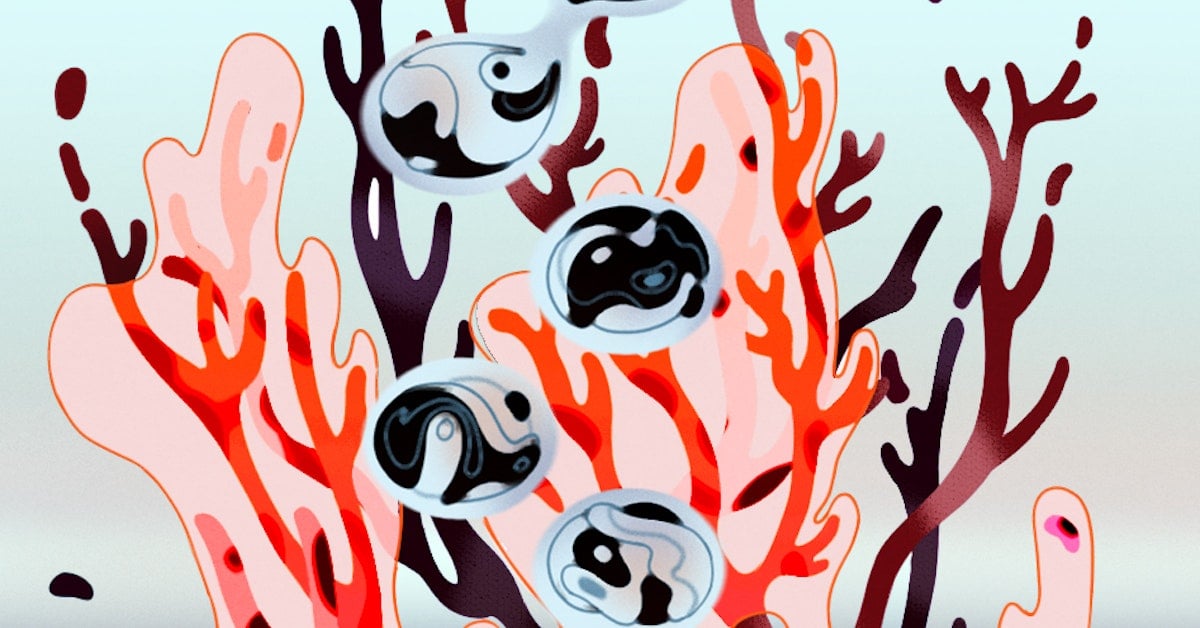
The article explores the potential and ethical dilemmas of using CRISPR gene editing technology to combat environmental issues like coral reef extinction and species preservation, highlighting both scientific advances and the risks of unintended consequences in ecological interventions.
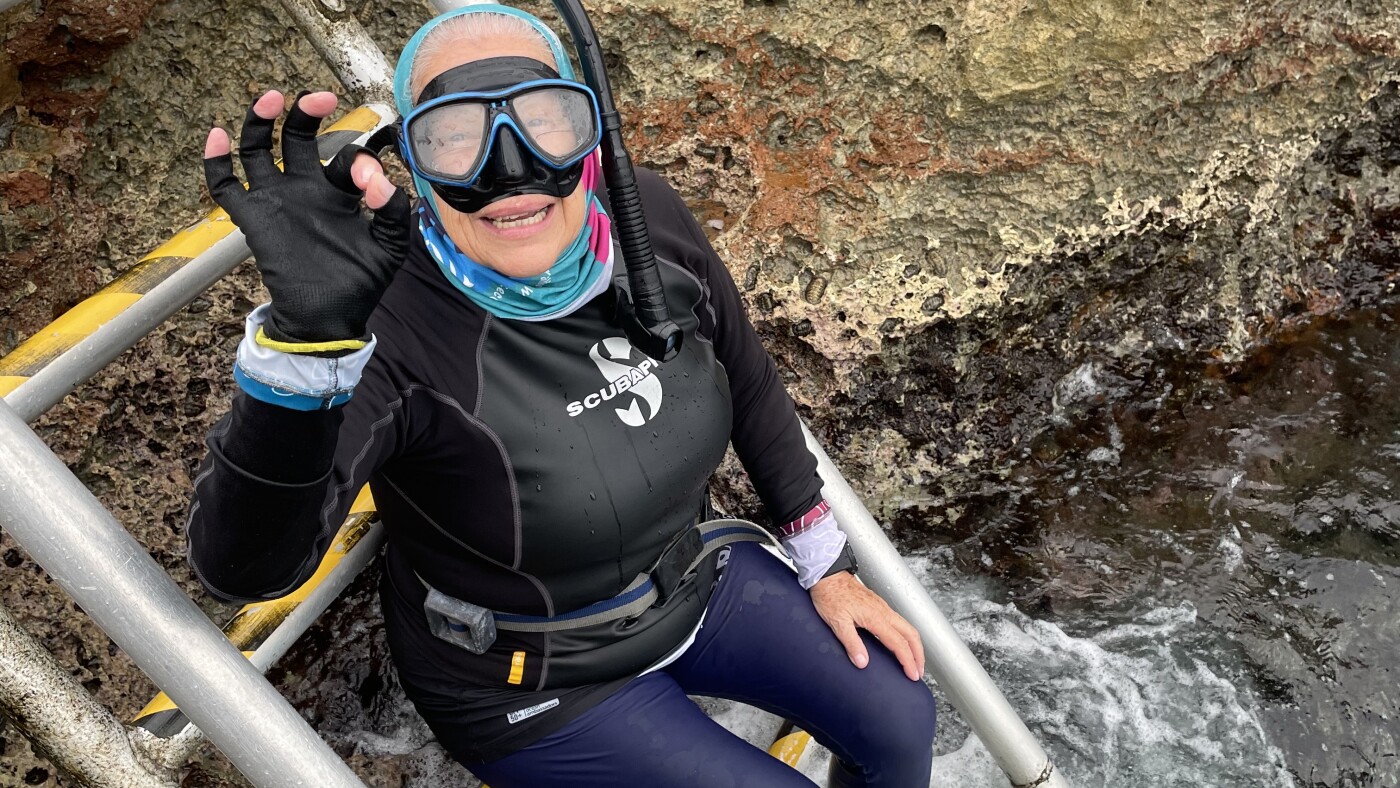
Elvira Alvarado, known as the 'mother of Colombian corals,' is a 70-year-old marine biologist dedicated to saving endangered coral reefs in Colombia through in-vitro fertilization techniques, mentoring new scientists, and promoting resilient coral varieties amidst threats like climate change and disease.
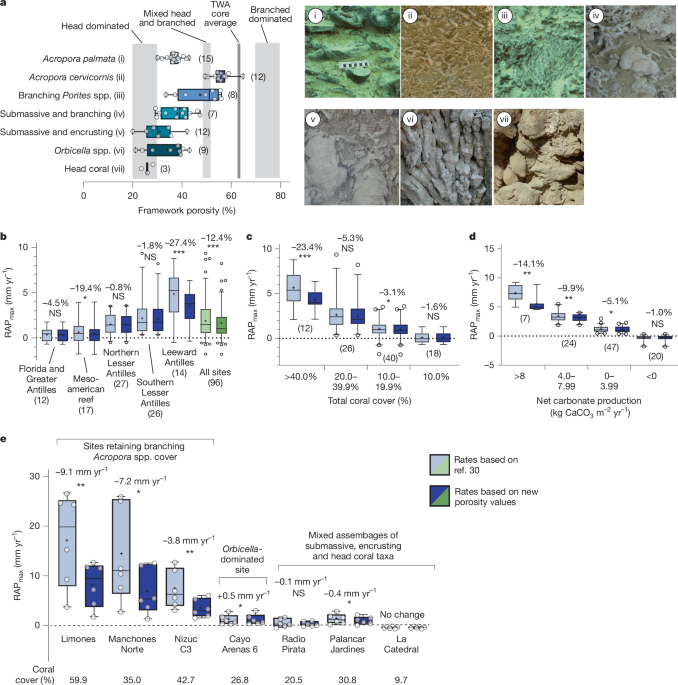
Reduced reef growth due to climate change and ocean acidification will impair the ability of Atlantic coral reefs to keep pace with sea-level rise, increasing coastal flooding risks and diminishing natural coastal protection functions, with projections indicating many reefs will become erosional or unable to match sea-level increases by 2100.
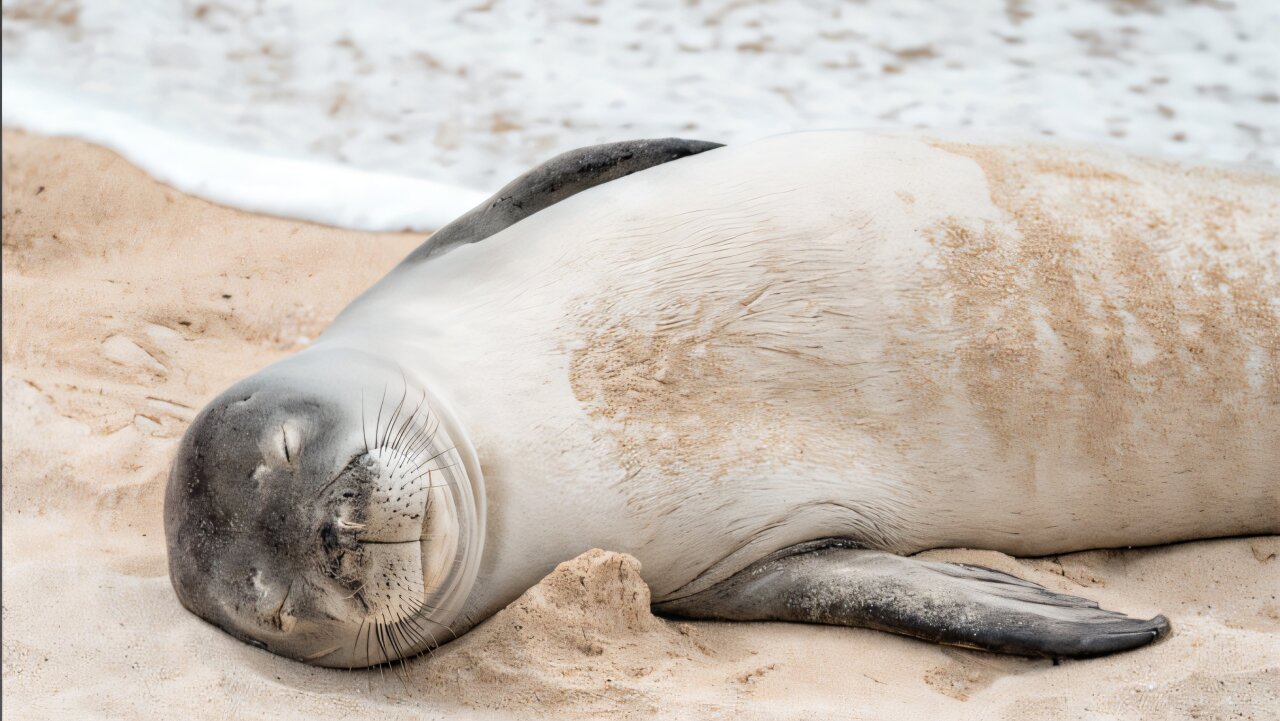
A study from the University of Hawaiʻi found that the temporary absence of tourists during the COVID-19 pandemic led to rapid ecological recovery in Hanauma Bay, with clearer water, more active fish, and increased sightings of endangered monk seals, highlighting the reefs' resilience and the potential for sustainable tourism management.
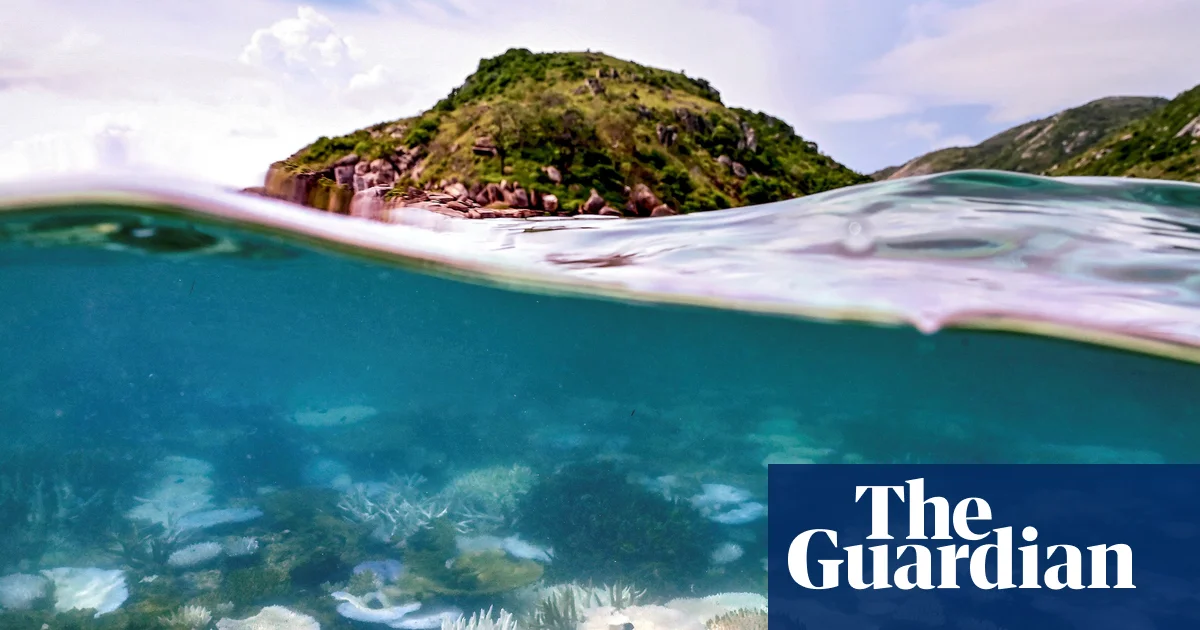
Scientists warn that unprecedented marine heatwaves, likened to 'underwater bushfires,' are causing severe coral bleaching at Ningaloo Reef and the Great Barrier Reef, driven by global warming and local fossil fuel projects, threatening marine ecosystems and local economies. Efforts are underway to monitor and develop resilient corals, but urgent action to reduce emissions is critical to prevent irreversible damage.
The Cook Islands is actively combating a severe outbreak of crown-of-thorns starfish, which threaten coral reefs weakened by climate change, through volunteer efforts to manually remove the starfish and prevent widespread reef destruction.
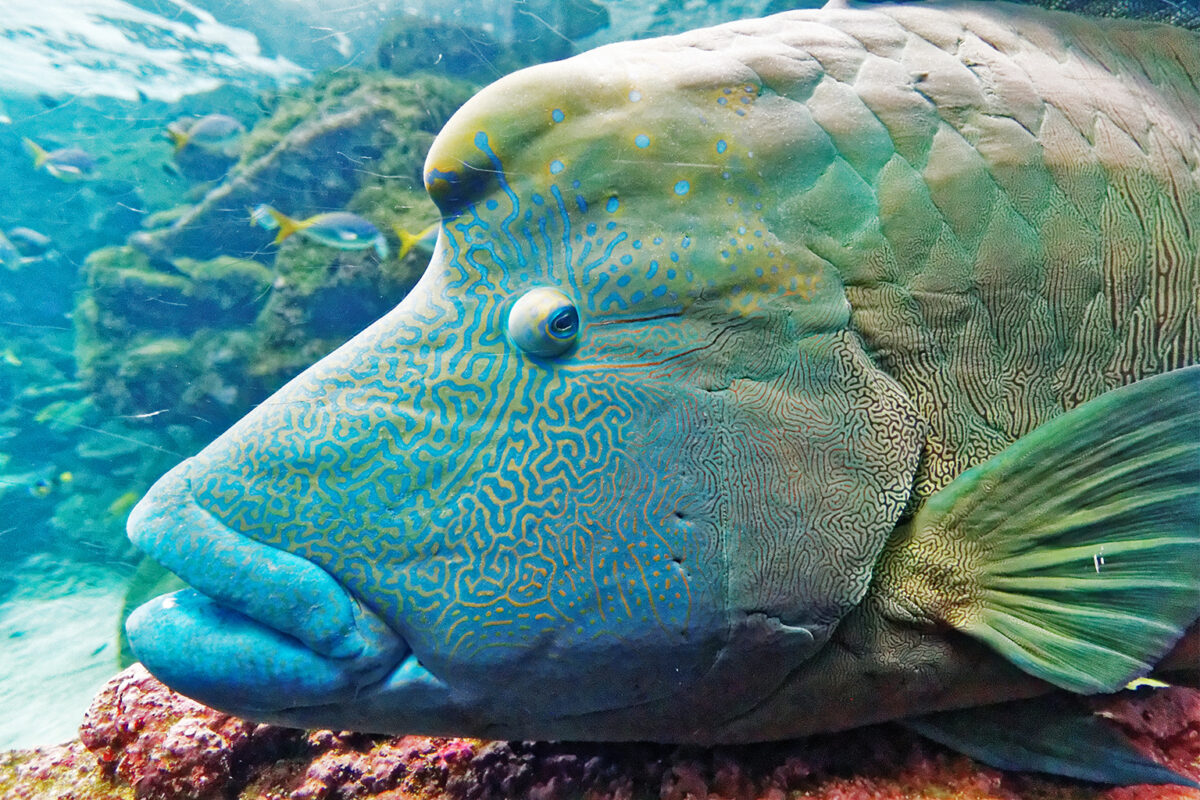
Research highlights the critical decline of large predatory fishes in the western Indian Ocean due to overfishing, weak protection, and climate change, threatening coral reef ecosystems and local livelihoods. Urgent actions like expanding marine protected areas, improving fisheries management, and raising awareness are essential to reverse this trend and preserve marine biodiversity.
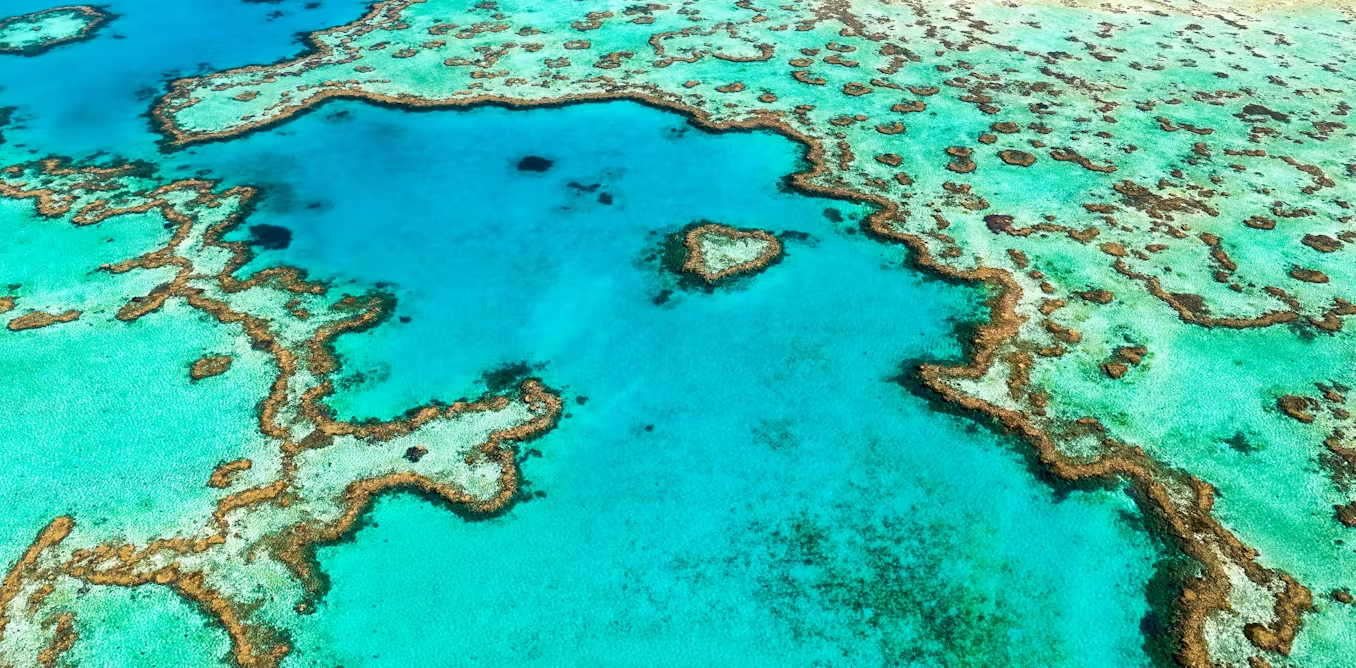
Research on ancient coral fossils from the Great Barrier Reef shows that the reef survived rapid sea level rises around 11,000 years ago, demonstrating resilience, but modern reefs face additional stresses from climate change that threaten their survival. The study suggests that while reefs can adapt to past environmental changes, current human-induced stresses may limit their ability to cope with future sea level rises, emphasizing the need for conservation efforts.