Tag

Animal Evolution

All articles tagged with #animal evolution

Speeding Clock May Uncover Darwin's Fossil Gaps

Originally Published 5 days ago — by The Conversation

Featured image for Speeding Clock May Uncover Darwin's Fossil Gaps
Source: The Conversation

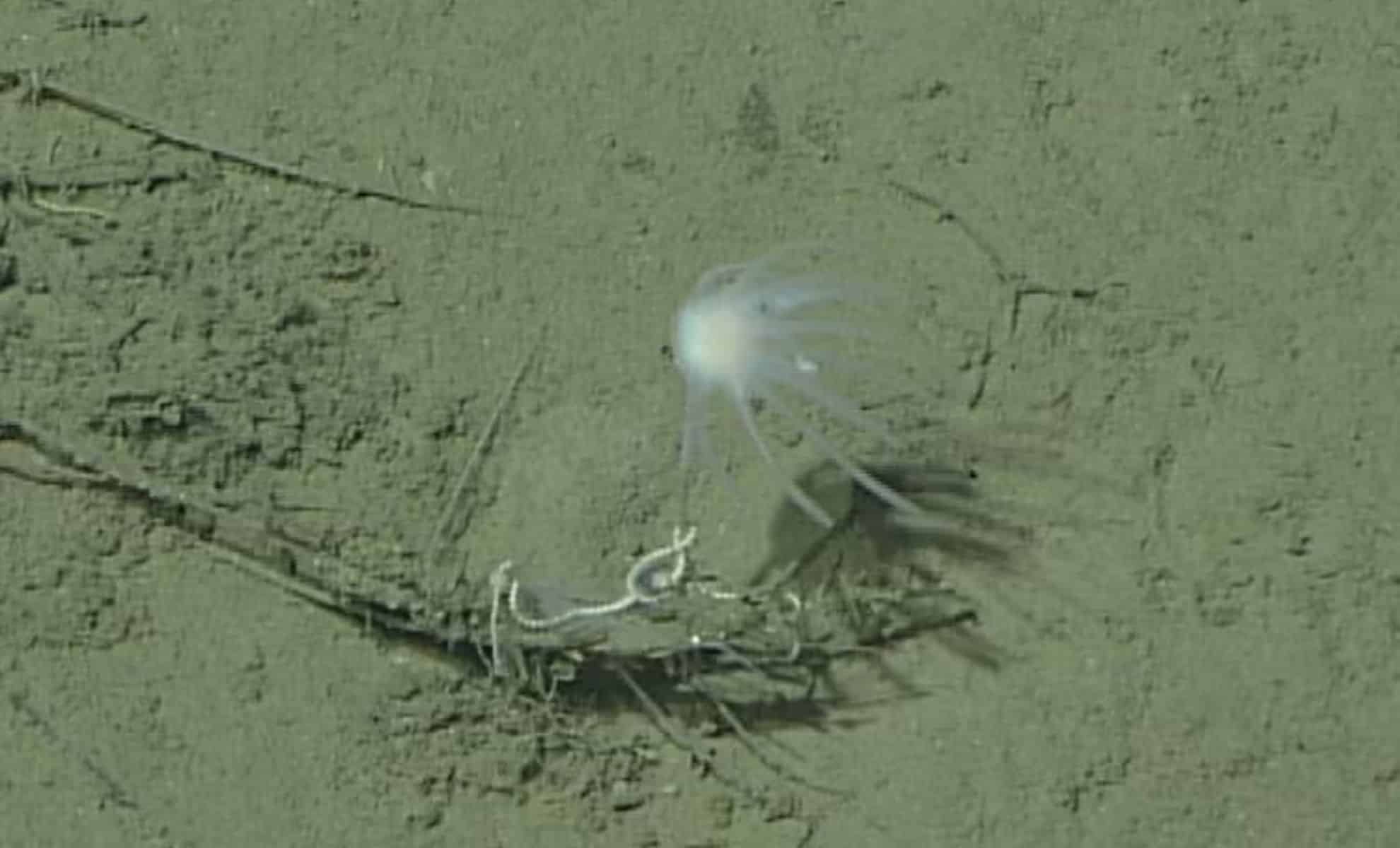
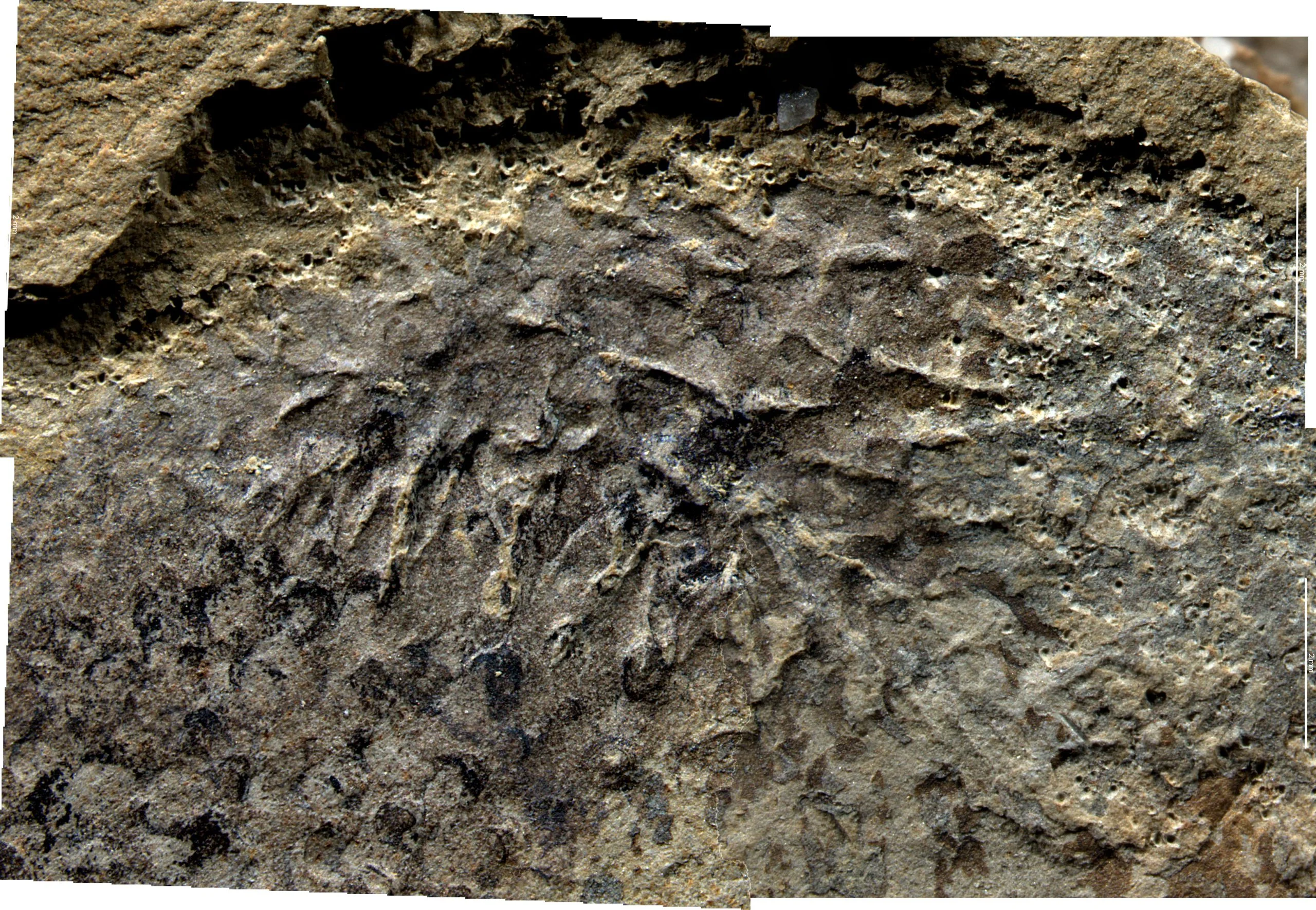
A new theory suggests that the molecular clock, which estimates the timing of evolutionary events, may have sped up during major evolutionary transitions, potentially explaining the 30-million-year gap between the predicted age of the common ancestor of complex animals and their first fossil appearance, thus aligning Darwin's theory with fossil evidence.

Scientists Discover First Branch in the Tree of Life

Originally Published 4 months ago — by Yahoo News Canada

Featured image for Scientists Discover First Branch in the Tree of Life
Source: Yahoo News Canada

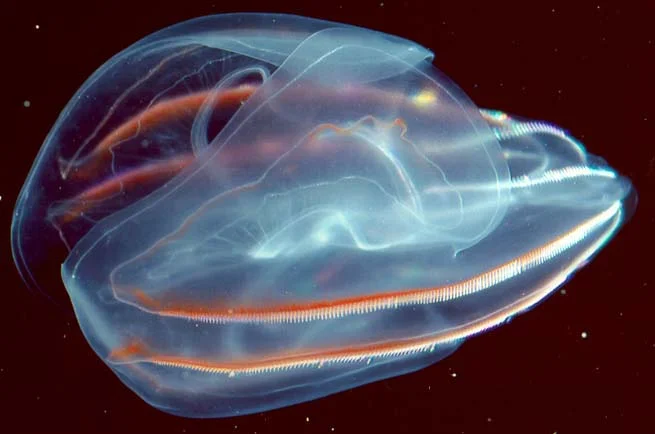
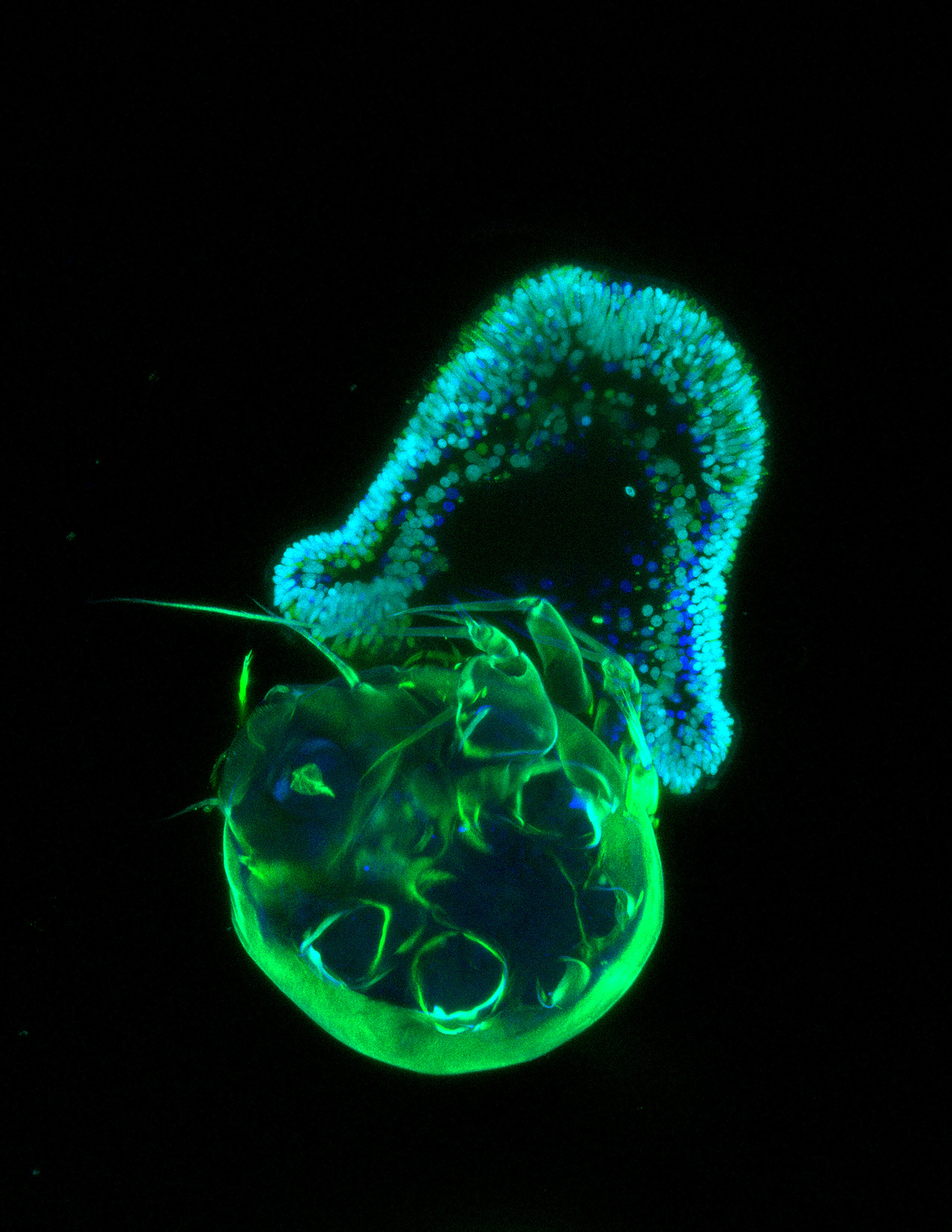
Scientists have identified the comb jelly as the first animal to branch off from the common ancestor of all animals, using new chromosomal analysis techniques that compare gene arrangements across species, resolving a long-standing debate between sponges and comb jellies.

700-Million-Year-Old Species Redefines Evolutionary History

Originally Published 7 months ago — by Indian Defence Review

Featured image for 700-Million-Year-Old Species Redefines Evolutionary History
Source: Indian Defence Review

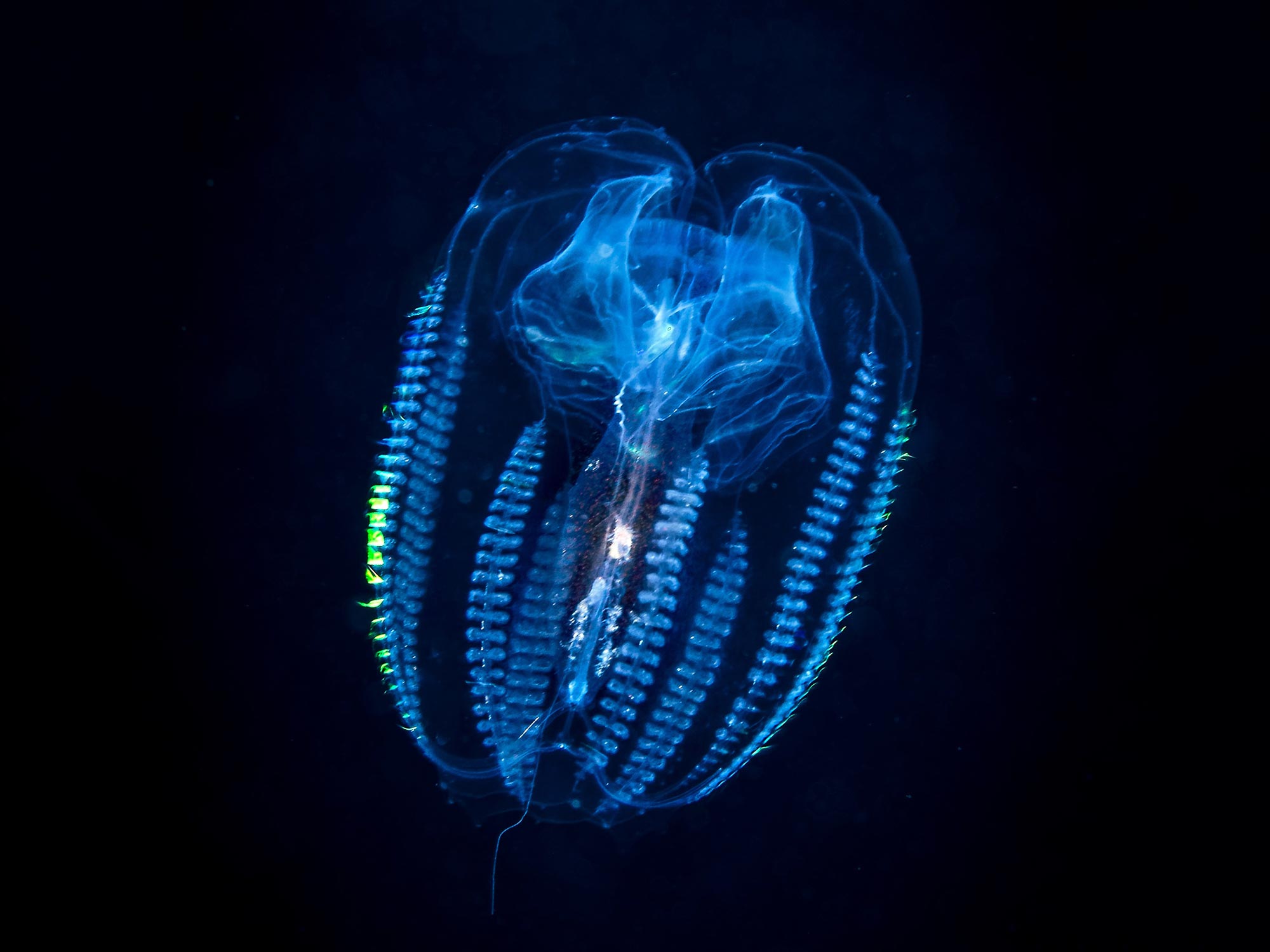
Recent genomic research reveals that ctenophores, or comb jellies, are the earliest known branch of the animal tree of life, predating sponges, which challenges previous assumptions and suggests that complex traits like nerves and muscles may have evolved independently in different lineages, reshaping our understanding of animal evolution.

700-Million-Year-Old Ancient Creature Discovered

Originally Published 7 months ago — by The Brighter Side of News

Featured image for 700-Million-Year-Old Ancient Creature Discovered
Source: The Brighter Side of News

A groundbreaking genomic study reveals that ctenophores, not sponges, are the earliest branch of the animal tree of life, challenging previous assumptions and suggesting complex traits like nervous systems may have evolved more than once, reshaping our understanding of animal origins.

"Unraveling Evolution's Genetic Blueprints: From Insect Flight to Human Cognition"

Originally Published 1 year ago — by Phys.org

Featured image for "Unraveling Evolution's Genetic Blueprints: From Insect Flight to Human Cognition"
Source: Phys.org

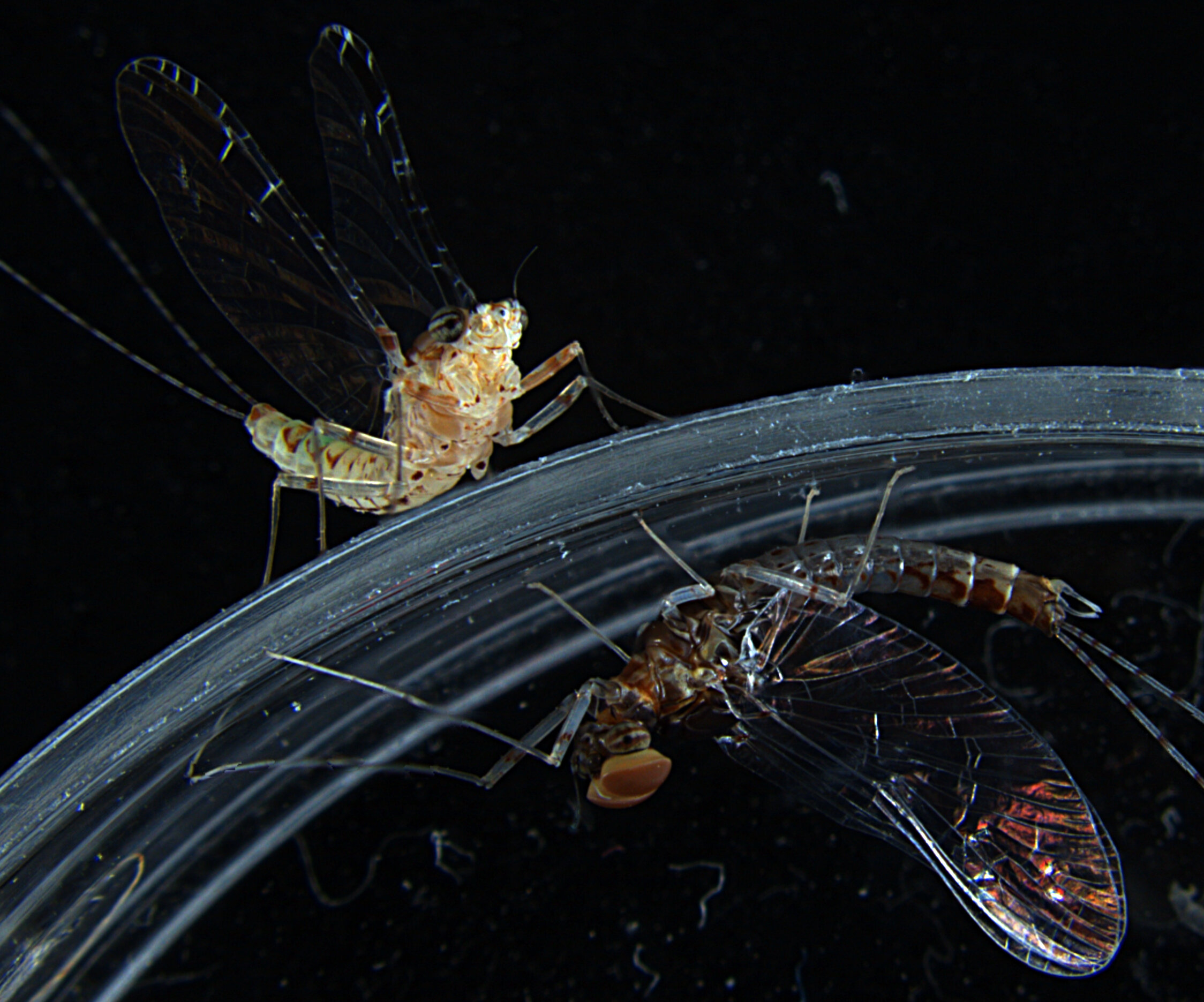
A study of 20 different bilaterian species, including humans, sharks, mayflies, centipedes, and octopuses, reveals that more than 7,000 groups of genes can be traced back to the last common ancestor of bilaterians. Around half of these ancestral genes have been repurposed by animals for use in specific parts of the body, particularly in the brain and reproductive tissues, due to "copy paste" errors during bilaterian evolution. This gene specialization has led to the development of new physical traits or abilities, such as insect flight, octopus camouflage, and human cognition, demonstrating the significant role of changes in gene usage in different parts of the body in animal evolution.

"Debunking the Myth of the Largest Creature: Colossus the 'Oddball' Whale"

Originally Published 1 year ago — by Livescience.com

Featured image for "Debunking the Myth of the Largest Creature: Colossus the 'Oddball' Whale"
Source: Livescience.com

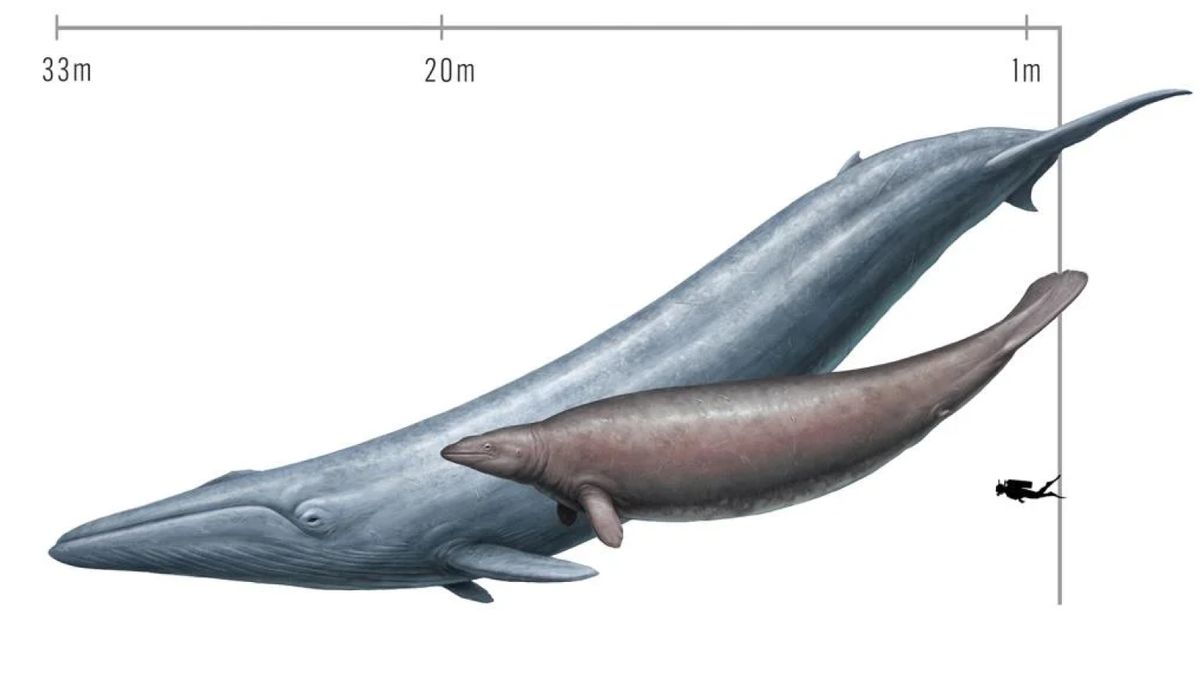
A new study challenges the claim that Perucetus colossus, an extinct whale, was the heaviest animal to ever live, suggesting it was likely much lighter than previously estimated. The original researchers stand by their conclusions, noting that estimating the body mass of an extinct animal with a fragmentary skeleton allows for different methods and interpretations. The debate centers on how whale-like the ancient cetacean was, with the species still considered an "oddball" that changes our understanding of cetacean evolution.

"The Origins of Animal Evolution: Tracing the Path of Predatory Lifestyles"

Originally Published 2 years ago — by Phys.org

Featured image for "The Origins of Animal Evolution: Tracing the Path of Predatory Lifestyles"
Source: Phys.org

Research on the development of sea anemones suggests that a predatory lifestyle played a significant role in their evolution and the origin of their nervous system. The study found that the larvae of the sea anemone Aiptasia actively feed on living prey using specialized stinging cells and a simple neuronal network. This challenges the idea that the first animals were filter feeders like sponges. The research also sheds light on the importance of nutrition in closing the life cycle of sea anemones and provides a breakthrough for studying endosymbiosis in corals. The findings suggest that the predatory lifestyle of early multicellular organisms may have driven the evolution of complex nervous systems.

Unveiling the Ancient Origins of Neurons: Thank This Blobby Animal

Originally Published 2 years ago — by The New York Times

Featured image for Unveiling the Ancient Origins of Neurons: Thank This Blobby Animal
Source: The New York Times

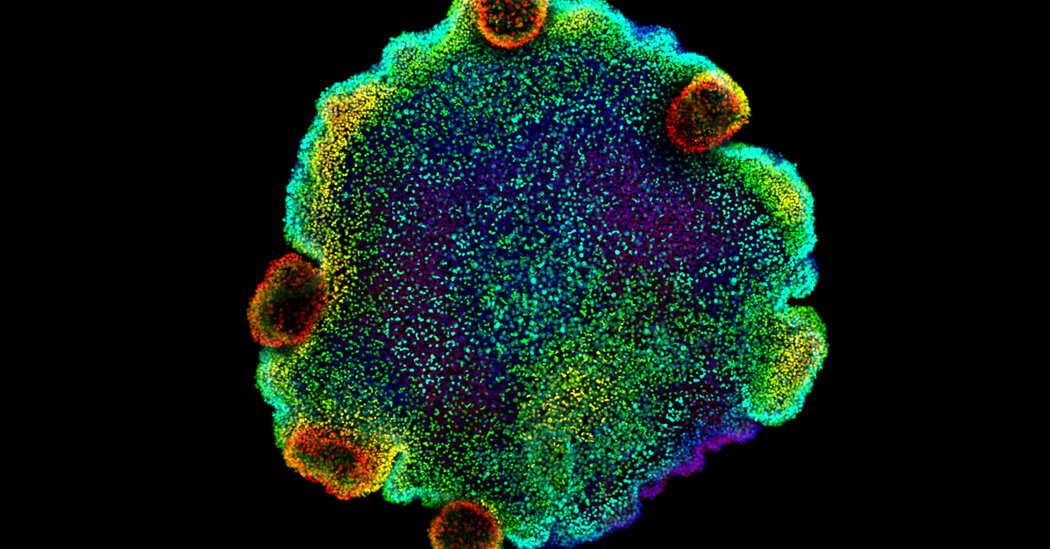
Placozoans, one of the simplest animal lineages, have been found to contain neuron-like cells, suggesting they may have served as the blueprint for the nervous systems of more complex animals, including humans. Researchers discovered 14 types of peptidergic cells in placozoans that are important for building neurons in other animals. These cells regulate behaviors through chemical signals and have genetic similarities to neurons in cnidarians and bilaterians. The findings support the idea that early nervous systems evolved as networks of cells connected through chemical signals before the development of electrical signaling. Further research on placozoans and other ancient animal lineages may provide insights into the evolution of nervous systems.

Discovery of the First Branch on the Tree of Life.

Originally Published 2 years ago — by msnNOW

Featured image for Discovery of the First Branch on the Tree of Life.
Source: msnNOW

Scientists have used chromosomal analysis techniques to determine that the comb jelly was the first animal to branch off from the common ancestor of all animals on Earth, rather than the sea sponge. By comparing the placements of certain groups of genes in sponges and comb jellies to their closest single-cell non-animal relatives, researchers found that the comb jelly had the least reshuffling of genes on chromosomes, indicating that it split off from the original genome first. This discovery sheds light on the history of animal evolution and the mechanisms powering it.

Uncovering the Origins and Evolution of Animals through Genetics and Fossils.

Originally Published 2 years ago — by SciTechDaily

Featured image for Uncovering the Origins and Evolution of Animals through Genetics and Fossils.
Source: SciTechDaily

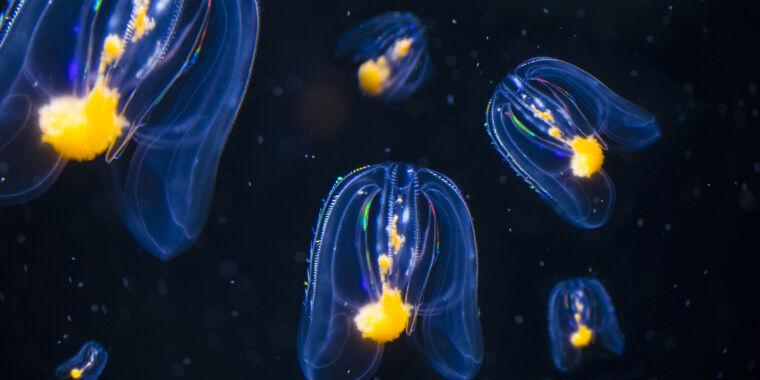
A new study based on chromosome structure has determined that comb jellies, or ctenophores, were the first lineage to diverge from the animal tree of life, preceding sponges. This research contributes to our understanding of early animal evolution and offers insight into the origin of key features of animal biology such as the nervous system, muscles, and the digestive tract. The study relied on the organization of genes into chromosomes to determine the evolutionary relationships among diverse creatures, shedding light on the earliest animal ancestors.

Uncovering Mysteries of Animal Evolution through Gene Linkages and Extinction Events.

Originally Published 2 years ago — by Ars Technica

Featured image for Uncovering Mysteries of Animal Evolution through Gene Linkages and Extinction Events.
Source: Ars Technica

A new study has used chromosomal rearrangements to create a more accurate animal family tree, which places sponges as more closely related to humans than some other animals with a nervous system. The study identified eight rearrangements that were shared by animals with left and right sides like us vertebrates, and things like jellyfish (Cnidaria) and sponges (Porifera). None of these showed up in comb jellies (Ctenophora).