Tag

Sustainable Agriculture

All articles tagged with #sustainable agriculture

India's First Gene-Edited Sheep Tarmeem: An Update

Originally Published 16 days ago — by BBC

Featured image for India's First Gene-Edited Sheep Tarmeem: An Update
Source: BBC

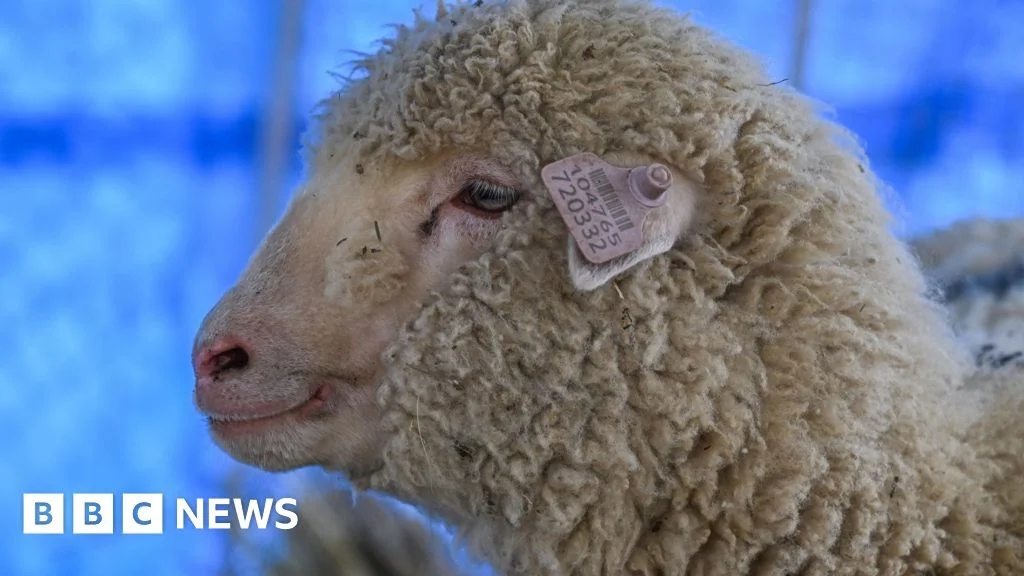
India's first gene-edited sheep, Tarmeem, has turned one year old and is thriving, showing increased muscle growth due to CRISPR technology targeting the myostatin gene. Researchers aim to use this technology to enhance meat production sustainably in Kashmir, potentially revolutionizing local agriculture and addressing food security issues. The project marks a significant step in applying gene editing in livestock within India, though regulatory and ethical considerations remain.
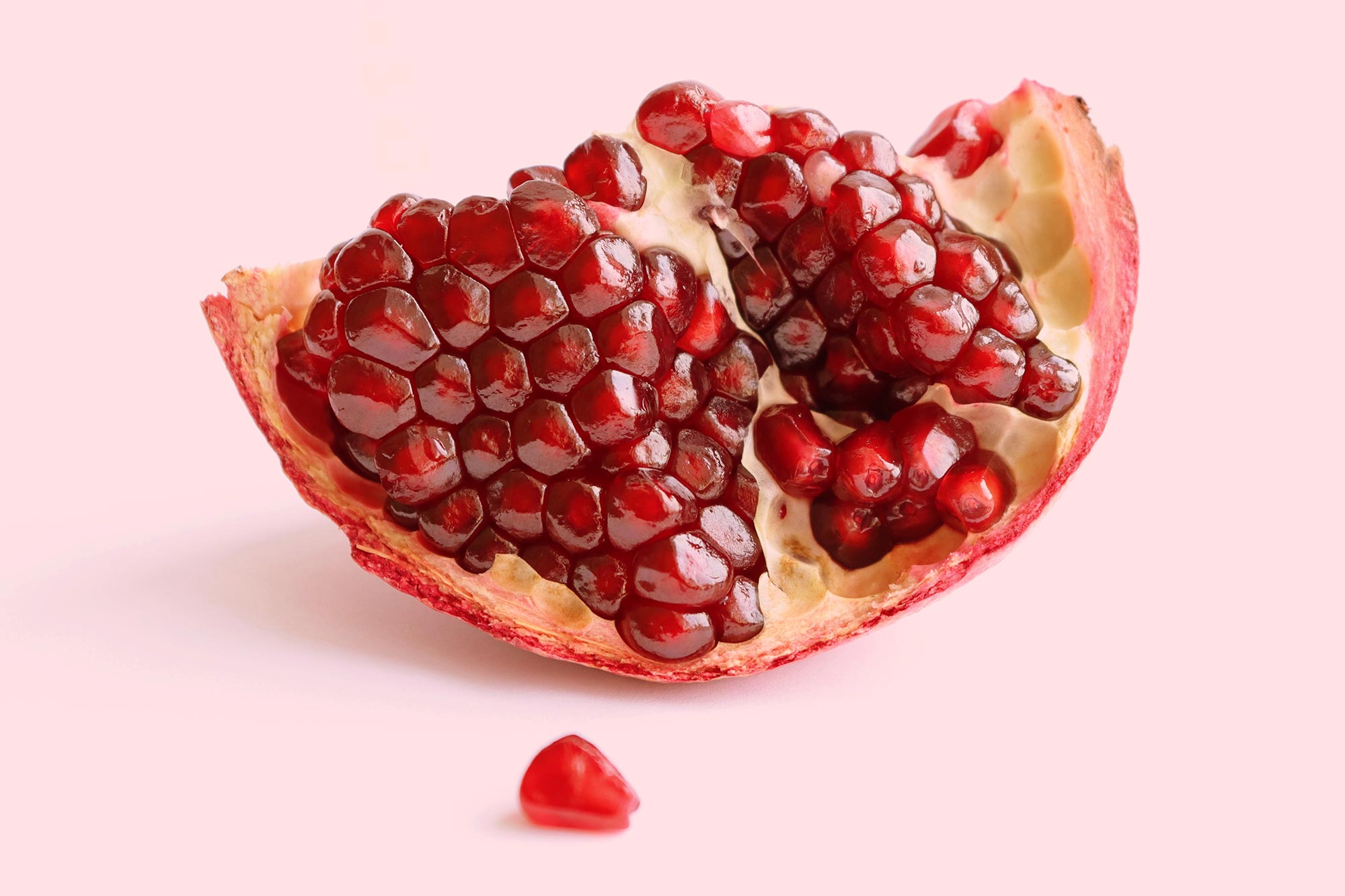
Pomegranate Husks Fight Soapy Olive Disease

Originally Published 2 months ago — by SciTechDaily

Featured image for Pomegranate Husks Fight Soapy Olive Disease
Source: SciTechDaily

Scientists have found that extracts from carob leaves and pomegranate husks can help protect olive trees from the damaging disease anthracnose by inhibiting fungal growth and activating the plant's natural defenses, offering a potential eco-friendly alternative to traditional fungicides.

Scientists Develop Space-Resilient Crops for Long-Term Mars and Moon Missions

Originally Published 6 months ago — by Rude Baguette

Featured image for Scientists Develop Space-Resilient Crops for Long-Term Mars and Moon Missions
Source: Rude Baguette

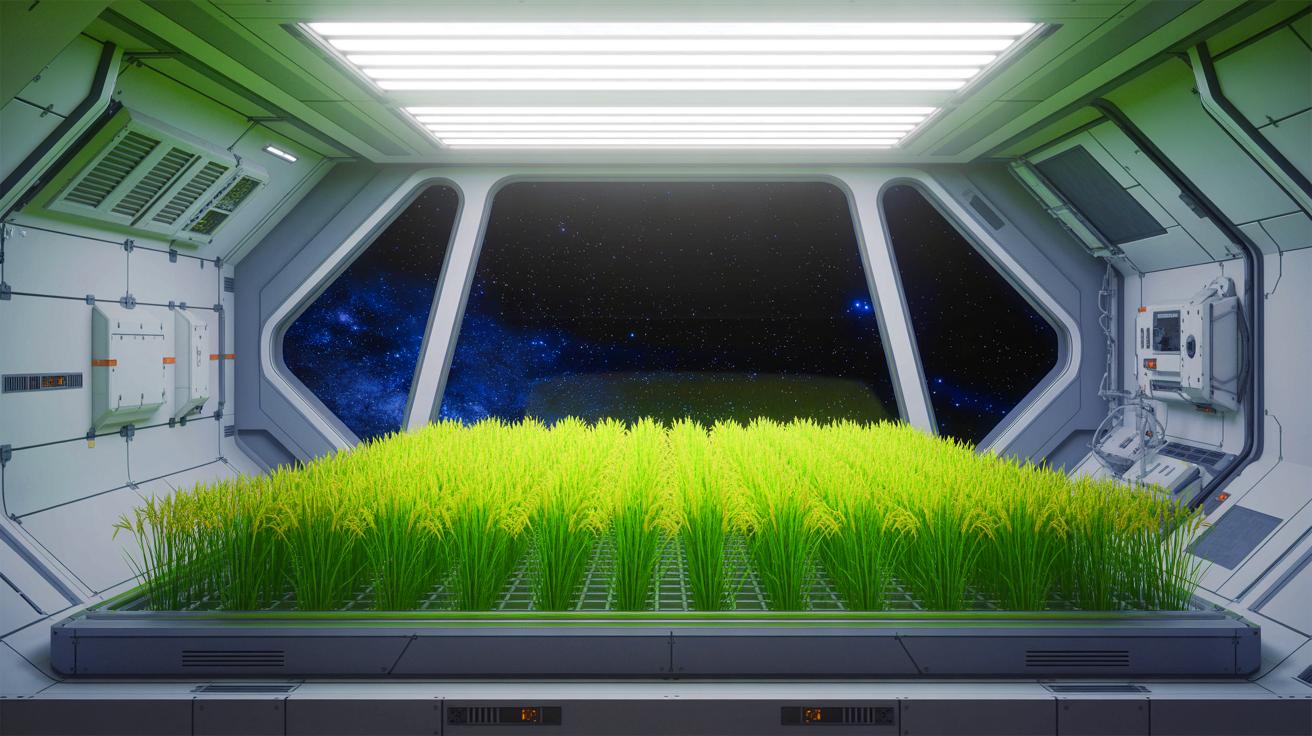
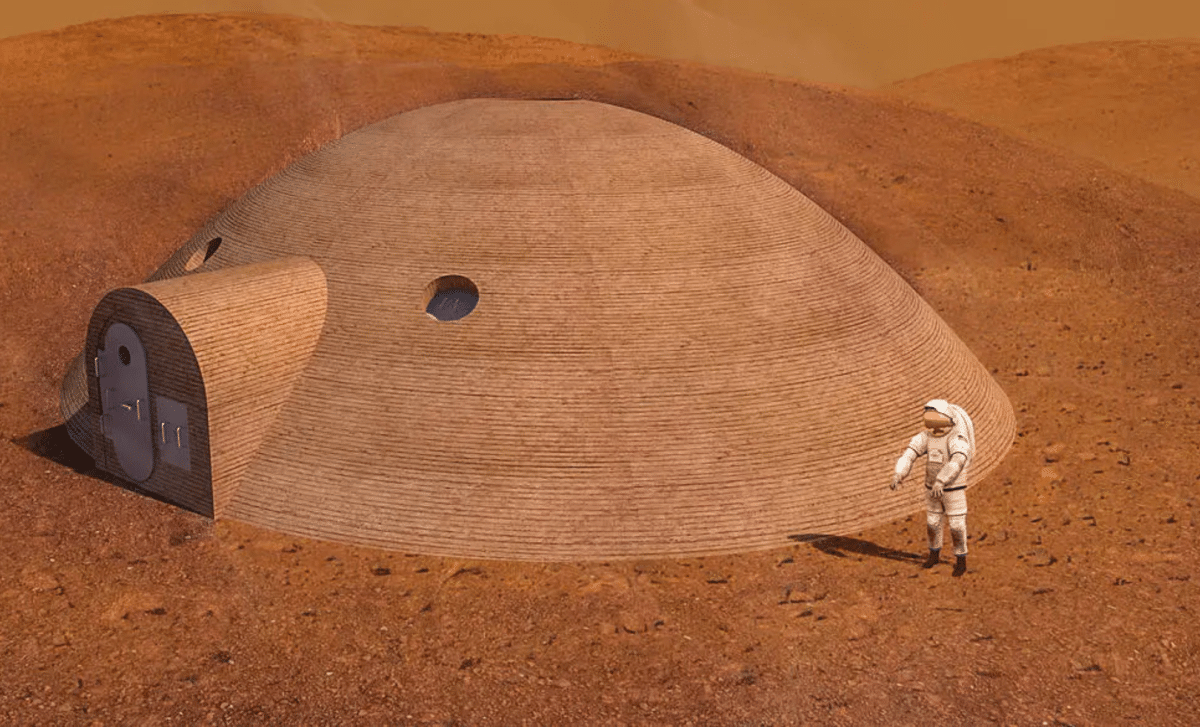
The Moon-Rice project, led by the Italian Space Agency and involving Italian universities, is developing super-dwarf rice using CRISPR technology to support long-term space missions and improve agriculture in extreme Earth environments, with potential benefits for global food security.

Global Water Crisis Threatens Economies and Ecosystems

Originally Published 1 year ago — by The Daily Galaxy --Great Discoveries Channel

Featured image for Global Water Crisis Threatens Economies and Ecosystems
Source: The Daily Galaxy --Great Discoveries Channel

The Global Commission on the Economics of Water reports that the Earth's water cycle is severely disrupted due to climate change and poor water management, affecting nearly 3 billion people with water scarcity. This imbalance threatens over 50% of global food production and could reduce GDPs by up to 15% in low-income countries by 2050. The report calls for a paradigm shift in water management, emphasizing sustainable agriculture, improved pricing, and pollution reduction to restore balance and address the interconnected issues of climate change and water scarcity.

"Exploring the Delights of Pond Plant Cuisine"

Originally Published 1 year ago — by WIRED

Featured image for "Exploring the Delights of Pond Plant Cuisine"
Source: WIRED

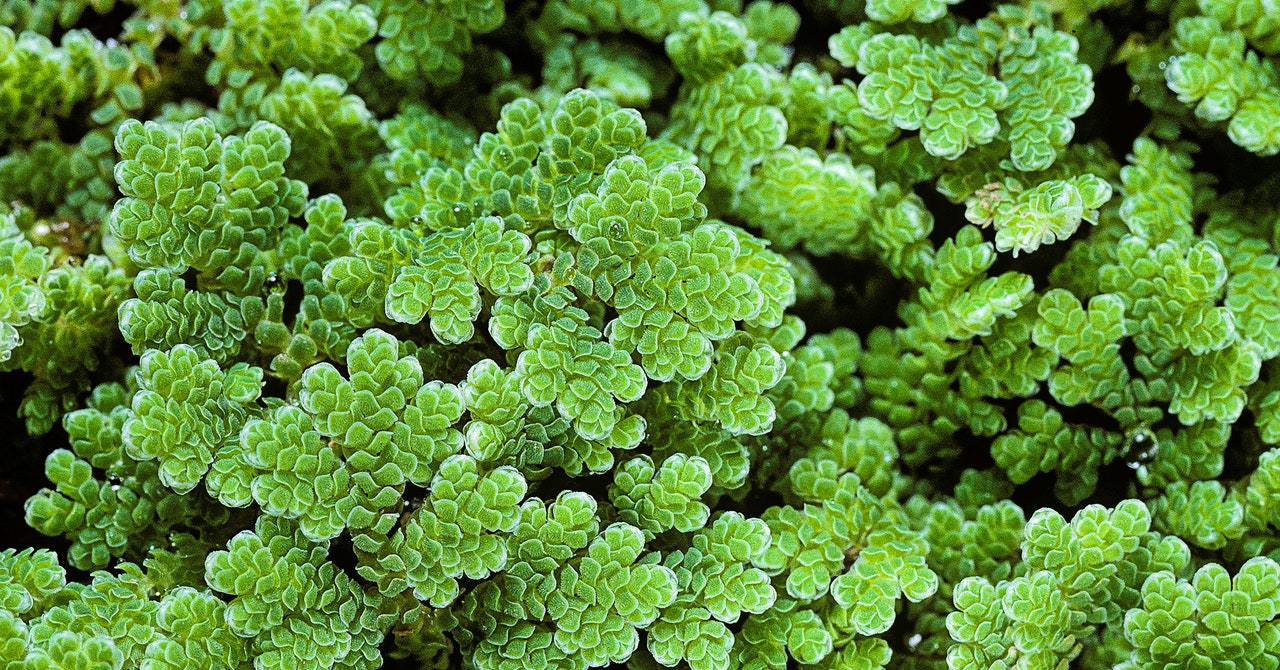
Azolla, a fast-growing aquatic fern, has the potential to become a widely cultivated crop for human and livestock consumption, fertilizer, and biofuel production. Research has identified a species, Carolina azolla, with lower levels of polyphenols, making it more suitable for consumption. With further study and potential breeding, azolla could offer high levels of nutrients such as protein, zinc, manganese, iron, calcium, and potassium. However, extensive research is needed to ensure its safety and potential as a food source.

"Lab-Grown Beef-Infused Rice: A New Frontier in Food Technology"

Originally Published 1 year ago — by IFLScience

Featured image for "Lab-Grown Beef-Infused Rice: A New Frontier in Food Technology"
Source: IFLScience

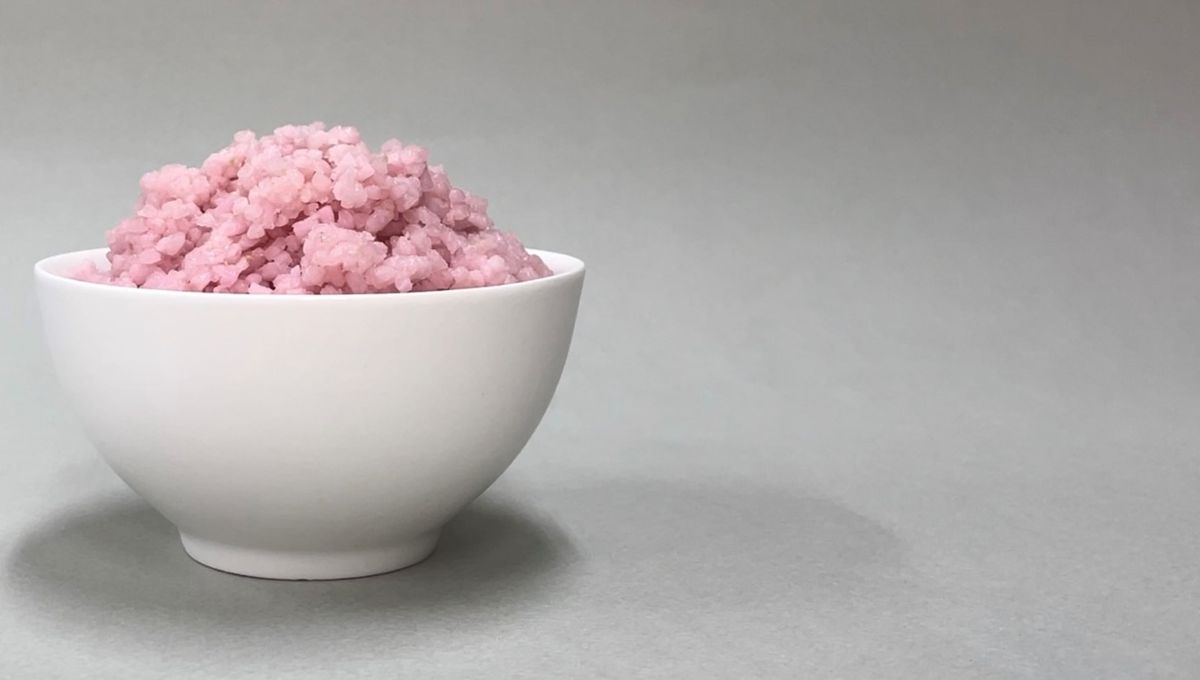
Scientists in South Korea have developed a beef-rice hybrid grown in a lab, combining cow muscle and fat stem cells with rice grains to create a protein-rich food source with a significantly lower carbon footprint than traditional beef farming. The hybrid has more protein and fat than regular rice, is cheaper than natural meat, and has a lower risk of foodborne illnesses. Researchers aim to commercialize the product as a low-cost and nutritious food source with potential applications in addressing famine, natural disasters, and long-term space travel.

"Rice-Grown Beef: A Sustainable Protein Source?"

Originally Published 1 year ago — by Gizmodo

Featured image for "Rice-Grown Beef: A Sustainable Protein Source?"
Source: Gizmodo

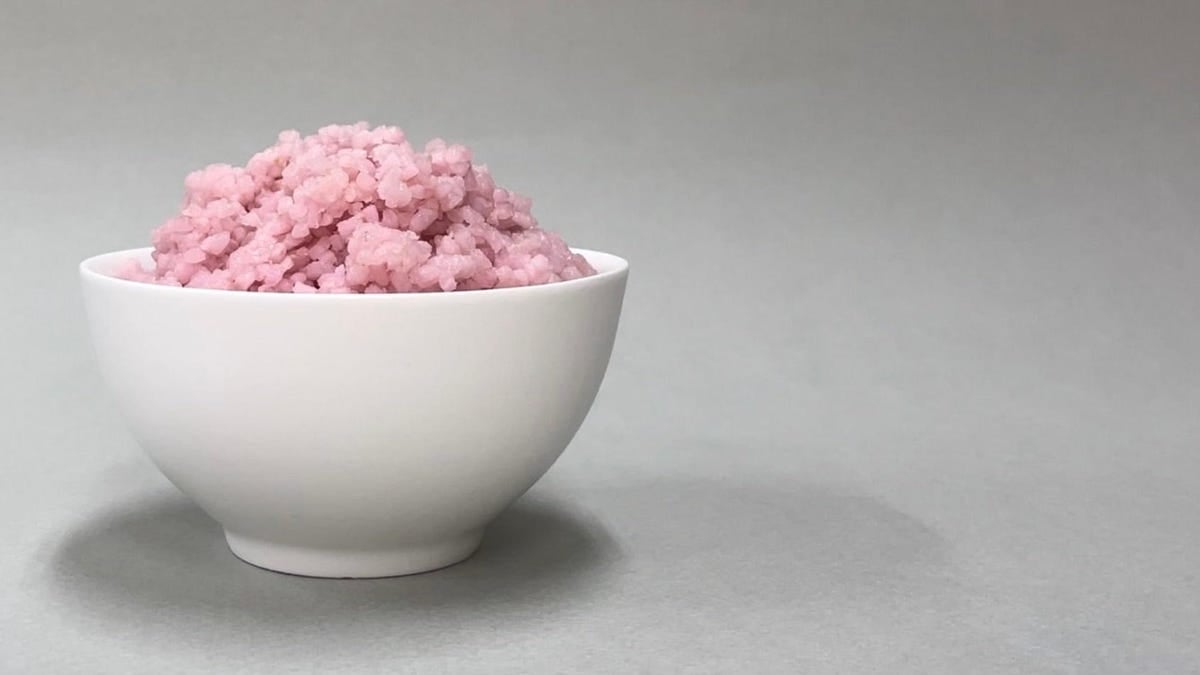
Researchers in Korea have developed a novel food called "microbeef," which is rice infused with muscle and fat cells from cows. The hybrid grain contains more protein and fat than typical rice and is intended to be cheaper and more environmentally friendly to produce than beef and rice combined. The team coated rice with fish gelatin and microbial transglutaminase to enhance its stickiness to the cells, resulting in a product with a rich flavor reminiscent of beef and almond for the protein-rich rice and cream, butter, and coconut oil for the fat-rich rice. The researchers believe that their hybrid food, and others like it, could provide food relief in underdeveloped countries, during war, and even in space.

"Rice Meets Beef: The Rise of Hybrid Food Innovation"

Originally Published 1 year ago — by ScienceAlert

Featured image for "Rice Meets Beef: The Rise of Hybrid Food Innovation"
Source: ScienceAlert

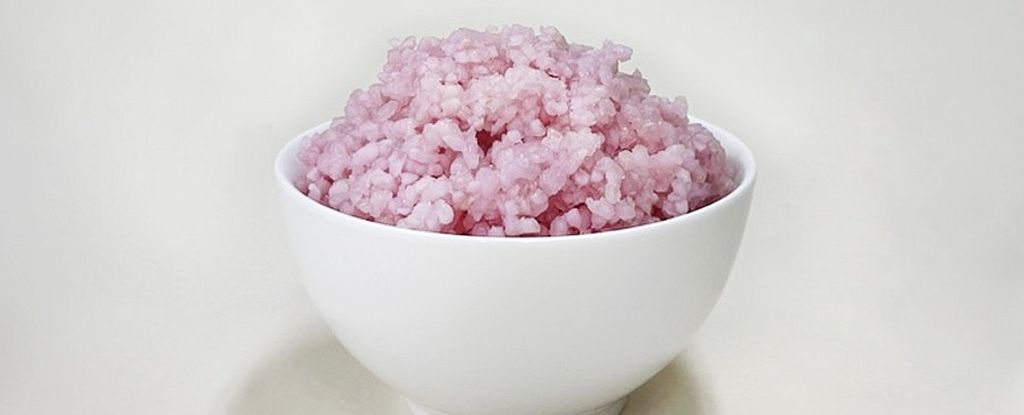
Scientists at Yonsei University have developed a new hybrid food by growing beef cells inside grains of rice, creating a meaty-rice combination rich in nutrition and potentially easing food production strain. The beef-infused rice, with higher protein and fat content than regular rice, could be a more sustainable and cost-effective source of protein compared to traditional beef, emitting significantly less carbon dioxide. The team aims to refine the production process and explore potential applications such as food relief for famine, military rations, and space food.

"Reducing Insect Damage to Kujo Leek Fields Through Agricultural Net Color Change"

Originally Published 1 year ago — by Phys.org

Featured image for "Reducing Insect Damage to Kujo Leek Fields Through Agricultural Net Color Change"
Source: Phys.org

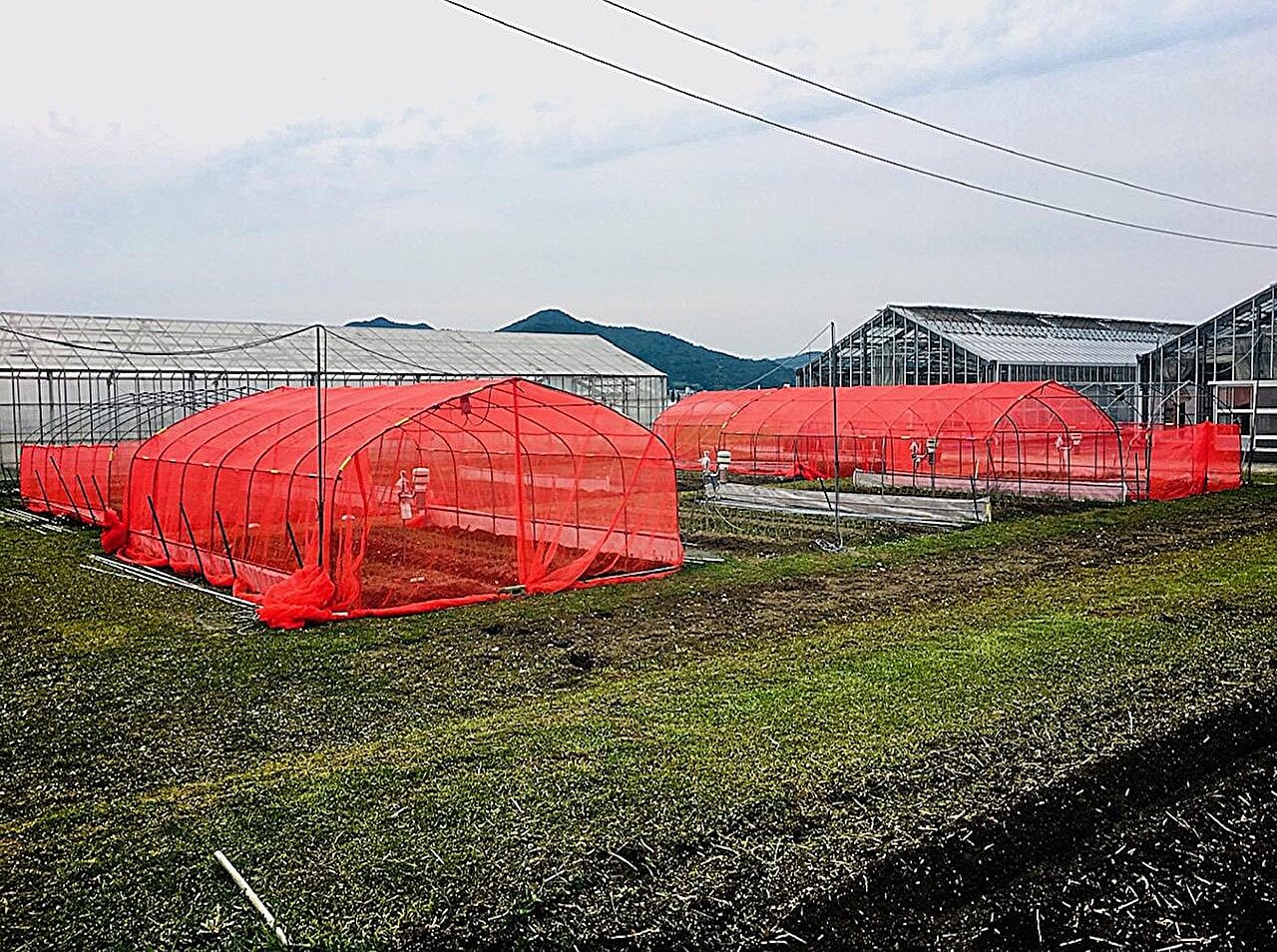
A study has found that red nets are more effective at deterring onion thrips, a common agricultural pest, than black or white nets. The research suggests that changing agricultural nets from black or white to red could help reduce pesticide use and its negative environmental impact, while supporting more sustainable and effective agricultural practices. The red nets not only require less insecticide but also offer improved breathability, reduced chance of fungal infections, and better access to sunlight, making them a promising solution for sustainable agriculture.

Soup-Throwing Climate Activists Target Mona Lisa in Louvre Protest

Originally Published 1 year ago — by FRANCE 24 English

Featured image for Soup-Throwing Climate Activists Target Mona Lisa in Louvre Protest
Source: FRANCE 24 English

Two climate and agricultural activists threw soup at the bulletproof glass protecting the Mona Lisa at the Louvre Museum in Paris, demanding the right to healthy and sustainable food. The group, Riposte Alimentaire, advocates for action on climate change and sustainable agriculture, criticizing the French government's climate commitments and calling for better access to food and decent income for farmers. This incident follows a series of attacks on famous artworks by environmental activists in various museums across Europe.

"Growing Chickpeas in Lunar Soil: A Breakthrough for Moon Colonization"

Originally Published 1 year ago — by The Messenger

Featured image for "Growing Chickpeas in Lunar Soil: A Breakthrough for Moon Colonization"
Source: The Messenger

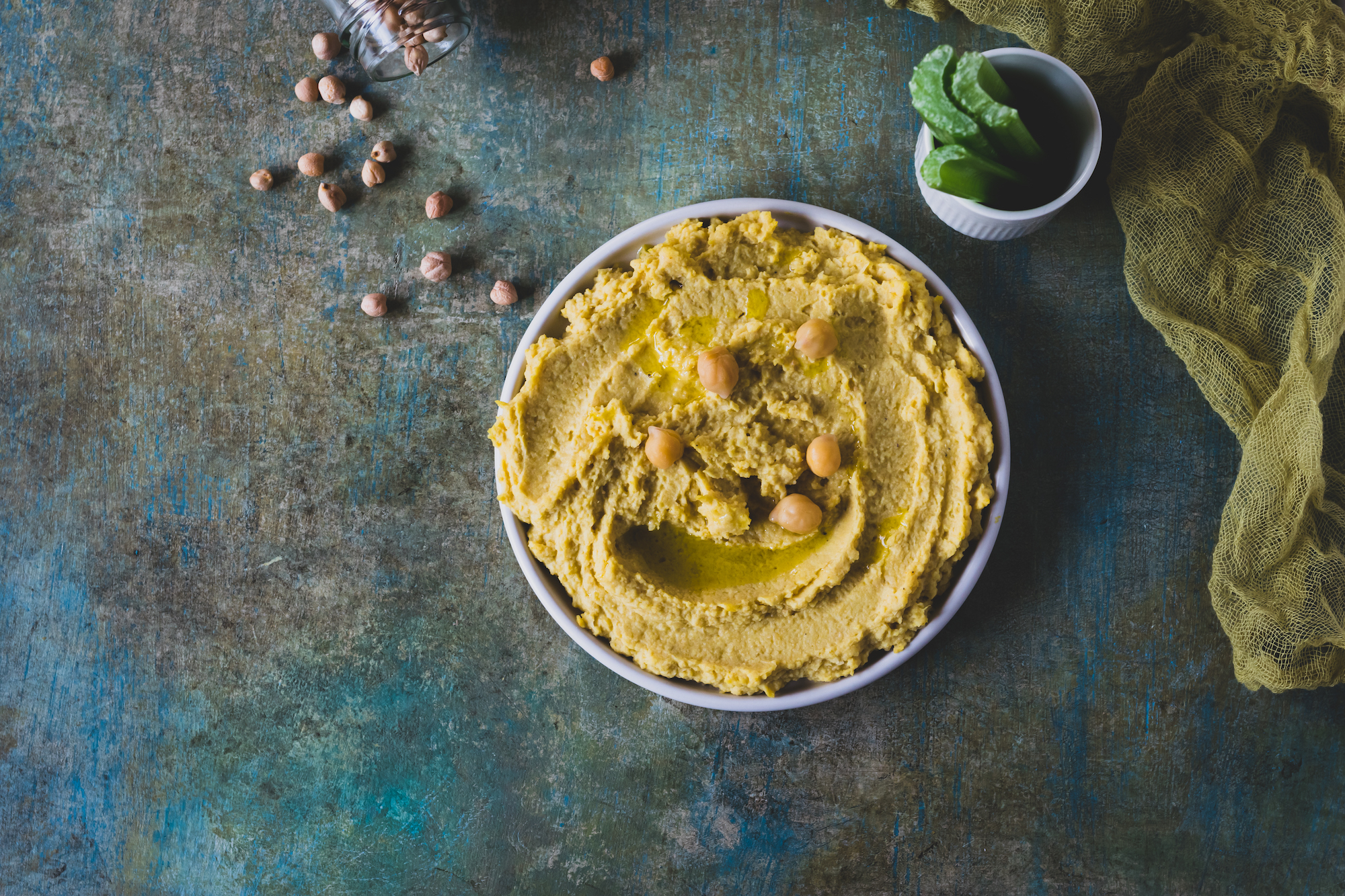
Scientists have successfully grown chickpeas in a simulated lunar soil mixture, demonstrating the potential for sustainable agriculture to support future human settlements on the moon and Mars. By modifying the lunar soil with fungus and earthworm poop, the researchers were able to cultivate chickpeas, a protein-rich and nutritious crop that could help sustain astronauts in space. While the results are preliminary and more data is needed, this development marks an important step towards achieving self-sustainability in space exploration and potentially establishing the first falafel shop in space.