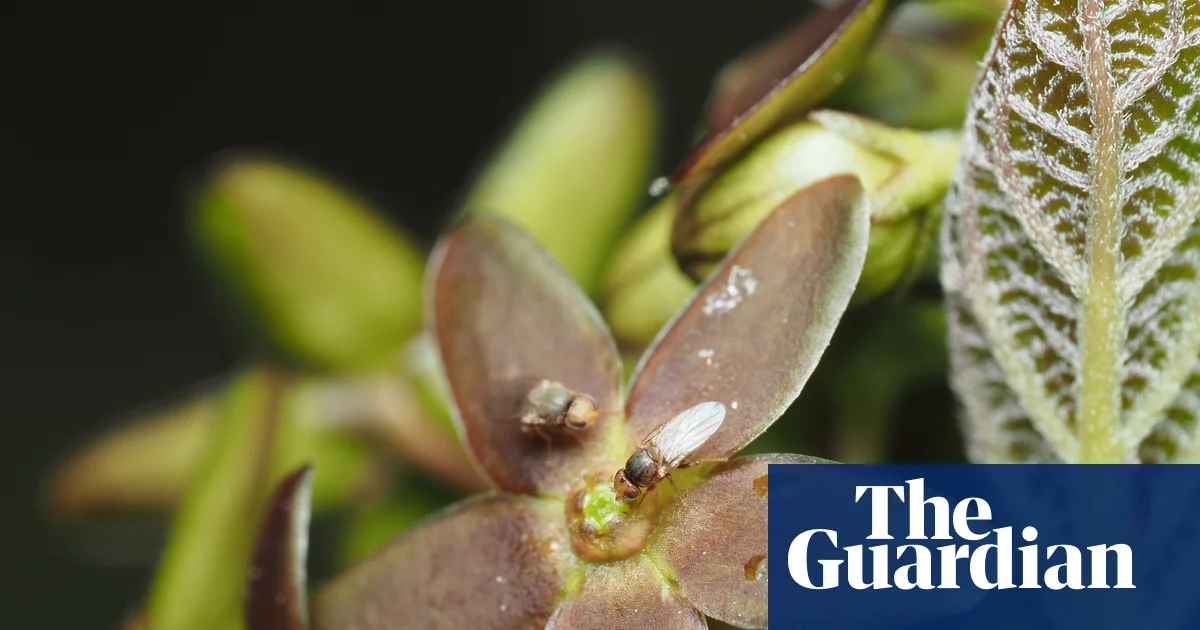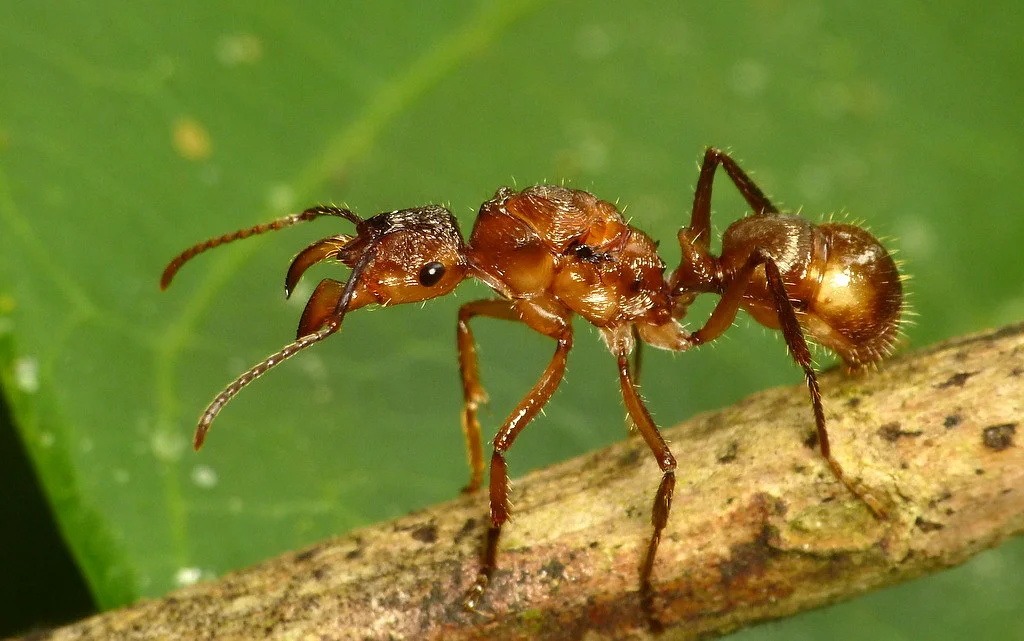
Scientists documented a Japanese plant, Vincetoxicum nakaianum, that mimics the smell of injured ants to attract flies that inadvertently pollinate it, revealing a sophisticated form of floral deception based on scent rather than visual cues.
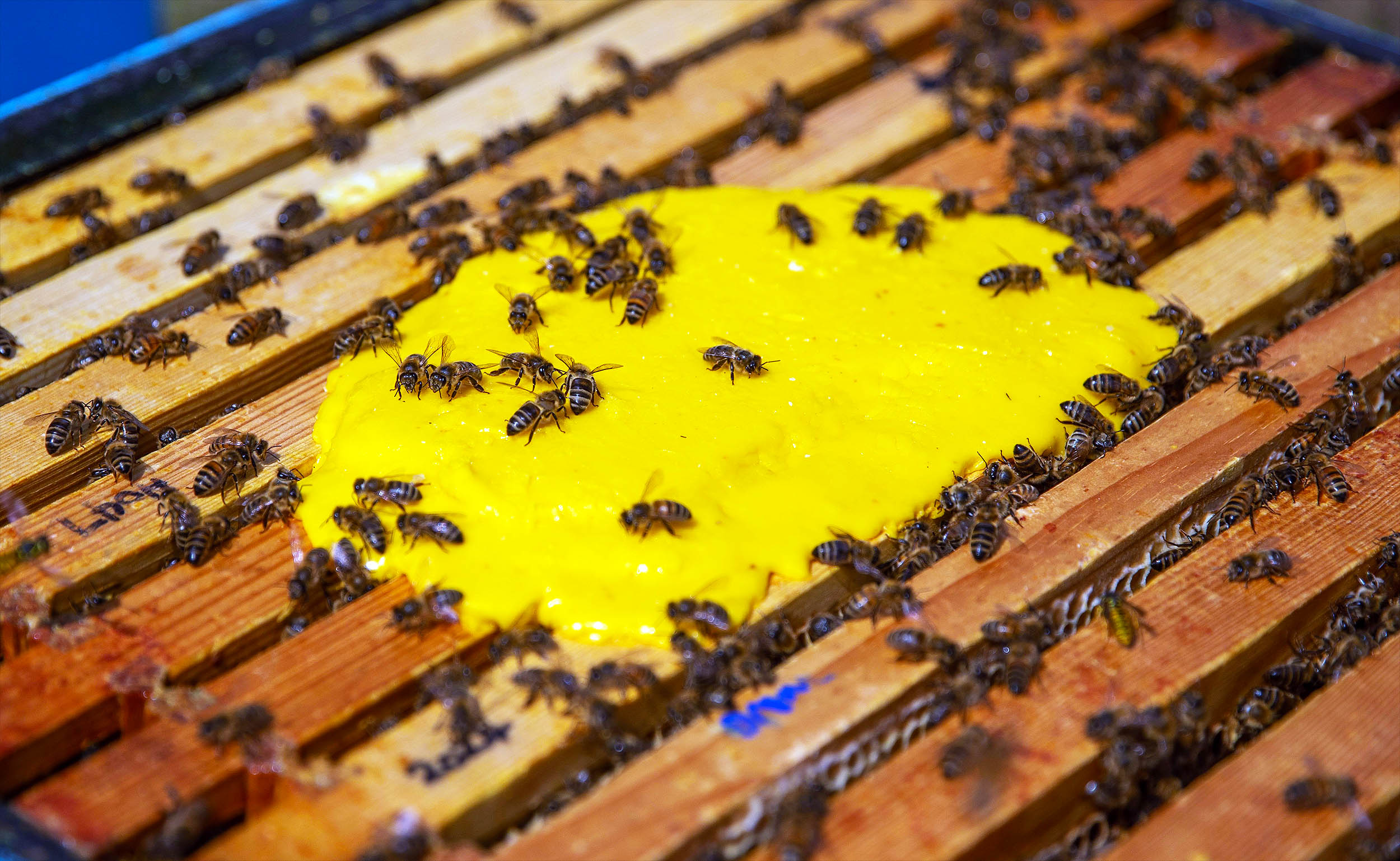
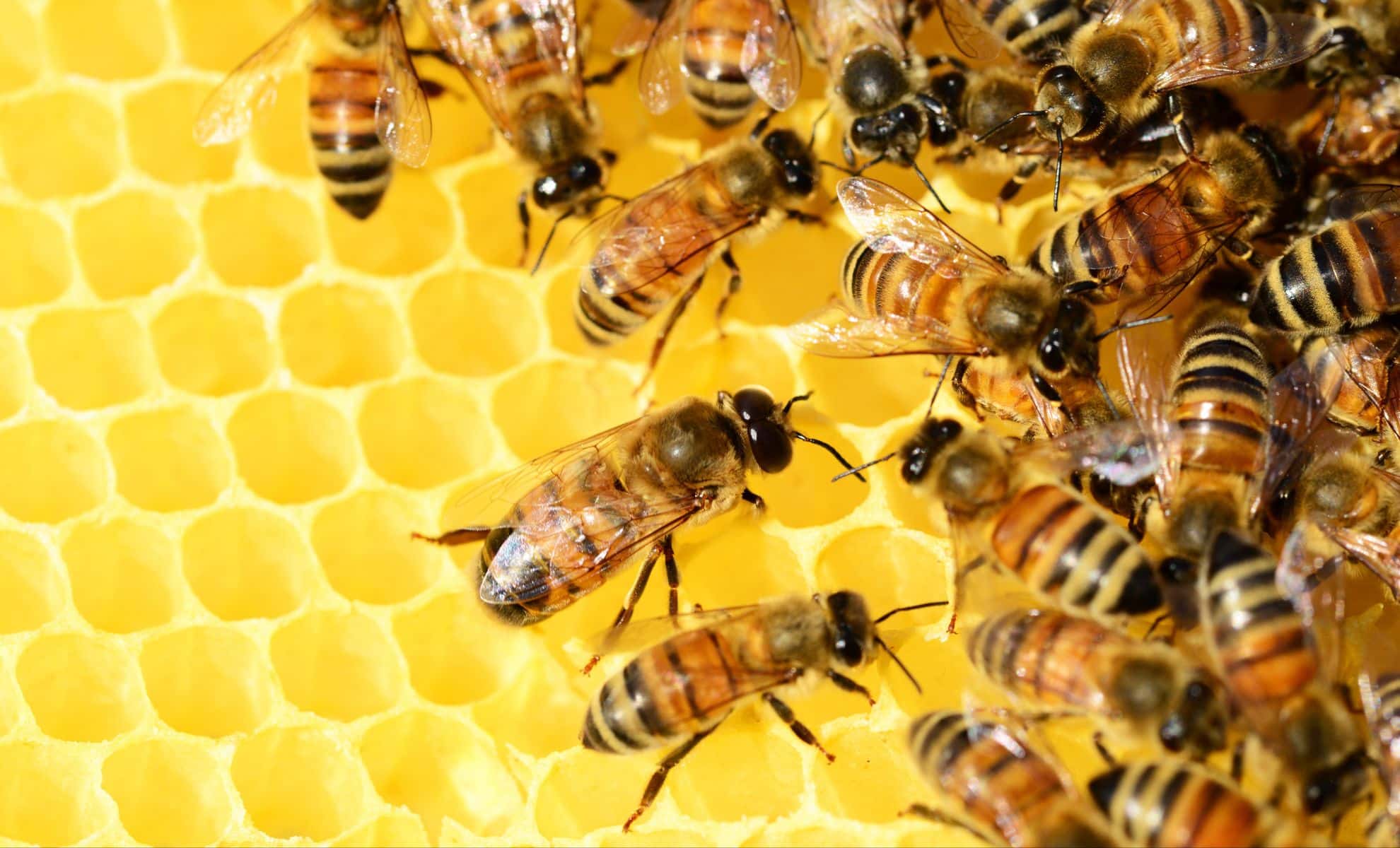
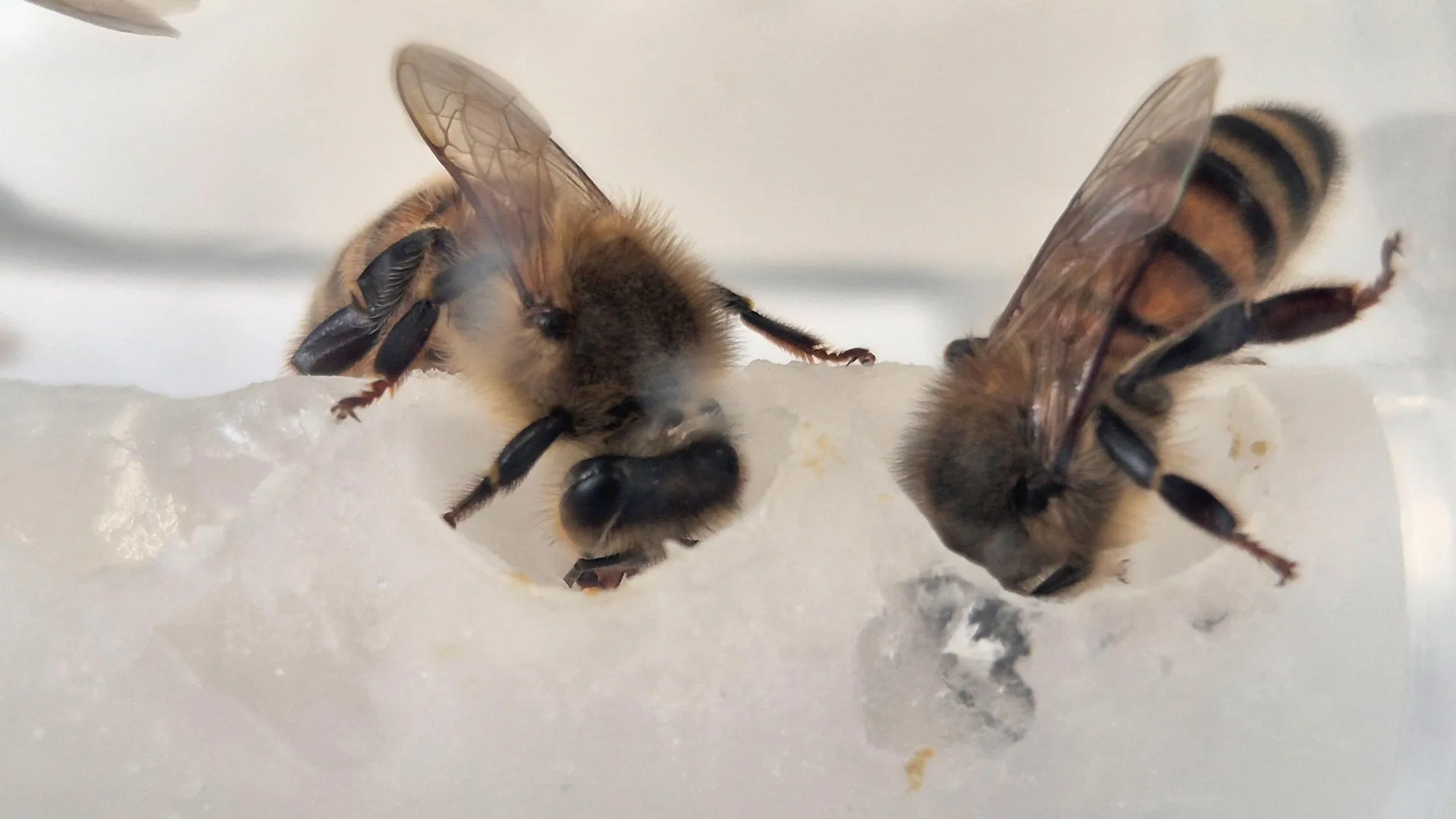
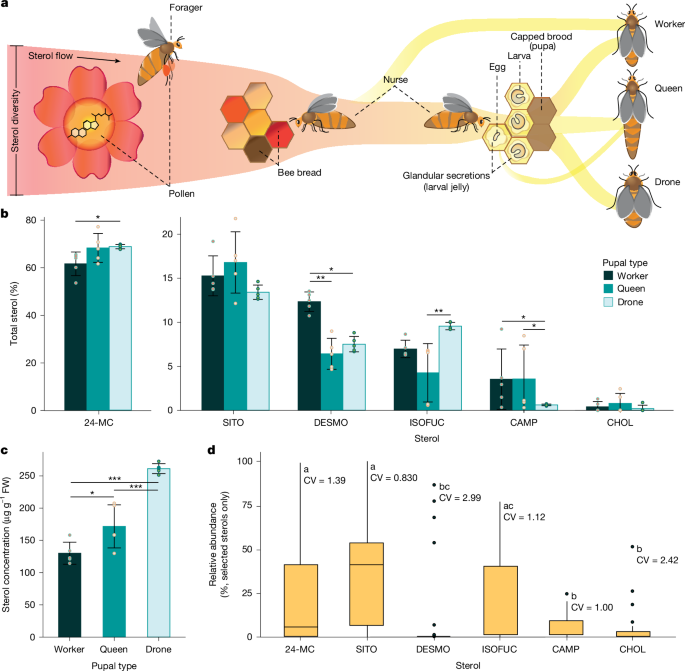
A new study highlights the importance of specific sterols in honeybee diets, particularly 24-methylenecholesterol, which is crucial for brood development. Researchers used genetic engineering to produce these sterols in yeast, creating a potential supplement to support bee colonies during pollen shortages, thereby improving colony resilience and sustainability.
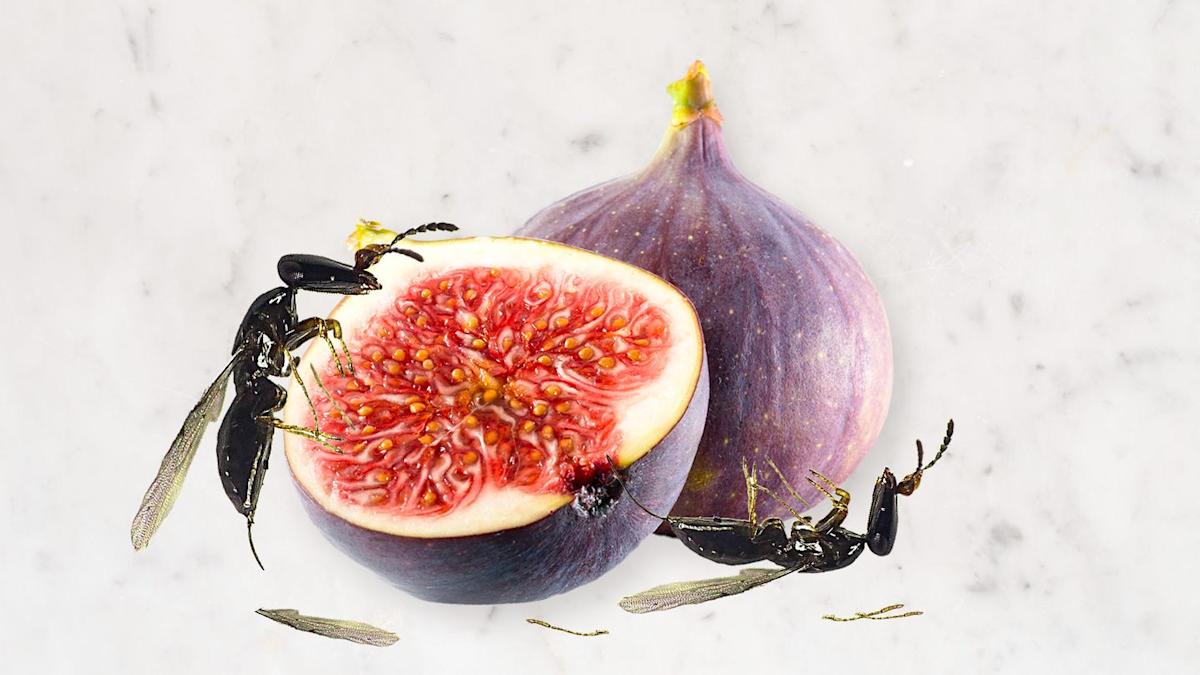
Most supermarket figs are bug-free and do not contain wasps, as many fig varieties can ripen without pollination by wasps, though some wild and certain cultivated figs rely on wasps for pollination, which is part of a complex mutualistic relationship essential for the reproduction of specific fig species.
Researchers discovered a Japanese plant, Vincetoxicum nakaianum, that attracts pollinating flies by mimicking the scent of half-eaten ants, a unique form of plant deception that enhances its reproductive success by exploiting the flies' attraction to injured ants' odours.
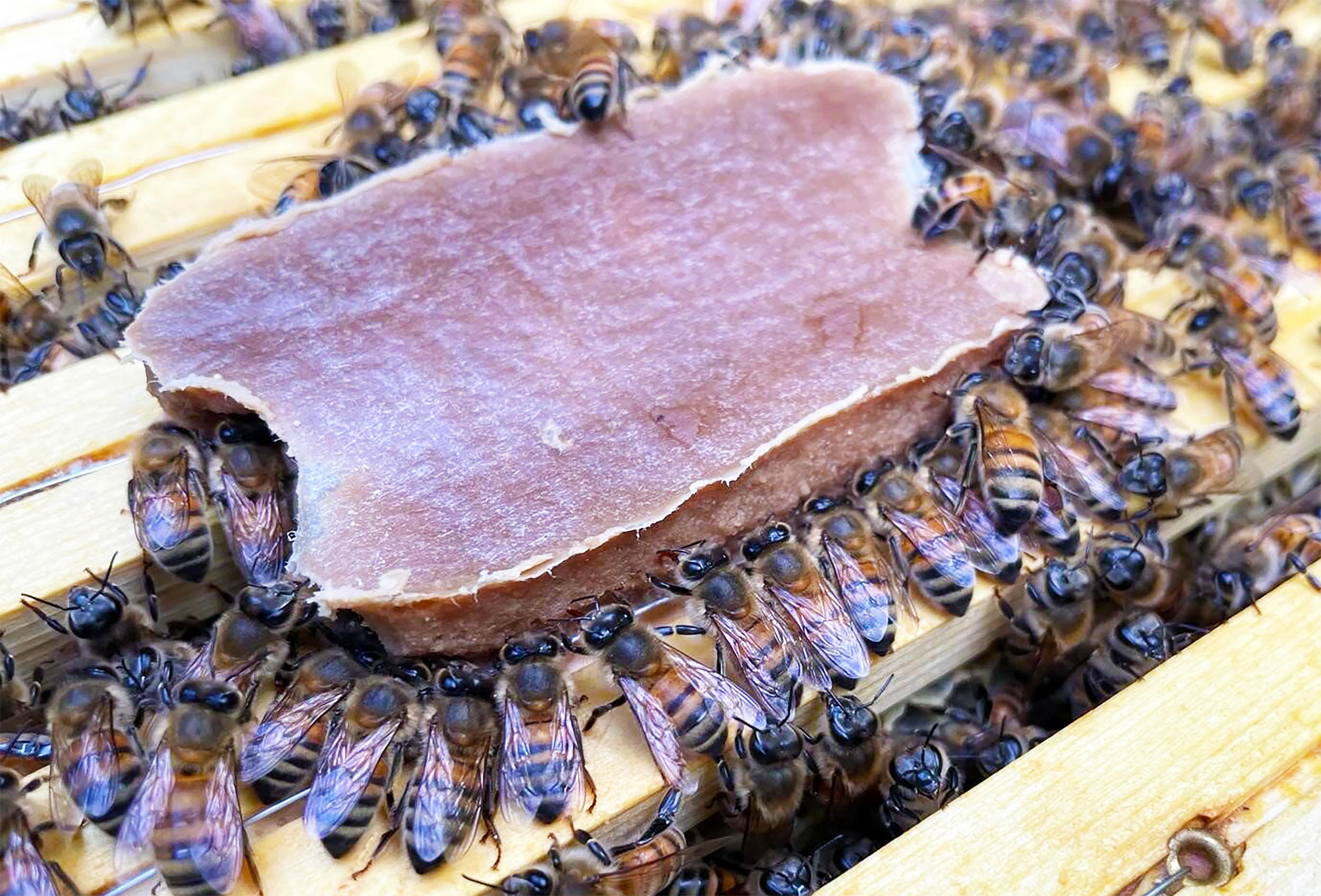
Researchers have developed a synthetic, pollen-replacing superfood for honey bees that could improve their health, survival, and pollination services, potentially saving declining bee populations and supporting global food security. The innovation, tested successfully in trials, aims to provide essential nutrients to bees in environments with poor natural pollen sources and is expected to be available in the U.S. by mid-2026.
Scientists developed a sterol-enriched yeast supplement that significantly boosts honeybee colony growth, offering a sustainable solution to bee nutrient deficiencies caused by climate change and habitat loss, with potential benefits for agriculture and biodiversity.
Scientists have developed a nutrient-rich, pollen-replacing superfood for honey bees that can sustain colonies indefinitely, addressing issues of poor nutrition and colony collapse. This artificial diet, resembling human power bars, provides essential nutrients, including a critical compound called isofucosterol, and has shown promising results in improving bee survival and colony health, potentially transforming pollination practices and food security. The product is expected to be available in the U.S. by mid-2026.
Engineered yeast produces essential pollen sterols, like 24-methylenecholesterol, to supplement honeybee diets, supporting brood production and colony health amid declining natural floral resources caused by climate and land use changes.
A study in the Netherlands found that flower-filled dikes host a diverse and often rare bee population, including species on the red list, and are more effective for bee conservation than agricultural flower strips. Increasing flower diversity on dikes could boost bee populations, benefiting biodiversity and food pollination, with potential for further ecological improvements.
Research from Macquarie University shows that the widely used fungicide chlorothalonil significantly harms insect fertility and survival even at minimal residue levels, threatening pollination and ecosystem balance, and highlighting the need for reduced pesticide use and better regulation.
A truck carrying 250 million honeybees overturned near the US-Canada border in Washington, causing the bees to escape and swarm, leading to a rescue effort by local authorities and beekeepers to recover and secure the bees, highlighting the importance and fragility of bee populations.
A truck carrying approximately 250 million bees overturned in Washington state, releasing the insects into the wild. Authorities and beekeepers are working to rescue and recapture the bees to prevent further swarming and to protect their crucial role in pollination and food production. The incident highlights concerns about bee populations facing threats from various environmental factors.
Most commercially available figs are self-pollinating and do not contain dead wasps, addressing common concerns about whether figs are vegan due to their natural pollination process involving wasps, which typically digest inside the fruit before sale.
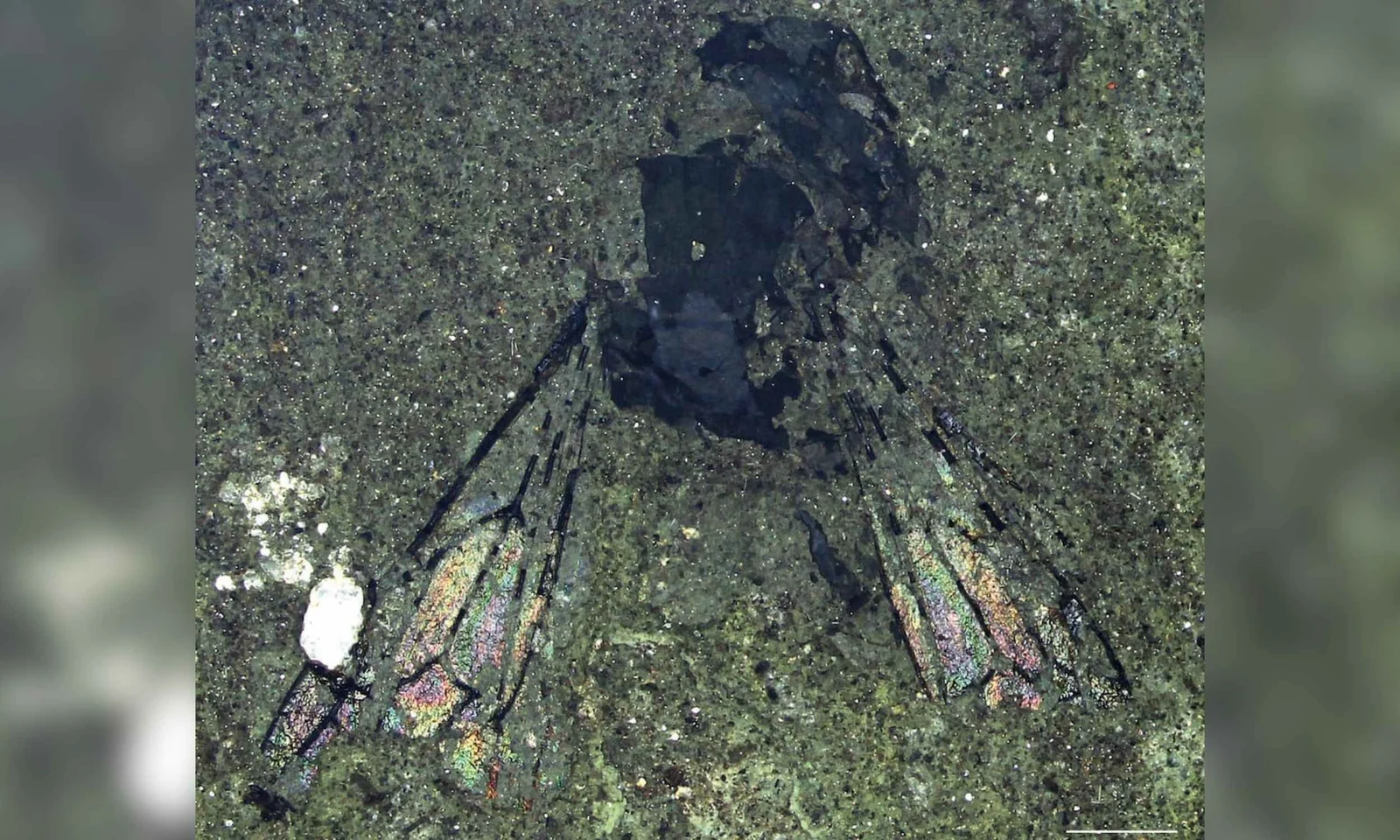
Scientists discovered a 14.6-million-year-old bee fossil in New Zealand that challenges existing theories about bee migration and evolution, suggesting earlier and possibly multiple arrivals of bees to the region, and providing new insights into ancient pollination and landmass changes.
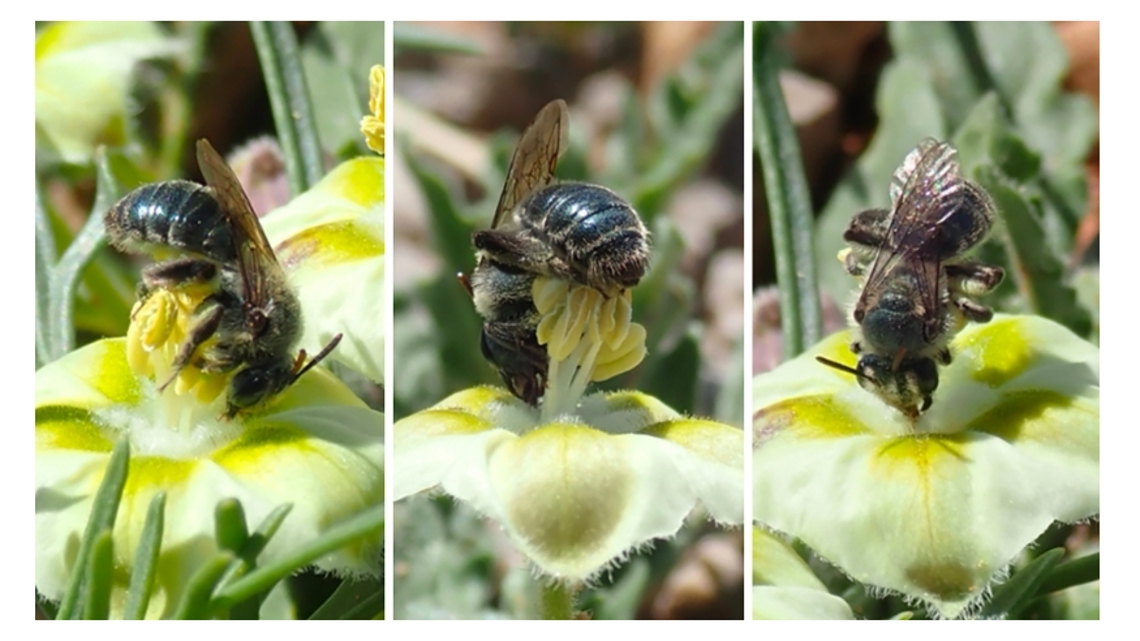
A new species of mining bee, Andrena androfovea, has been discovered in Texas and Oklahoma, exciting researchers due to its unique behavior and ecological role. This bee is the only one in its genus that interacts with plants in the Solanaceae family, such as tomatoes. The discovery highlights the importance of pollinators, as 75-85% of flowering plants rely on them. Researchers emphasize the need for conservation efforts to protect biodiversity and uncover more hidden species.