Rising use of energy drinks—especially among teens—pairs high caffeine (100–300 mg per serving) with extra ingredients like B vitamins and plant extracts, but experts say there’s little scientific evidence these additives boost energy, focus, or fatigue reduction beyond caffeine.
Scientists have found that extracts from carob leaves and pomegranate husks can help protect olive trees from the damaging disease anthracnose by inhibiting fungal growth and activating the plant's natural defenses, offering a potential eco-friendly alternative to traditional fungicides.
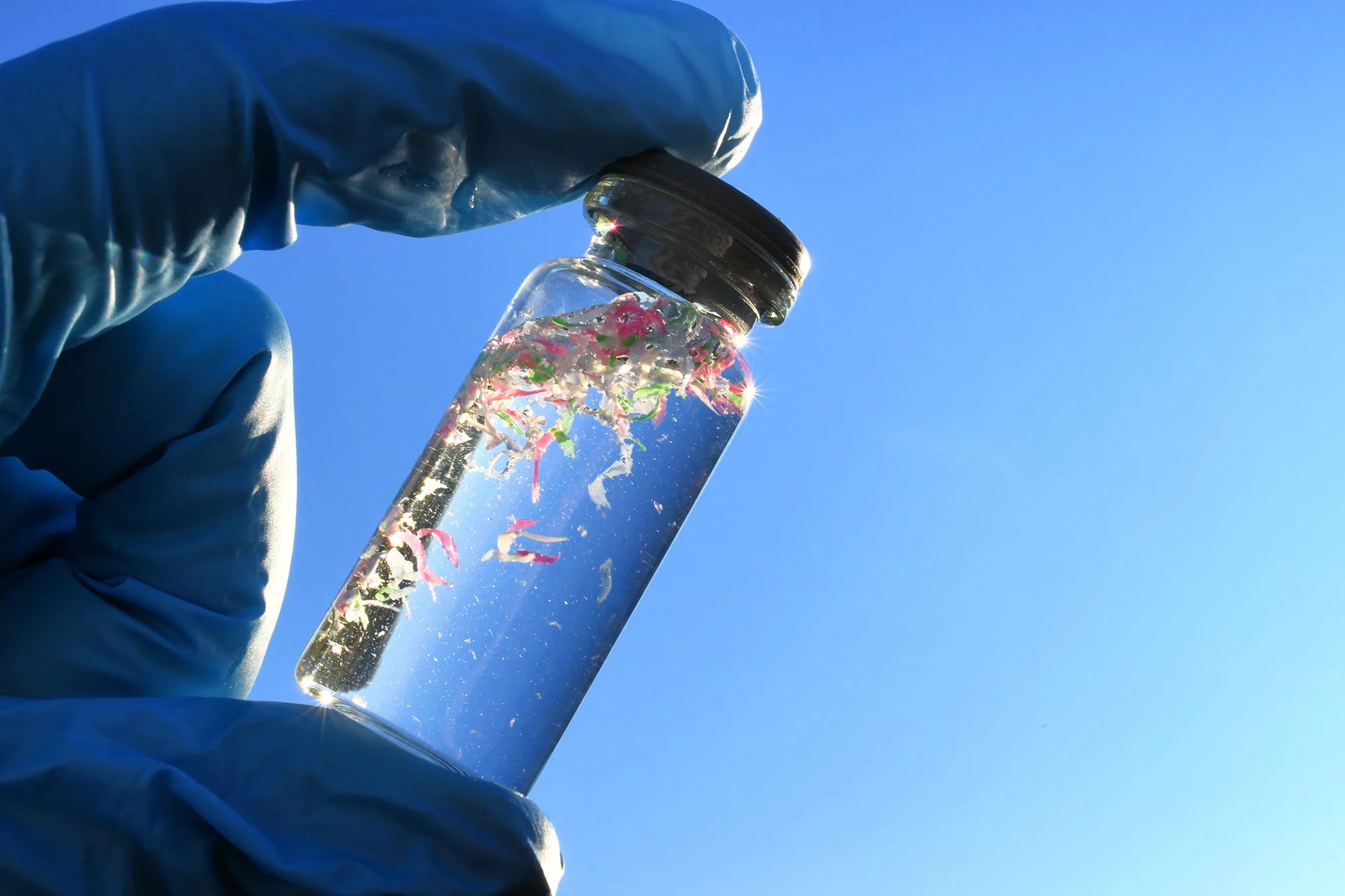
Researchers have discovered that natural plant extracts from okra and fenugreek can remove up to 90% of microplastics from water, offering a biodegradable and non-toxic alternative to synthetic polymers for water treatment.
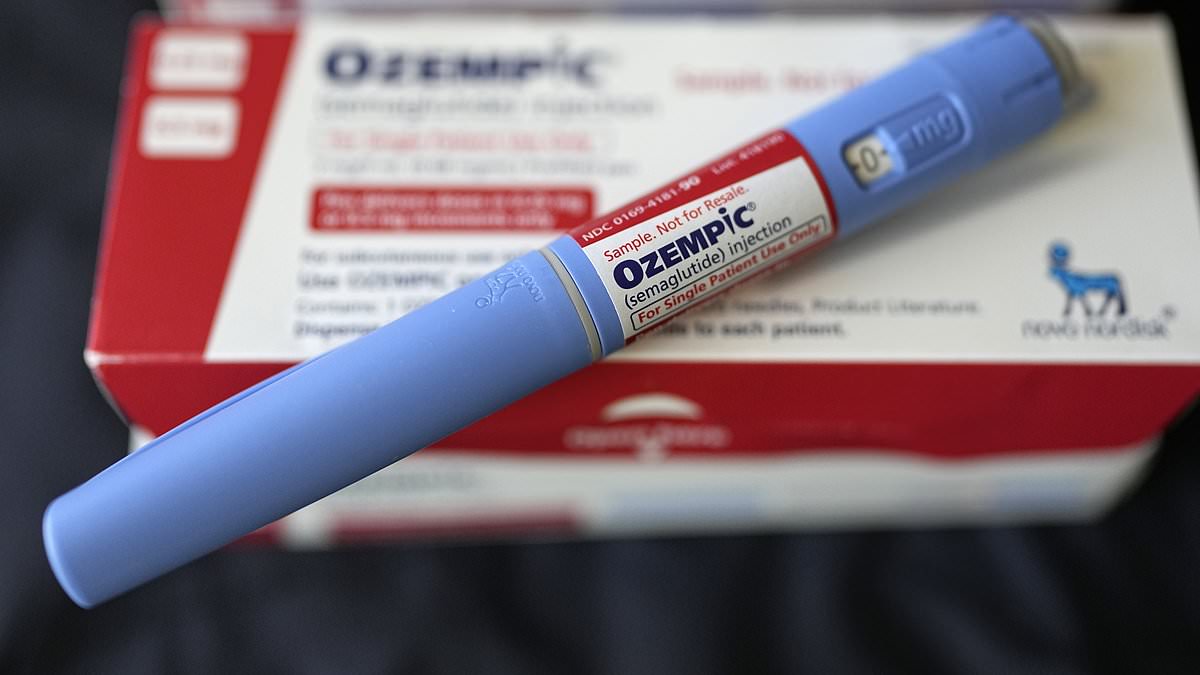
Researchers in Spain, using AI software, have identified two plant extracts that mimic the weight loss effects of the drug Ozempic. These extracts are being considered as potential alternatives to the prescription drug, which has seen a surge in usage but also reports of side effects. The team believes that these plant extracts could offer a more accessible and cost-effective option for weight loss, with fewer side effects and the potential to be taken orally. The compounds, named Compound A and Compound B for now, are being patented for a new weight loss drug, and are derived from common plants associated with beneficial effects on human metabolism.
A recent study published in Pharmaceutics has found that a plant-derived formula called FRO has potent antimicrobial and anti-inflammatory effects against Cutibacterium acnes (CA), the bacterium responsible for acne. The formula, which is a mixture of fermentation of Rhus verniciflua (RV) and Orostachys japonicus (OJ) extracts, demonstrated significant efficacy in inhibiting CA growth, reducing sebum production, and neutralizing reactive oxygen species (ROS) associated with acne. These findings suggest that FRO could serve as a safe, natural, and cost-effective alternative to conventional acne therapies, offering potential benefits for both treating and preventing acne.