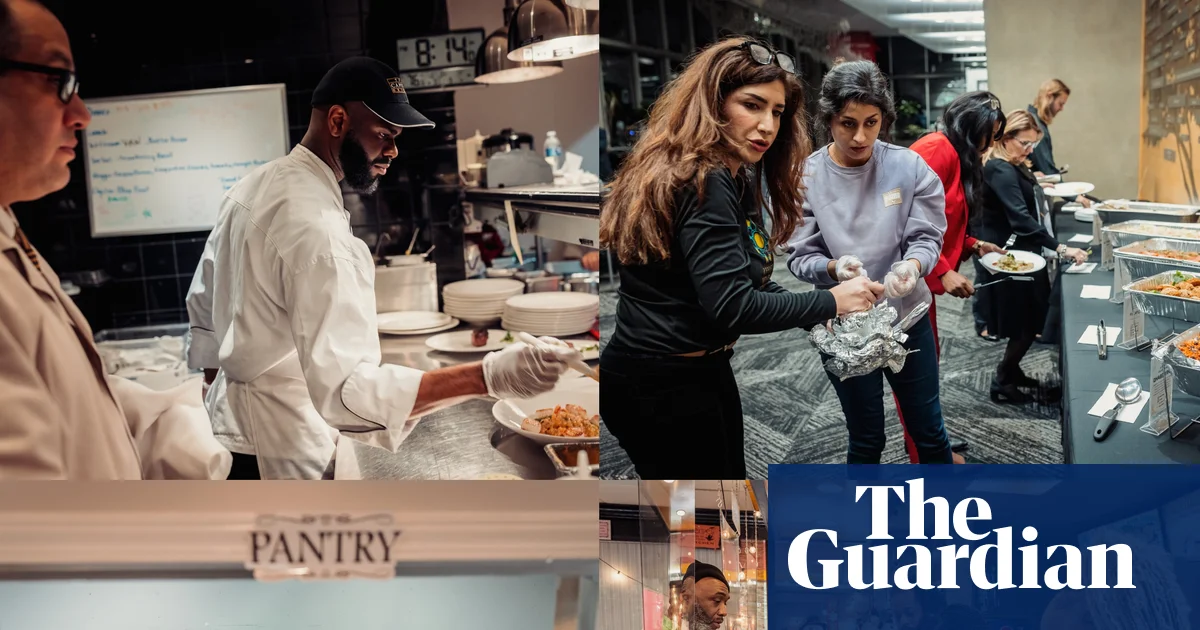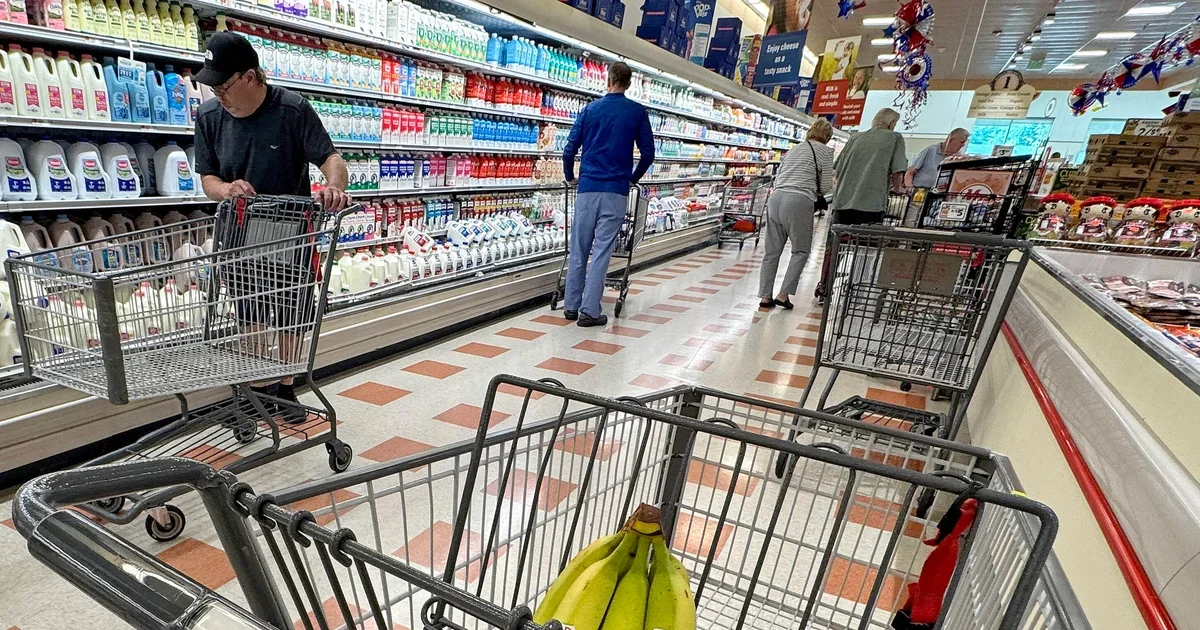
The article explores how the US economy under Trump's administration has impacted food consumption, highlighting rising food costs, increased demand at food pantries, and the disparity between different socioeconomic groups, with some still spending lavishly on luxury foods like caviar while others struggle to afford basic necessities.
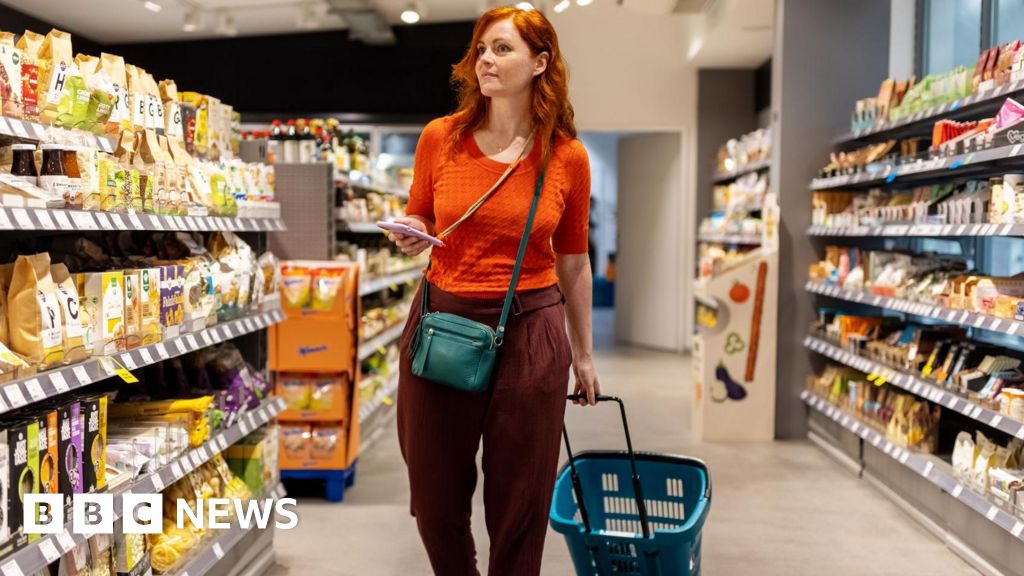
The latest inflation figures show a slowdown in price increases, with a 3.2% rise over the past year, driven by falling food prices and reduced clothing costs, which may lead to lower interest rates and cheaper borrowing, offering some relief for consumers but potentially impacting savers.
UK inflation fell to 3.2% in November, driven by lower clothing, food, and other prices, surpassing expectations and raising hopes of peaking inflation, which may lead to further interest rate cuts; however, some prices like beef and coffee continue to rise, and the overall cost of living remains high for many households.
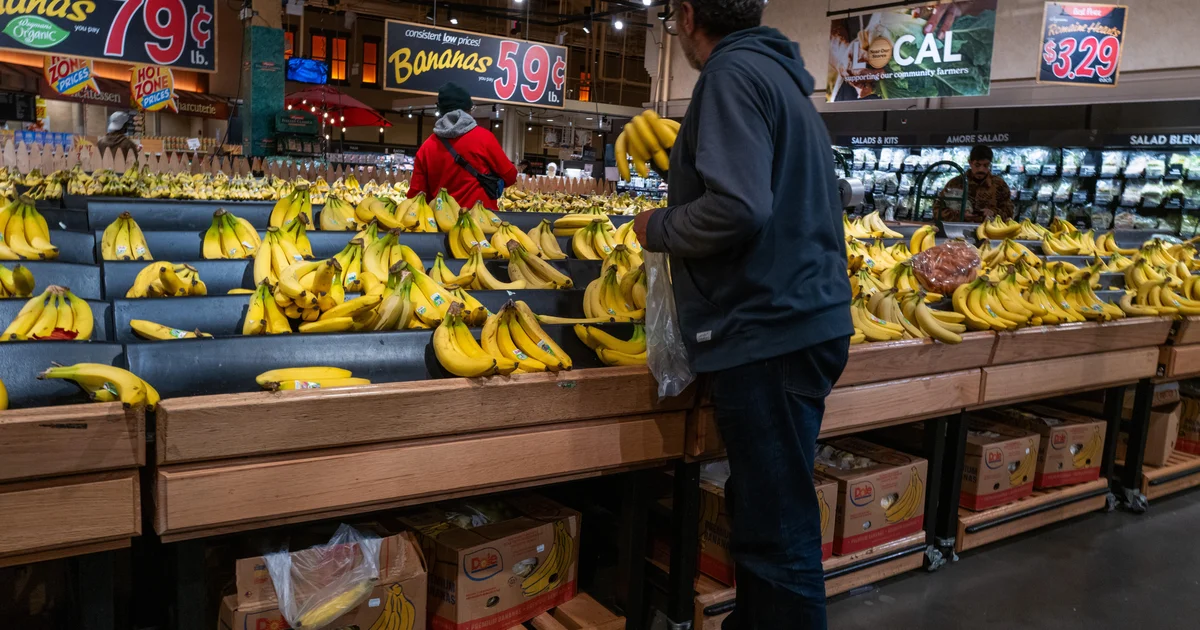
The Trump administration plans to take swift action to lower the prices of imported goods like coffee and bananas, with discussions about reducing tariffs on these items to address rising costs, amid concerns about affordability and economic impacts.
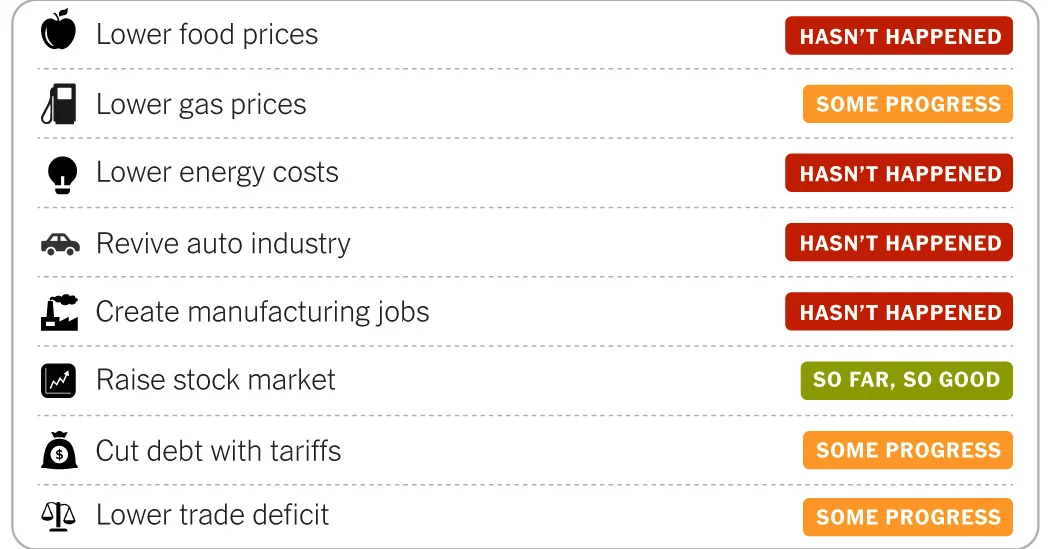
CNN host Abby Phillip refuted President Trump's claims that food prices have decreased under his administration, citing official data showing food costs have risen since last year, and highlighted economic concerns such as rising layoffs and inflation, contradicting Trump's assertions of economic success.
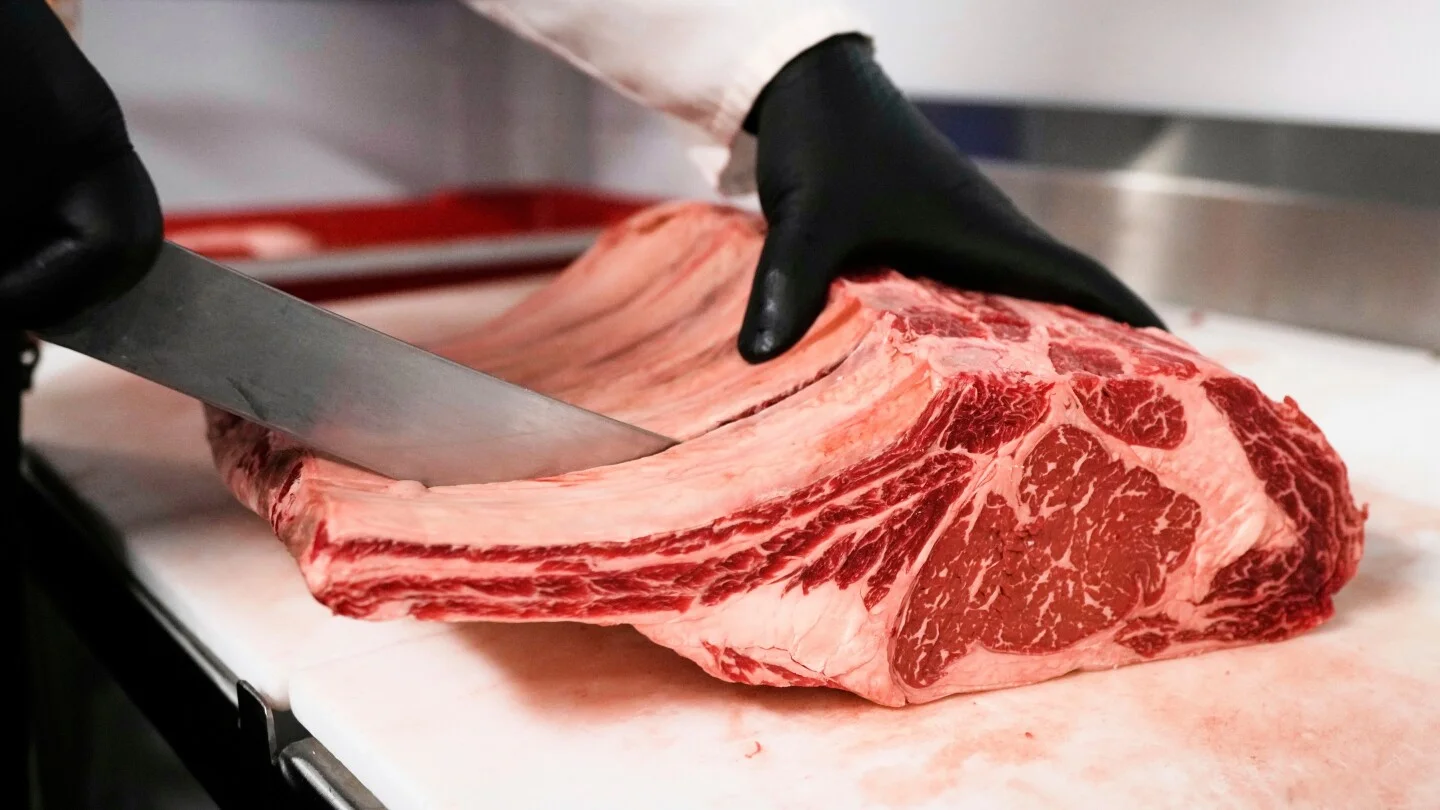
President Trump accused foreign-owned meat packers of inflating US beef prices and called for a Department of Justice investigation, citing concerns over market manipulation amid record-high beef prices driven by drought, demand, and tariffs, though experts and industry groups dispute these claims and suggest no evidence of collusion.
President Trump claims Walmart's Thanksgiving basket is cheaper this year, but it contains fewer items and the composition has changed, making direct price comparisons misleading. While Walmart reports a 25% price reduction, overall grocery prices have actually increased since Trump took office, contradicting his assertions.
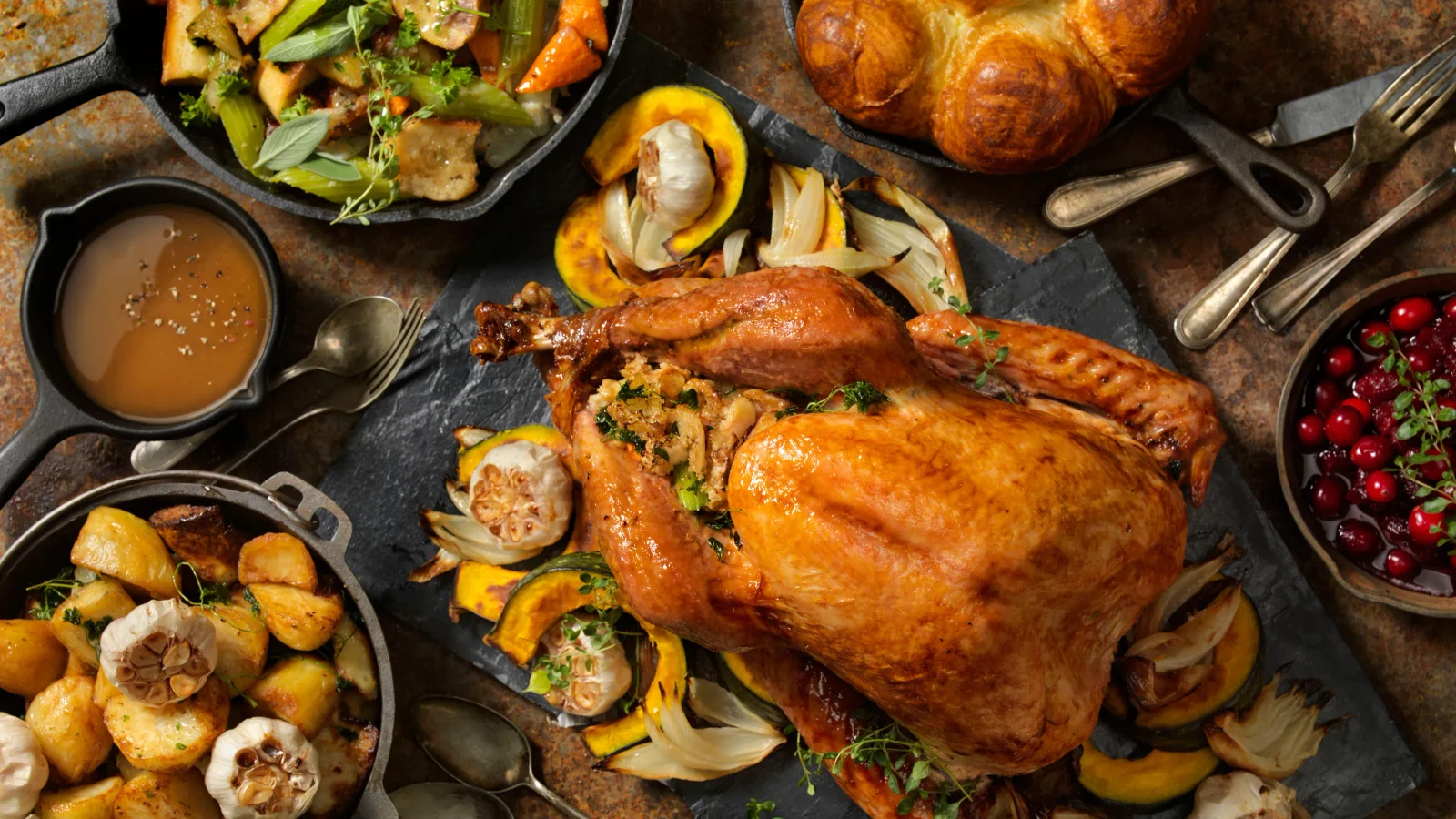
Despite overall rising food prices, the cost of a traditional Thanksgiving meal has decreased slightly this year, with prices for key items like turkey, sides, and desserts falling or remaining stable, partly due to better retailer planning and lower wholesale costs.
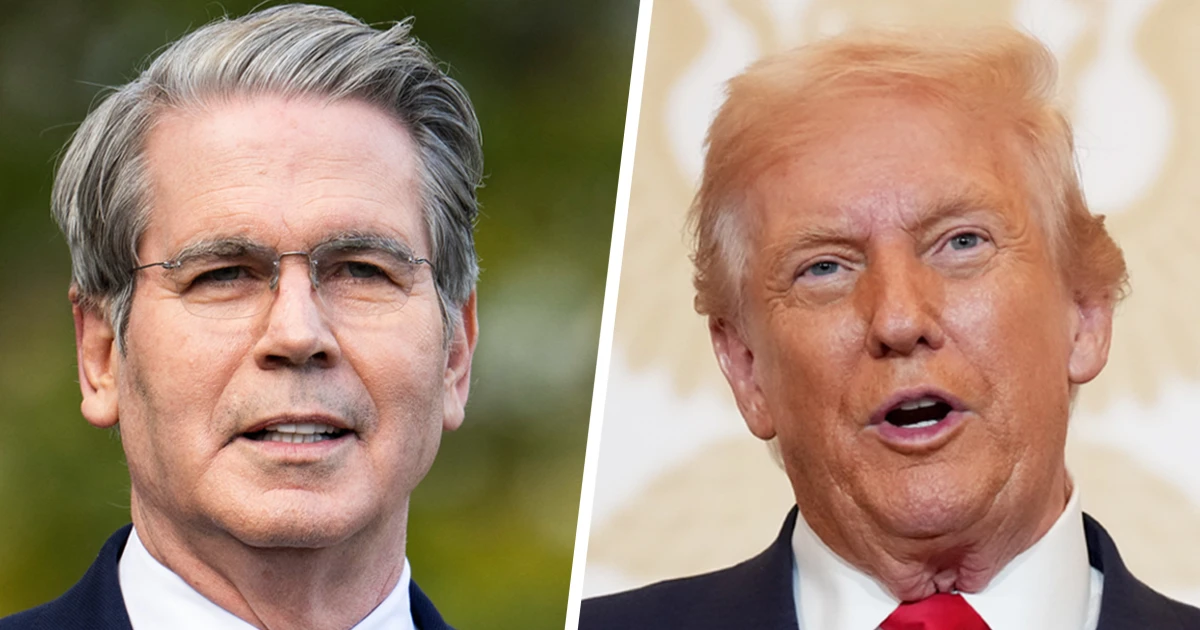
The Treasury Department reported that inflation remained above the 2% target in Q3, contradicting President Trump's claims of no inflation, with inflation at 3% in September. Despite steady economic growth and moderate wage increases, lower-income consumers are struggling more than higher-income groups. The labor market shows slight moderation, and upcoming GDP and jobs data are delayed due to a government shutdown. The report highlights potential risks and the impact of artificial intelligence on the economy.
The prices of beef, bananas, and coffee have surged due to a combination of climate change impacts, supply chain disruptions, tariffs, and economic factors, with beef prices reaching their highest levels since the 1980s, coffee and banana prices also hitting record highs, reflecting ongoing inflation and supply constraints.
Supermarket leaders in the UK warn that potential tax hikes could lead to higher food prices, amid ongoing inflation driven by global factors and domestic tax policies, with industry lobbying for tax relief to help keep prices affordable ahead of the upcoming Budget.
New inflation data shows grocery prices have increased since Trump took office, contradicting his claims that they are 'way down.' Prices rose 0.3% from August to September and are about 2.7% higher than a year ago, with broad increases across most categories. Experts attribute some of the rise to tariffs and trade policies implemented during his administration.
The U.S. faces a turkey shortage this Thanksgiving due to avian flu outbreaks, with turkey populations at a 40-year low and prices rising by 40%, but industry experts believe there will still be enough supply, and consumers can expect deals and discounts.
Amid rising food prices and inflation, sales of Hamburger Helper are increasing as consumers seek affordable, filling meal options, leading to a nostalgic revival of the brand and its expansion into new flavors and formats.
President Trump claimed to have solved inflation, but recent data shows rising prices, driven by tariffs and immigration policies that have increased costs for imported goods and labor, leading to higher food and apparel prices despite some inventory buffering. Economists warn these policies could further accelerate inflation.