The Moon-Rice project, led by the Italian Space Agency and involving Italian universities, is developing super-dwarf rice using CRISPR technology to support long-term space missions and improve agriculture in extreme Earth environments, with potential benefits for global food security.
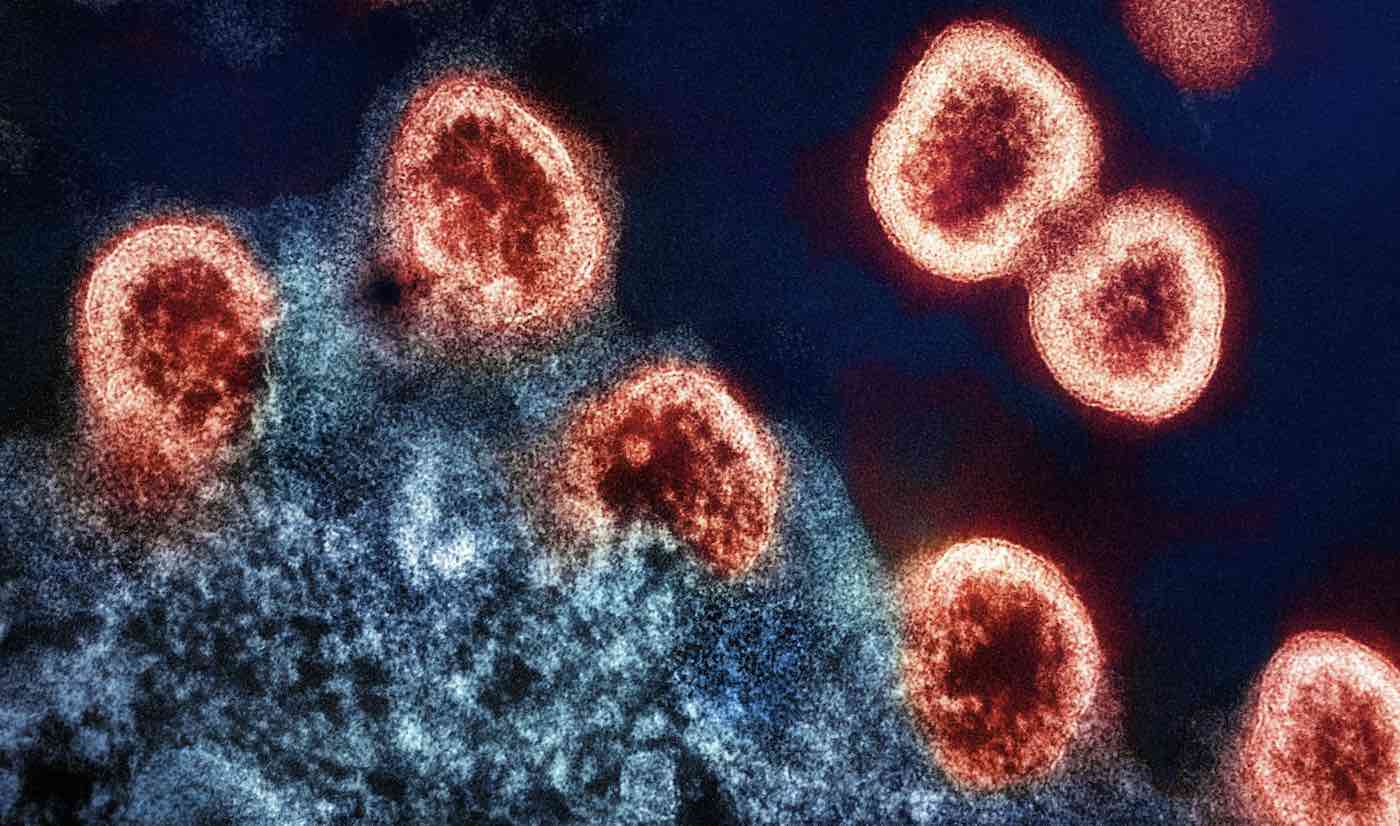
Scientists have discovered a potential cure for HIV using CRISPR-Cas gene editing technology, which can 'cut out' HIV DNA from infected cells. The study, presented ahead of the European Congress of Clinical Microbiology and Infectious Diseases, demonstrated the efficient use of CRISPR-Cas and guide RNAs to inactivate and eliminate HIV from various cells and locations where it can be hidden in reservoirs. While the cure is not yet available for patients, the findings represent a significant advancement towards designing a cure strategy for HIV.
Scientists from Amsterdam UMC have used gene-editing technology to eliminate all traces of HIV from infected cells in the laboratory, raising hopes for a cure. The team used CRISPR-Cas, a gene-editing tool, to cut DNA at designated spots and completely delete the virus from cells, including "hidden" HIV reservoir cells. The approach aims to provide a broad-spectrum therapy capable of fighting different HIV variants. However, more research is needed before this can be put into practice, and long-term treatment for HIV would still involve potent antiviral drugs.
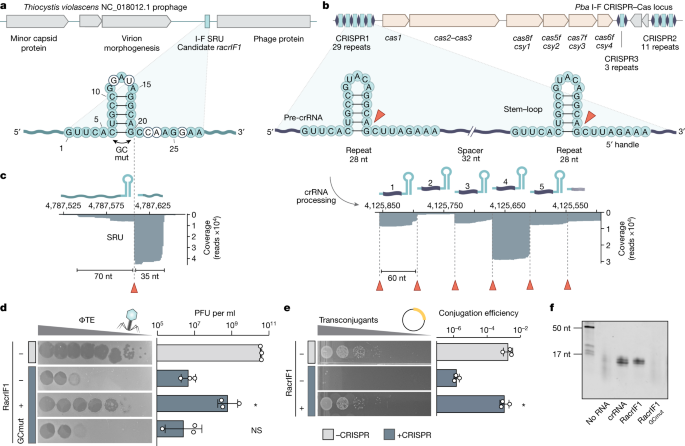
Bacteriophages, a type of virus that infects bacteria, have developed a mechanism to suppress the CRISPR-Cas immune system of bacteria using RNA-based anti-CRISPRs (Racrs). These Racrs mimic the repeat sequences in the CRISPR array and bind to Cas proteins, interfering with the formation of the CRISPR-Cas effector complexes. This immune evasion strategy allows phages and plasmids to infect a wide range of prokaryotic organisms. The discovery of Racrs presents new opportunities to control the activity of CRISPR-Cas technologies.
Scientists at ETH Zurich have successfully used CRISPR-Cas gene editing to simultaneously modify multiple genes in the cells of adult mice, creating a mosaic-like pattern. This technique allows for the study of genetic diseases caused by multiple genes in a single experiment, potentially reducing the need for animal experiments. The researchers applied this method to study the genetic disorder 22q11.2 deletion syndrome and discovered new insights into the disease. The approach has the potential to accelerate biomedical research and the development of targeted therapies for complex genetic diseases.
Researchers at ETH Zurich have developed a method to genetically modify individual cells in animals, allowing for the study of gene changes and their effects in a single experiment. Using adeno-associated virus (AAV)-mediated direct in vivo single-cell CRISPR screening, the researchers were able to switch off different genes in the cells of the mouse brain. This method provided new insights into a rare genetic disorder, 22q11.2 deletion syndrome, identifying three genes responsible for brain cell dysfunction. The technique allows for the study of genetic causes of diseases directly in fully grown animals, providing a more accurate representation of cell behavior in living organisms.
Researchers have discovered a new class of RNA-guided endonuclease called Fanzor, which is found in eukaryotes. Fanzor has the ability to cleave DNA and can be reprogrammed for genome engineering applications in humans. The structure of Fanzor has been resolved, revealing its similarity to other RNA-guided systems like Cas12. This discovery demonstrates that RNA-guided endonucleases are present in all three domains of life.
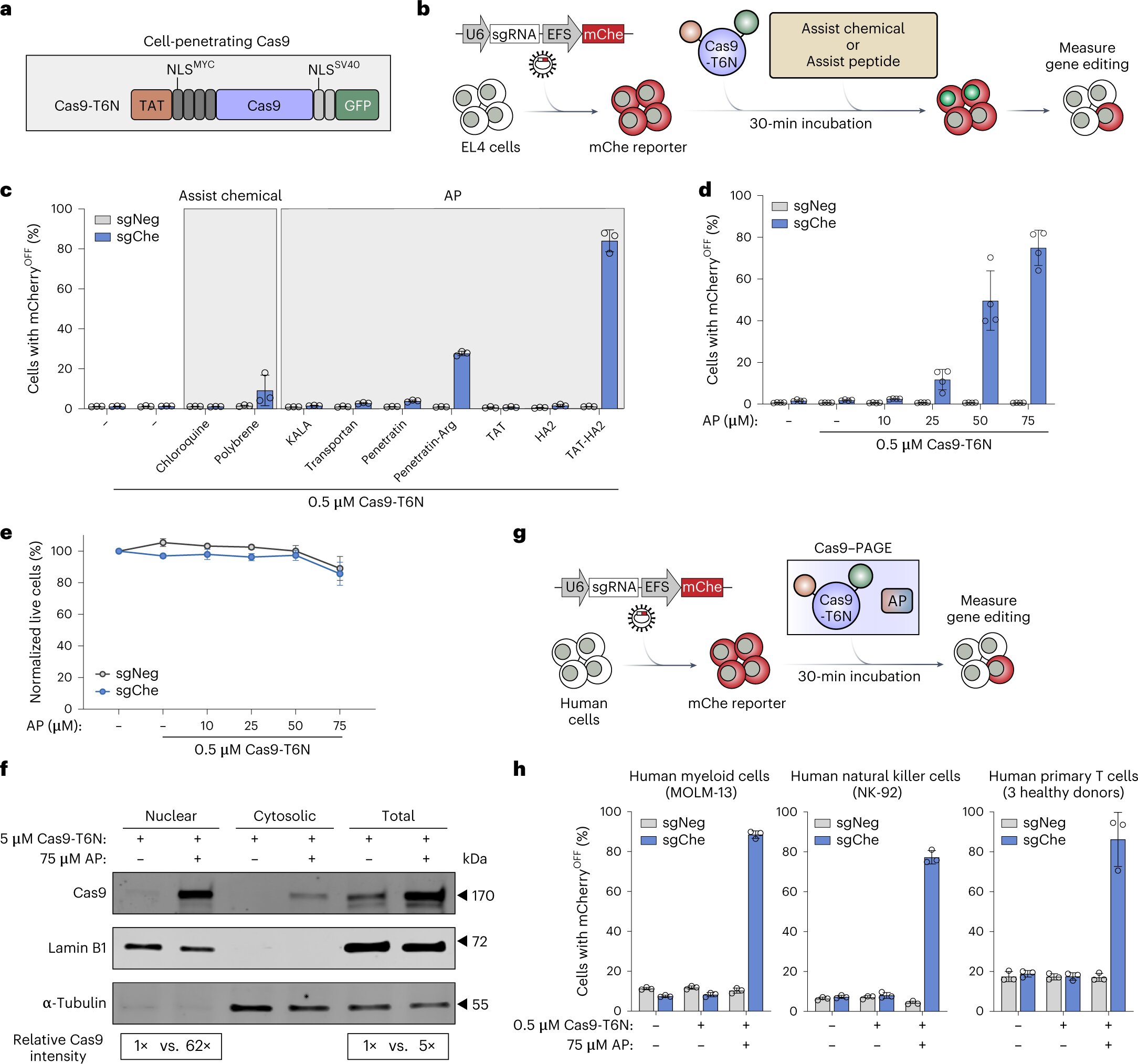
Researchers at the University of Pennsylvania have developed a new approach to genetic engineering that promises significant improvements in speed, efficiency, and reduction in cellular toxicity compared to current methods. The approach could power the development of advanced cell therapies for cancers and other diseases, particularly CAR T cell therapy. The new technique uses small, virus-derived protein fragments called peptides to get CRISPR-Cas gene editing molecules into cells and their DNA-containing nuclei with high efficiency and low cellular toxicity. The approach could also see wide application in basic scientific research.