New supercomputer simulations reveal that turbulence in primordial gas clouds played a crucial role in the formation of the universe's first stars, challenging previous ideas about their size and distribution and shedding light on the cosmic dawn.
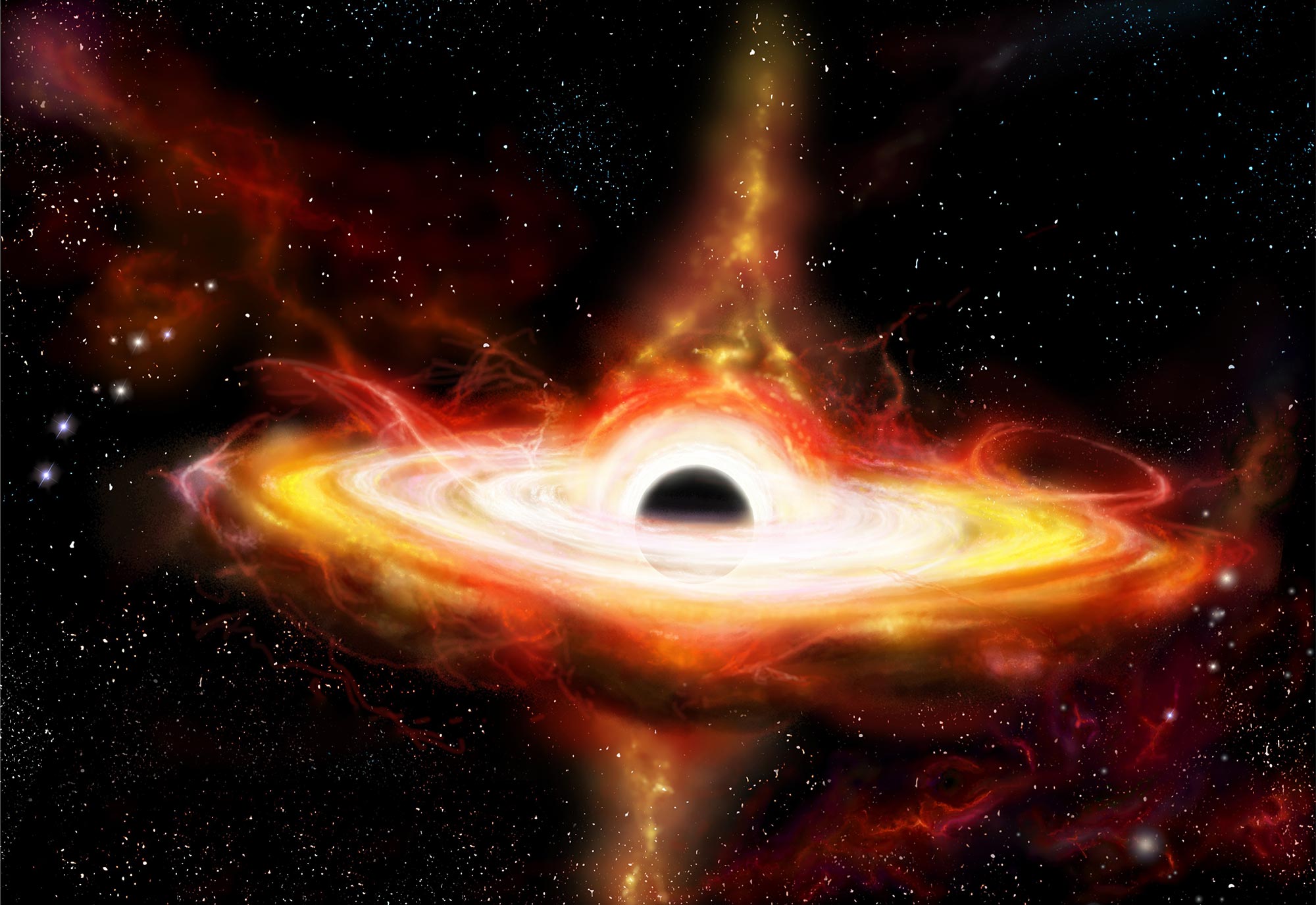
Researchers have used supercomputer simulations to show that intermediate-mass black holes, which have been elusive to astronomers, could form in dense star clusters known as globular clusters. These clusters, containing tens of thousands to millions of stars, create chaotic environments where stars collide and merge, potentially forming massive stars that can collapse into intermediate-mass black holes. The study provides new theoretical evidence supporting the existence of these black holes and aligns with astronomical observations.
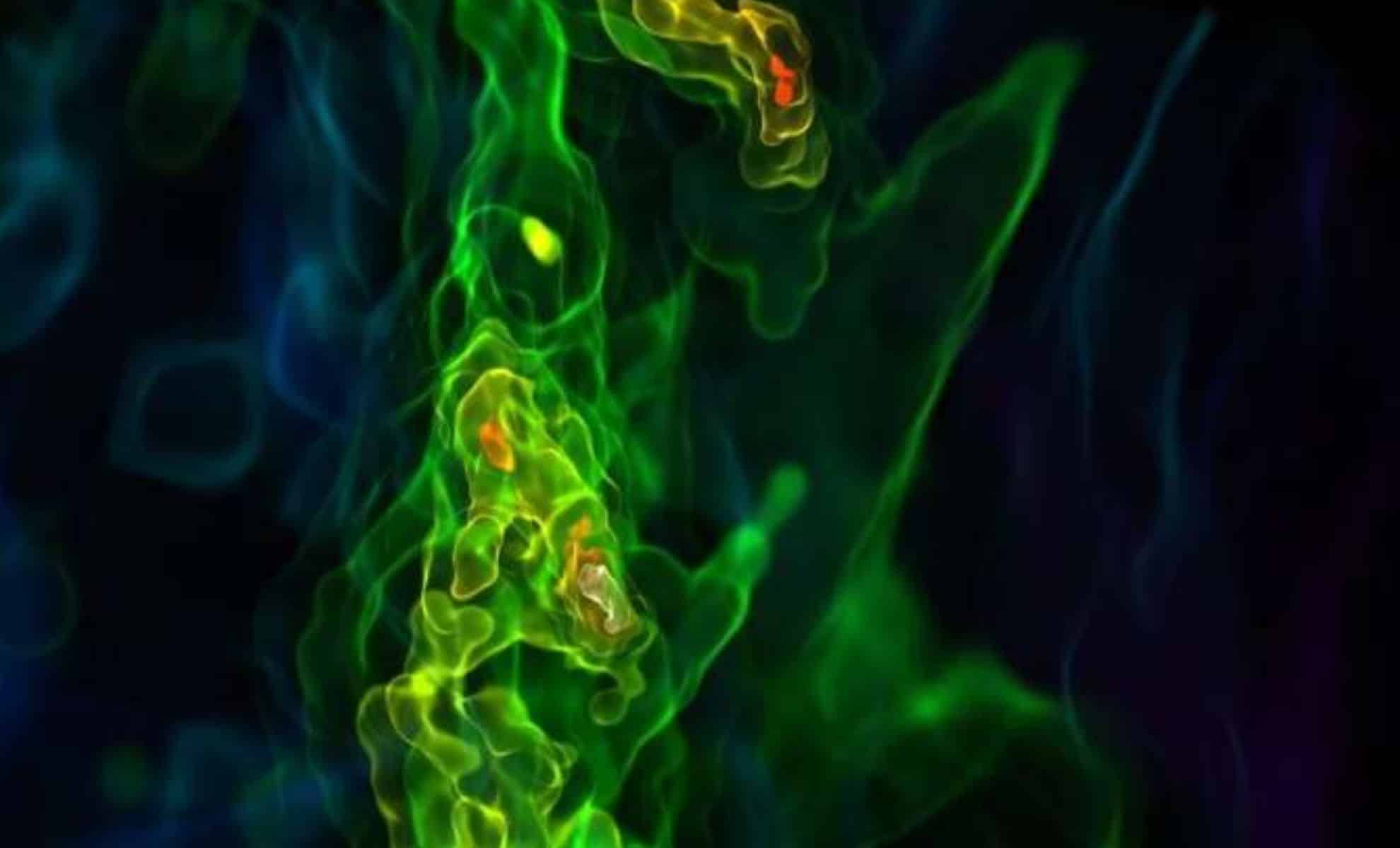
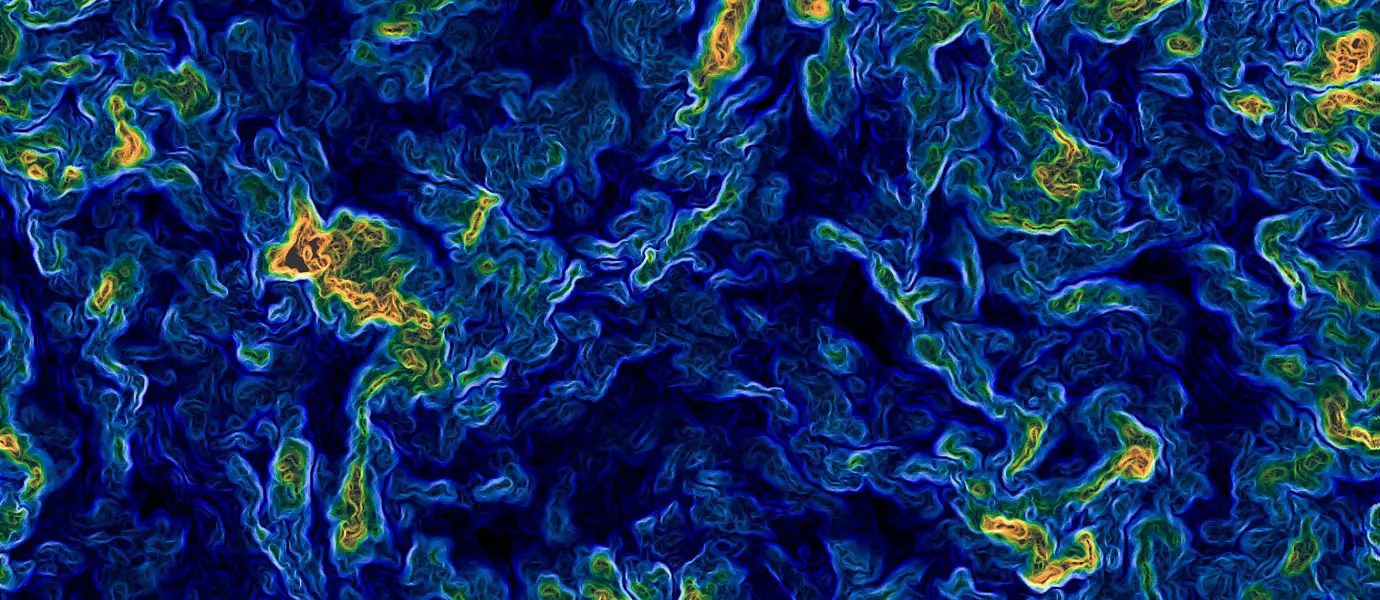
Researchers at the Institute of Astronomy and Astrophysics, Academia Sinica (ASIAA) have used supercomputer simulations to decode the birth mass of the first stars, known as Population III (Pop III) stars, in the early universe. Their findings suggest that supersonic turbulence effectively fragments star-forming clouds into clumps, each with dense cores ranging from 22 to 175 solar masses, leading to the formation of first stars with masses of about 8 to 58 solar masses. This reconciles the mass discrepancy between previous simulations and observations, providing a strong theoretical foundation for understanding the first star formation.
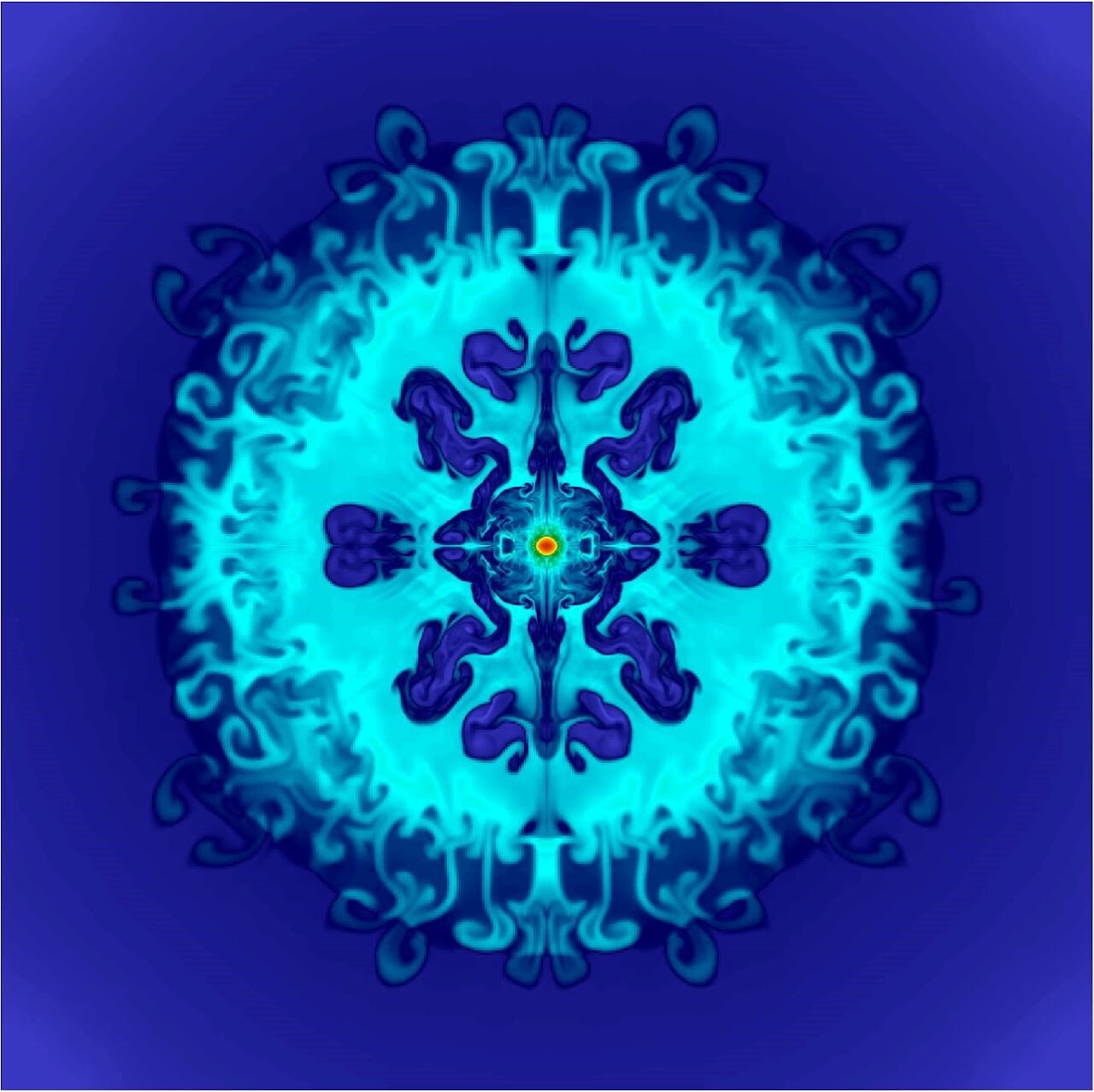
Scientists are using supercomputer simulations to study the behavior of neutron stars and the thermonuclear explosions that occur when they accumulate material from a companion star. By replicating observed X-ray flares, researchers are gaining insights into the properties of neutron stars and the extreme densities within them. Using the Summit supercomputer, they have scaled their simulations to a third dimension, revealing similarities and differences between 2D and 3D models. This work provides valuable information about how neutron stars produce powerful eruptions and can help to better understand their behavior.
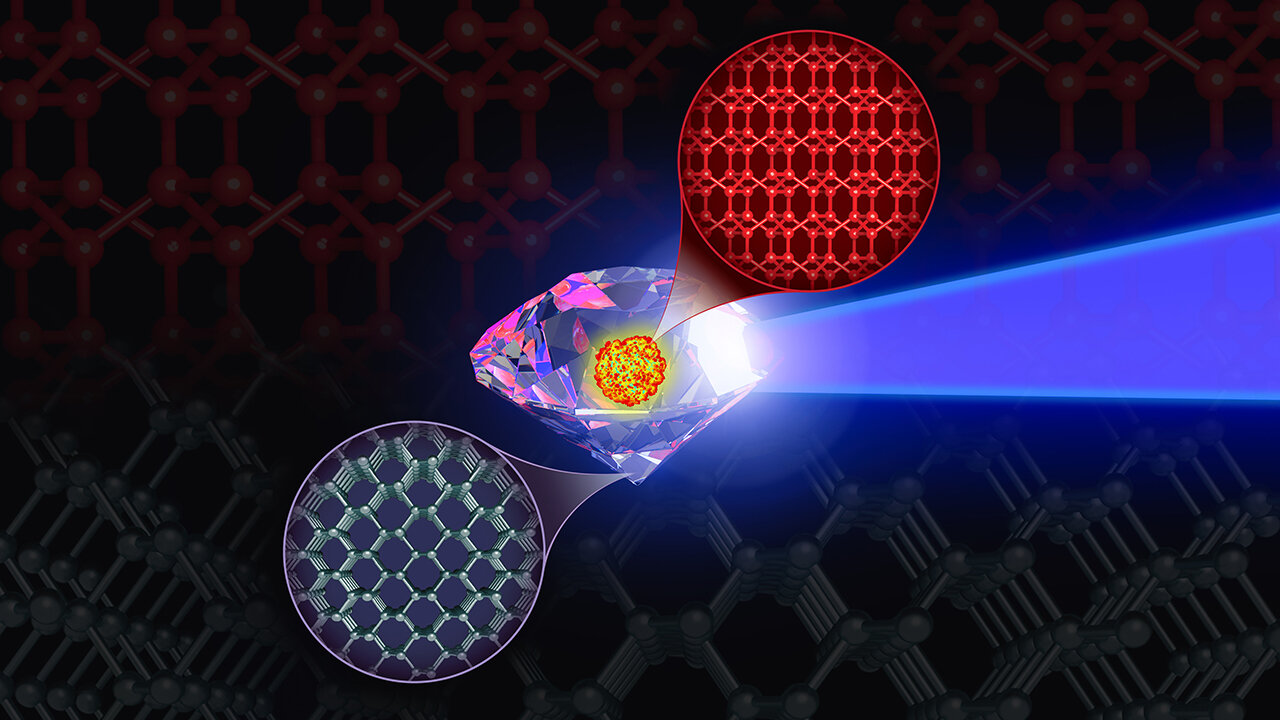
Supercomputer simulations have predicted the existence of a new form of carbon, the BC8 phase, which is believed to be even tougher than diamond. This phase is thought to exist in the center of carbon-rich exoplanets and could potentially be synthesized on Earth. The simulations have revealed the extreme metastability of diamond at very high pressures and suggest viable compression pathways to access the BC8 phase. Researchers are now working on experimental methods to create this elusive super-diamond in the laboratory.
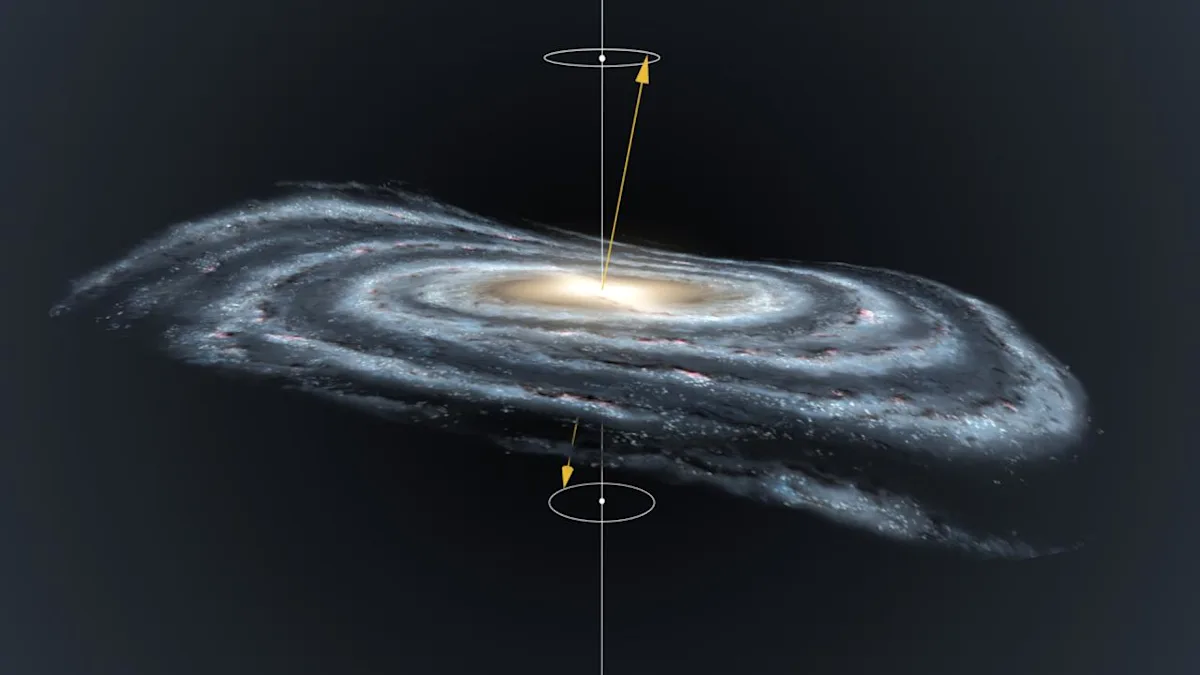
Astronomers have discovered why spiral galaxies like the Milky Way are rare in our cosmic neighborhood. Supercomputer simulations revealed that frequent galactic collisions in the Supergalactic Plane transformed spiral galaxies into elliptical galaxies, while somehow sparing our own. The collisions shattered the delicate arms of spiral galaxies and pushed more matter into their supermassive black holes, making them even bigger. Spiral galaxies located away from the plane were mostly unaffected, allowing them to preserve their structures.
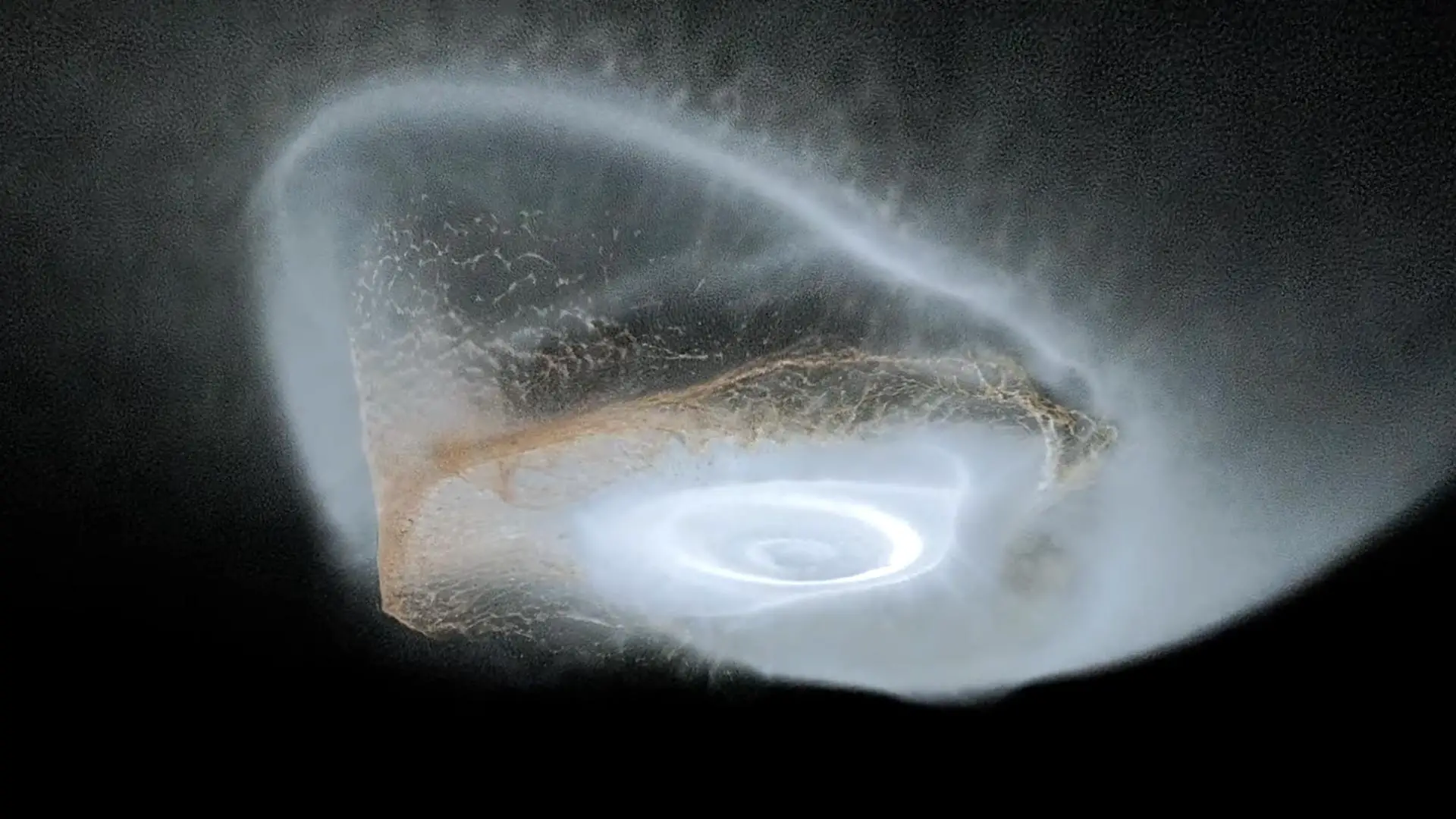
Supercomputer simulations conducted by NASA suggest that Saturn's rings may have originated from a massive collision between two icy moons during the age of dinosaurs. The simulations revealed that various collision scenarios could disperse the right amount of ice into Saturn's Roche limit, where it could settle into rings. This research provides new insights into the Saturn system and raises questions about the potential for life on its moons.
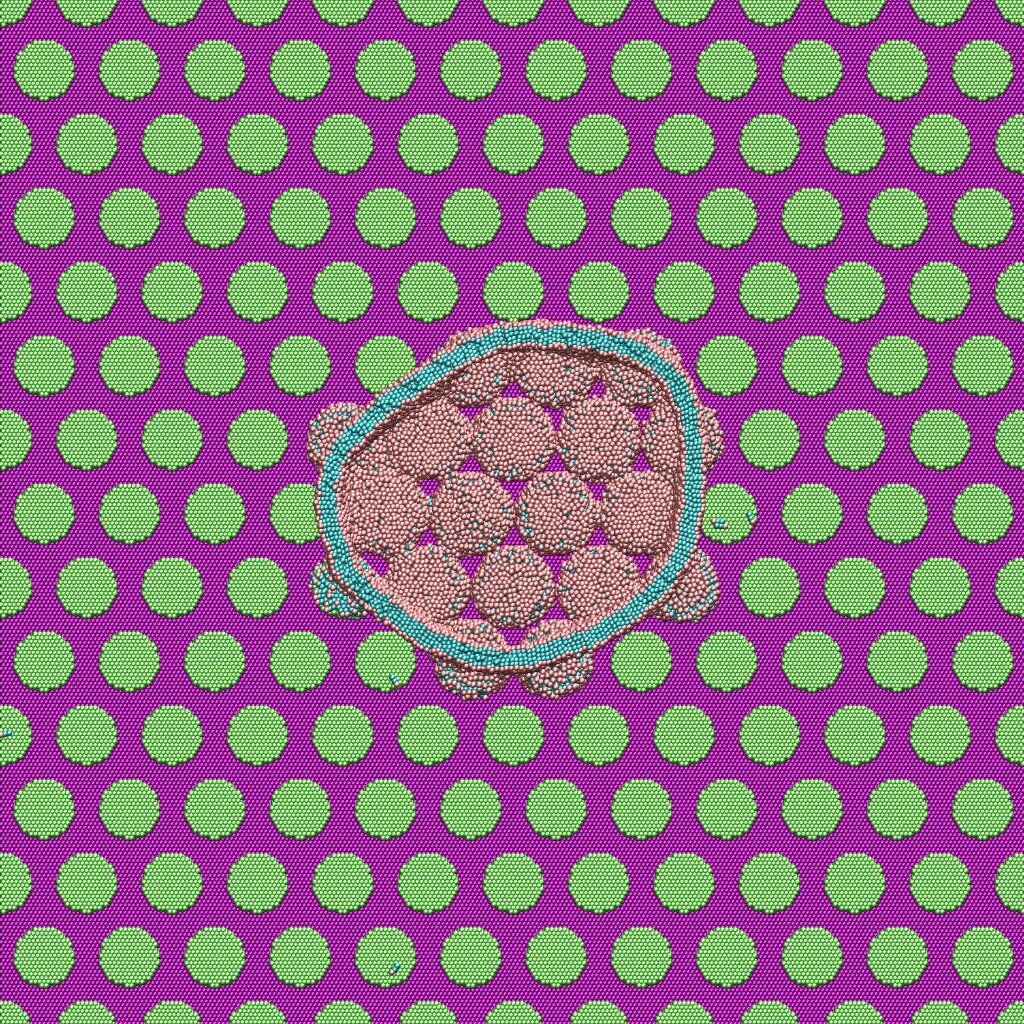
Scientists at Stony Brook University and Oak Ridge National Laboratory have used supercomputer simulations to gain insight into how cicada wings kill bacteria. By replicating the nanostructure of cicada wings, researchers were able to create nanosurfaces with antibacterial properties. The simulations showed that the nanopillars on the nanosurfaces interact with bacterial cell membranes, causing them to stretch and collapse, leading to the bacteria's death. Surprisingly, the height of the nanopillars was not crucial to their antibacterial effectiveness. The researchers plan to further investigate the self-cleaning functionality of the nanosurfaces before applying them to biomedical devices.
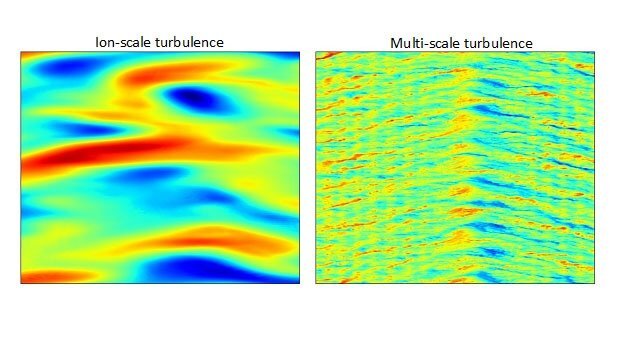
Supercomputer simulations have revealed that multi-scale turbulence, which is caused by the interaction between the slow, large-scale motion of hydrogen fuel ions and the fast, small-scale motion of electrons, is mostly responsible for heat losses in the edge region of tokamak experiments required for optimized fusion reactors. The simulations accurately predict the heat losses measured in experiments in the DIII-D tokamak, and the findings will aid researchers in designing next-generation fusion reactors with optimal fusion performance.
Scientists have used advanced supercomputer simulations to demonstrate the existence and significance of a small-scale dynamo in the Sun’s magnetic field, which could help predict major solar events a few days earlier, providing vital extra time for us to prepare. The Sun’s magnetism comes from a process known as the solar dynamo, consisting of two main parts, the large-scale dynamo and the small-scale dynamo, neither of which scientists have been able to fully model yet. The research group is currently expanding their study to even lower magnetic Prandtl number values using GPU-accelerated code on the new pan-European pre-exascale supercomputer LUMI.
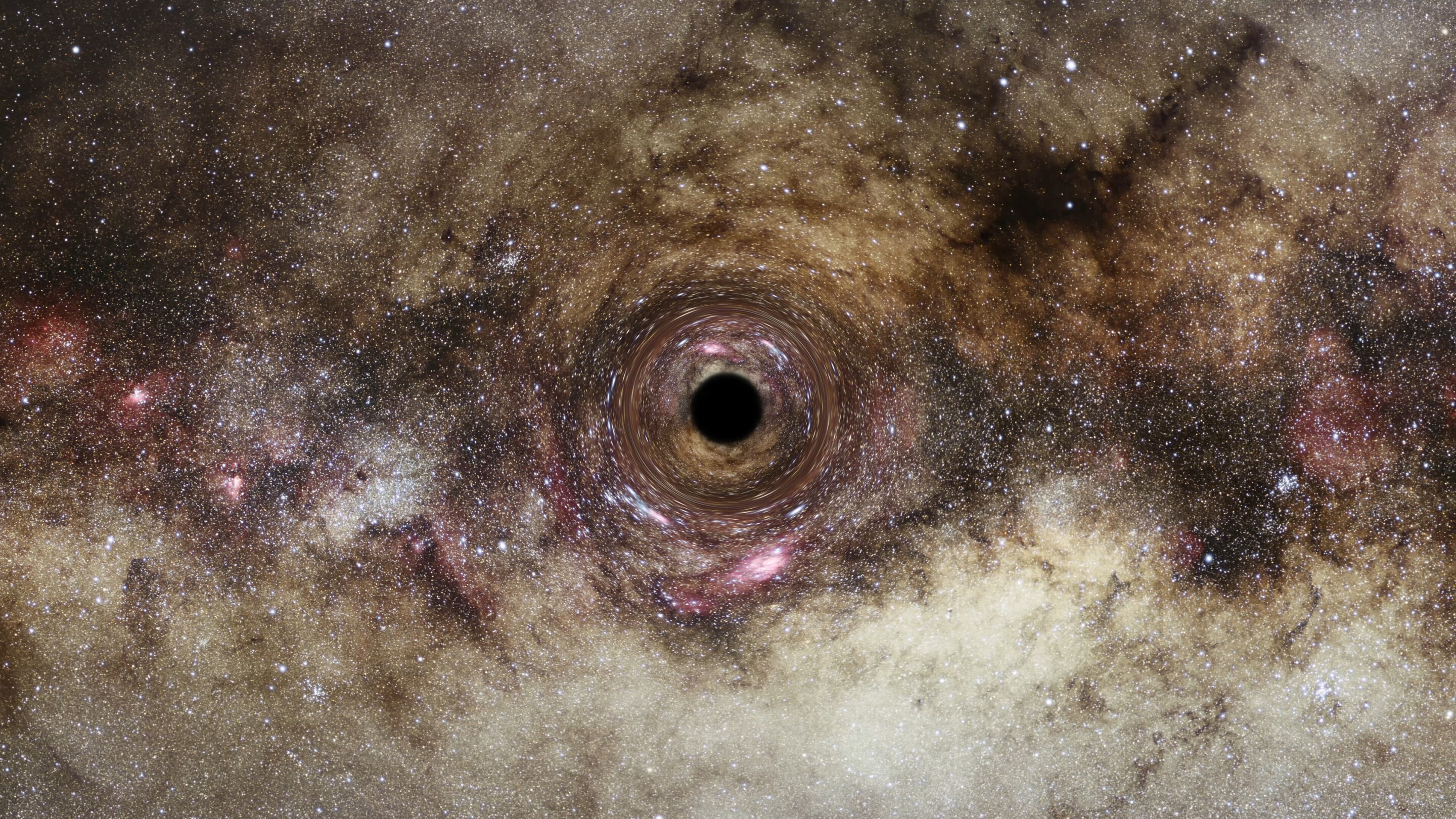
Astronomers have discovered an ultramassive black hole, over 30 billion times the mass of the Sun, using gravitational lensing and supercomputer simulations. The technique allowed the researchers to accurately predict the light's path as seen in real Hubble Space Telescope images. This is the first black hole found using gravitational lensing, and the approach could let astronomers discover far more inactive and ultramassive black holes than previously thought. The research was supported by the UK Space Agency, the Royal Society, the Science and Technology Facilities Council (STFC), and the European Research Council.
Astronomers have discovered an ultramassive black hole, over 30 billion times the mass of our sun, using gravitational lensing and supercomputer simulations. The black hole was found in a foreground galaxy hundreds of millions of light years from Earth, and is one of the biggest ever detected. Gravitational lensing makes it possible to study inactive black holes, something not currently possible in distant galaxies, and could reveal how these exotic objects evolved further back in cosmic time.