Tag

Plasma Confinement

All articles tagged with #plasma confinement

science-and-technology1 year ago

Magnetic Fields Breakthrough Boosts Fusion Plasma Confinement

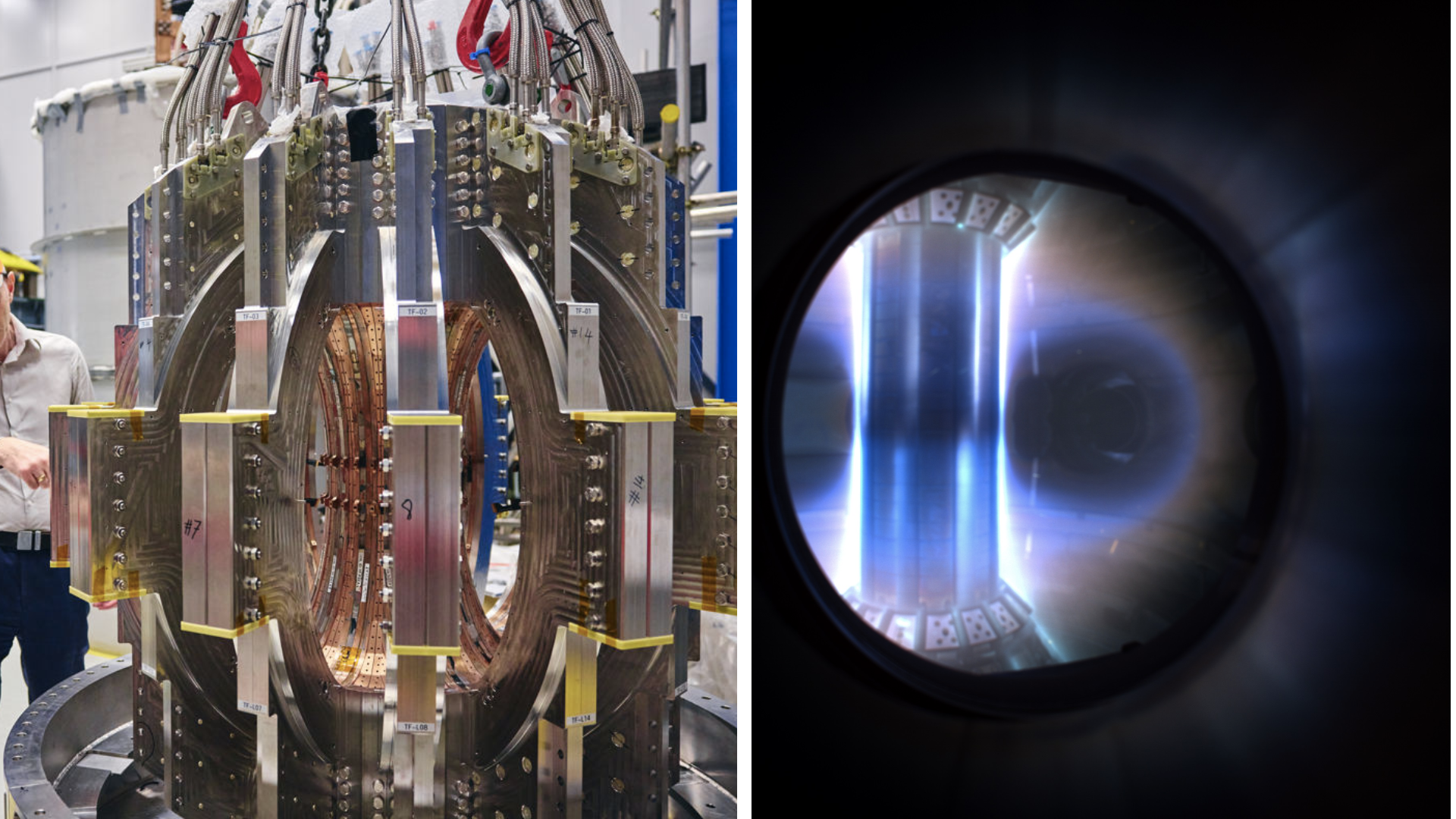
Researchers at Laboratorio Nacional de Fusión–CIEMAT have developed a new family of magnetic fields that enhance plasma confinement in fusion reactors, potentially simplifying reactor design and advancing the realization of fusion energy. These omnigenous magnetic fields allow for better particle confinement without complex equipment, broadening the possibilities for future stellarator reactors. The study, published in Physical Review Letters, suggests that optimizing magnetic fields in a 'piecewise omnigenous' manner could improve the efficiency of fusion devices.
science1 year ago

Breakthrough in Magnetic Fields Boosts Fusion Plasma Confinement

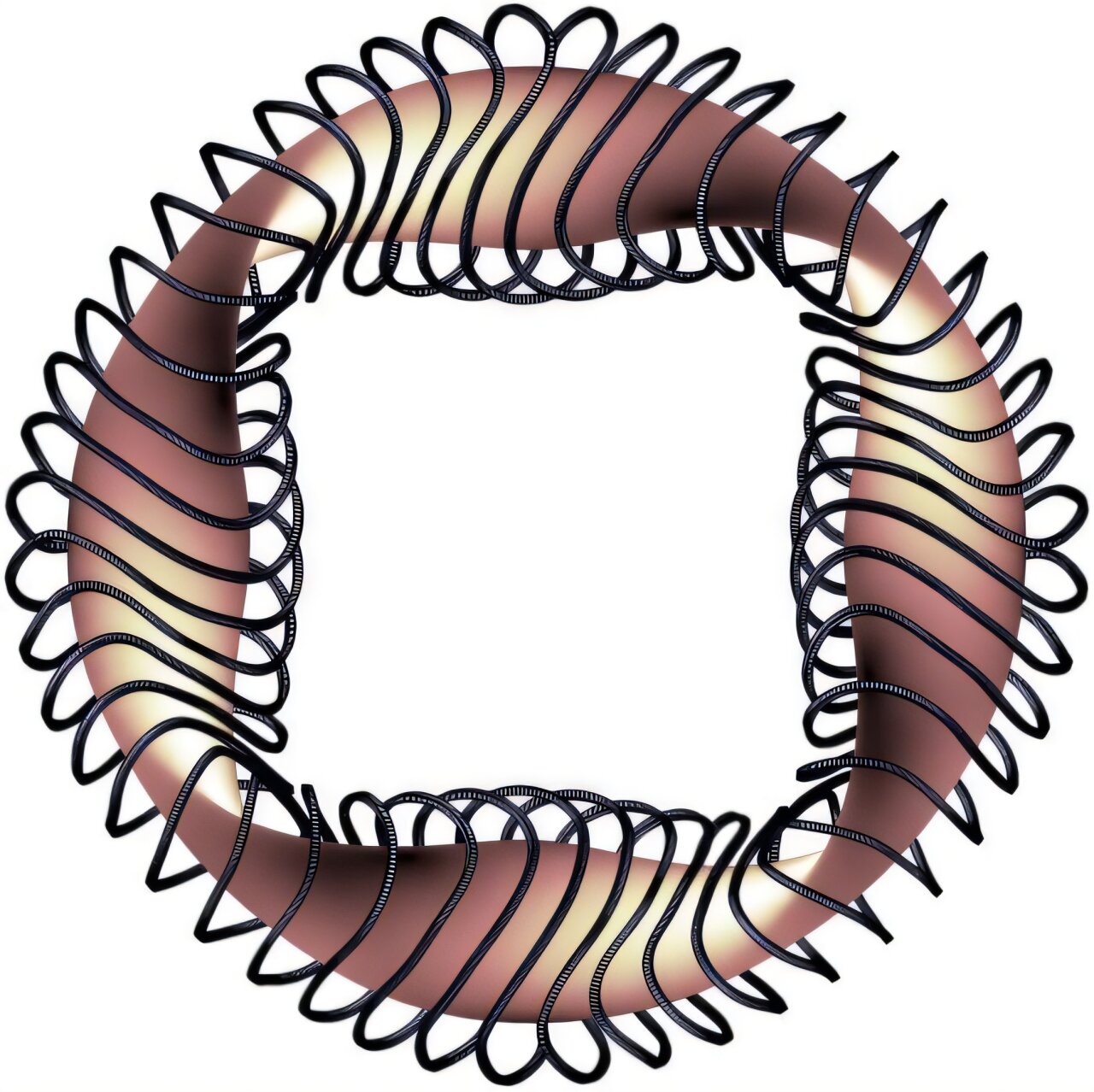
Researchers at Laboratorio Nacional de Fusión–CIEMAT in Madrid have developed a new family of magnetic fields, termed 'piecewise omnigenous,' which could improve plasma confinement in fusion reactors without requiring complex equipment. This approach may simplify the design and construction of stellarators, potentially making fusion energy more feasible. The study, published in Physical Review Letters, suggests that these magnetic fields could offer similar confinement properties to traditional omnigenous fields but with less complexity and cost.

science-and-technology1 year ago

"Korean Fusion Reactor Achieves 100 Million Degrees for 100 Seconds, Breaks Record"

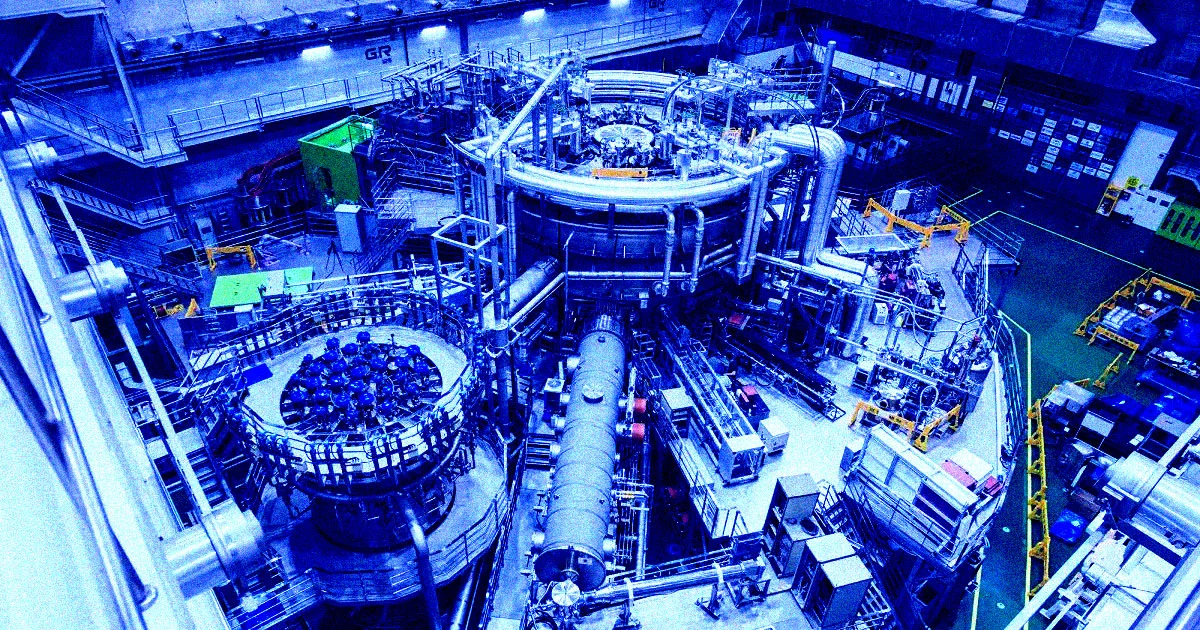
South Korean scientists have achieved a new world record by generating plasma temperatures of 100 million degrees Celsius for 48 seconds using the KSTAR nuclear fusion reactor, a significant advancement in fusion energy technology. Despite the breakthrough, commercialization of fusion energy is still a distant goal, but researchers remain optimistic. Other tokamak reactors worldwide have also achieved notable milestones, and the completion of the ITER facility in France next year may provide further insights into the potential of fusion energy as a viable power source.

science-and-technology2 years ago

Insights into Tokamak Turbulence Control through Fusion Simulations.

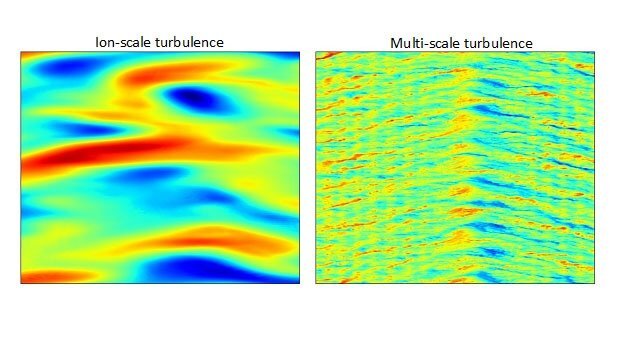
Supercomputer simulations have revealed that multi-scale turbulence, which is caused by the interaction between the slow, large-scale motion of hydrogen fuel ions and the fast, small-scale motion of electrons, is mostly responsible for heat losses in the edge region of tokamak experiments required for optimized fusion reactors. The simulations accurately predict the heat losses measured in experiments in the DIII-D tokamak, and the findings will aid researchers in designing next-generation fusion reactors with optimal fusion performance.