Trump Media & Technology Group (DJT) surged nearly 42% after announcing a $6 billion merger with TAE Technologies to create a pioneering publicly traded fusion energy company, with plans to build the world's first utility-scale fusion power plant.
Former President Trump's social media venture is merging with fusion power company TAE Technologies in a deal valued at $6 billion, aiming to advance nuclear fusion technology in the U.S. with strong political support and significant private investment, targeting a potential breakthrough in clean energy and AI integration by 2026.
Helion Energy is constructing the world's first nuclear fusion plant in Washington, aiming to provide zero-carbon electricity to Microsoft data centers, backed by major investors and representing a significant step toward sustainable energy.
Google has announced a deal to buy 200 MW of power from Commonwealth Fusion System's upcoming Arc fusion power plant, expected to be operational in the early 2030s, marking a significant step in fusion energy development and corporate investment in clean energy solutions.
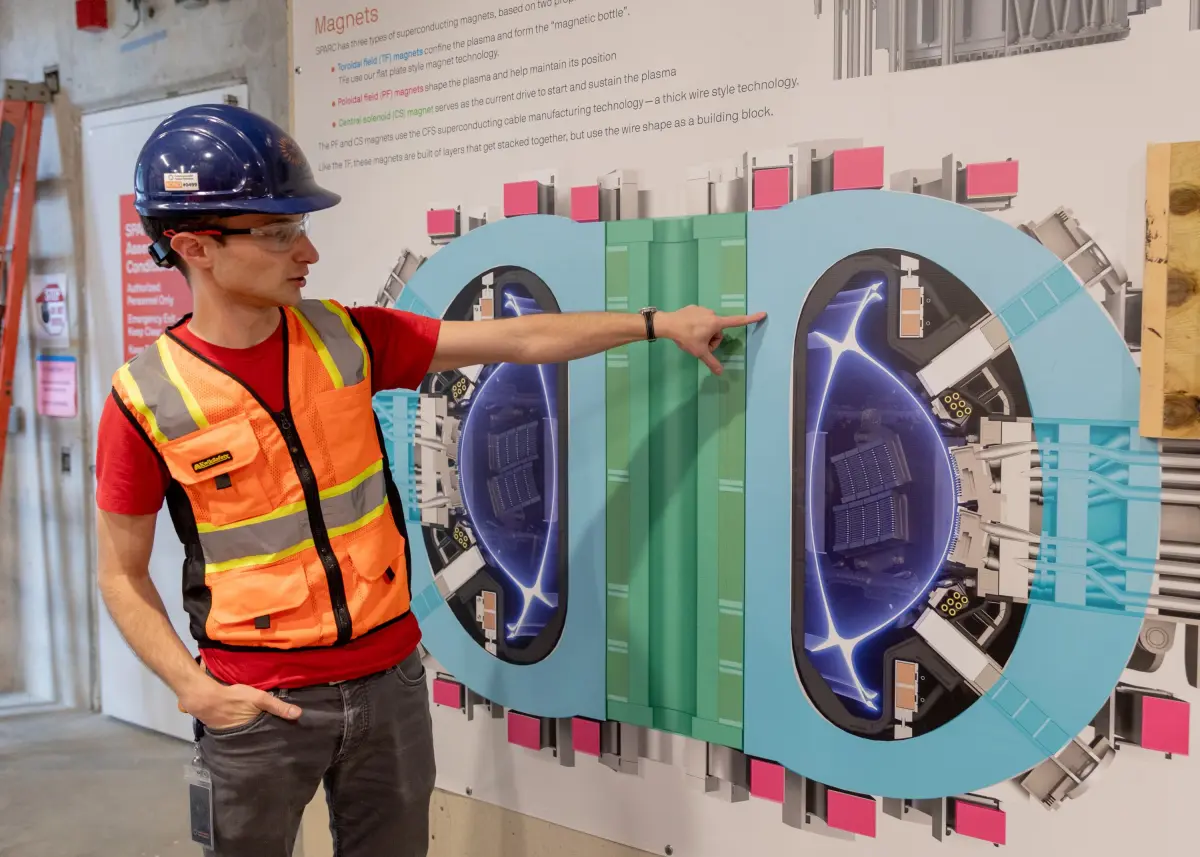
MIT claims that their superconducting magnet-based design for fusion energy, previously tested in 2021, is not only impressive in a lab setting but also practical and economically viable. The research, published in IEEE Transactions on Applied Superconductivity, shows that the design could significantly reduce the cost and size of fusion reactors, making fusion power more feasible. The use of an experimental material called REBCO and the removal of insulation around the magnet's coils have contributed to this breakthrough, with tests demonstrating robustness and stability even under extreme conditions.
Japanese startup EX-Fusion plans to use ground-based laser technology, originally developed for fusion power, to track and remove small space debris. The startup has partnered with EOS Space Systems to place a high-powered laser in an observatory outside of Canberra, with the goal of slowing down debris and causing it to burn up in the Earth's atmosphere. This approach involves using diode-pumped solid-state (DPSS) lasers, different from weapon-grade lasers, to apply force to fast-moving debris and stop it. The initiative also serves as a test for EX-Fusion's laser fusion process on the path to commercializing fusion technology.
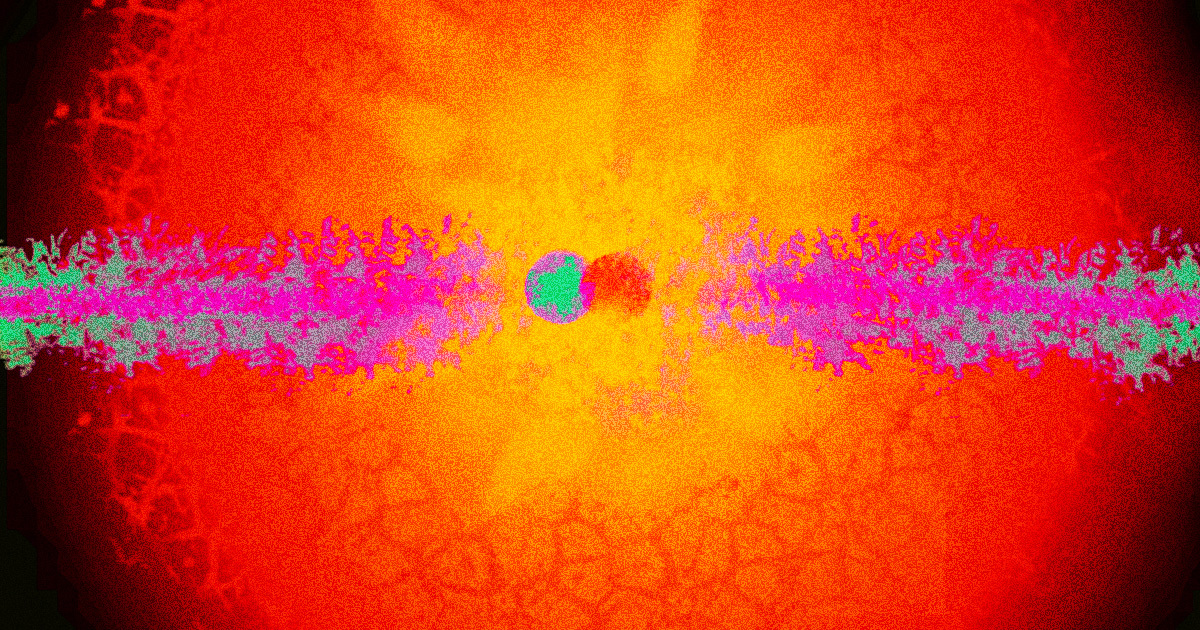
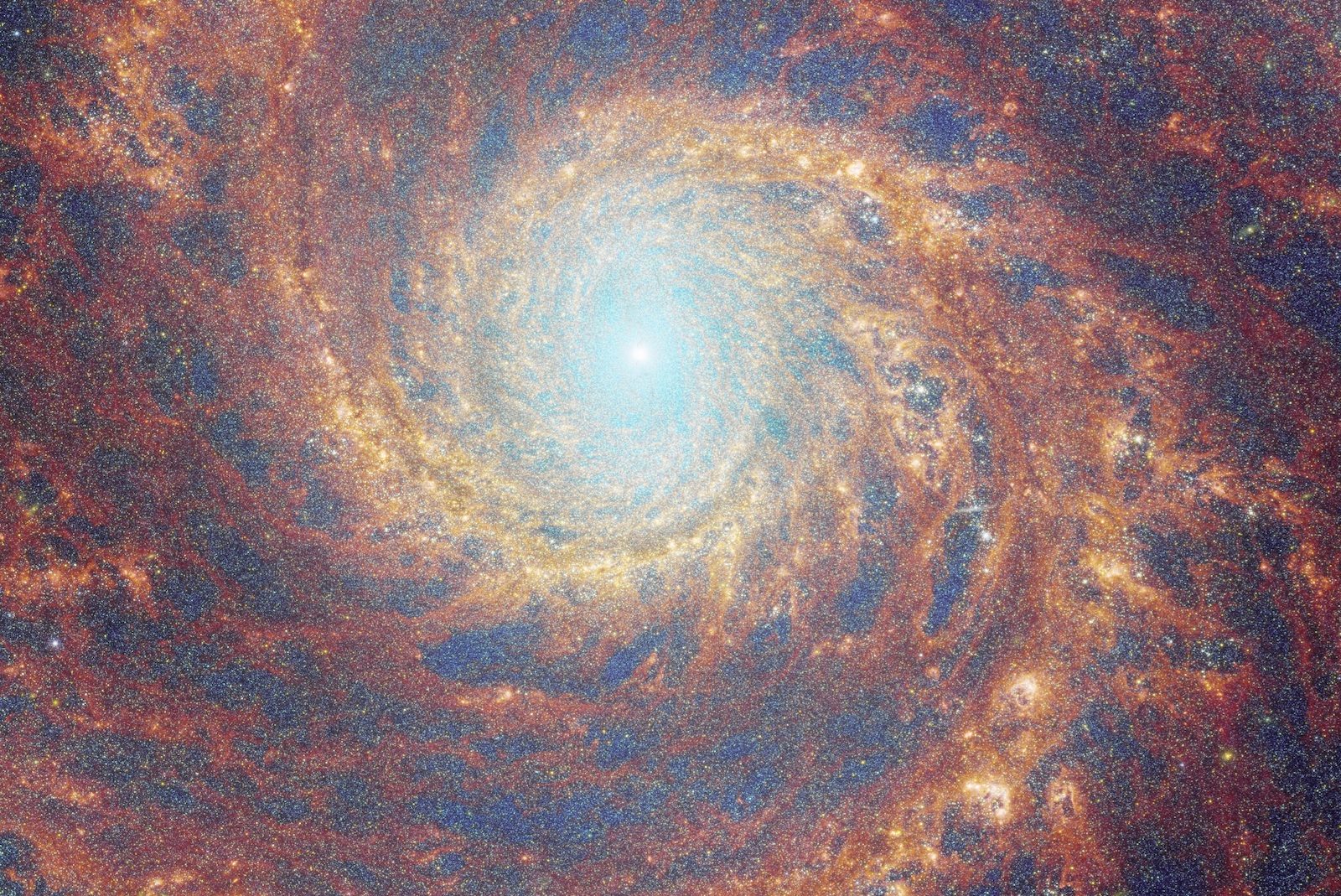
The Big Bang theory is being challenged by new data from the James Webb Space Telescope, leading to the need for a rethinking of the origin and development of the universe. An alternative theory called plasma cosmology, developed by Nobel laureate Hannes Alfvén, offers a scientifically validated history of cosmic evolution that does not rely on concepts like dark matter and dark energy. This theory, which focuses on the role of plasmas in understanding cosmic evolution, has practical applications in the development of fusion power on Earth. The formation of large-scale structures in the universe, such as galaxies and superclusters, can be explained by the interactions of electric currents and magnetic fields, as observed in laboratory experiments.
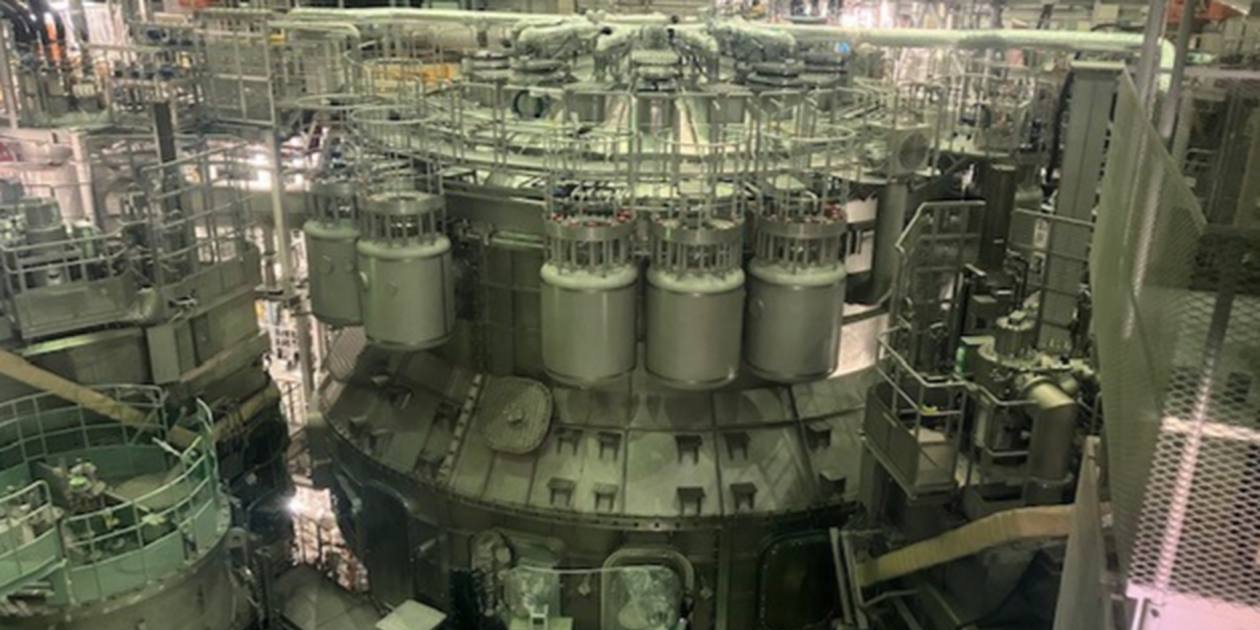
Japan's fusion power project has achieved a significant milestone by successfully producing superhot plasma at the JT-60SA research facility, marking a breakthrough towards the development of a potential next-generation energy source.
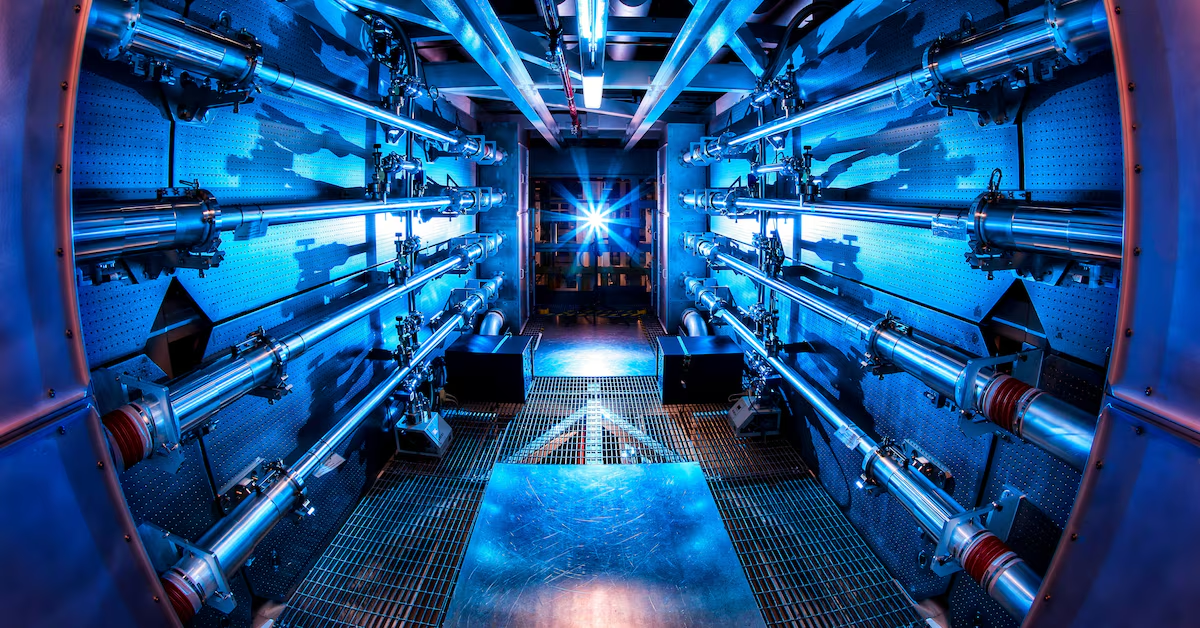
Scientists at the Lawrence Livermore National Laboratory in California have achieved net energy gain in a fusion reaction for the second time since December 2022. The breakthrough was repeated in an experiment at the National Ignition Facility on July 30, producing a higher energy yield than before. Final results are still being analyzed.
US scientists have successfully replicated a breakthrough in fusion power, bringing the world closer to achieving a clean and virtually limitless source of energy. The team at the Massachusetts Institute of Technology (MIT) used a high-powered magnet to confine and control plasma, reaching temperatures of over 50 million degrees Celsius, hotter than the core of the sun. Fusion power has the potential to provide abundant energy without greenhouse gas emissions, but it has been a challenging goal to achieve. This breakthrough could pave the way for the development of practical fusion power plants in the future.
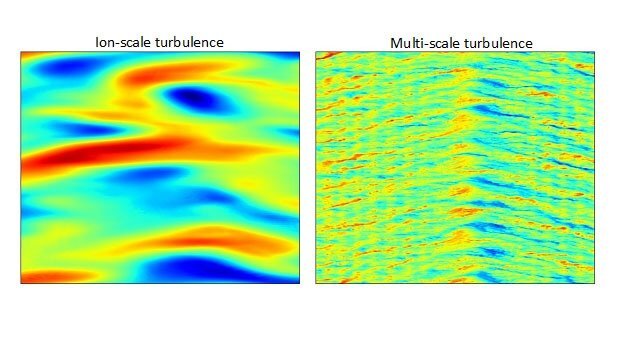
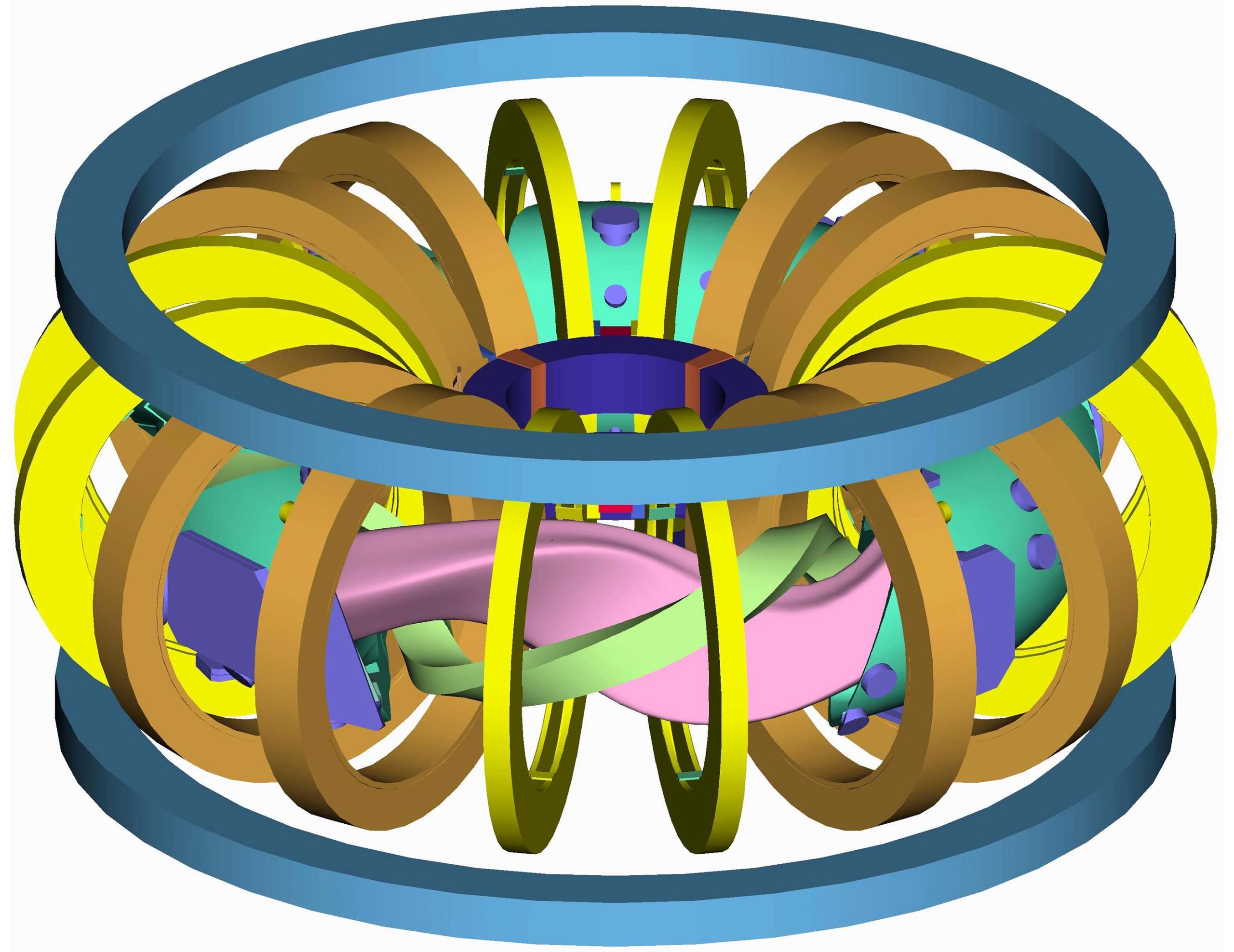
Supercomputer simulations have revealed that multi-scale turbulence, which is caused by the interaction between the slow, large-scale motion of hydrogen fuel ions and the fast, small-scale motion of electrons, is mostly responsible for heat losses in the edge region of tokamak experiments required for optimized fusion reactors. The simulations accurately predict the heat losses measured in experiments in the DIII-D tokamak, and the findings will aid researchers in designing next-generation fusion reactors with optimal fusion performance.
Researchers from Princeton Satellite Systems have demonstrated how a Direct Fusion Drive (DFD) could greatly enhance NASA's Dragonfly mission to Titan. The robotic explorer will rely on a nuclear battery to ensure its longevity, but a DFD could lead to compact fusion reactors that could lead to rapid transits, longer-duration missions, and miniature nuclear reactors here on Earth. The DFD would produce both thrust and electric power for an interplanetary spacecraft, and a DFD propulsive engine could transport a sizable spacecraft to Titan in less than two years.
Helion Energy has announced an agreement to provide Microsoft with electricity from its first fusion power plant, with Constellation serving as the power marketer and managing the transmission for the project. Helion's plant is expected to be online by 2028 and has a power generation target of 50MW, or greater, with a one-year ramp-up period. Fusion produces next to no waste or radioactivity while processing and is far less risky than fission.
Researchers at the Max Planck Institute for Plasma Physics have discovered a way to reduce the distance between the hot plasma and the divertor in nuclear fusion devices, which could lead to the development of smaller and cheaper fusion reactors for energy production. The researchers used the X-point radiator phenomenon, which occurs when impurities are added to the plasma, to reduce the distance to fewer than 5 centimeters without damaging the wall. This discovery could lead to the construction of more compact and cheaper fusion power plants.
Plasma physicists from Ukraine, Germany, and Japan have collaborated to create stable plasmas using microwaves, potentially simplifying fusion research in the future. The team utilized the Heliotron J device to study fusion plasma discharges and discovered that blasting 2.45-GHz microwaves without alignment of the magnetic field produced a dense plasma. The research team has identified three critical steps in plasma production and is exploring the fusion plasma discharges in Heliotron J. Fusion power could provide a virtually limitless, clean, and sustainable energy source, with the potential to greatly reduce greenhouse gas emissions and help mitigate climate change.