Tag

Galaxy Collisions

All articles tagged with #galaxy collisions

astronomy1 year ago

"NASA's Hubble Discovers Celestial 'String of Pearls' in Galactic Collisions"

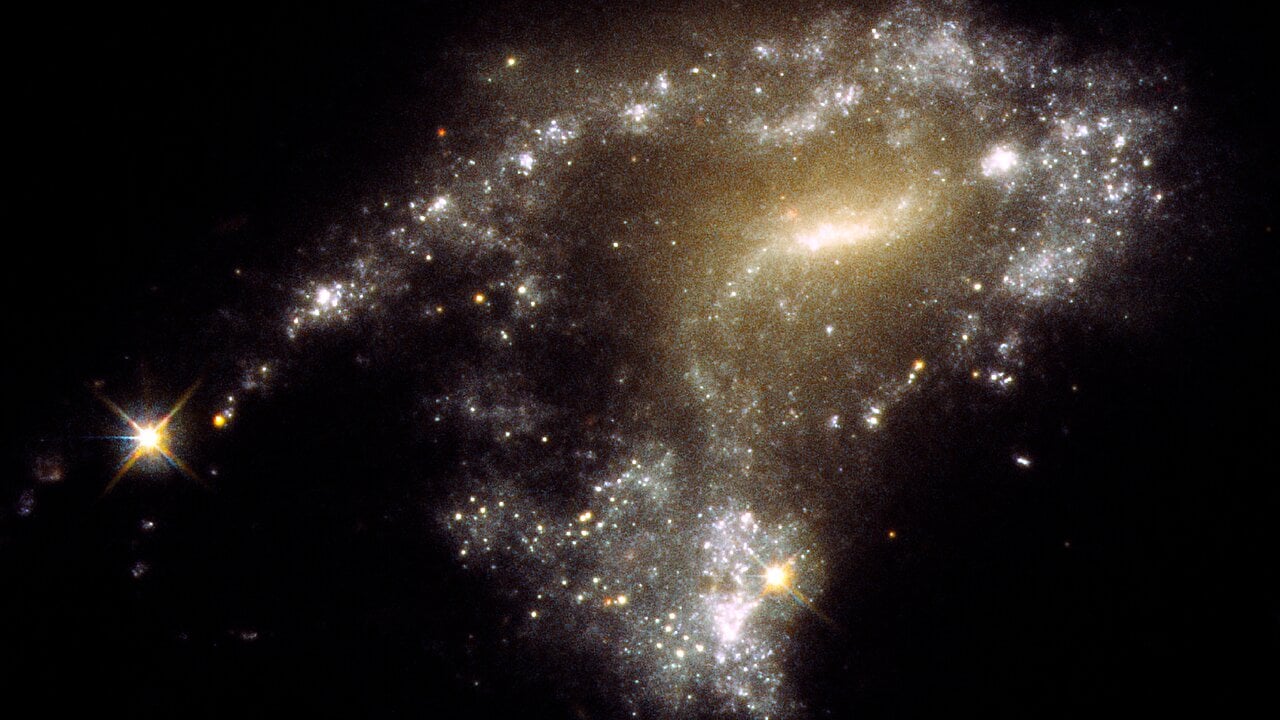
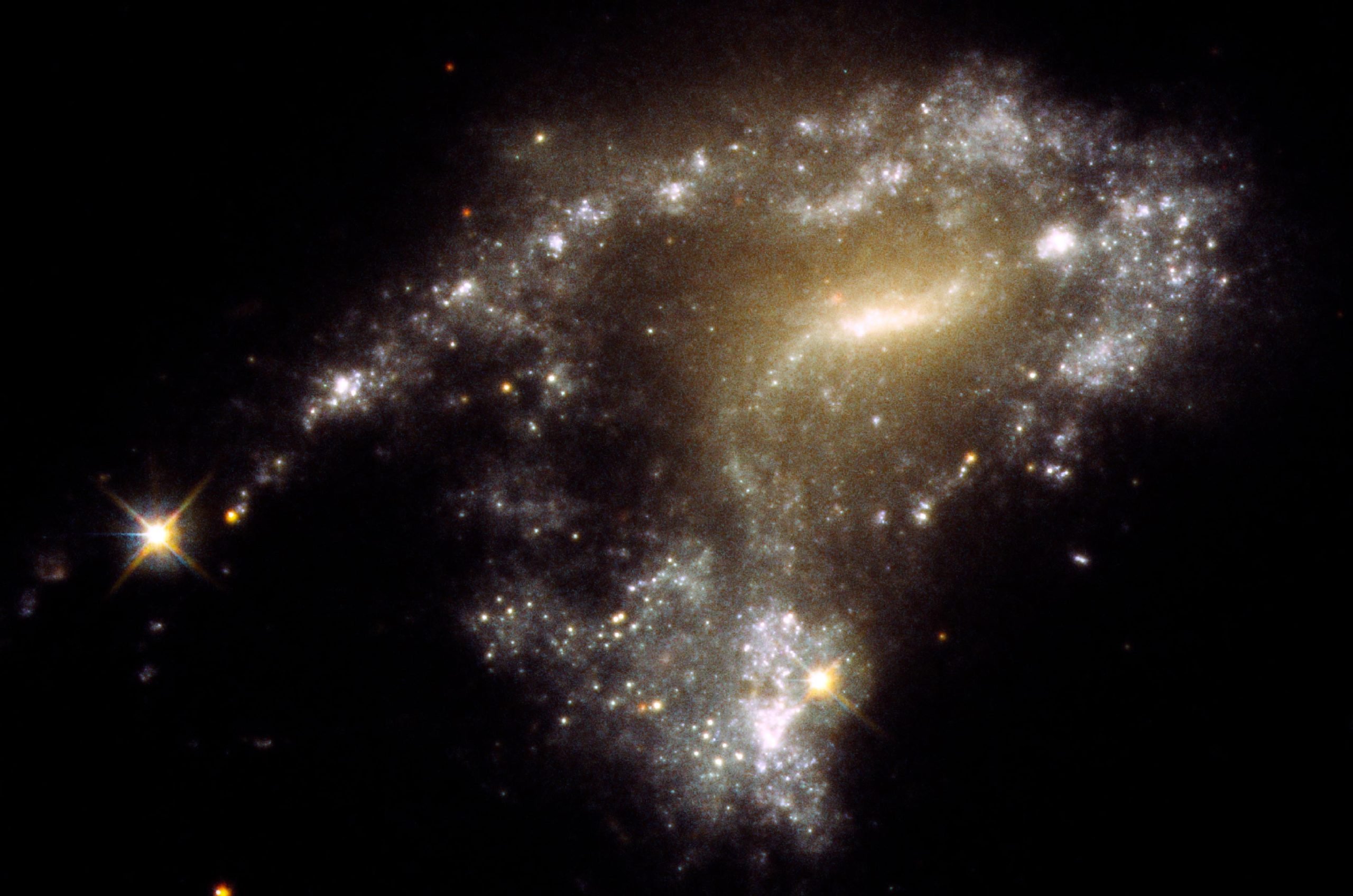
The Hubble Space Telescope has detected "string of pearls" star clusters in the tidal tails of 12 interacting galaxies, each containing about 1 million newborn stars per cluster. These clusters, formed as a result of gravitational forces during galaxy collisions, are very young, only 10 million years old, and are stretching for thousands of light-years. The discovery sheds light on the formation of stars and provides insight into the processes that regulate star formation, offering a glimpse into the distant past and the potential for new generations of stars to exist.

astronomy1 year ago

"Galactic Spectacles: Hubble's Astonishing Discoveries"

NASA's Hubble Space Telescope has observed 12 interacting galaxies, revealing long tidal tails rich in gas, dust, and stars, along which 425 clusters of newborn stars have been identified. These clusters, containing up to 1 million blue, newborn stars each, are a result of galaxy collisions that trigger star formation rather than destruction. The discovery sheds light on the efficiency of cluster formation and provides insights into the early universe when galaxy collisions were more frequent.

astronomy2 years ago

Unveiling the Elusive Rarity of Spiral Galaxies: Astronomers Uncover the Long-Awaited Answer

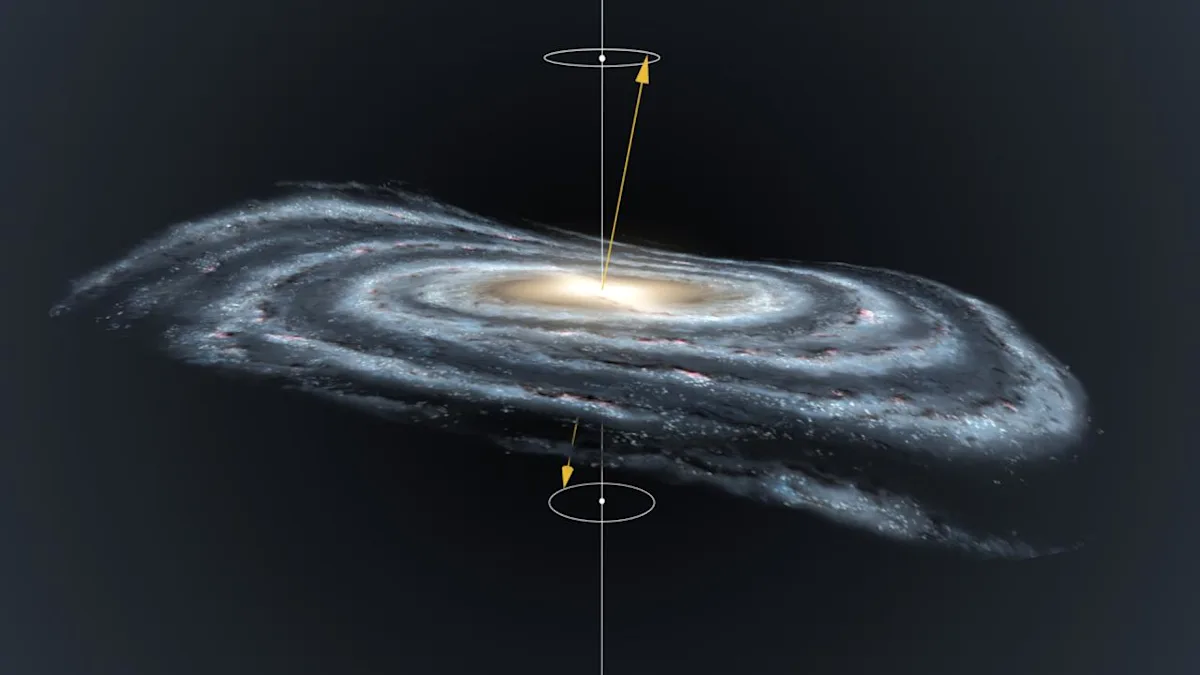
Astronomers have discovered why spiral galaxies like the Milky Way are rare in our cosmic neighborhood. Supercomputer simulations revealed that frequent galactic collisions in the Supergalactic Plane transformed spiral galaxies into elliptical galaxies, while somehow sparing our own. The collisions shattered the delicate arms of spiral galaxies and pushed more matter into their supermassive black holes, making them even bigger. Spiral galaxies located away from the plane were mostly unaffected, allowing them to preserve their structures.

astronomy2 years ago

Cracking the Mystery of Quasars: The Universe's Brightest Objects.

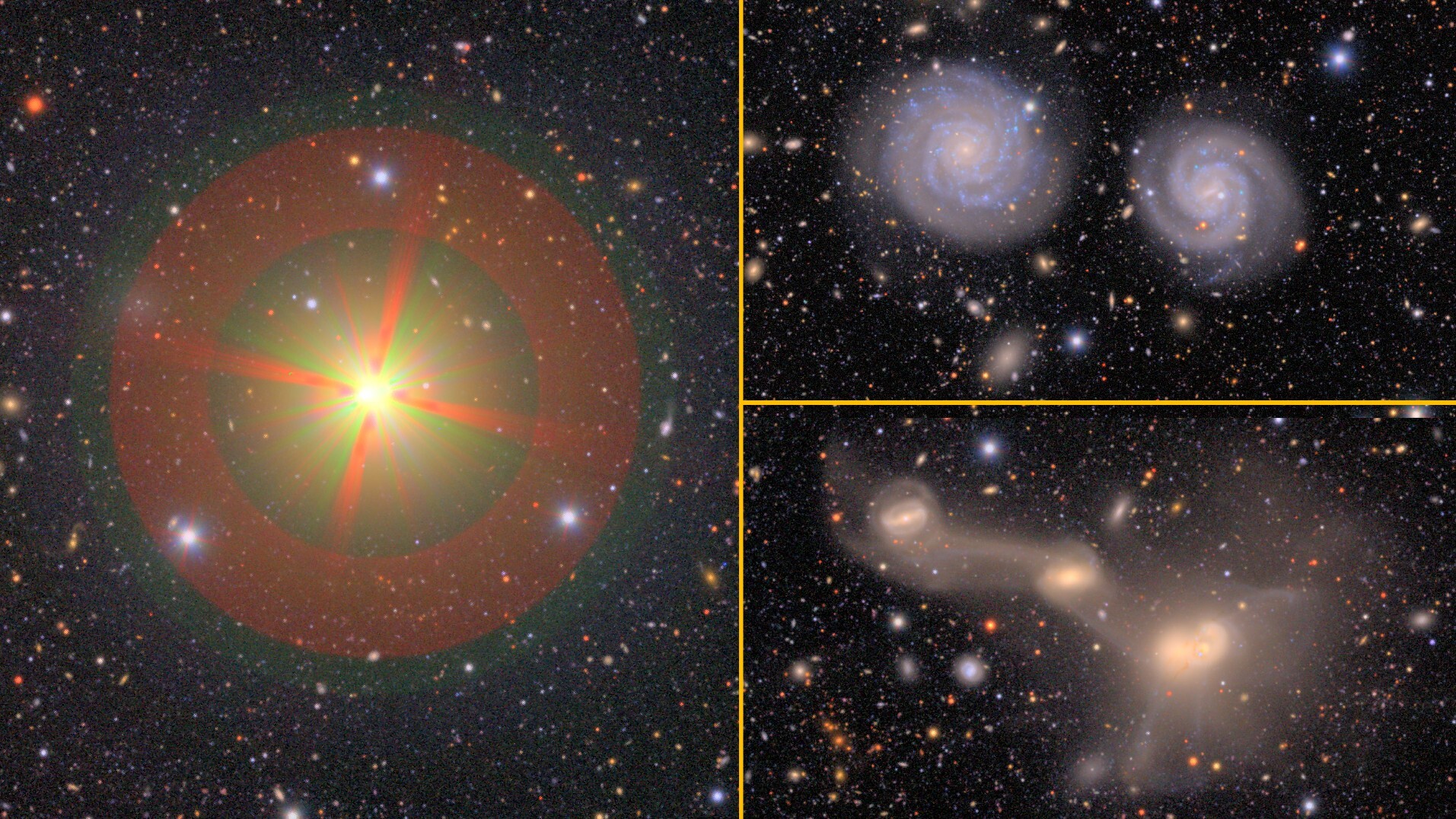
A team of astrophysicists led by Jonny Pierce of the University of Hertfordshire has found that quasar activity is triggered when two galaxies start the process of colliding and merging. By studying 48 nearby quasars and 100 similar galaxies with no quasar activity, they found that two-thirds of the quasars in their sample showed signs of being gravitationally disturbed by an encounter with another galaxy. This tells us that in a few billion years when the Milky Way starts to merge with Andromeda, our own galaxy is likely to become a blazing quasar.