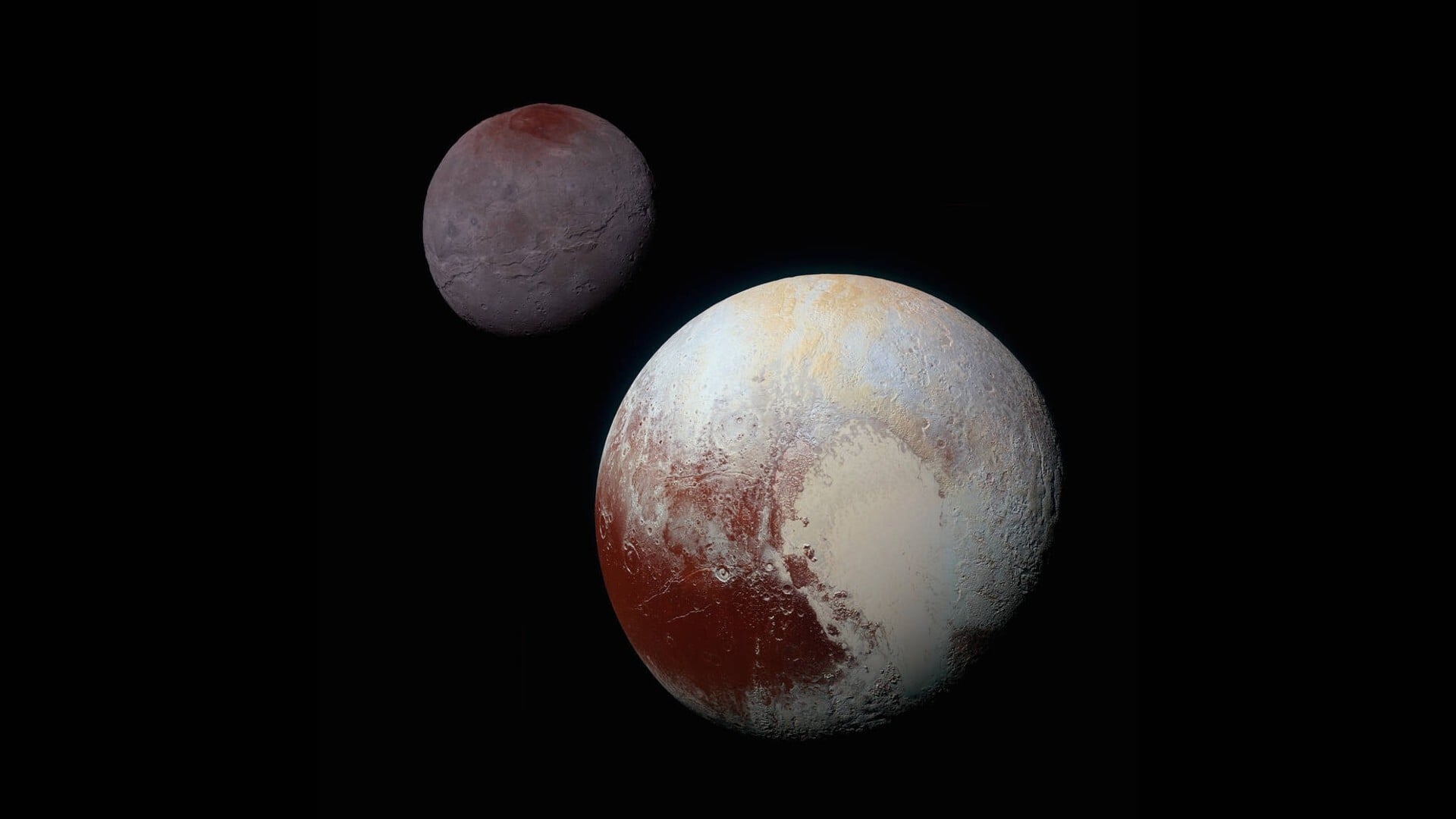
New research using the James Webb Space Telescope suggests that Pluto's moons Nix and Hydra may be composed of material ejected from Charon during its formation, indicating they could be fragments of Charon's interior. This supports the idea that these moons originated from debris created in a collision that formed Pluto and Charon, and they may still be interacting with Charon's surface today. The findings provide new insights into the history and composition of Pluto's satellite system.
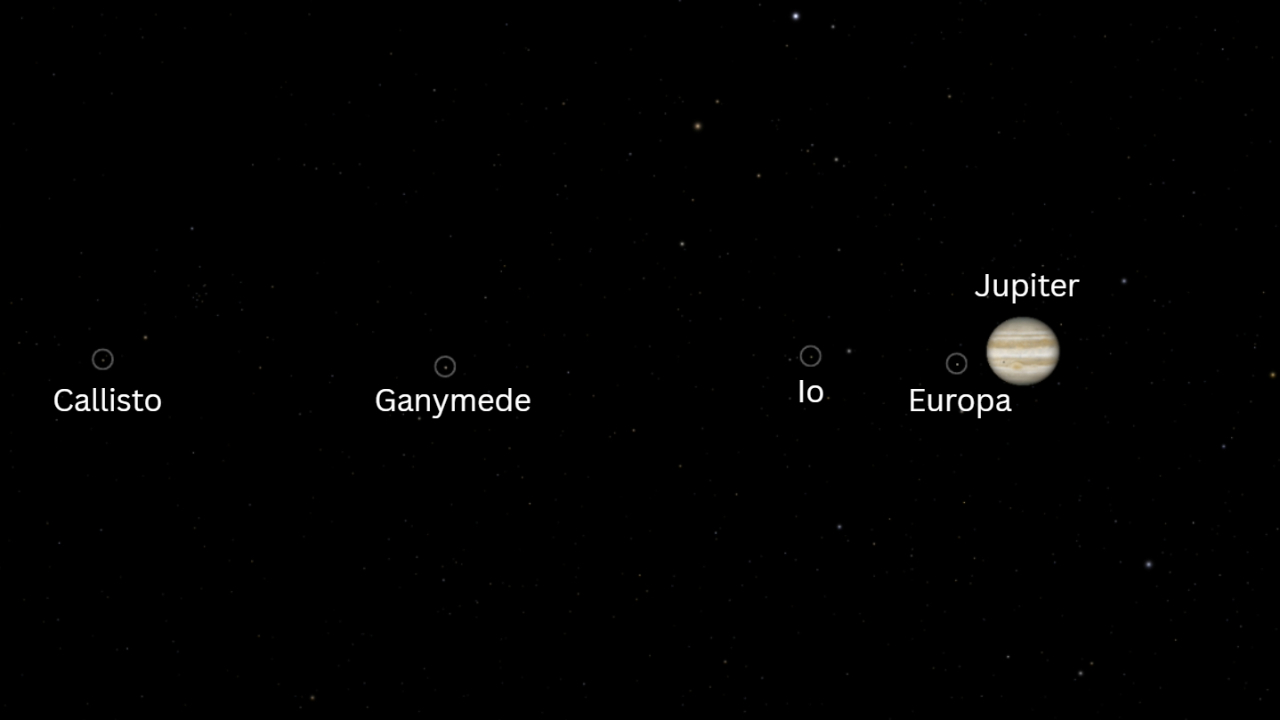
On August 8, early in the morning, skywatchers in the U.S. can witness a rare alignment of Jupiter's four largest moons—Io, Europa, Ganymede, and Callisto—forming a 'parade' in the sky, visible with binoculars or small telescopes, offering a spectacular view of the Jovian system.
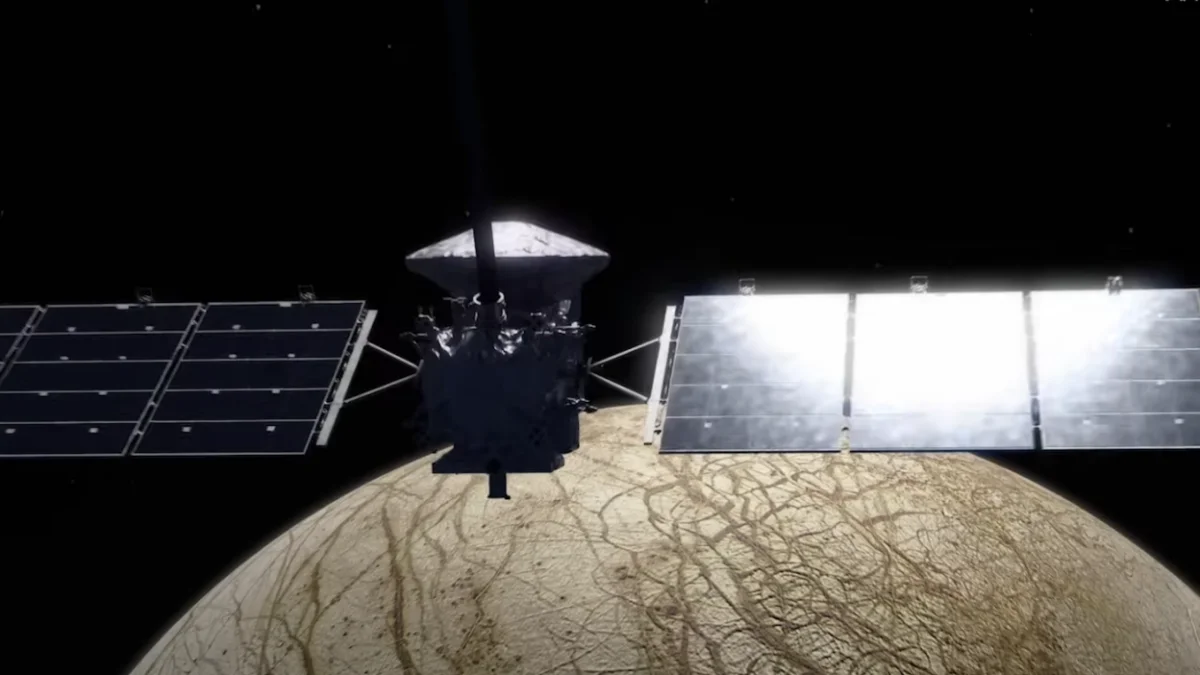
NASA's Europa Clipper spacecraft captured a rare infrared image of Mars and its moons Phobos and Deimos during a flyby, providing valuable data for its mission to explore Jupiter's moon Europa and testing its thermal camera. The image offers a unique view of the planetary trio and helps refine the spacecraft's instruments for future exploration.
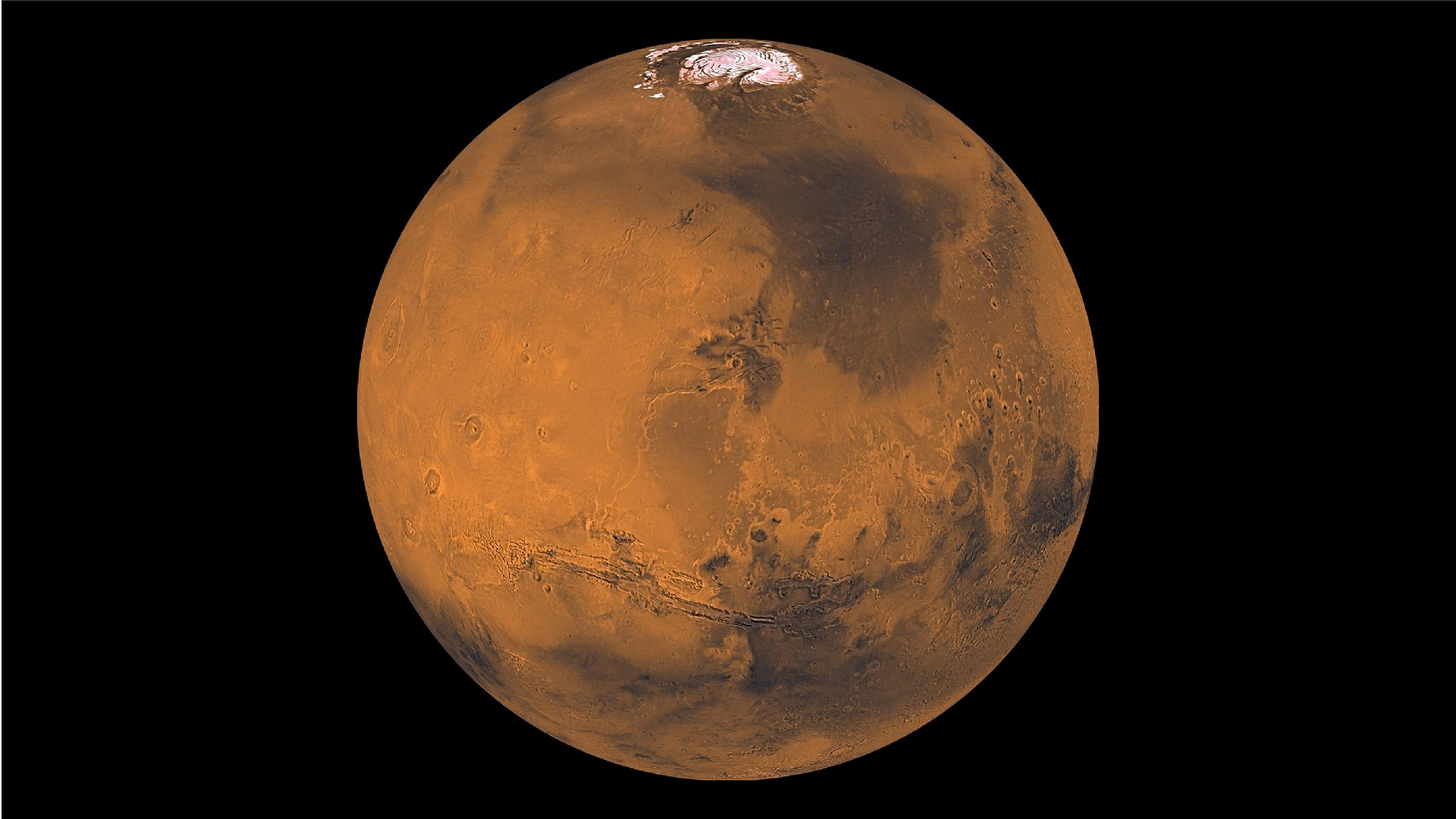
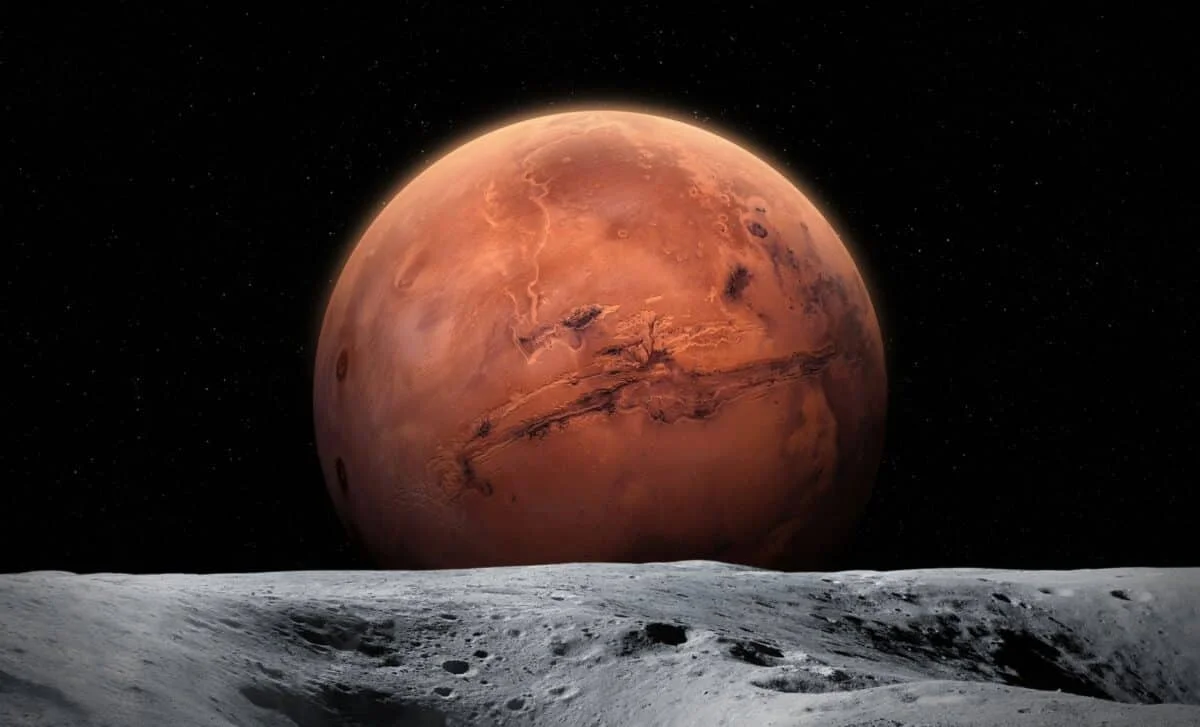
Mars has two small moons, Phobos and Deimos, whose origins are still debated; they may be captured asteroids or formed from debris after a collision with Mars. Upcoming JAXA missions aim to analyze samples from Phobos to better understand their formation and possibly early Mars conditions.
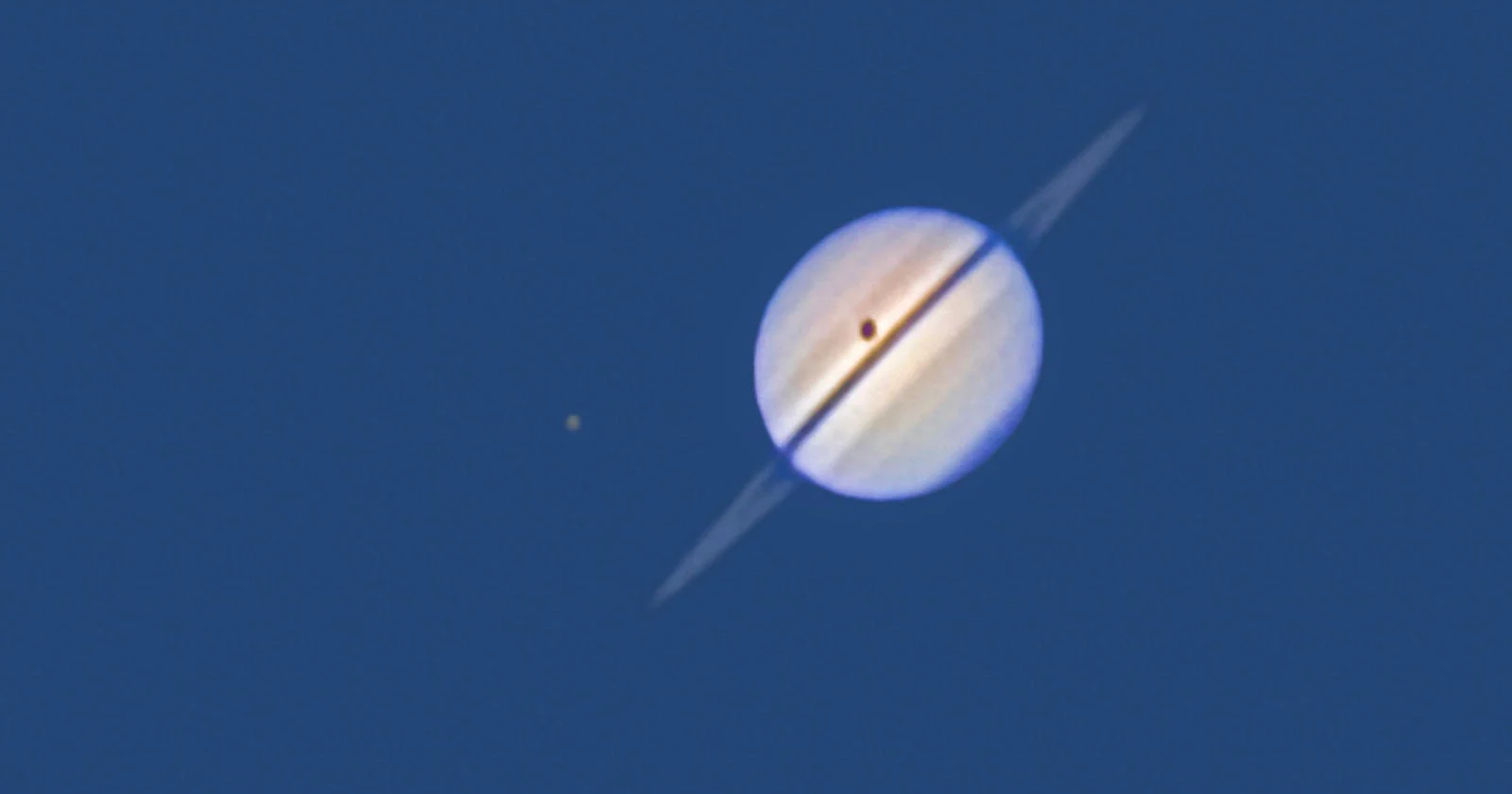
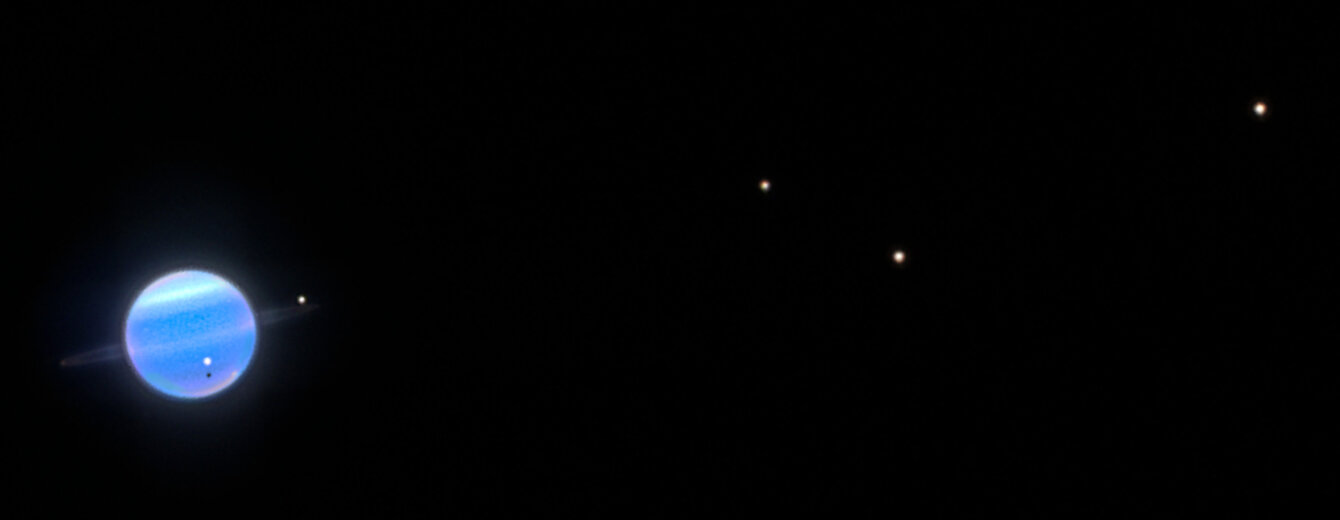
Amateur astrophotographer AJ Smadi captured a rare solar eclipse on Saturn caused by its moon Titan, along with images of other moons, during a brief 13-year window when such eclipses occur. The photos highlight Saturn's complex system of 145 moons and the unique features of Titan, which may harbor life. Smadi used a backyard telescope to capture this spectacular event, which is considered a bucket list achievement for astronomers.
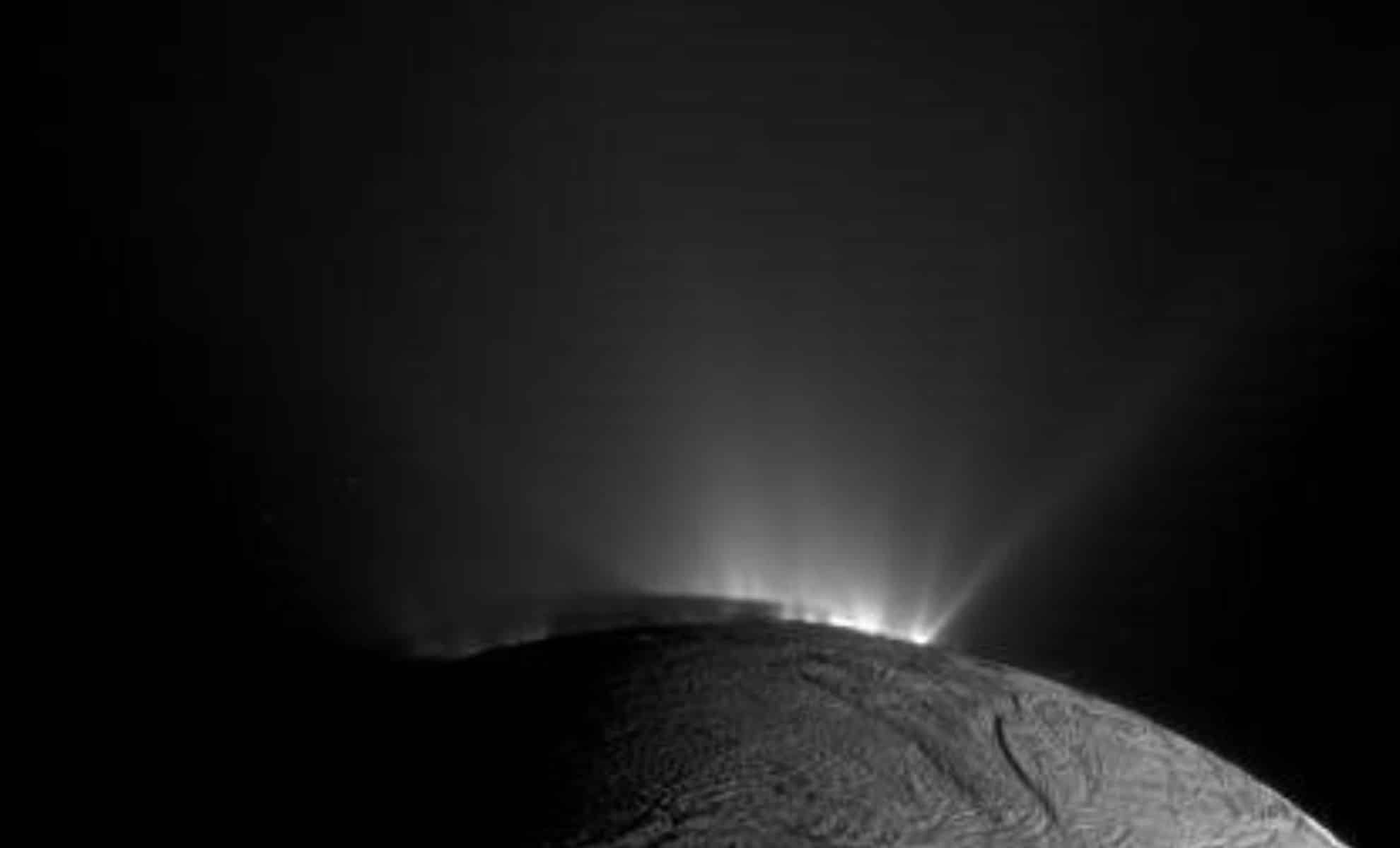
NASA's Cassini spacecraft concluded its 13-year mission by plunging into Saturn's atmosphere, after providing groundbreaking insights into the planet and its moons, especially Titan and Enceladus, which are key to understanding potential extraterrestrial life and early Earth conditions.
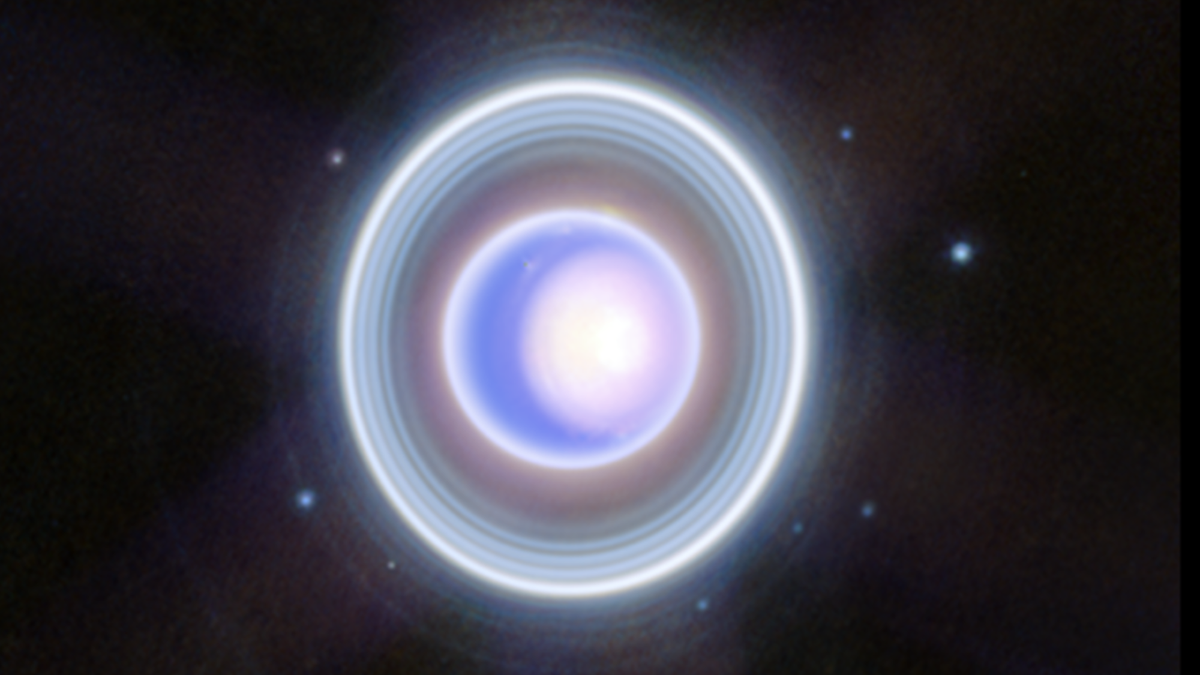
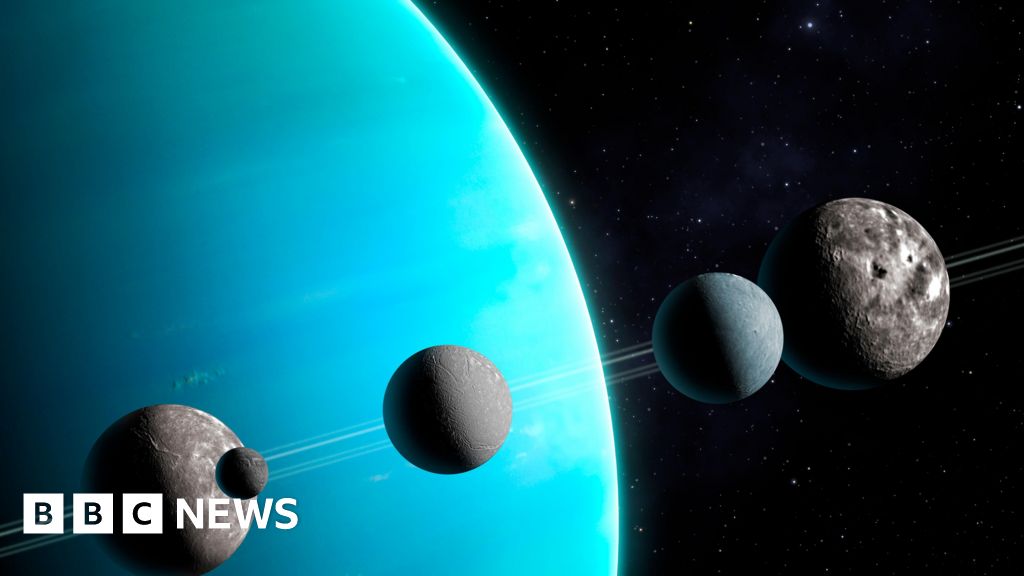
Scientists using the Hubble telescope discovered that the leading sides of Uranus's largest moons are darker and redder than expected, challenging previous assumptions about magnetic interactions and suggesting dust accumulation from micrometeorites as a possible cause. This finding adds new complexity to our understanding of Uranus's system.
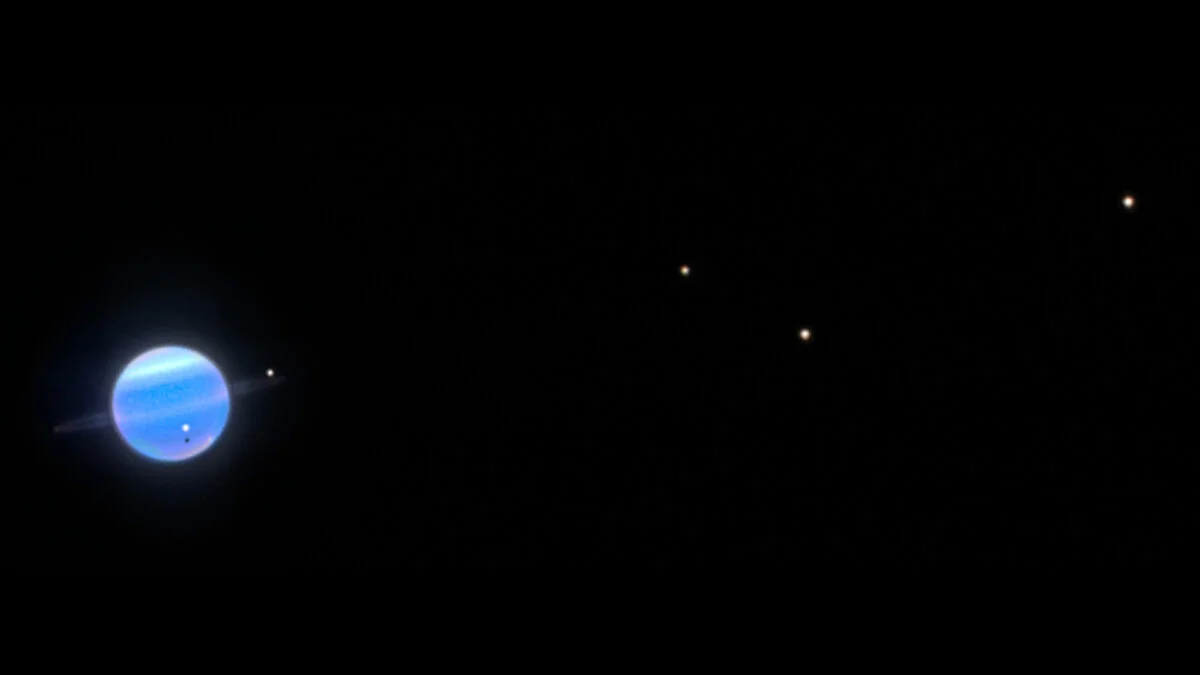
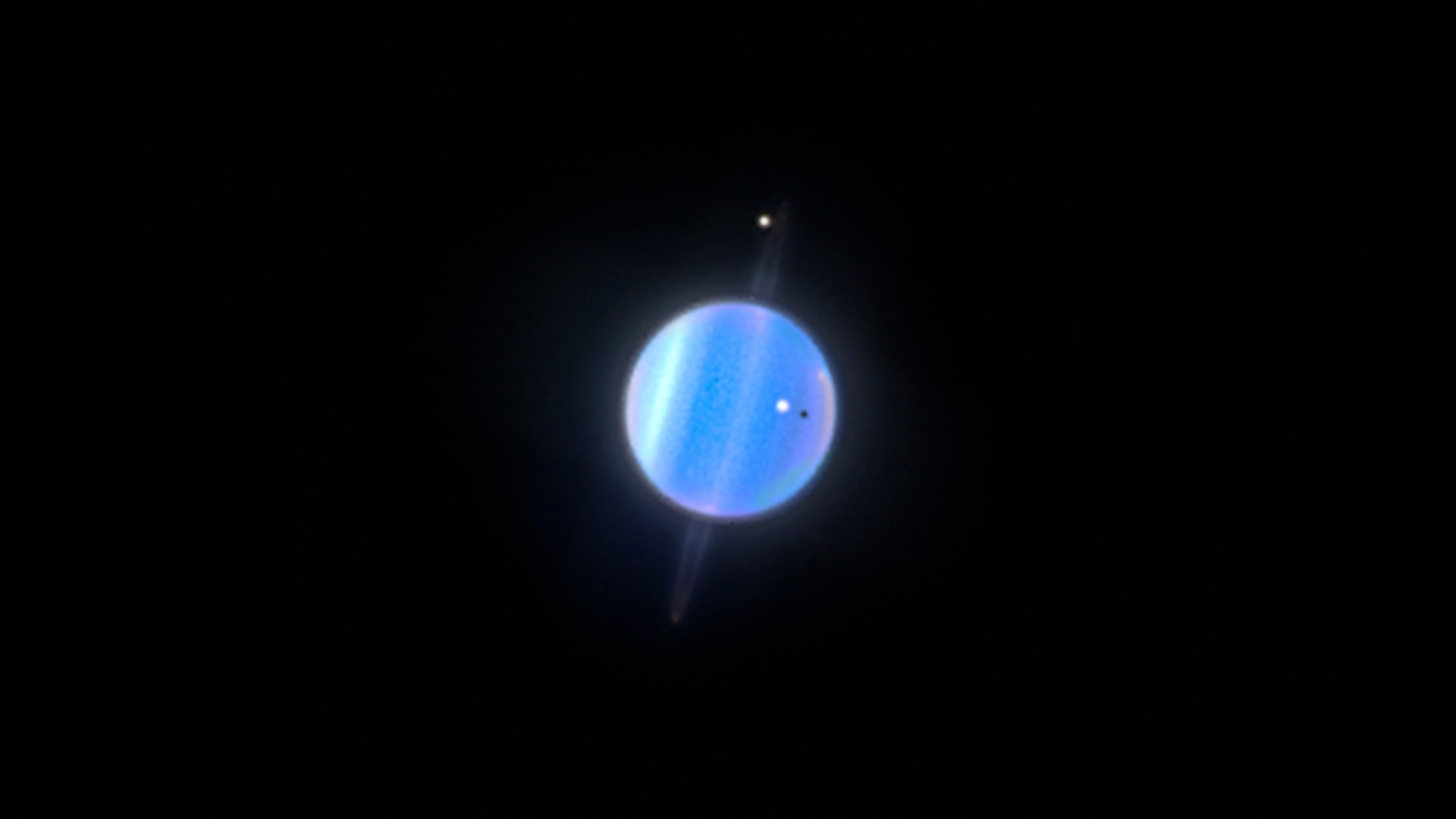
New observations from the Hubble Space Telescope reveal that Uranus's largest moons are not showing the expected radiation damage from the planet's warped magnetic field; instead, dust accumulation from micrometeorites is darkening their leading sides, suggesting a more complex interaction between Uranus's magnetic environment and its moons. The inner moons appear unaffected, and further studies with the James Webb Space Telescope are planned to better understand these phenomena.
A Hubble study of Uranus's four largest moons revealed unexpected surface darkening patterns, suggesting the planet's magnetosphere interacts less with its moons than previously thought, and dust from irregular satellites may influence their surface brightness. The findings challenge existing models and highlight the need for further investigation into Uranus's magnetic environment.
NASA is planning a mission to explore the possibility of hidden liquid oceans beneath the moons of Uranus, which could provide insights into the potential for life beyond Earth. The mission, still in the conceptual stage, would use a spacecraft to measure the wobbles of Uranus's moons, as moons with internal oceans tend to sway more due to the liquid inside. This method has previously been used to confirm an ocean on Saturn's moon Enceladus. Discovering such oceans could expand our understanding of where life might exist in the galaxy.
New computer simulations suggest that the Martian moons, Phobos and Deimos, may have originated from a near miss by a large asteroid, rather than being captured asteroids or the result of a direct impact. This model proposes that tidal forces from Mars could have fragmented the asteroid, creating a debris ring from which the moons formed. This theory could explain their circular orbits and differing distances from Mars. The upcoming Mars Moons eXploration mission (MMX) in 2026 aims to gather samples from Phobos to further investigate their origins.
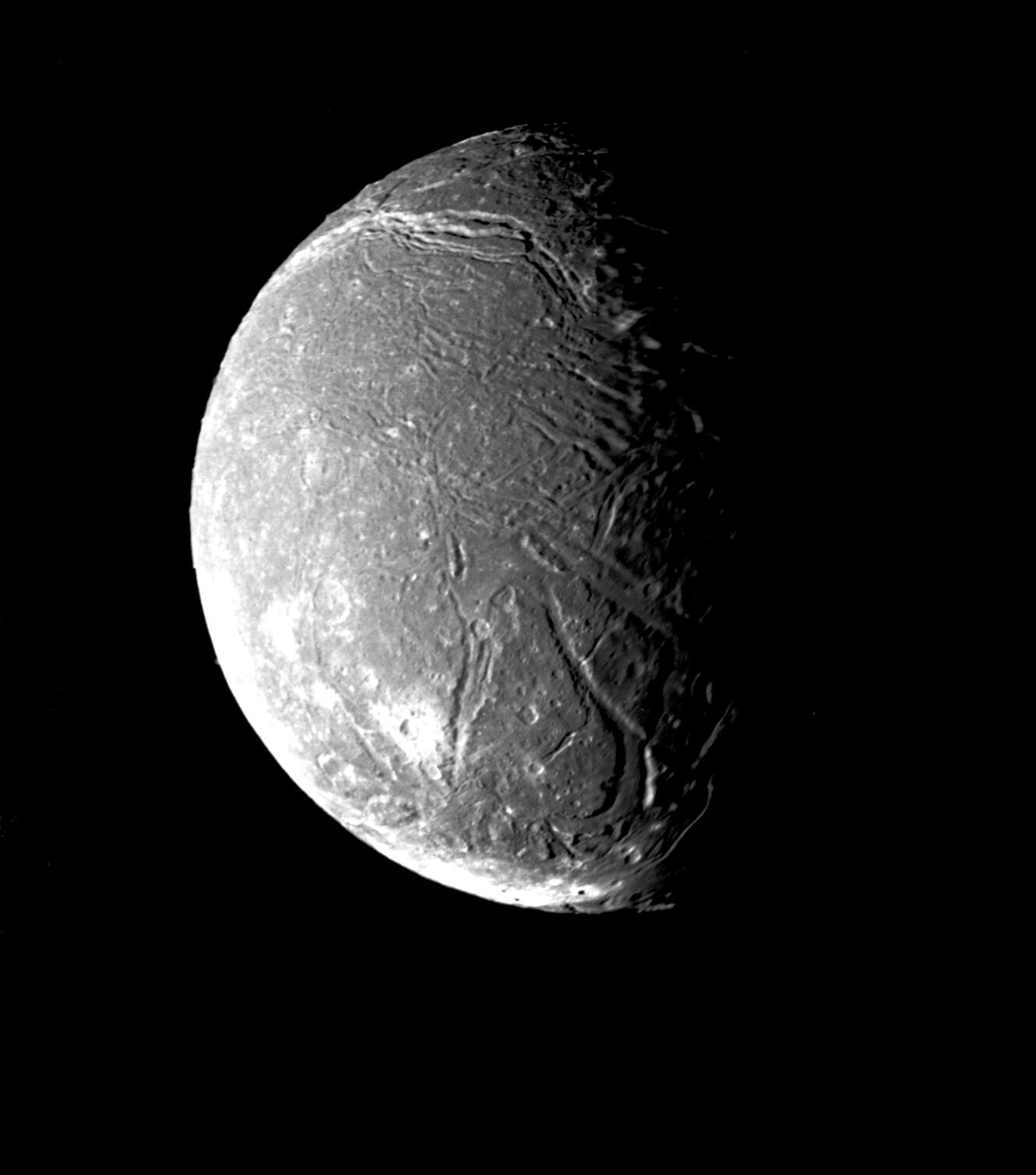
Researchers at the University of Texas Institute for Geophysics have developed a computer model to detect potential liquid water oceans beneath the icy surfaces of Uranus's moons, such as Ariel. This model analyzes the wobbles in a moon's spin to determine its internal composition, which could indicate the presence of subsurface oceans. The findings could significantly impact our understanding of where life might exist in the universe, as similar techniques have confirmed oceans on Saturn's moon Enceladus. The research aims to aid future NASA missions to Uranus in detecting these hidden oceans.
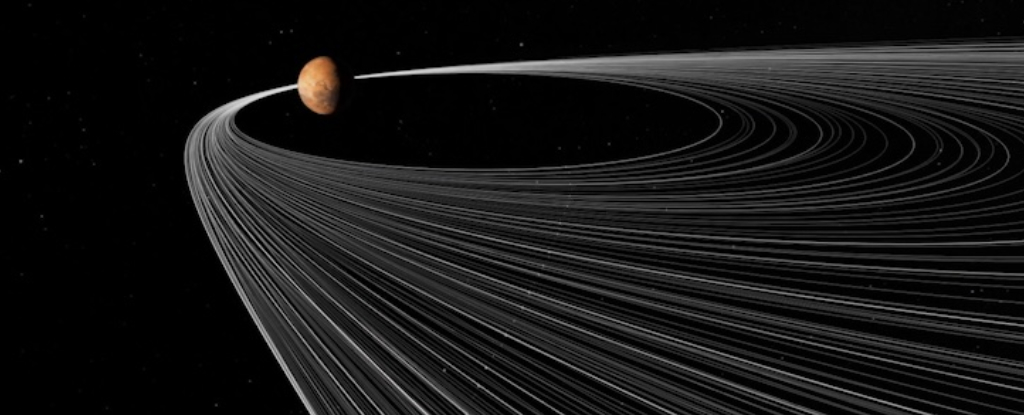
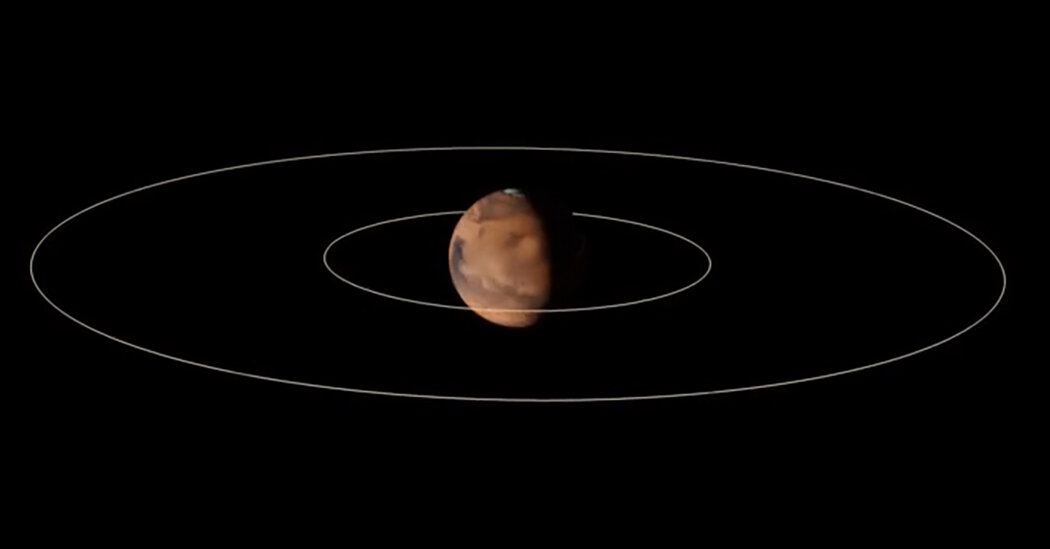
A new study suggests that a massive asteroid impact may have once given Mars a set of rings, which eventually coalesced into its current moons, Phobos and Deimos. This theory provides a potential explanation for the unusual orbits and characteristics of these Martian moons, indicating a dynamic history of celestial events around the planet.
New research suggests that the moons of Uranus, previously thought to be inactive and sterile, may have subsurface oceans capable of supporting life. This revelation comes from a reanalysis of data from NASA's Voyager 2, which visited Uranus during a solar storm that distorted its magnetic field, leading to misleading conclusions. The findings have prompted NASA to plan a new mission, the Uranus Orbiter and Probe, to further investigate these moons, potentially arriving by 2045.
Researchers analyzing unpublished photos of Mars's moon Phobos have found that its properties resemble those of comets, suggesting it might be a bilobated or binary comet. This challenges existing theories about its origin, which include formation from a debris disk or capture of an asteroid. The upcoming JAXA Martian Moons eXploration mission aims to return samples from Phobos, potentially providing more definitive answers.