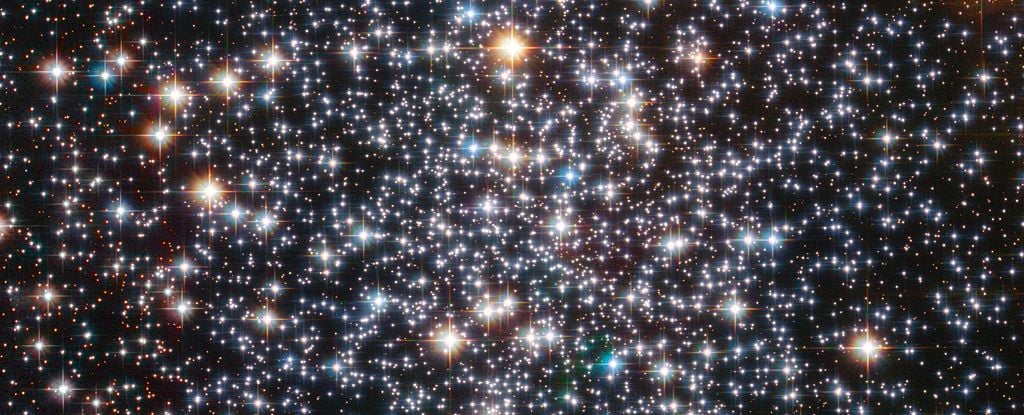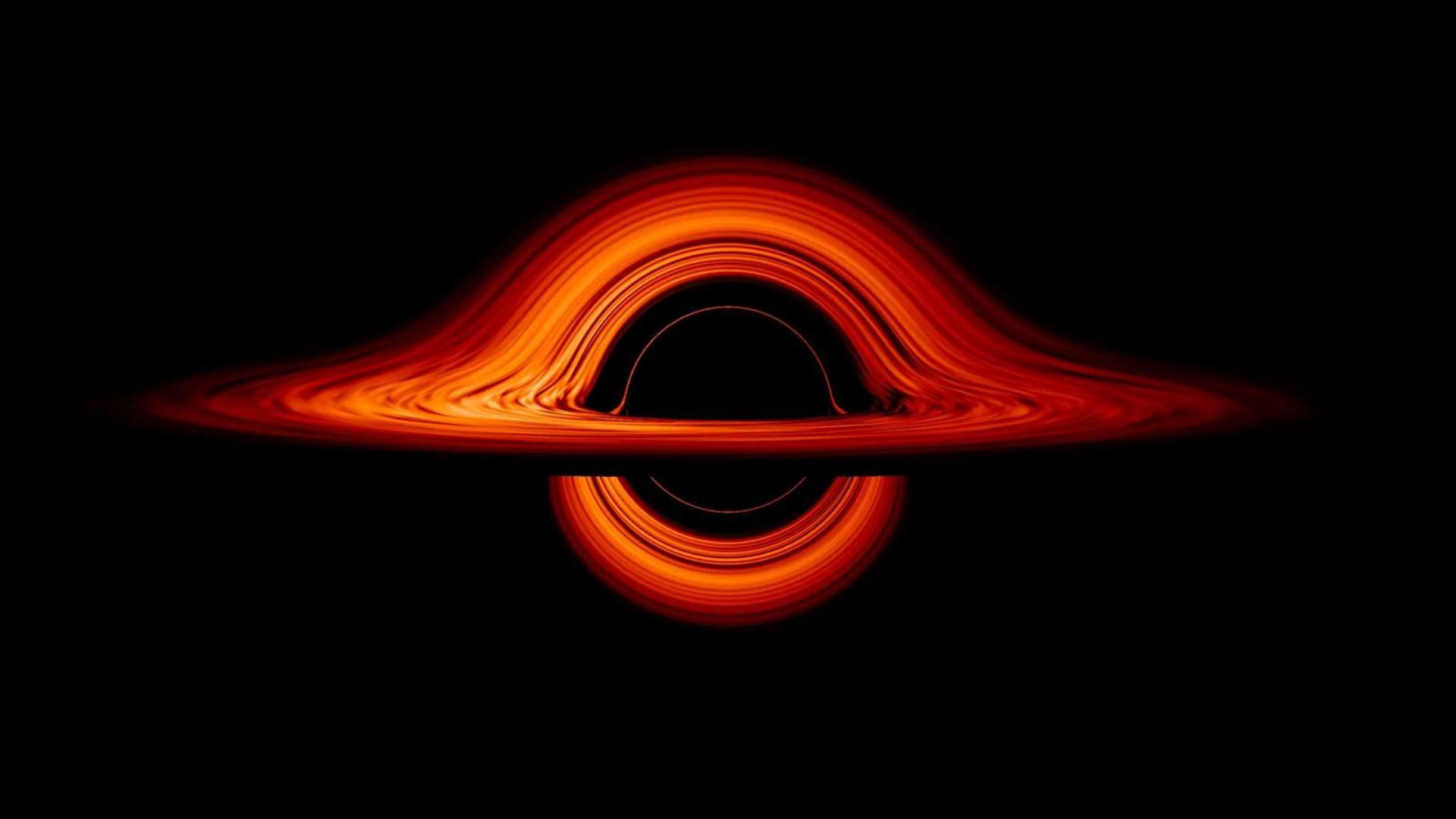
Scientists have discovered that intermediate-mass black holes, with masses between 100 and 10,000 times that of the sun, may form in dense star clusters known as globular clusters through a chaotic chain of collisions. This finding, based on recent simulations, provides new insights into the formation of these rare cosmic entities.
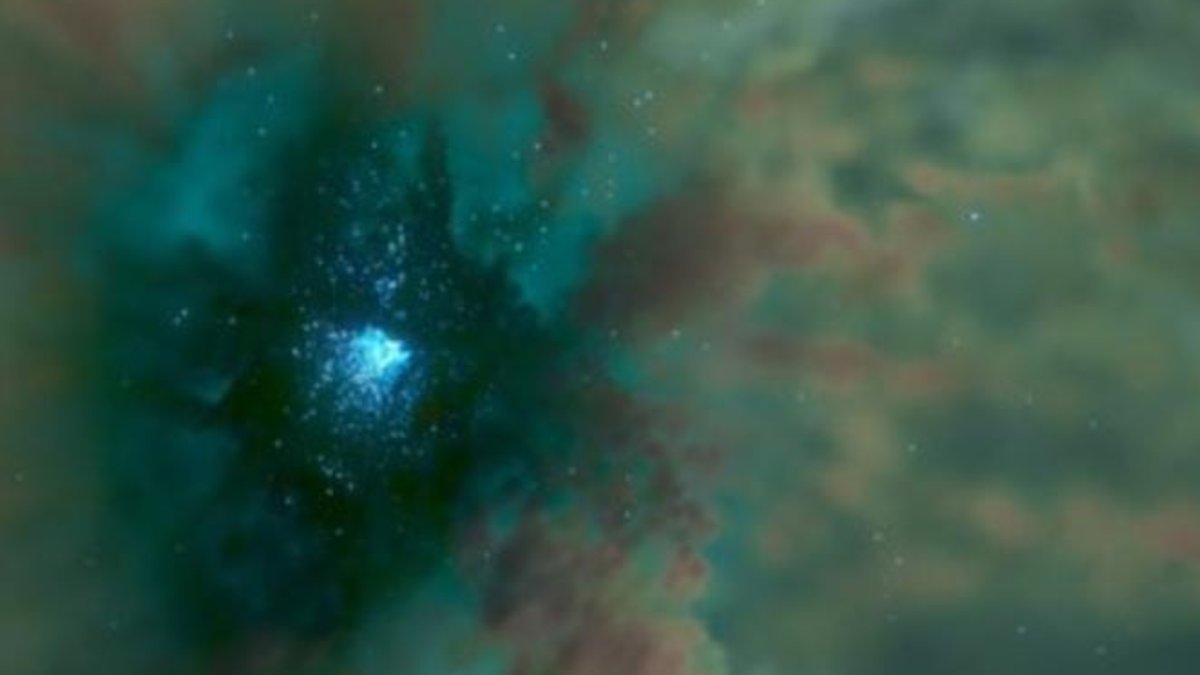
Researchers have used supercomputer simulations to show that intermediate-mass black holes, which have been elusive to astronomers, could form in dense star clusters known as globular clusters. These clusters, containing tens of thousands to millions of stars, create chaotic environments where stars collide and merge, potentially forming massive stars that can collapse into intermediate-mass black holes. The study provides new theoretical evidence supporting the existence of these black holes and aligns with astronomical observations.
Astronomers have detected a possible intermediate-mass black hole in Messier 4, a globular cluster located 6,000 light-years away from Earth. The black hole is estimated to be around 800 times the mass of the Sun, falling into a mass range that is rarely seen. The discovery could help solve the mystery of the dearth of intermediate-mass black holes, which would provide clues about the formation of supermassive black holes. Further observations using space telescopes are needed to confirm the existence of the black hole.