
Tag

Cicada Wings

All articles tagged with #cicada wings

science-and-technology2 years ago

"Cicada Wings: The Secret Weapon Against Superbugs Revealed"

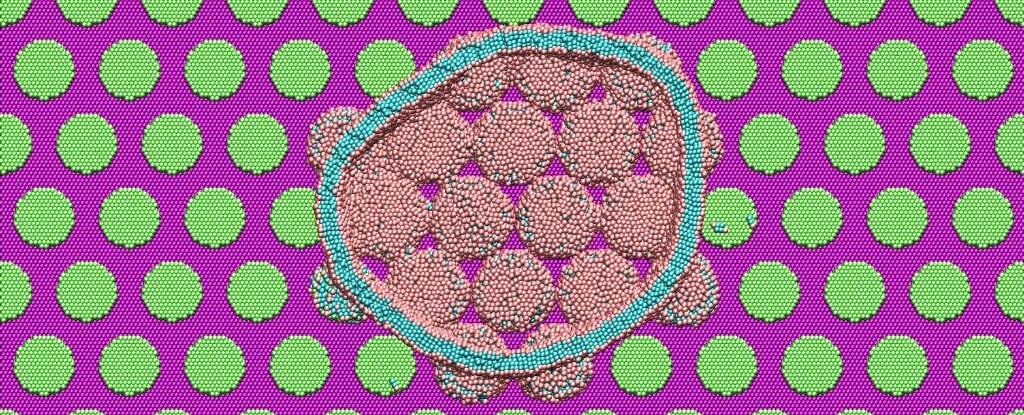
Researchers have used simulations to study the antibacterial properties of cicada wings, specifically focusing on the functions of nanopillars on their surface. The study found that surfaces with super-small nanopillars were effective at killing and removing bacteria, leaving no accumulated dead bacteria or debris. High-resolution molecular dynamics simulations revealed that the lipid outer shell of bacteria strongly interacts with the nanopillars, leading to membrane rupture and detachment from the pillars. Adding a thin layer of titanium oxide further enhanced the bacteria-killing properties. The findings could help develop more effective antibacterial coatings for medical devices.

science-and-technology2 years ago

Supercomputer Unveils Cicada Wings' Bacterial Annihilation Secrets

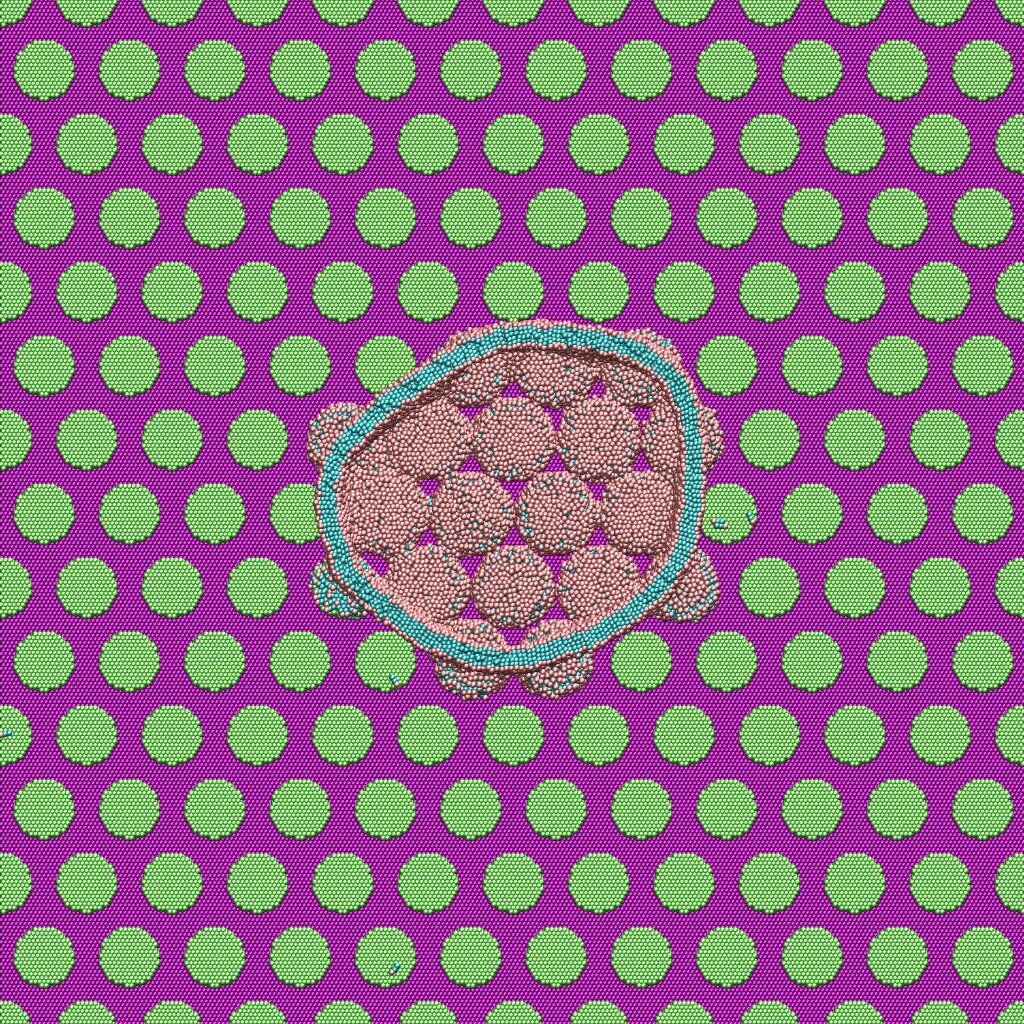
Scientists at Stony Brook University and Oak Ridge National Laboratory have used supercomputer simulations to gain insight into how cicada wings kill bacteria. By replicating the nanostructure of cicada wings, researchers were able to create nanosurfaces with antibacterial properties. The simulations showed that the nanopillars on the nanosurfaces interact with bacterial cell membranes, causing them to stretch and collapse, leading to the bacteria's death. Surprisingly, the height of the nanopillars was not crucial to their antibacterial effectiveness. The researchers plan to further investigate the self-cleaning functionality of the nanosurfaces before applying them to biomedical devices.

science2 years ago

The Microbial Consequences of Stepping.

Bacterial cell walls are very strong and it would take nearly 1,500 to 1,900 pounds per square inch to make them explode. Bacteria are also incredibly small, so most of them will slide into the grooves on the surface of your skin or shoes and escape the full pressure of being stepped on. Cicada wings have tiny needle-like structures called nanorods that puncture bacteria and kill them, inspiring bioengineers to create surfaces with similar structures.