Tag

Coronal Mass Ejections

All articles tagged with #coronal mass ejections

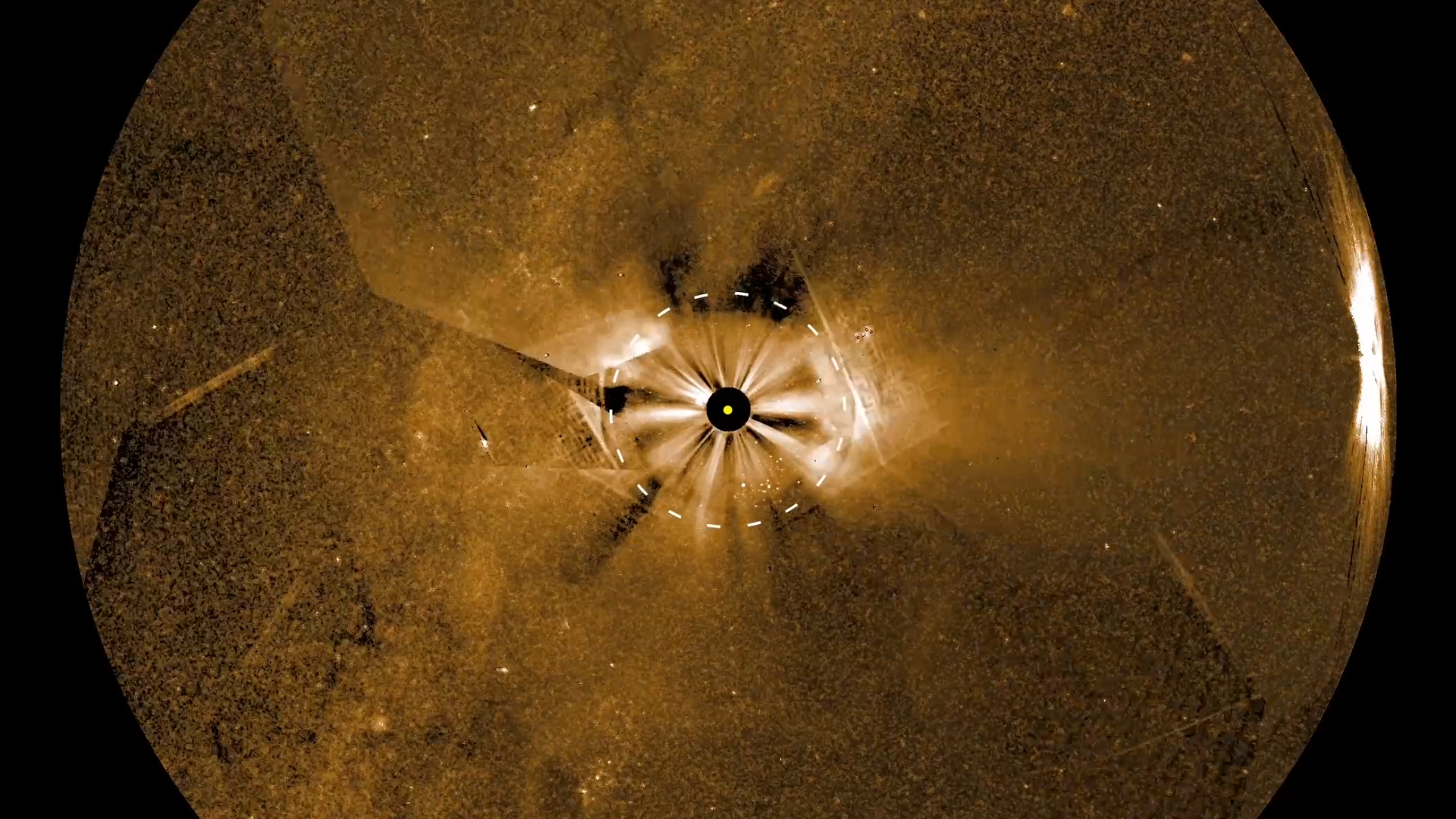
Multiple Solar Events to Ignite Northern Lights Across U.S. This Week

Originally Published 2 months ago — by Space

Featured image for Multiple Solar Events to Ignite Northern Lights Across U.S. This Week
Source: Space

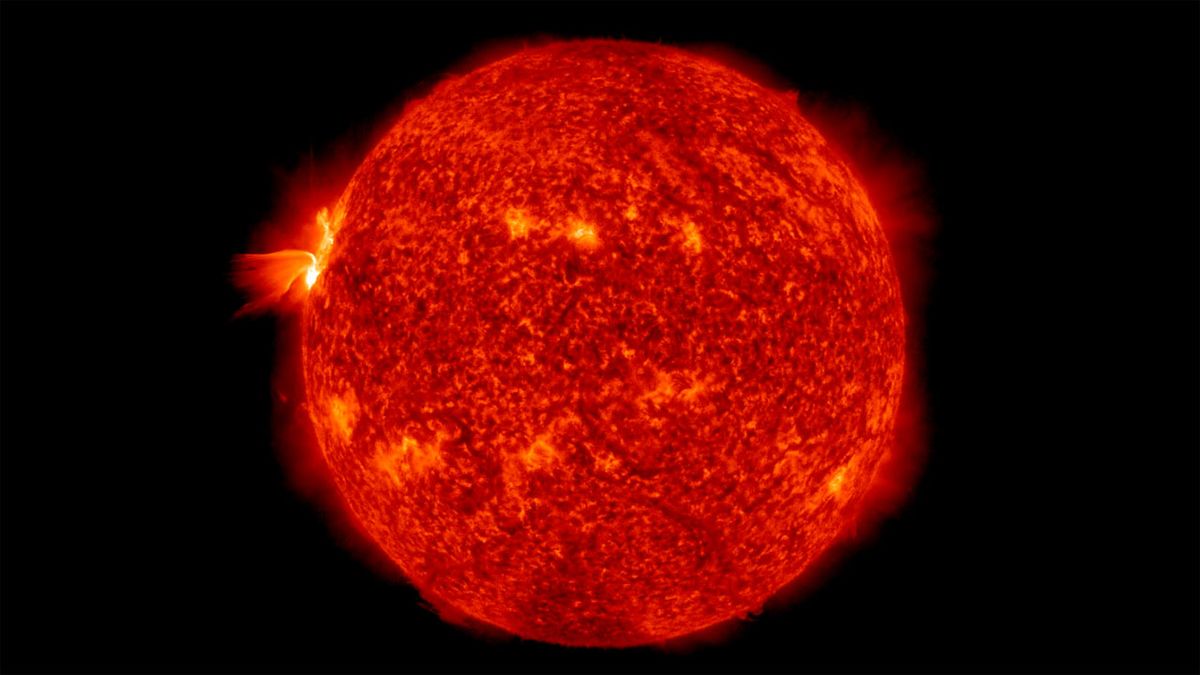
A series of four coronal mass ejections from the sun are expected to reach Earth between October 15 and 17, potentially triggering minor geomagnetic storms and impressive northern lights displays in northern regions like Canada, northern U.S., and northern Europe, with effects possibly lasting several days.

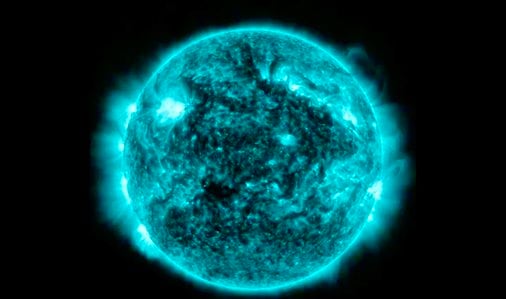
Solar Orbiter uncovers the source of the Sun's fastest electrons

Originally Published 4 months ago — by Space

Featured image for Solar Orbiter uncovers the source of the Sun's fastest electrons
Source: Space

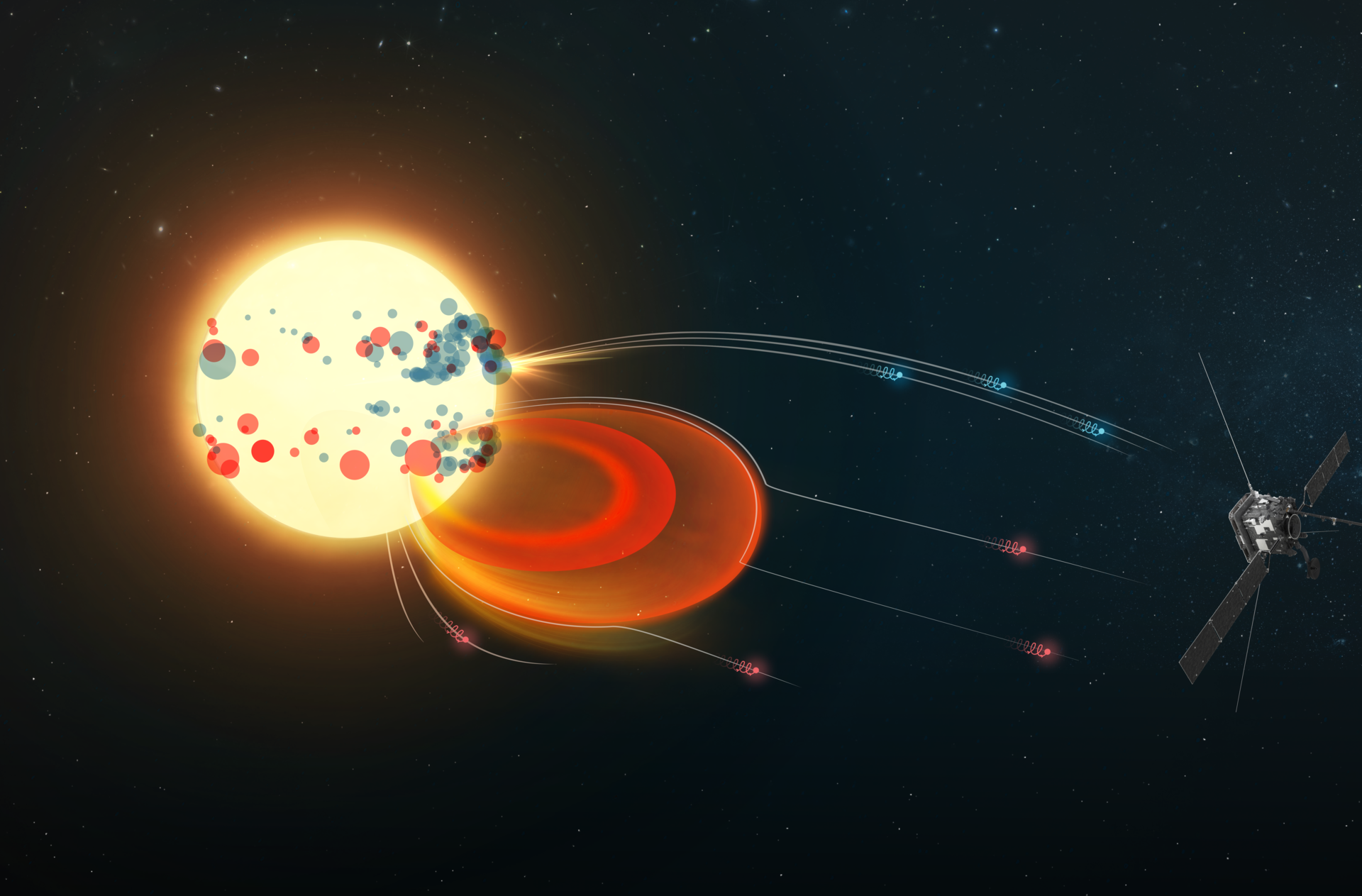
Scientists using the Solar Orbiter have traced high-speed electrons back to the sun, discovering they originate from two types of solar outbursts: small-scale solar flares and larger coronal mass ejections, which has implications for understanding space weather and protecting spacecraft.

Solar Orbiter Unveils the Origin of Sun's Fastest Particles

Originally Published 4 months ago — by European Space Agency

Featured image for Solar Orbiter Unveils the Origin of Sun's Fastest Particles
Source: European Space Agency

The Solar Orbiter mission has identified two distinct sources of energetic electrons from the Sun—solar flares and coronal mass ejections—by observing over 300 events, which enhances understanding of space weather and helps improve forecasting to protect spacecraft and astronauts.

NASA's Parker Solar Probe Captures Record-Breaking Close-Up Images of the Sun

Originally Published 6 months ago — by USA Today

Featured image for NASA's Parker Solar Probe Captures Record-Breaking Close-Up Images of the Sun
Source: USA Today

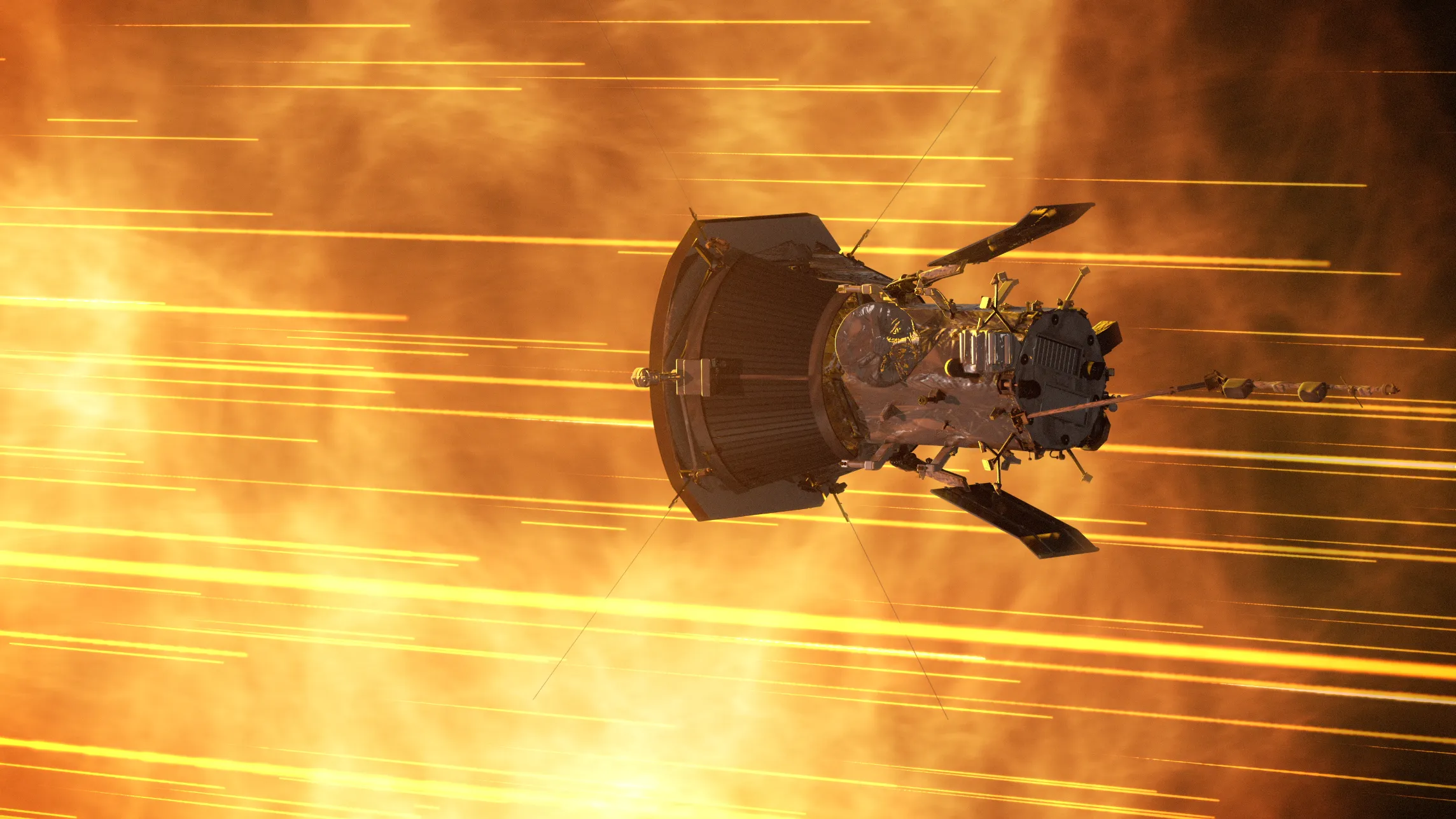
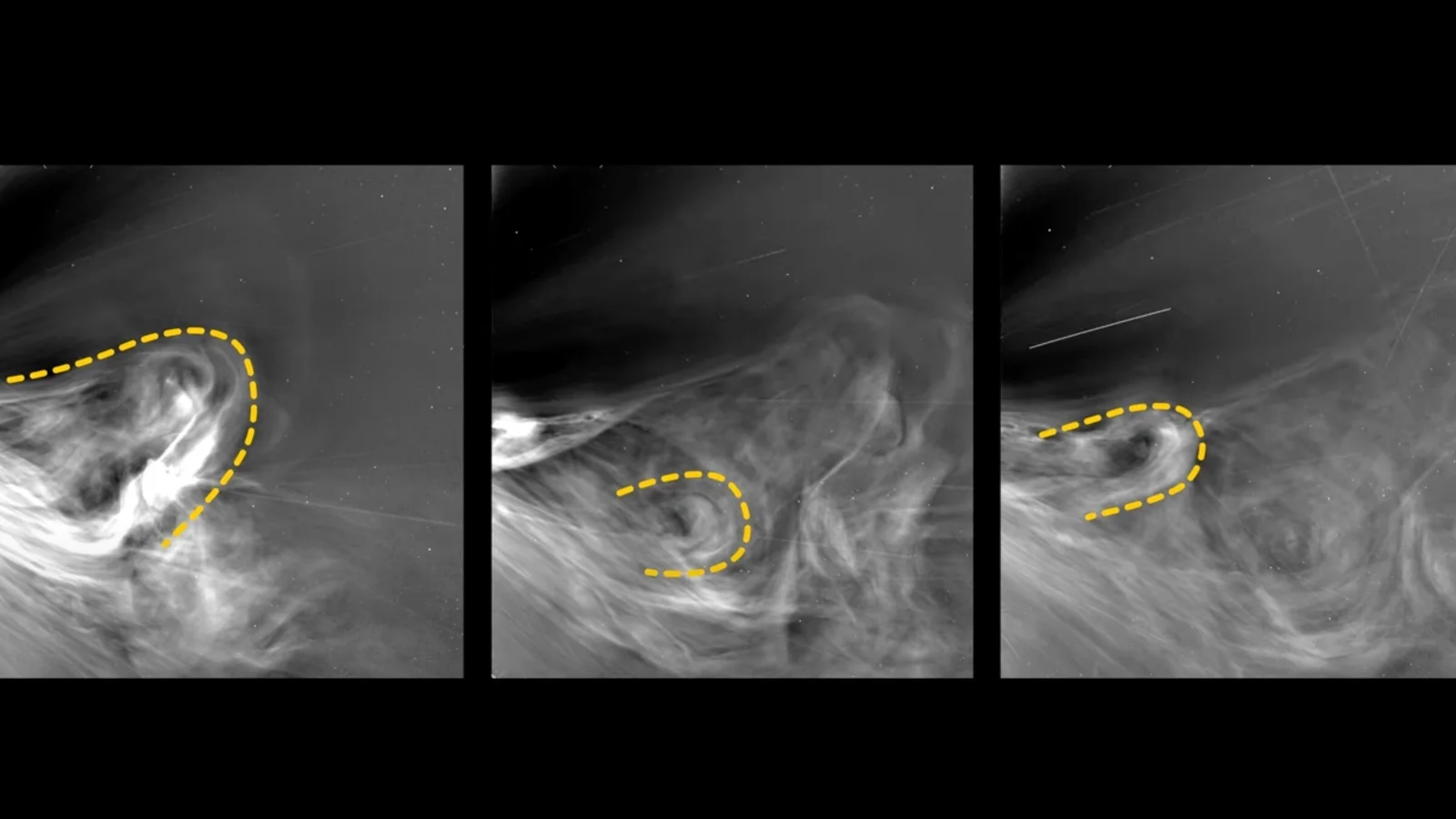
NASA's Parker Solar Probe captured the closest images of the Sun, revealing detailed views of solar winds and coronal mass ejections, which are crucial for understanding space weather and its impact on Earth. The probe's data helps improve predictions of space weather events that can affect technology and astronauts, with future passes planned to further study the Sun's outer atmosphere.

NASA’s Parker Solar Probe Captures Record-Breaking Close-Up Images of the Sun

Originally Published 6 months ago — by Live Science

Featured image for NASA’s Parker Solar Probe Captures Record-Breaking Close-Up Images of the Sun
Source: Live Science

NASA's Parker Solar Probe captured the closest-ever images of the sun, revealing details about the solar wind and coronal mass ejections, which are crucial for understanding space weather and its impact on Earth. The probe's data helps scientists study the origins of different types of solar wind and their behavior near the sun, advancing our knowledge of solar phenomena.

"The Sun's Unprecedented Outburst: Understanding the Impact of Three Massive Solar Flares in 24 Hours"

Originally Published 1 year ago — by The Boston Globe

Featured image for "The Sun's Unprecedented Outburst: Understanding the Impact of Three Massive Solar Flares in 24 Hours"
Source: The Boston Globe

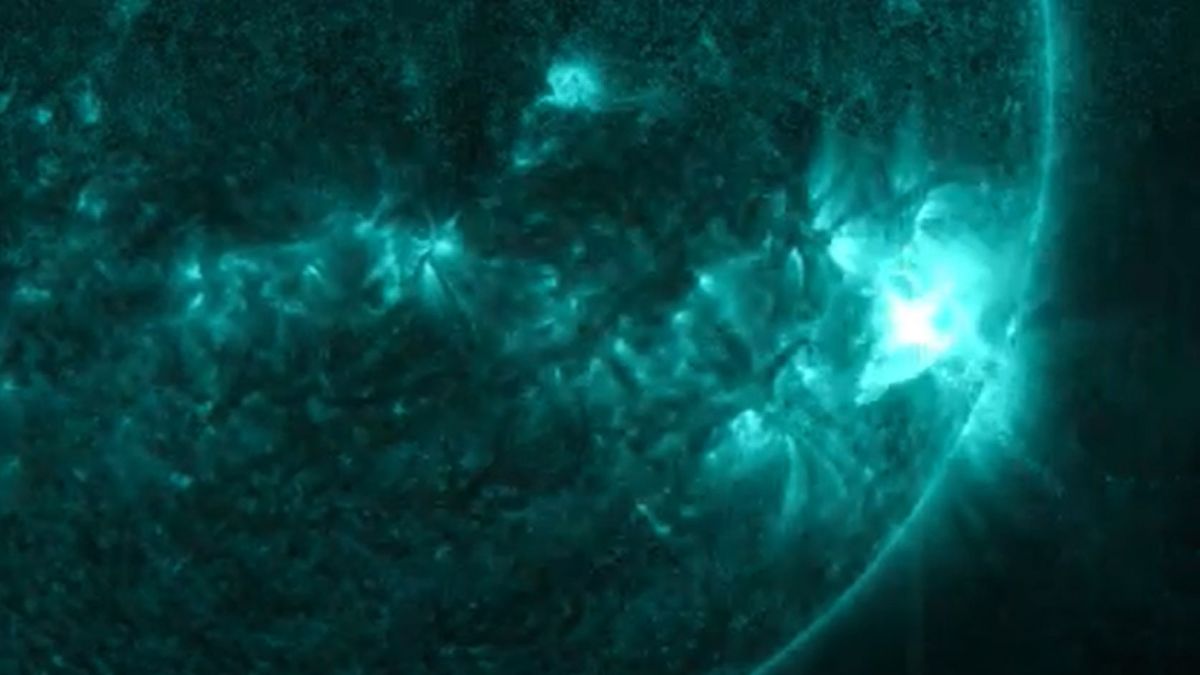
The sun recently emitted three powerful X-class solar flares within 24 hours, disrupting high-frequency radio communications on Earth and potentially causing radio blackouts over the Pacific and Indian oceans. While the first two flares did not release coronal mass ejections (CMEs), the impact of the third flare is still being assessed. Despite speculation, the solar flares are unlikely to have caused the recent AT&T cellular network outage. Skywatchers may miss out on northern lights displays due to the absence of CMEs, but there are still chances for more solar flares and CMEs as the active sunspot region continues to be active.

"Record-Breaking Solar Flare Promises Spectacular Northern Lights Display"

Originally Published 2 years ago — by nasa.gov

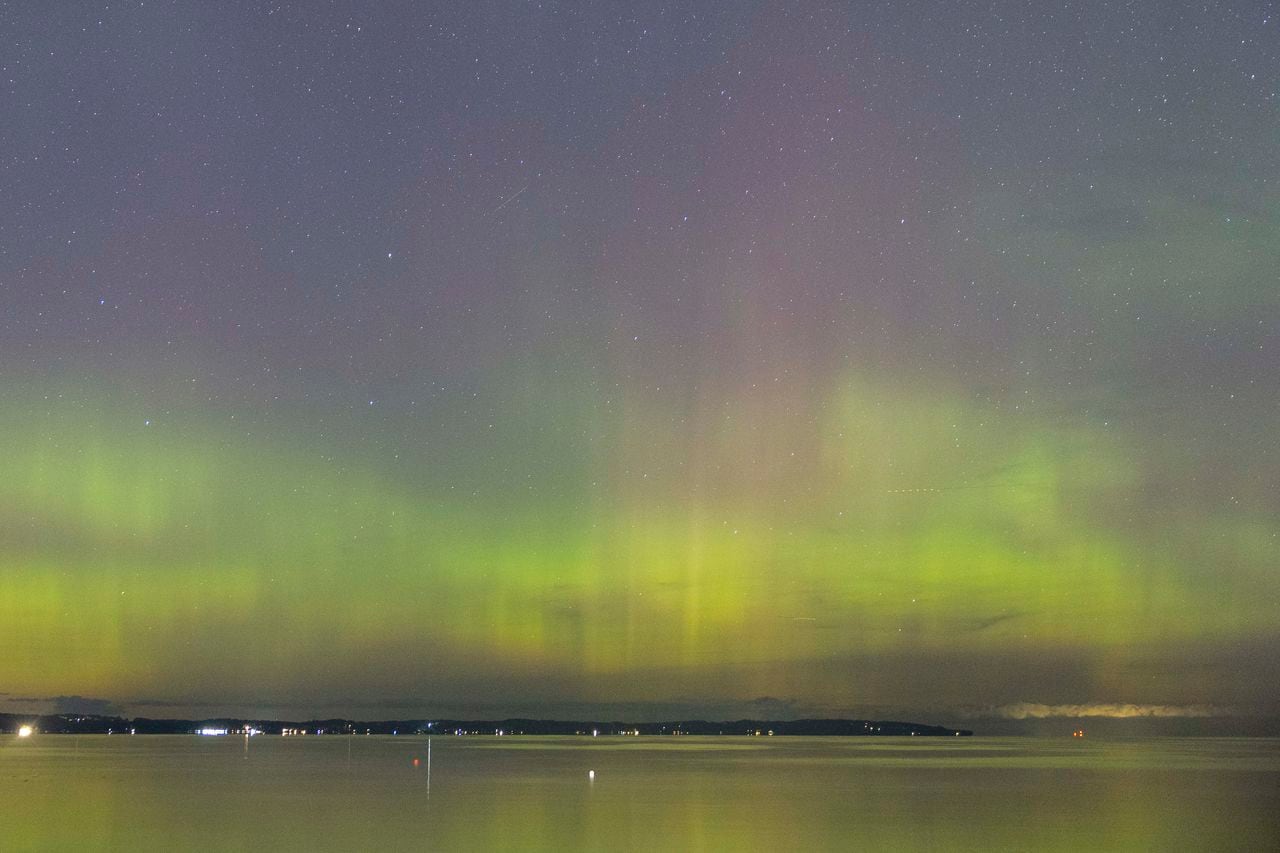
A surge in solar activity in mid-December 2023 resulted in vibrant auroras across the northern latitudes of Earth. The auroras were captured by the VIIRS on the NOAA-NASA Suomi NPP satellite, which detects nighttime light in various wavelengths. These auroras were likely caused by coronal mass ejections observed a few days earlier, which interact with Earth's upper atmosphere to produce colorful displays. The Sun's activity is increasing as it approaches the peak of solar cycle 25, expected in July 2025. Solar flares and coronal mass ejections are monitored to track solar activity and their potential impact on Earth.

Unveiling the Secrets of Forecasting and Capturing the Spectacular Northern Lights

Originally Published 2 years ago — by MLive.com

Featured image for Unveiling the Secrets of Forecasting and Capturing the Spectacular Northern Lights
Source: MLive.com

The forecast for Northern Lights, issued by the Space Weather Prediction Center (SWPC), relies on estimating the strength, speed, and direction of Coronal Mass Ejections (CME) from the sun. The initial forecast is a rough estimate, and the accuracy improves as the CME approaches Earth. However, the timing forecast for when the lights will occur is less reliable, often being off by several hours. To see the lights, one should find a dark open spot and stay up late, hoping for a sighting.

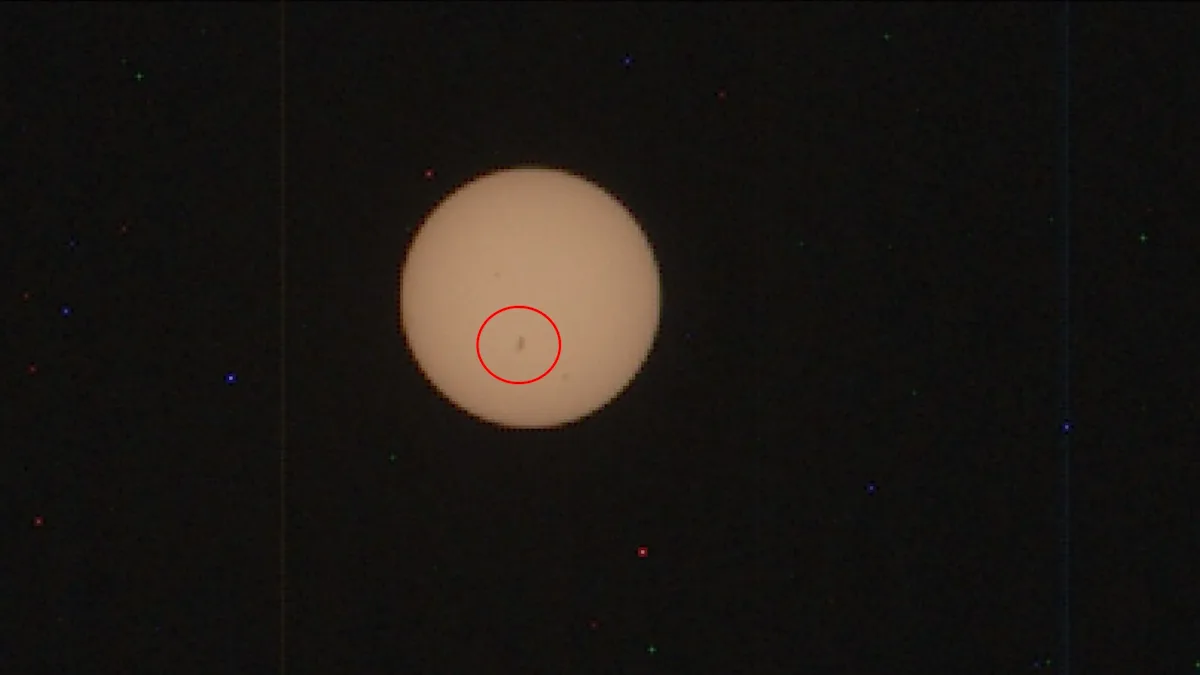
"Perseverance Mars Rover Captures Stunning Images of Earth-Bound Sunspot"

Originally Published 2 years ago — by Yahoo! Voices

Featured image for "Perseverance Mars Rover Captures Stunning Images of Earth-Bound Sunspot"
Source: Yahoo! Voices

NASA's Perseverance Mars rover has captured images of a large sunspot moving across the solar disk, providing a one-week warning of its approach towards Earth. Sunspots are areas of the sun with strong magnetic fields and can serve as launch pads for solar flares and coronal mass ejections, which can impact satellite navigation and disrupt power grids. While monitoring sunspots is important for space weather prediction, Perseverance's main mission is to search for signs of past life on Mars and collect samples for future return to Earth.

Supercomputer Simulations Shed Light on Sun's Magnetic Dynamo.

Originally Published 2 years ago — by SciTechDaily

Featured image for Supercomputer Simulations Shed Light on Sun's Magnetic Dynamo.
Source: SciTechDaily

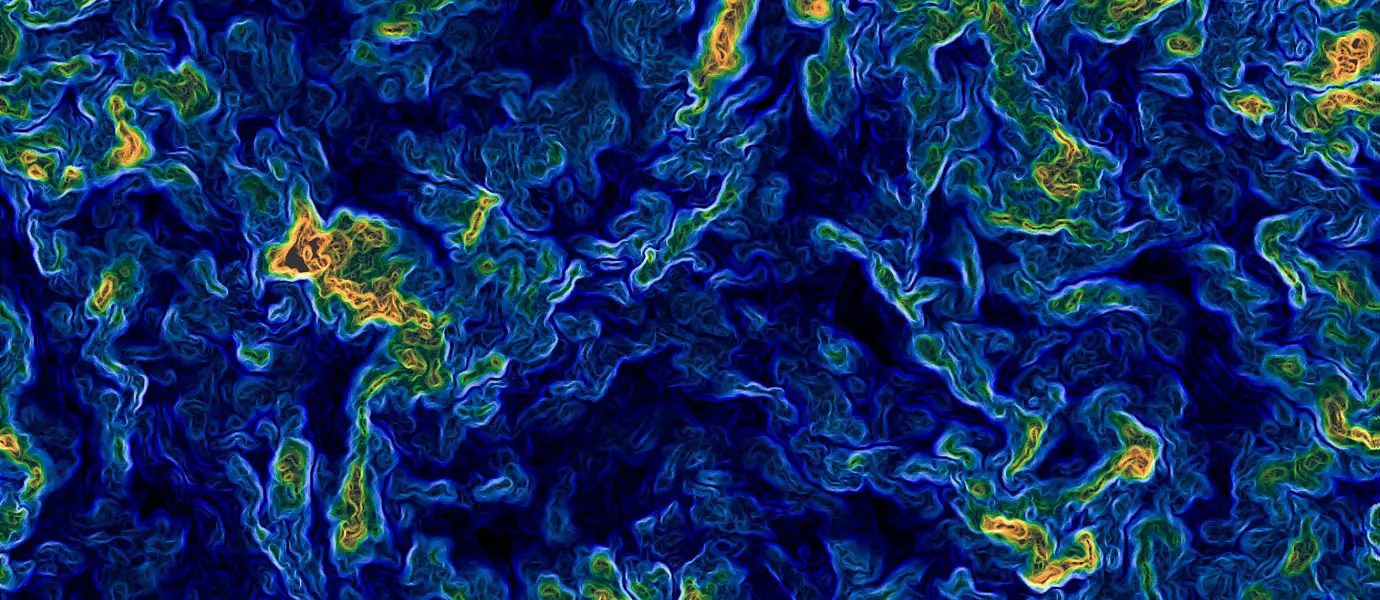
Scientists have used advanced supercomputer simulations to demonstrate the existence and significance of a small-scale dynamo in the Sun’s magnetic field, which could help predict major solar events a few days earlier, providing vital extra time for us to prepare. The Sun’s magnetism comes from a process known as the solar dynamo, consisting of two main parts, the large-scale dynamo and the small-scale dynamo, neither of which scientists have been able to fully model yet. The research group is currently expanding their study to even lower magnetic Prandtl number values using GPU-accelerated code on the new pan-European pre-exascale supercomputer LUMI.

Probing the Heart of Solar Storms with a New Technique

Originally Published 2 years ago — by Space.com

Featured image for Probing the Heart of Solar Storms with a New Technique
Source: Space.com

Scientists have discovered that energetic neutral atoms (ENAs) could be used to investigate the particle acceleration process involved in solar energetic particle (SEP) events such as solar flares and coronal mass ejections (CMEs). ENAs are neutral particles that are not affected by magnetic fields, making them useful for studying these sites remotely. NASA is currently planning an instrument as part of its Interstellar Mapping and Acceleration Probe (IMAP) mission, which will be capable of measuring ENAs originating from the sun.

Sun unleashes powerful X-class solar flare, threatens space weather chaos.

Originally Published 2 years ago — by Space.com

Featured image for Sun unleashes powerful X-class solar flare, threatens space weather chaos.
Source: Space.com

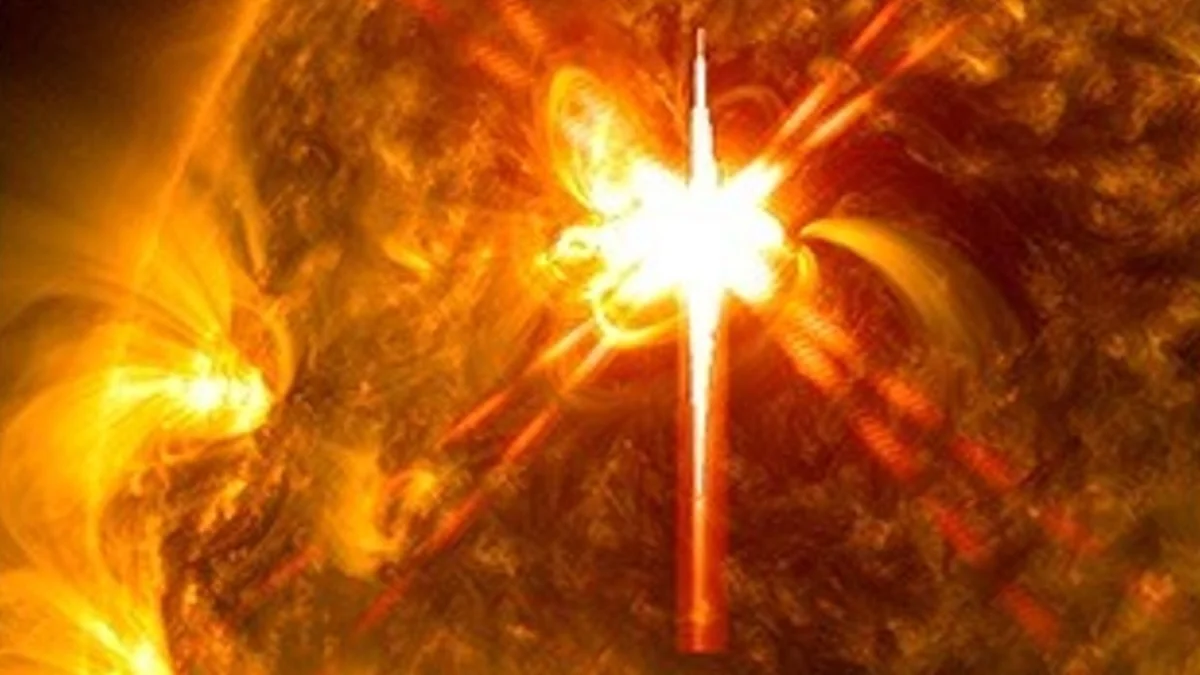
A powerful X1.2 solar flare, the most powerful on the 5-grade scale, knocked out radio communications on Earth for about an hour on March 28. The flare emerged from the largest and most complex sunspot group that space weather forecasters currently observe in the southwestern part of the sun's disk. Space weather experts expect more powerful solar flares and coronal mass ejections in the coming days as the solar cycle nears its maximum. Although not as energetic as CMEs, solar wind streams from coronal holes have the ability to cause milder geomagnetic storms.