G2 Geomagnetic Storm Watch Targets Jan 10–11, 2026
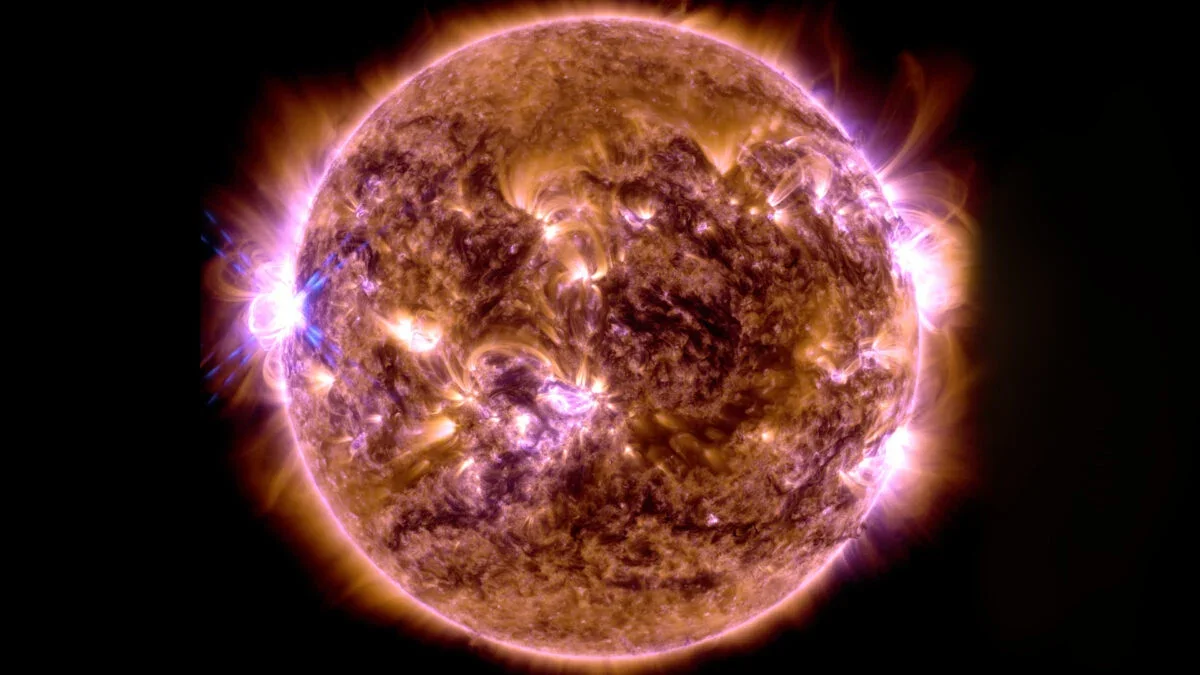
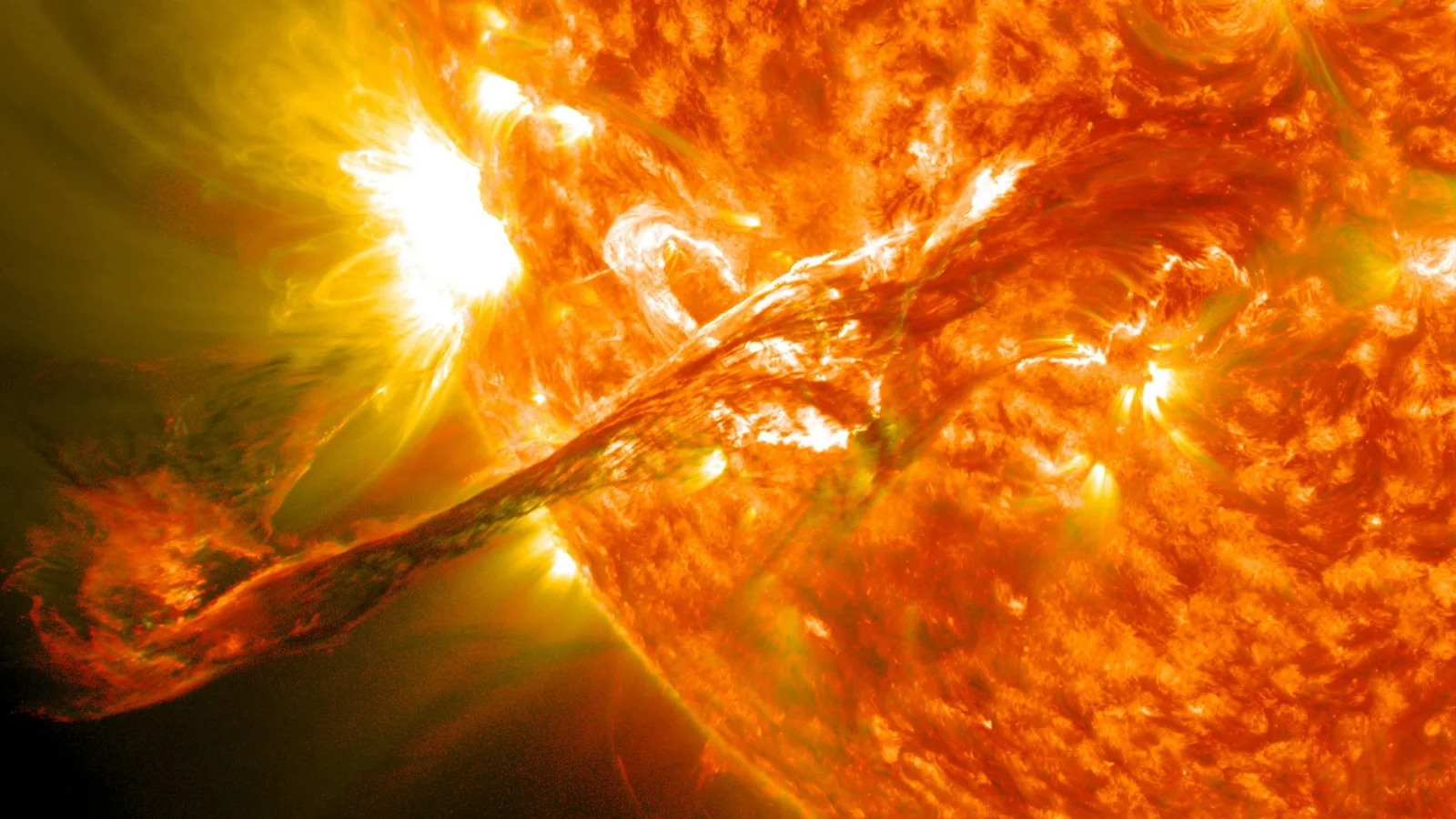
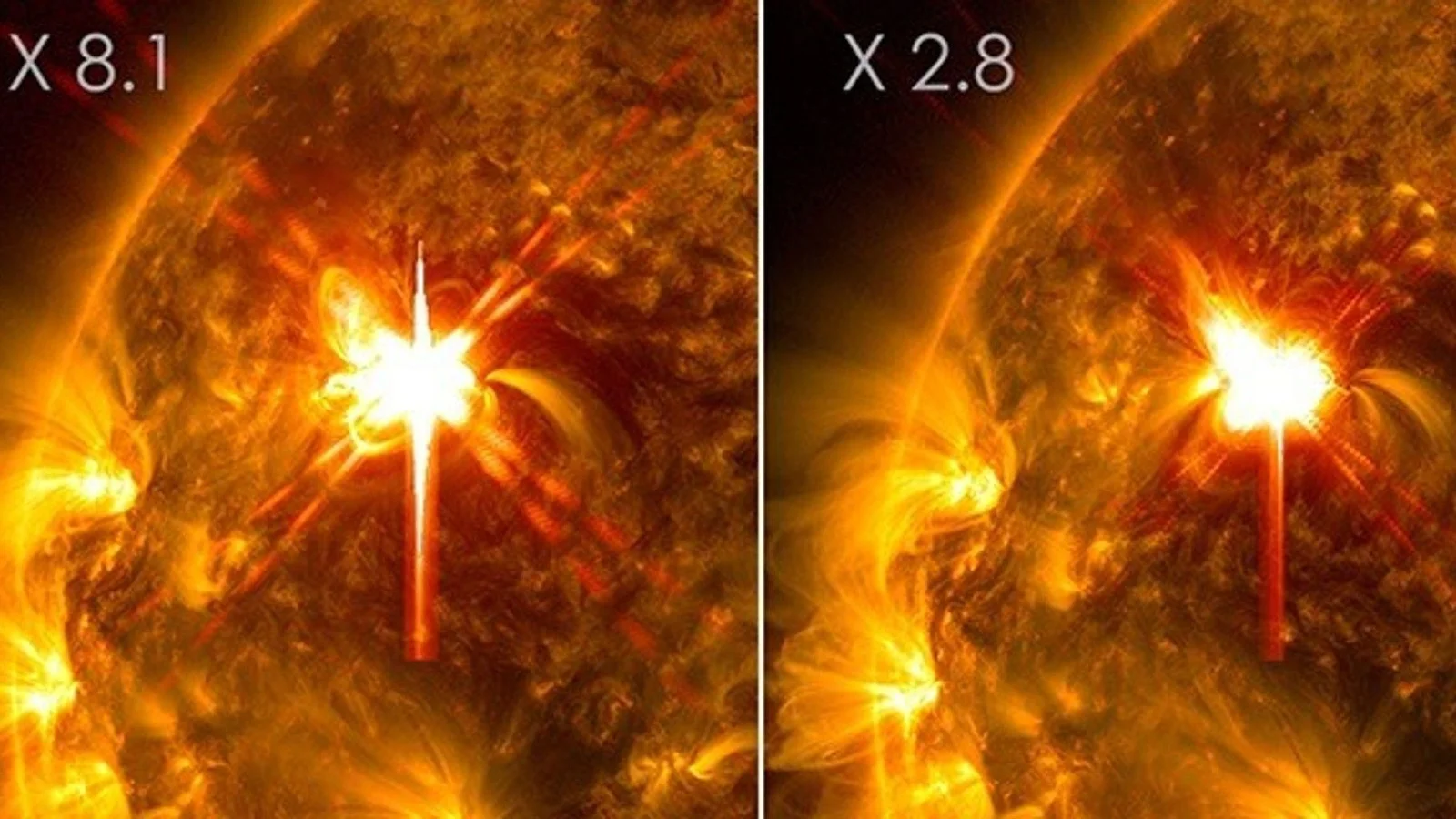
NOAA foresees periods of G1-G2 (minor to moderate) geomagnetic storming on January 10–11, 2026, triggered by a CME that left the Sun on January 8.
All articles tagged with #space weather
NOAA foresees periods of G1-G2 (minor to moderate) geomagnetic storming on January 10–11, 2026, triggered by a CME that left the Sun on January 8.
NOAA's Space Weather Prediction Center forecasts periods of G1–G2 (Minor–Moderate) geomagnetic activity on Jan 10–11, 2026 as a CME released on Jan 8 arrives, signaling a moderate geomagnetic storm risk with potential effects on space- and radio-related operations.

Astronomers set a new record by continuously observing the Sun's active region NOAA 13664 for over 90 days using two spacecraft, providing valuable insights into solar activity and improving space weather predictions.

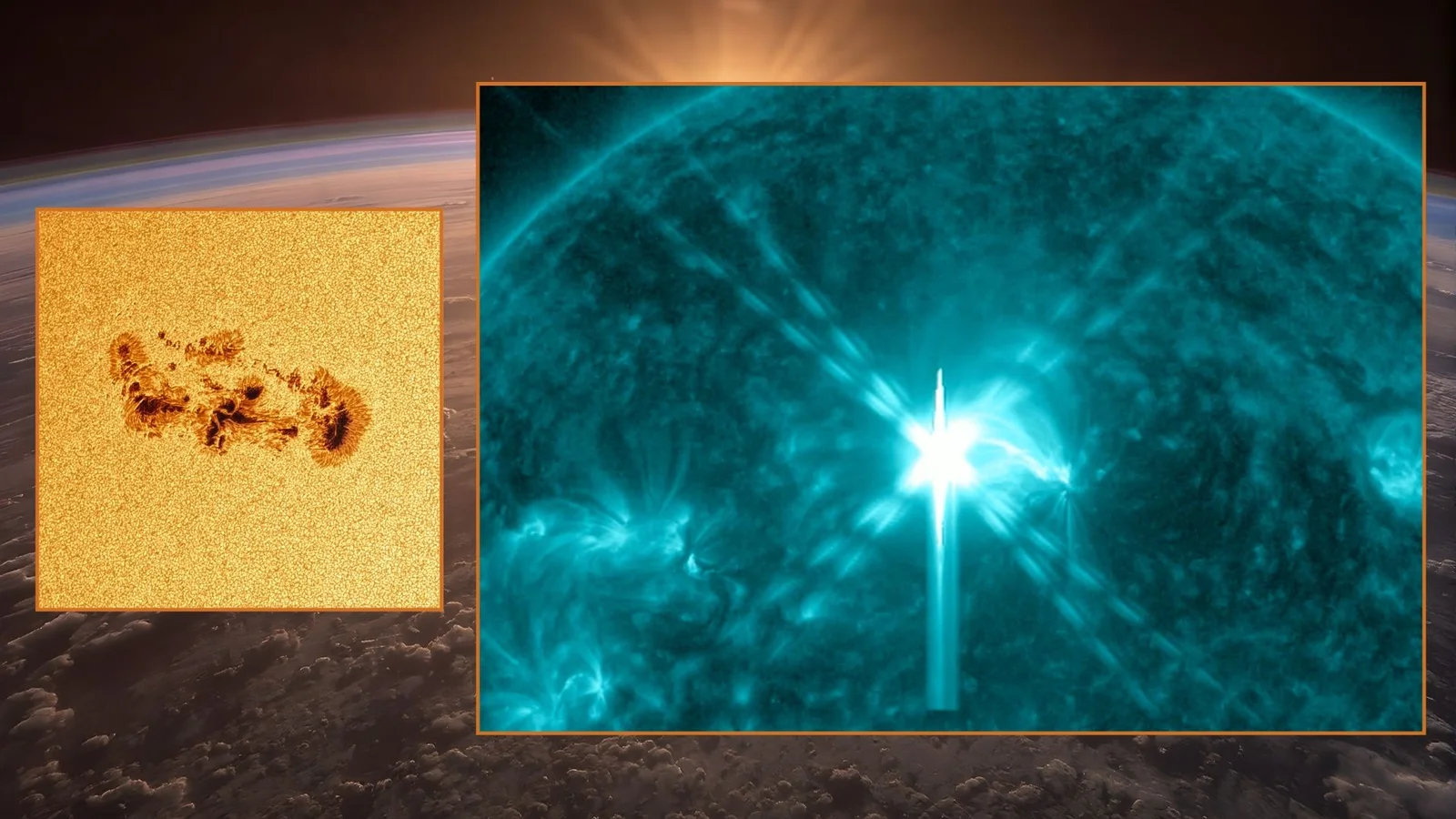
A record-breaking study revealed that the giant sunspot AR 13664, which grew to 15 times Earth's width, produced nearly 1,000 solar flares, including powerful X-class flares, and triggered Earth's most intense geomagnetic storm in over 20 years, highlighting the sun's immense power during solar maximum.
NOAA has issued G1-G2 watches for January 3-4 due to expected CMEs from solar activity, which may cause minor to moderate geomagnetic storms, affecting HF radio and navigation signals.

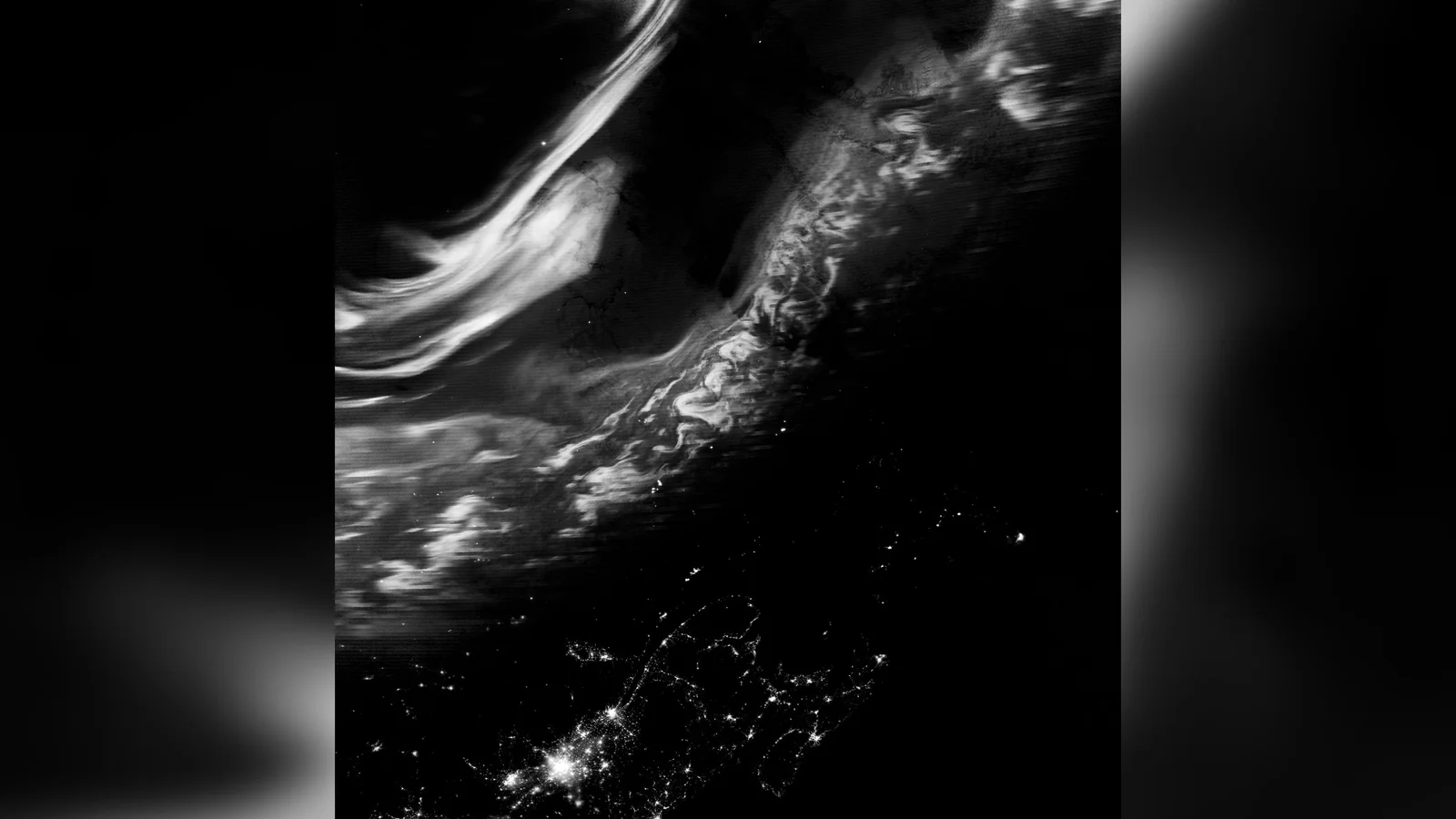
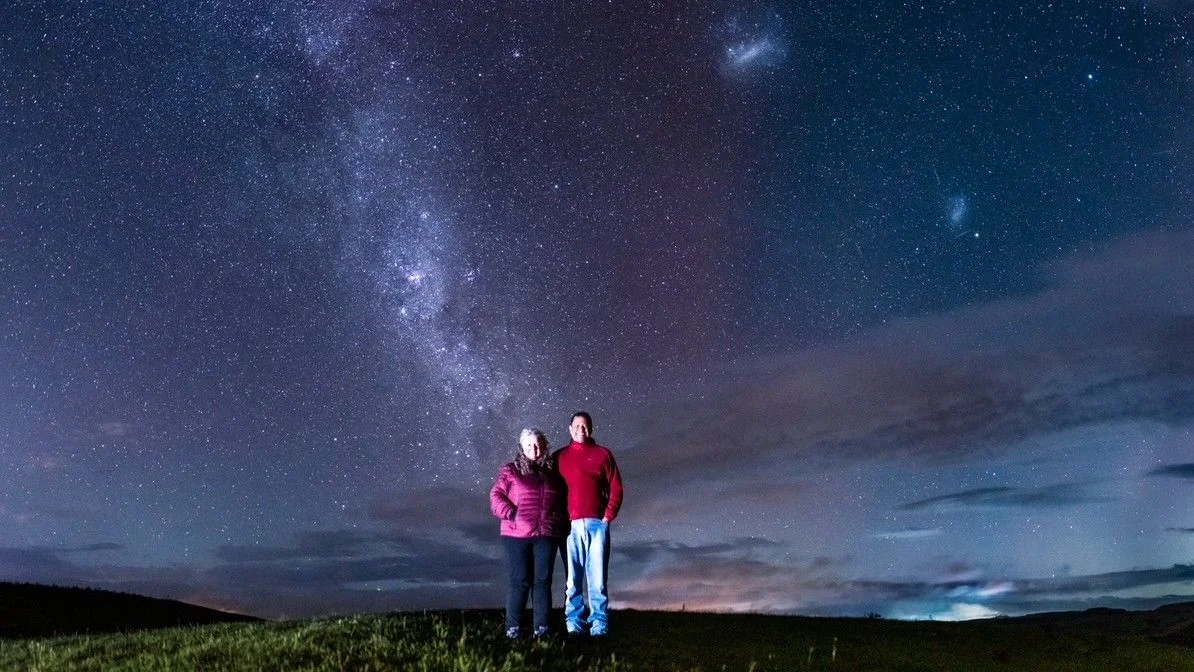
The northern lights may be visible in 18 U.S. states tonight due to a coronal mass ejection from the sun, with the best viewing times between 4 p.m. and 4 a.m. EST, especially in areas with dark, clear skies. Viewers are advised to find a north-facing vantage point, avoid light pollution, and let their eyes adapt to the dark for optimal viewing.

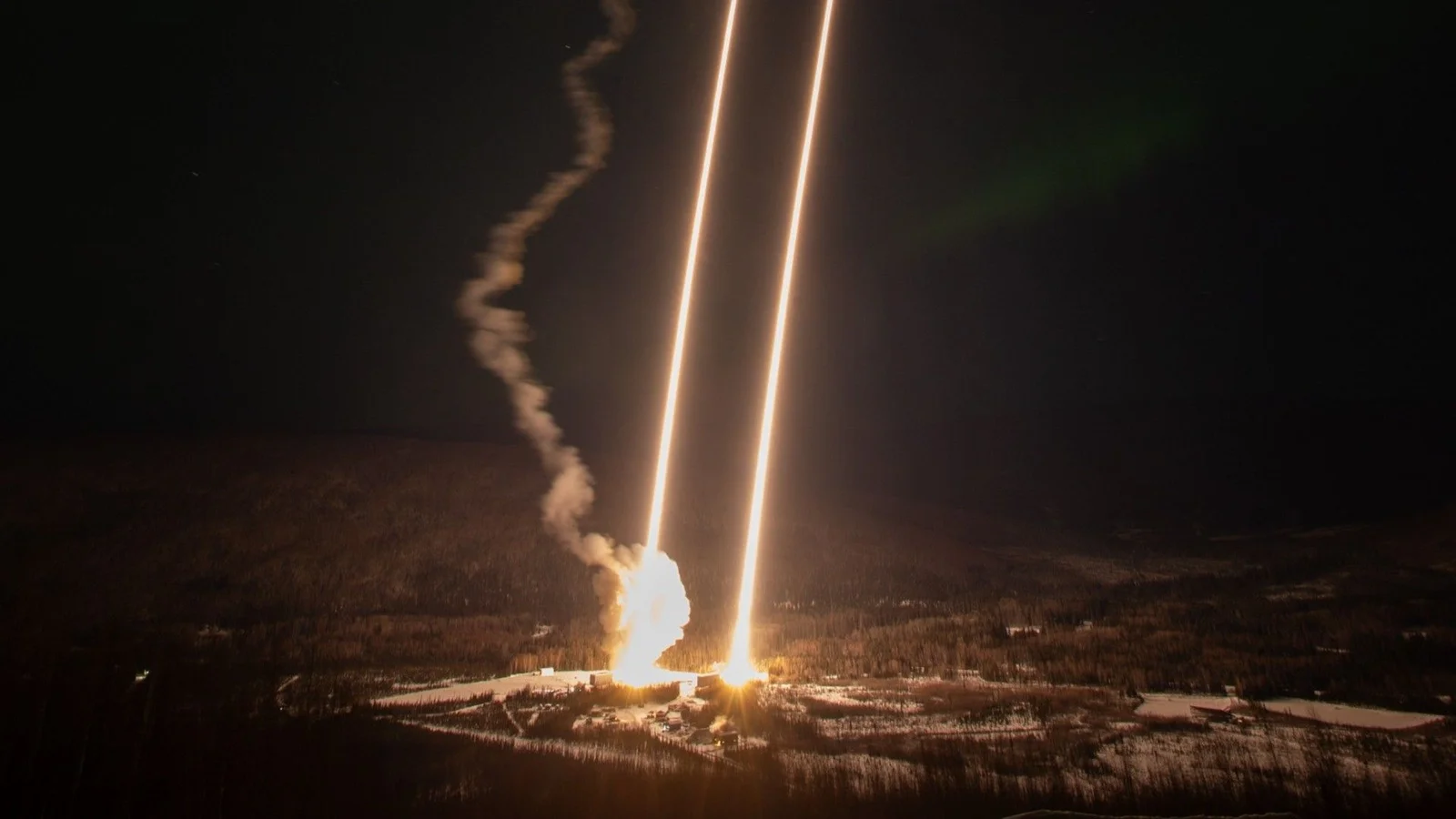
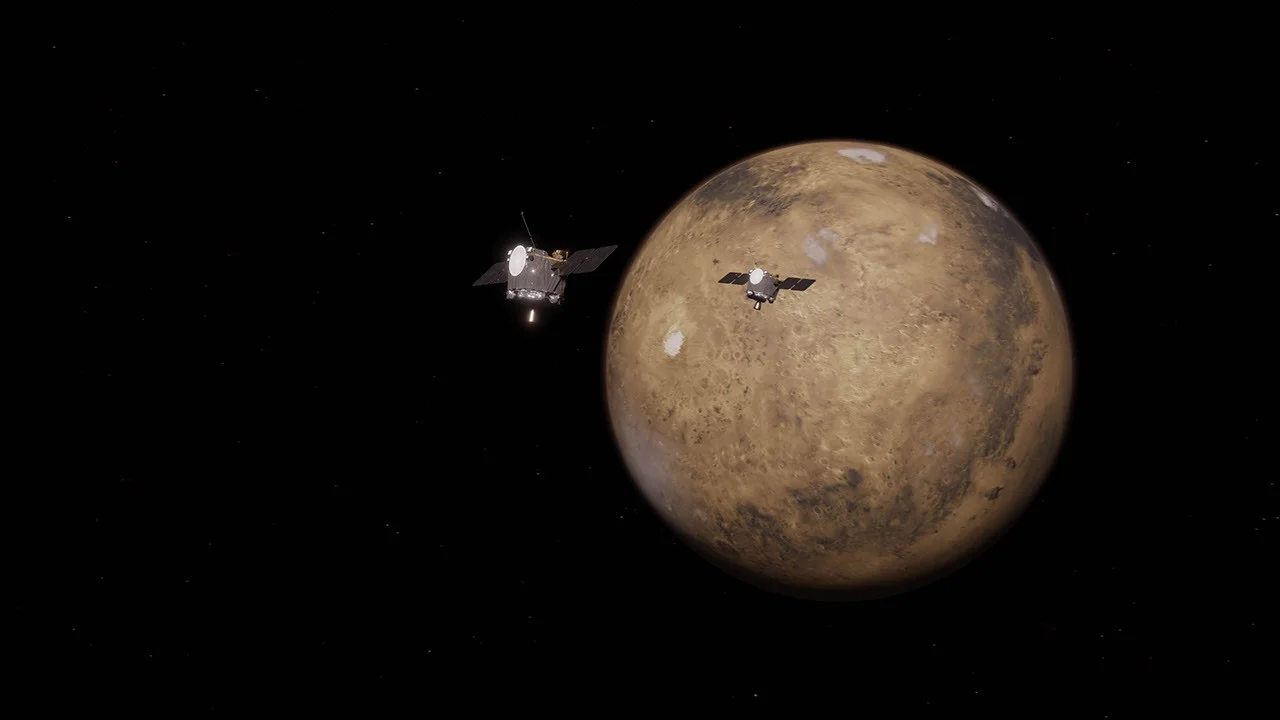
NASA is developing robotic systems and tools, such as real-time space weather dashboards and radiation mapping, to support human missions to Mars and the Moon, while also addressing challenges like lunar dust and water detection, emphasizing a collaborative approach between robots and humans for future exploration.
NOAA has issued G1 to G2 watches from January 1-3, 2026, indicating expected increased geomagnetic activity due to coronal mass ejections (CMEs), which may cause minor to moderate disruptions in HF radio and navigation signals.

Scientists are leveraging existing space missions and data to prepare robotic explorers for future human missions to the Moon and Mars, focusing on water resource identification, radiation shielding, and dust management, with new tools and instruments being developed to address these challenges.

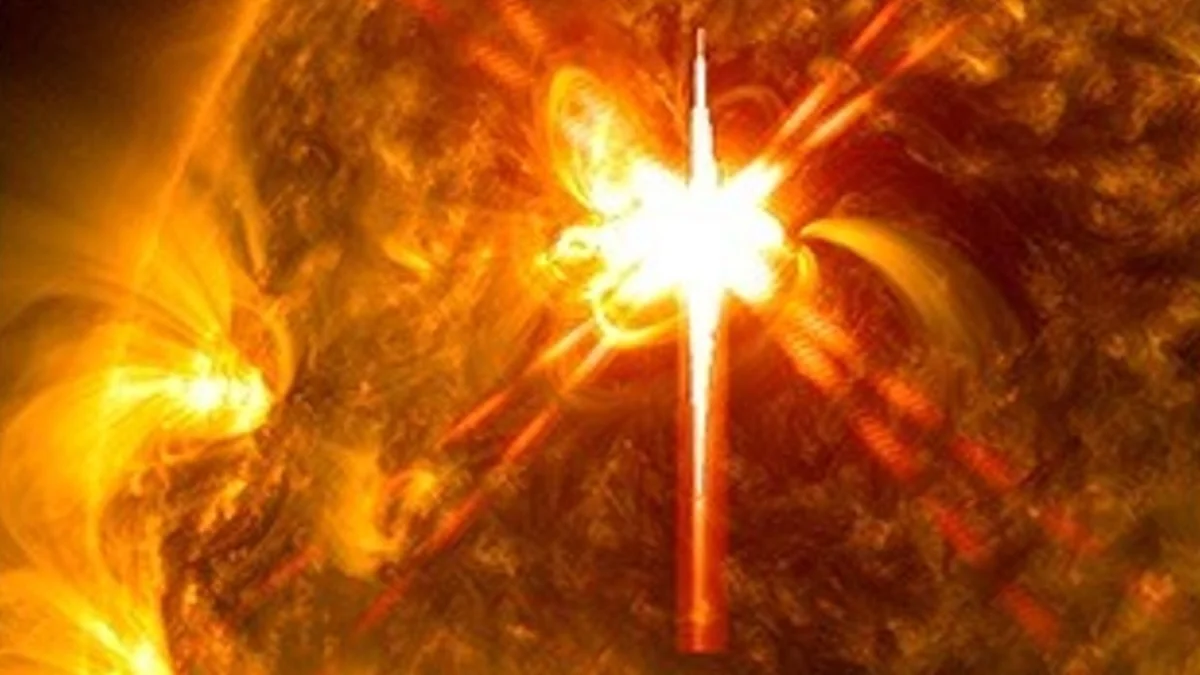
A significant M7.1 solar flare occurred on December 31, 2025, originating from sunspot region 4324, accompanied by a coronal mass ejection (CME) that is expected to cause minor G1 geomagnetic storm conditions on Earth by January 2, 2026, with the majority of the CME heading away from Earth.

NASA's ISS-based Atmospheric Waves Experiment detected gravity waves in the mesosphere caused by Hurricane Helene, revealing how surface weather impacts upper atmospheric conditions and affecting satellite operations and space weather understanding.

Unsettled space weather from the sun, including fast solar wind and a possible glancing coronal mass ejection, could lead to visible northern lights during Christmas, especially at high latitudes in North America and Scandinavia, offering a festive celestial display.

NASA's PUNCH mission, involving four small satellites, has captured unprecedented images of the Sun's corona and solar wind, providing new insights into solar activity and space weather, while also tracking comets invisible to other telescopes.
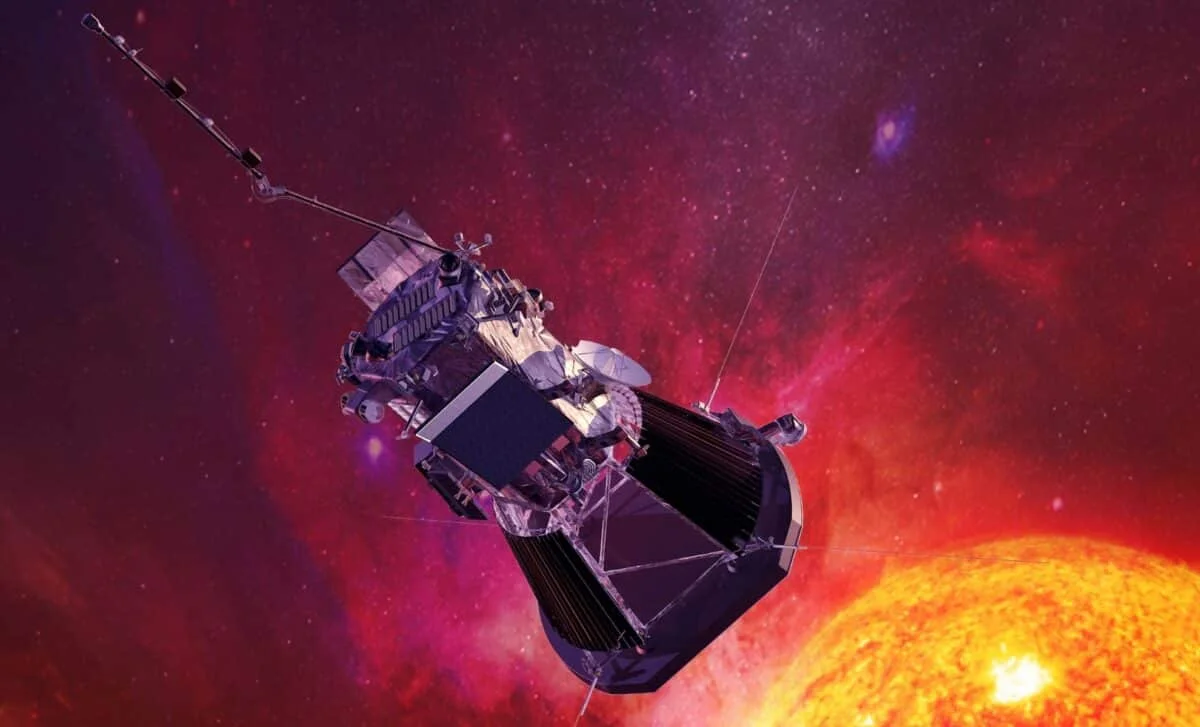
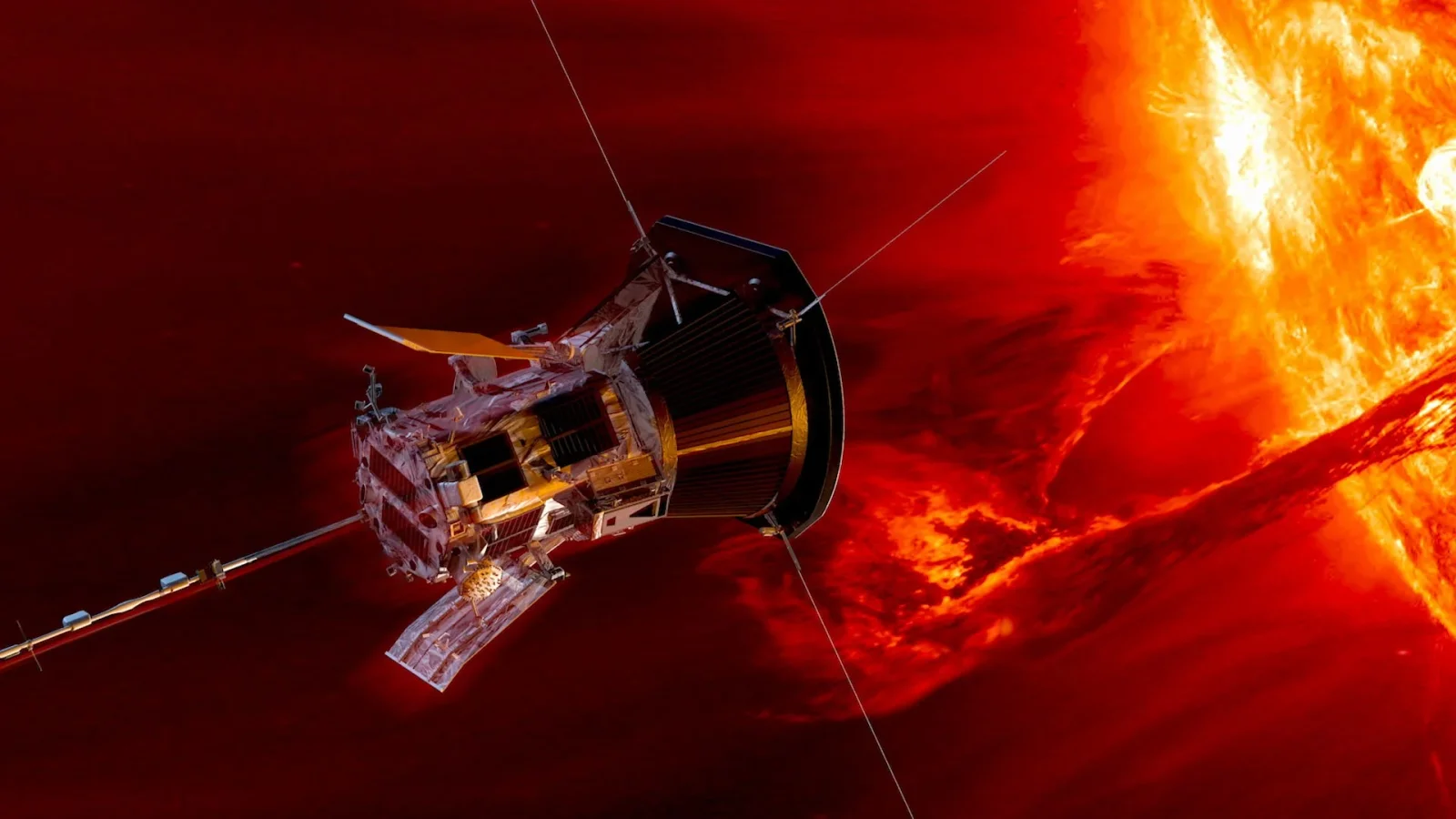
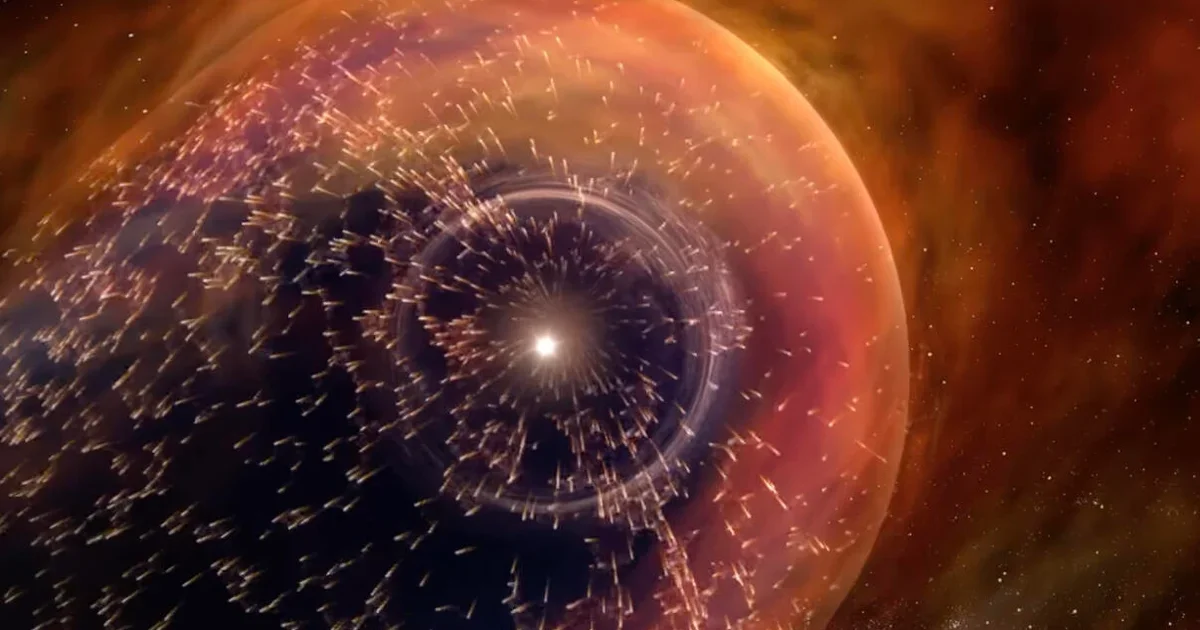
NASA's Parker Solar Probe captured detailed images of solar material doing a 'U-turn' after eruptions, revealing how the sun recycles its magnetic energy and material, which could improve space weather forecasting.
NOAA has issued a G3 warning due to effects from a coronal hole high-speed stream, impacting radio communications and navigation, with conditions expected to persist into Wednesday evening, December 3, 2025.