Tag

Radio Blackout

All articles tagged with #radio blackout

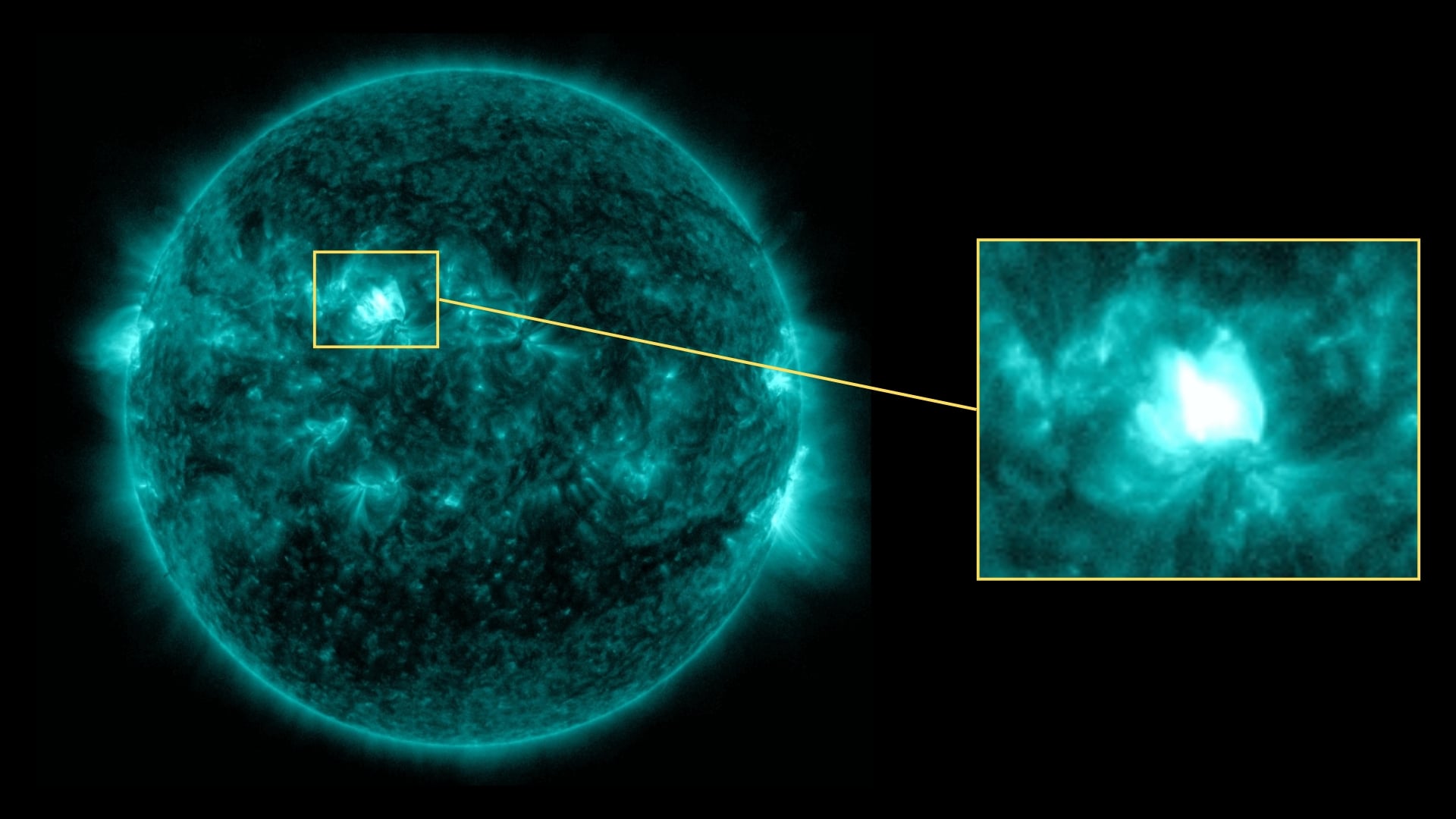
Massive Solar Flare Triggers Geomagnetic Storm and Aurora Alerts

Originally Published 1 month ago — by The Daily Galaxy

Featured image for Massive Solar Flare Triggers Geomagnetic Storm and Aurora Alerts
Source: The Daily Galaxy

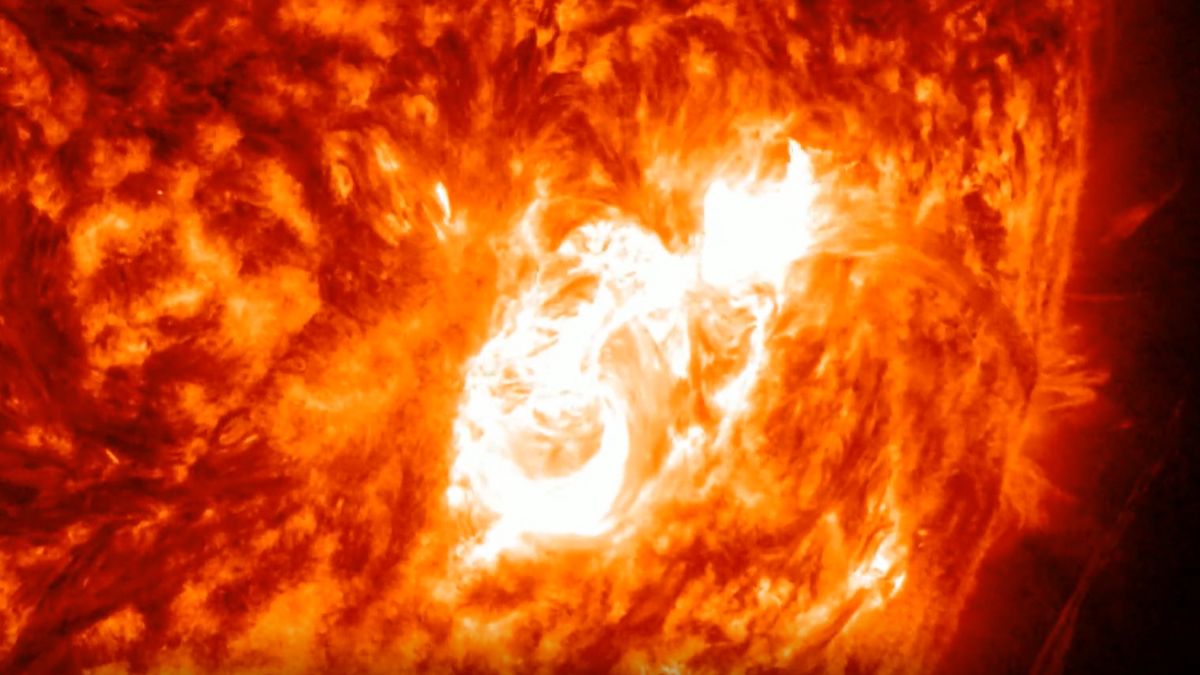
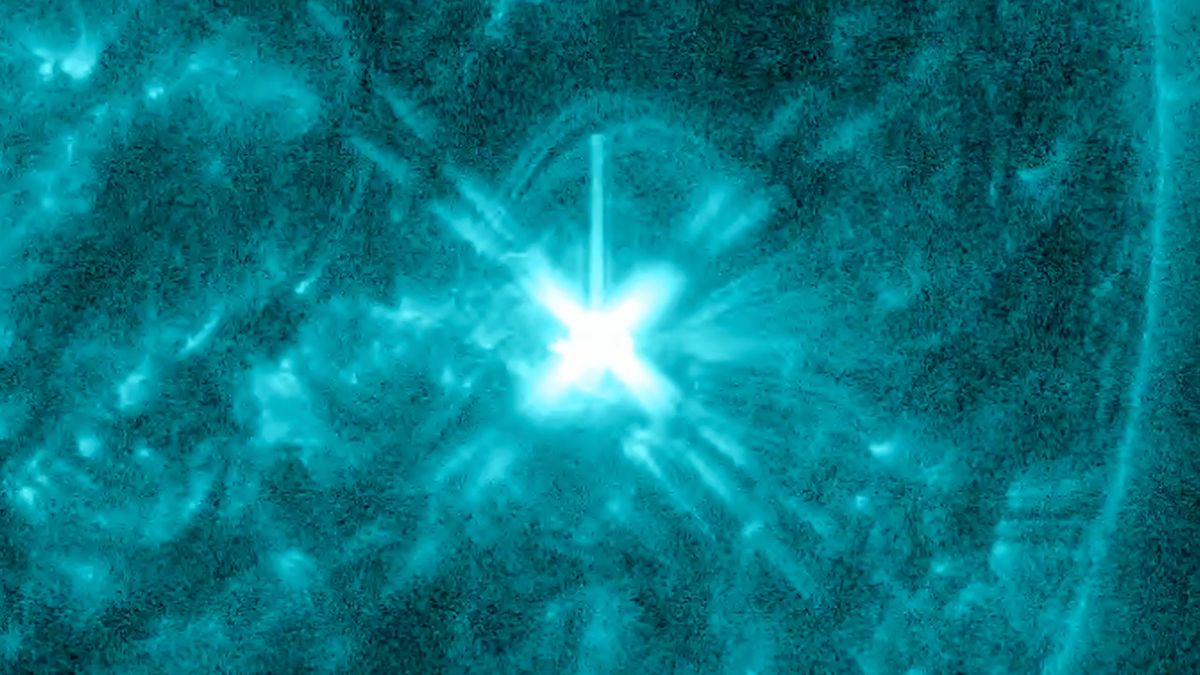
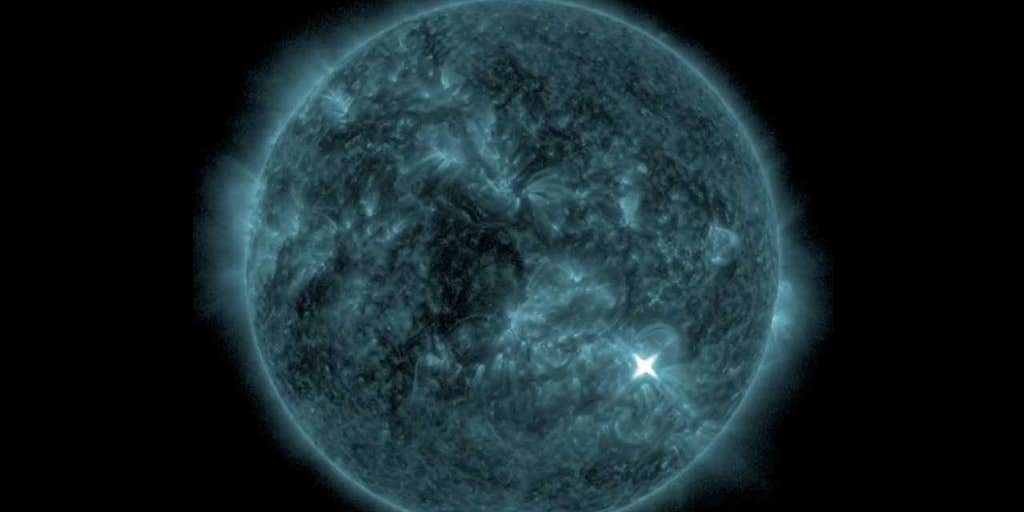
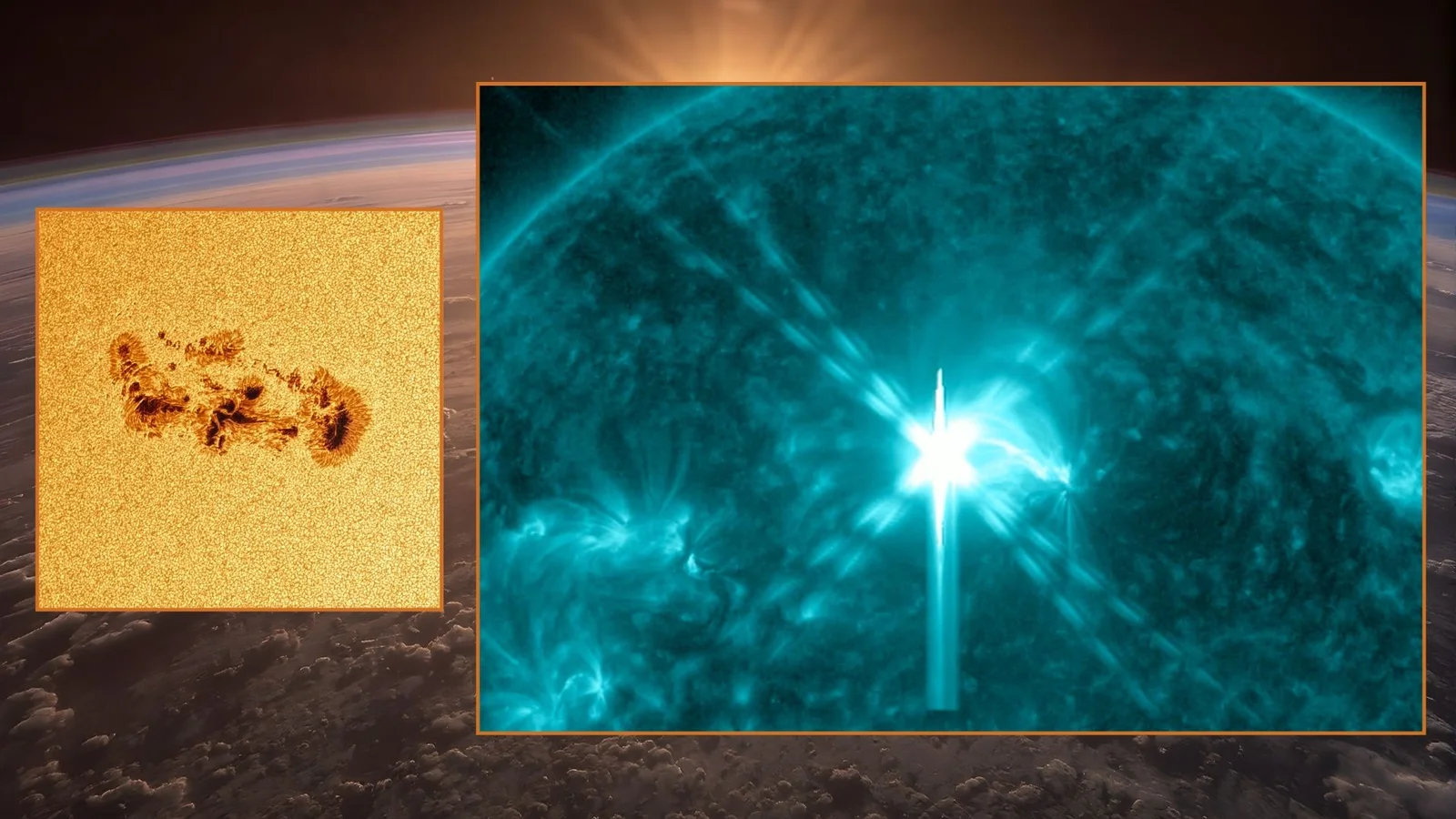
A powerful X1.9 solar flare from sunspot AR4299 caused radio blackouts in Australia and Southeast Asia, with further solar activity expected from the larger, more complex sunspot AR4294, potentially leading to additional flares and minor geomagnetic storms in the coming days.

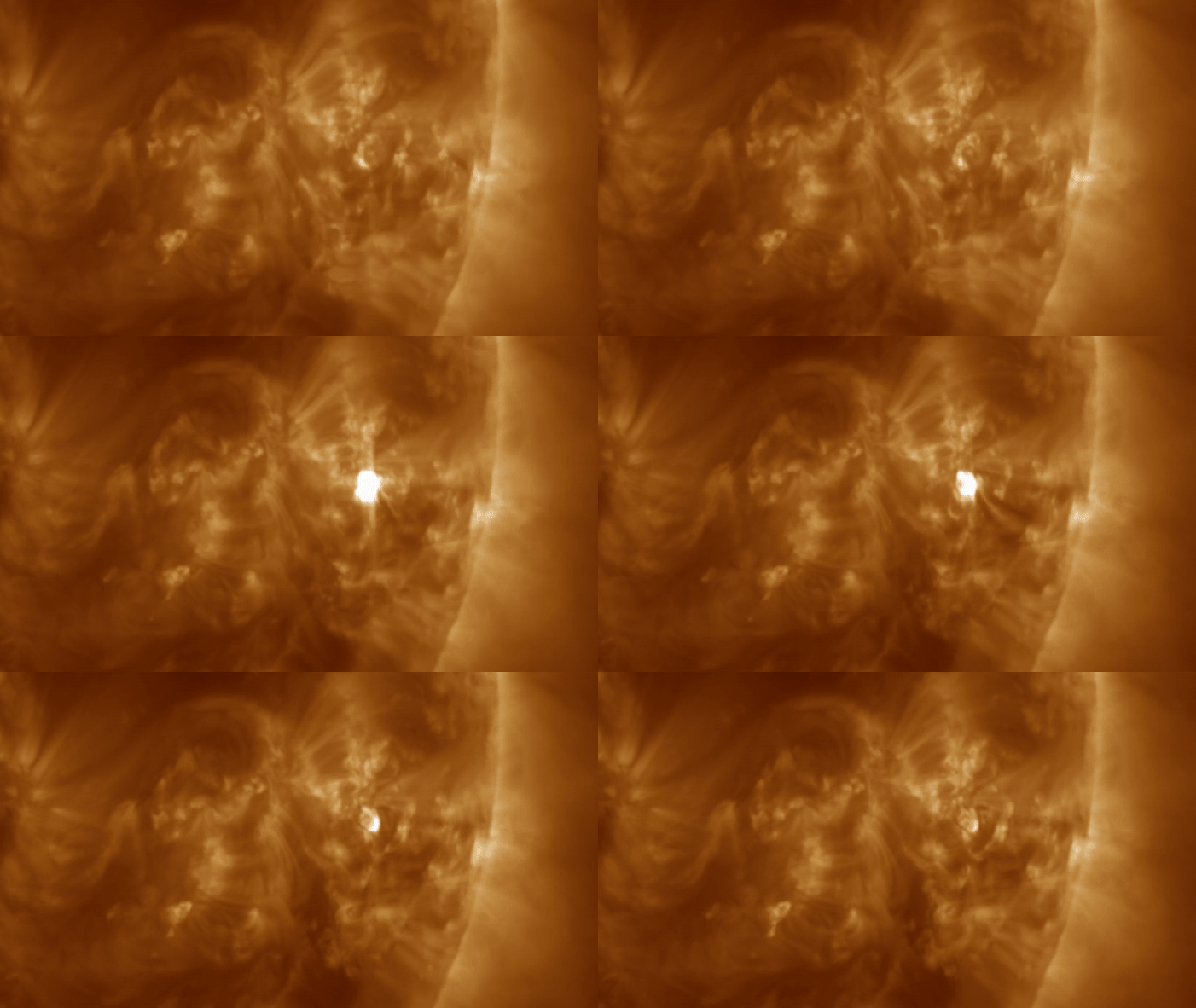
Massive Solar Flare Triggers Radio Blackouts Across the Pacific

Originally Published 6 months ago — by Space

Featured image for Massive Solar Flare Triggers Radio Blackouts Across the Pacific
Source: Space

A powerful X1.9 class solar flare from sunspot region 4114 caused shortwave radio blackouts across the Pacific, especially affecting Hawaii, but did not produce a coronal mass ejection. The flare indicates high solar activity, with potential for future geomagnetic storms and auroras if CMEs are launched.

Powerful Solar Flare Causes Radio Blackouts Over Pacific

Originally Published 6 months ago — by Space

Featured image for Powerful Solar Flare Causes Radio Blackouts Over Pacific
Source: Space

A powerful X1.2-class solar flare erupted from sunspot region 4114, causing radio blackouts over the Pacific Ocean, including Hawaii, without accompanying a coronal mass ejection. The flare's electromagnetic energy disrupted radio signals and indicates potential for further solar activity that could impact Earth, such as geomagnetic storms and auroras.

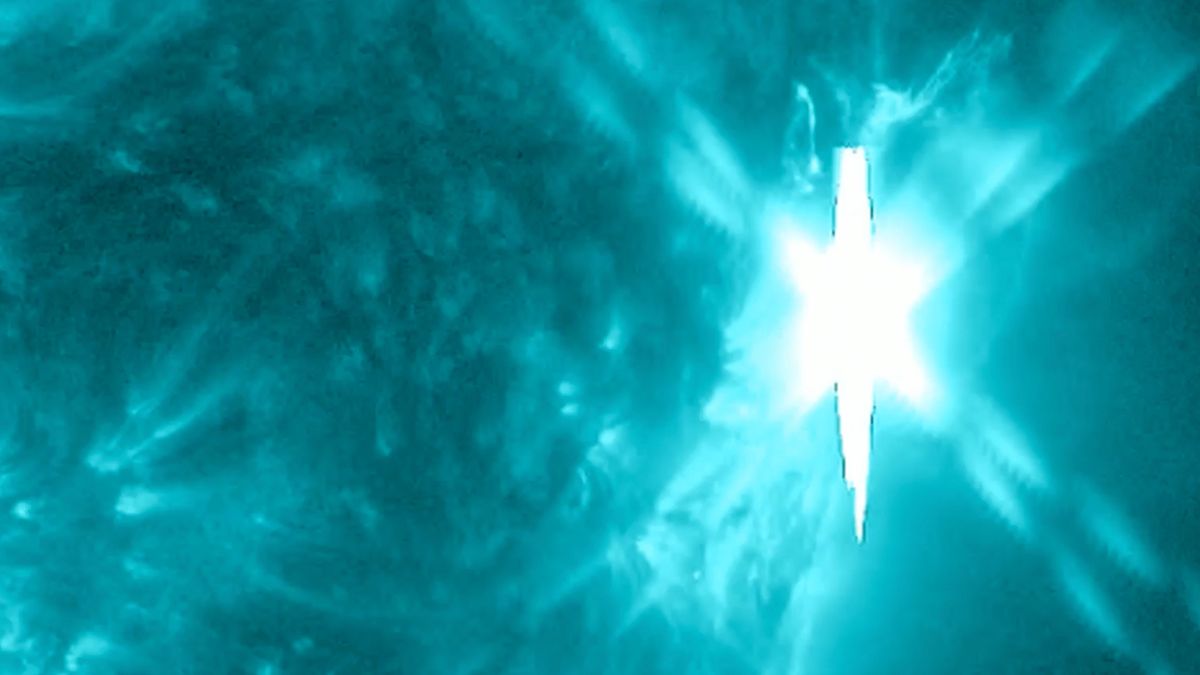
Powerful X-Class Solar Flare Causes Radio Blackout and Northern Lights Alert

Originally Published 1 year ago — by Space.com

Featured image for Powerful X-Class Solar Flare Causes Radio Blackout and Northern Lights Alert
Source: Space.com

A surprise X-class solar flare erupted from sunspot region 3912 on December 8, causing shortwave radio blackouts over southern Africa. The flare, accompanied by a coronal mass ejection (CME), is expected to have only mild impacts on Earth. X-class flares are the most powerful solar flares, capable of disrupting satellites and causing radio blackouts due to the intense release of electromagnetic radiation.

Massive Solar Flare Triggers Global Radio Blackouts and Infrastructure Risks

Originally Published 1 year ago — by NDTV

Featured image for Massive Solar Flare Triggers Global Radio Blackouts and Infrastructure Risks
Source: NDTV

A powerful X2.3 class solar flare disrupted shortwave radio signals across parts of the Atlantic Ocean, South America, and Africa, highlighting the potential risks to global infrastructure such as navigation systems and power grids. Captured by NASA's Solar Dynamics Observatory, the flare also poses threats to spacecraft and astronauts due to increased radiation. Scientists are awaiting data to determine if a coronal mass ejection (CME) will impact Earth, potentially causing geomagnetic storms and auroras.

"Sun Unleashes Second X-Class Flare, Causing More Radio Blackouts"

Originally Published 1 year ago — by Space.com

Featured image for "Sun Unleashes Second X-Class Flare, Causing More Radio Blackouts"
Source: Space.com

The sun has emitted its second powerful X-class solar flare this week from sunspot AR3738, causing shortwave radio blackouts over the Atlantic Ocean, Africa, Europe, and parts of the Americas. The flare, which occurred on July 16, 2024, may have also triggered a coronal mass ejection, though it is not expected to impact Earth directly. The sunspot is nearing a "danger zone" that could potentially send more charged particles toward Earth.

"Sun's X-Class Flare Causes Radio Blackouts and Auroras"

Originally Published 1 year ago — by Space.com

Featured image for "Sun's X-Class Flare Causes Radio Blackouts and Auroras"
Source: Space.com

A powerful X-class solar flare erupted from sunspot AR3738 on July 13, 2024, causing shortwave radio blackouts across Australia, Southeast Asia, and Japan. Despite the flare's intensity, it did not produce a coronal mass ejection, meaning no significant geomagnetic activity is expected.

"June Solar Storms to Illuminate Northern Skies with Auroras"

Originally Published 1 year ago — by Newsweek

Featured image for "June Solar Storms to Illuminate Northern Skies with Auroras"
Source: Newsweek

A powerful X1.4-class solar flare from sunspot AR3697 caused radio blackouts across the U.S. and Western Europe. The flare, originating from a sunspot previously known as AR3664, also released a coronal mass ejection (CME) that may impact Earth between May 31 and June 1, potentially triggering a G2 geomagnetic storm and visible auroras in northern U.S. states.

"Epic Auroras Expected This Summer Due to Solar Activity"

Originally Published 1 year ago — by Space.com

Featured image for "Epic Auroras Expected This Summer Due to Solar Activity"
Source: Space.com

Sunspot region AR3697, responsible for May's powerful auroras, has unleashed another major X-class solar flare, causing shortwave radio blackouts in Western Europe and the Eastern U.S. This sunspot, previously known as AR3664, is expected to continue its activity, potentially leading to more geomagnetic storms and auroras as it moves across the sun's disk and faces Earth in early June.

"Solar Storm Triggers Radio Blackout and Intense Flare Eruption"

Originally Published 1 year ago — by Livescience.com

Featured image for "Solar Storm Triggers Radio Blackout and Intense Flare Eruption"
Source: Livescience.com

A powerful X1.1 solar flare erupted from the sun, causing a deep shortwave radio blackout over the Pacific Ocean and triggering concerns about a potential geomagnetic storm. The flare, accompanied by a coronal mass ejection, was detected by NOAA satellites and comes after a recent "double" X-class flare. Scientists speculate that the sun may have entered its peak activity phase earlier than expected, as seven X-class flares have already occurred in 2024.

"Solar Flare Eruption Causes Widespread Radio Blackouts"

Originally Published 1 year ago — by Space.com

Featured image for "Solar Flare Eruption Causes Widespread Radio Blackouts"
Source: Space.com

Sunspot AR3599 surprised scientists by unleashing a strong M7.4 class solar flare accompanied by a coronal mass ejection, resulting in widespread radio blackouts across Africa and the South Atlantic. The flare's radiation ionized Earth's upper atmosphere, causing shortwave radio blackouts. While the CME is predicted to pass ahead of our planet, a possible glancing blow may trigger minor geomagnetic storms on March 13. Solar flares are bursts of electromagnetic radiation triggered by magnetic energy buildup in the sun's atmosphere, with the recent flare being categorized as M7.43.

"Sun's Strong Solar Flare Causes Limited Radio Blackouts"

Originally Published 1 year ago — by Fox Weather

Featured image for "Sun's Strong Solar Flare Causes Limited Radio Blackouts"
Source: Fox Weather

A powerful M7.4 X-ray solar flare peaked on Sunday morning, causing limited high-frequency radio blackouts in parts of North and South America. The flare originated from Active Region 3599 on the Sun and was captured by NOAA's GOES East satellite. While solar flares can pose risks to space launches and spacecraft, most people do not need to be concerned as the energetic particles do not reach low enough into Earth's atmosphere to affect the public.

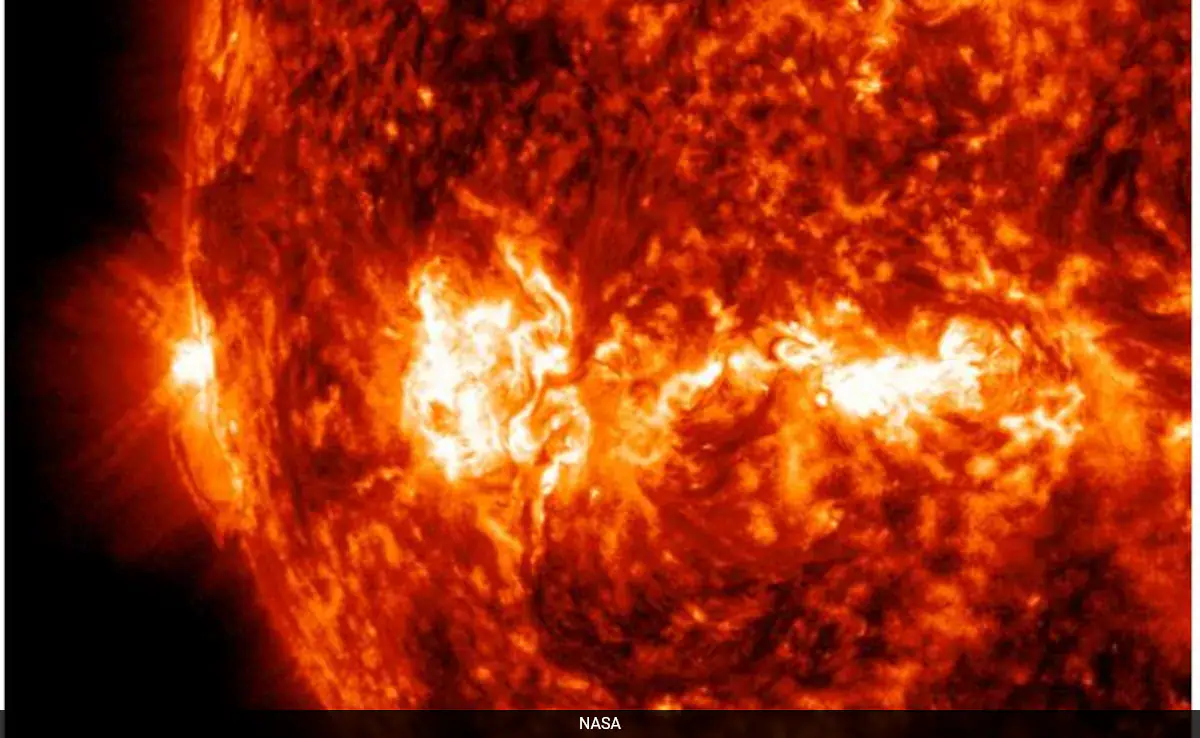
Intense Solar Flare Causes Radio Blackout and Spectacular Eruption

Originally Published 1 year ago — by Newsweek

Featured image for Intense Solar Flare Causes Radio Blackout and Spectacular Eruption
Source: Newsweek

A powerful X-class solar flare from sunspot AR3590 caused radio blackouts over the U.S. West Coast and the Pacific Ocean. Solar flares are sudden bursts of radiation from the sun's surface, and X-class flares are the most powerful. These flares can disrupt radio communication and navigation systems on Earth, and also pose risks to satellite activity and air travel. While the chances of a severe Carrington Event-level flare hitting Earth are low, the impact could be significant due to our reliance on technology.