stargazing56.96 min read
Crimson Moon Across Continents: Stunning Global Photos of the 2026 Total Lunar Eclipse
1 day ago•Source: Space

The latest stargazing stories, summarized by AI
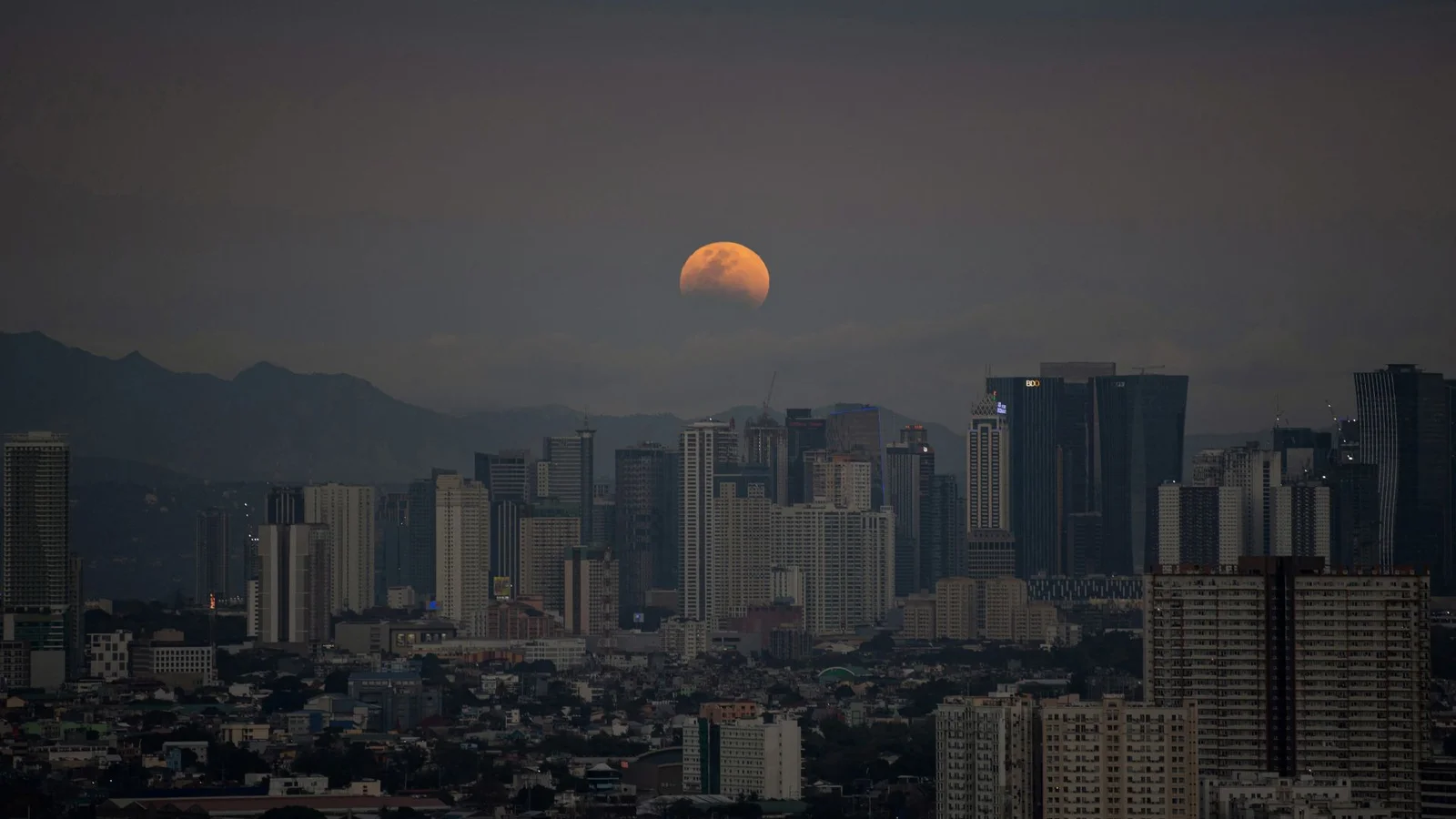
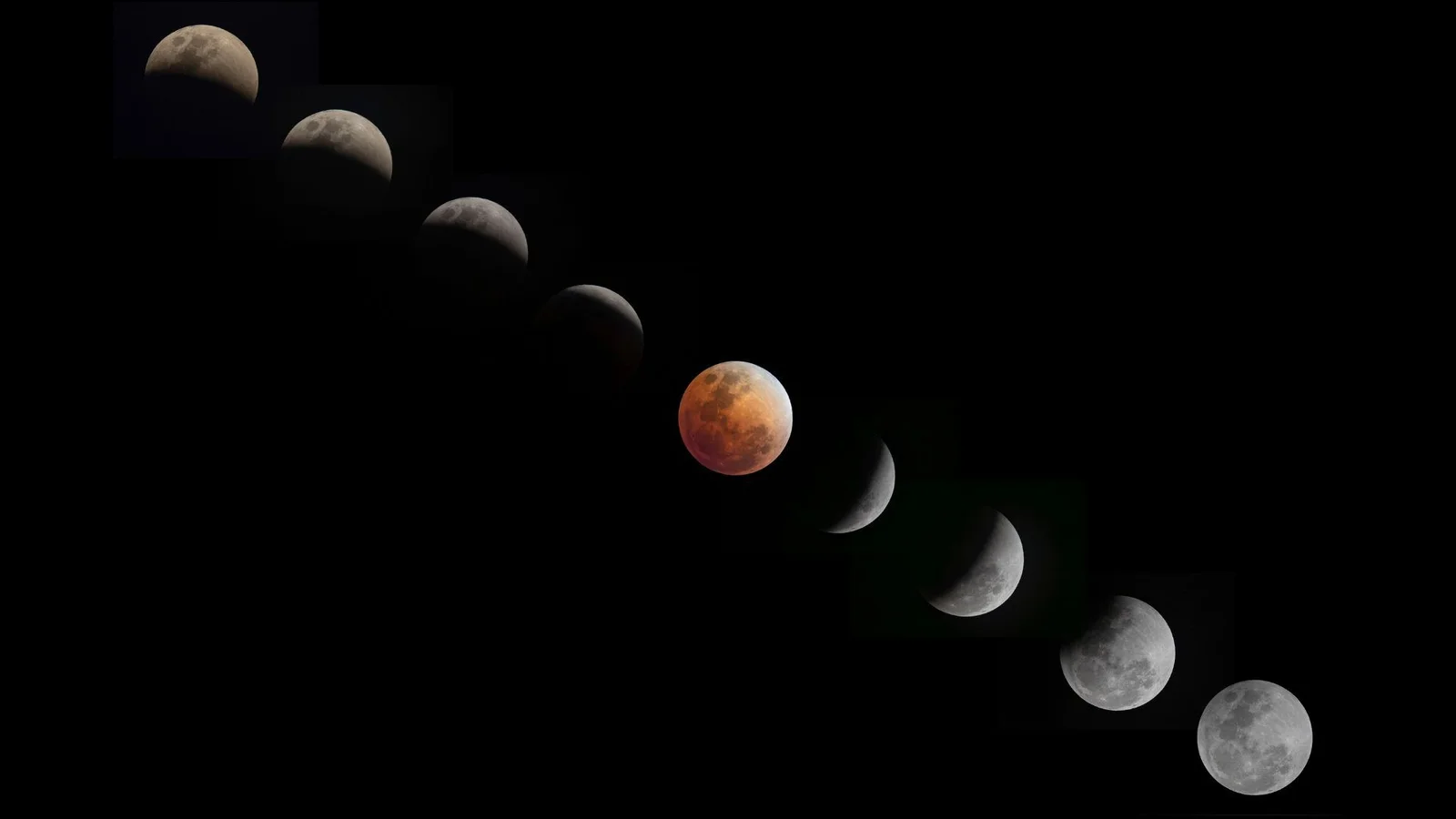
Space.com reports that the March 3, 2026 total lunar eclipse produced dramatic blood-moon visuals with totality ending but partial phases continuing, as photographers across North America, Oceania, and the Philippines captured stunning images. The article notes the Worm Moon name for March, encourages readers to follow the live blog and streams for real-time milestones, and reminds that this is the last total lunar eclipse visible over North America until 2028.
Tonight features a first-quarter Moon that appears larger and brighter because it’s at perigee, climbing high in the southern sky after dark and casting long shadows along crater rims—making it an excellent night for moon-watching and general stargazing during late winter.
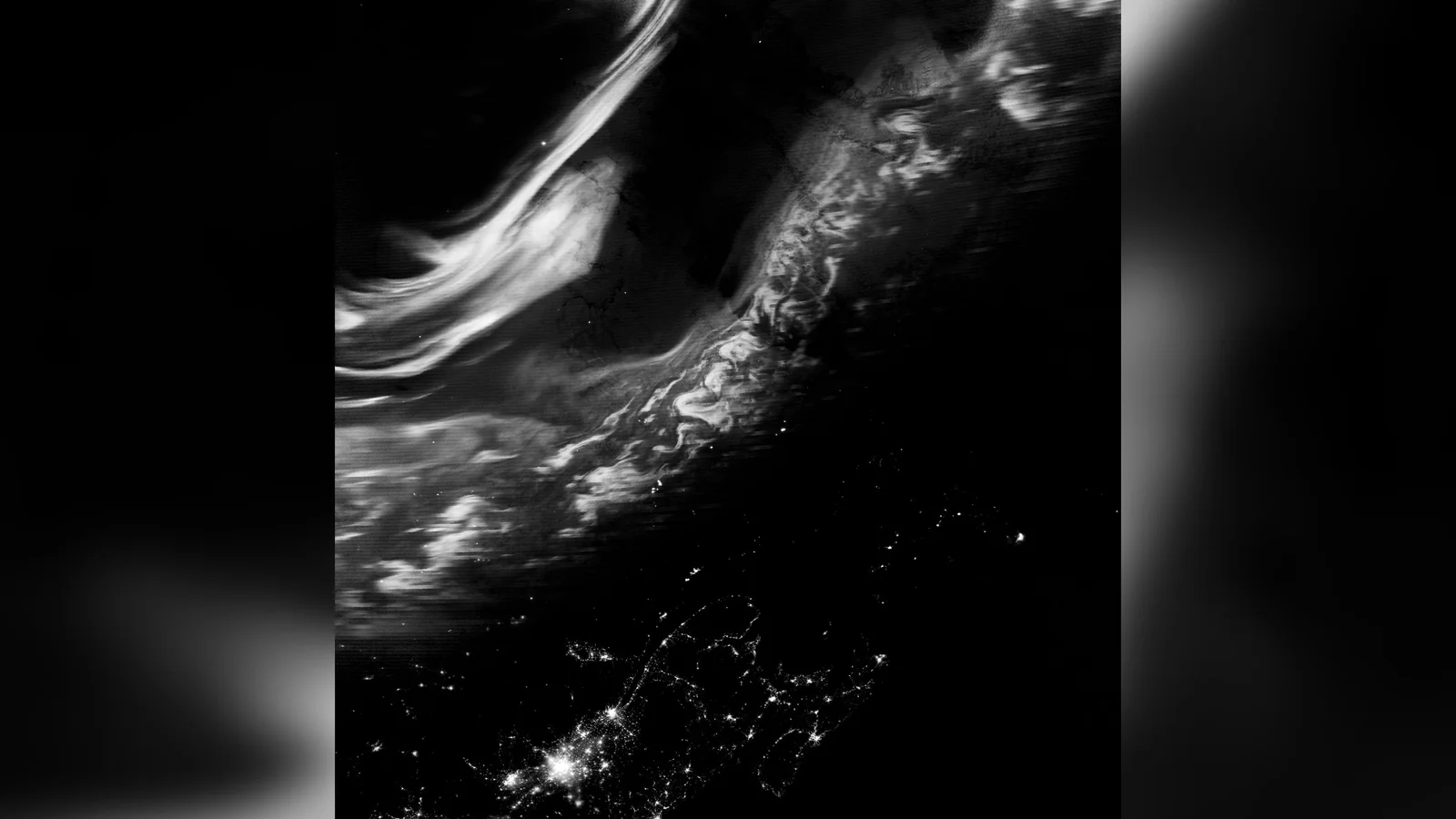
A NASA/NOAA VIIRS satellite captured grayscale aurora displays over the Denmark Strait toward Iceland and across eastern Canada during a minor G1 geomagnetic storm on Feb. 16, 2026. The article explains auroras form when solar particles are channeled by Earth's magnetic field and collide with atmospheric gases, producing greens at mid-altitudes with possible magentas and reds at higher/lower altitudes; ground observers would have seen shimmering curtains under the right conditions.
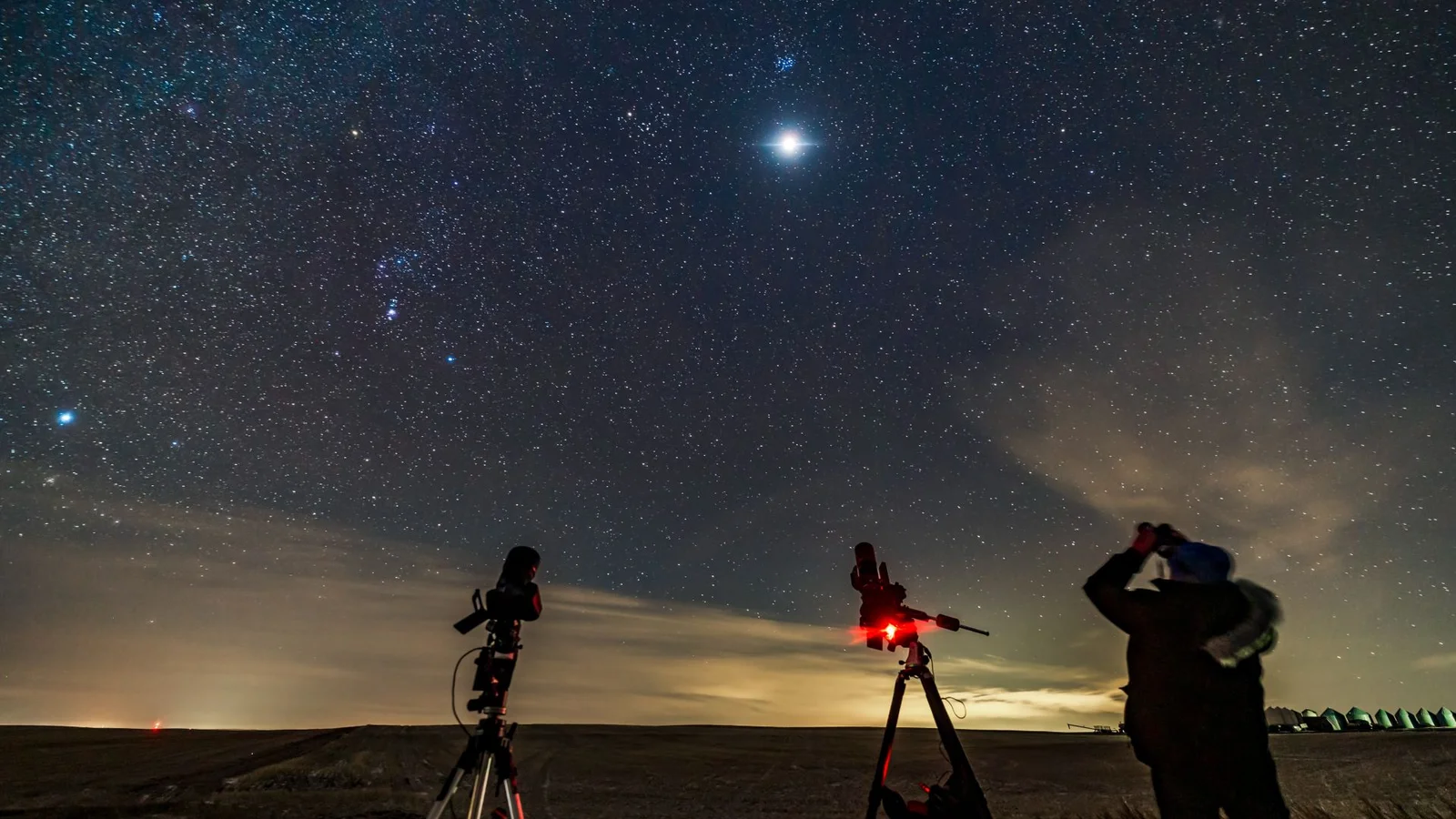
On Feb 23, the waxing gibbous Moon will glow near the Seven Sisters open star cluster (the Pleiades) in Taurus, making a striking pairing in the western sky. The Moon will sit within about 5 degrees of the cluster and can be viewing with binoculars or a small telescope; it will move past the Pleiades through the night and set a few hours after midnight for New York observers, though exact rise/set times vary by location—check Time and Date for precise timings.
A weekend sky-guide recommends dark, rural skies to spot the zodiacal light in the western sky after sunset (Feb. 13–15), notes that Jupiter is at its best for evening viewing on Feb. 15, and highlights accompanying Moon/Earthshine observations and other winter sky features for enthusiasts.
February 9 features the Heavenly G brightening the winter sky after sunset. The piece walks readers through finding the Winter Hexagon around the bright winter stars (Sirius, Procyon, Pollux, Capella, Aldebaran, Rigel) and nearby bright objects, with viewing tips and notes on the Moon and planetary appearances, all within the ongoing Night Sky This Week calendar.
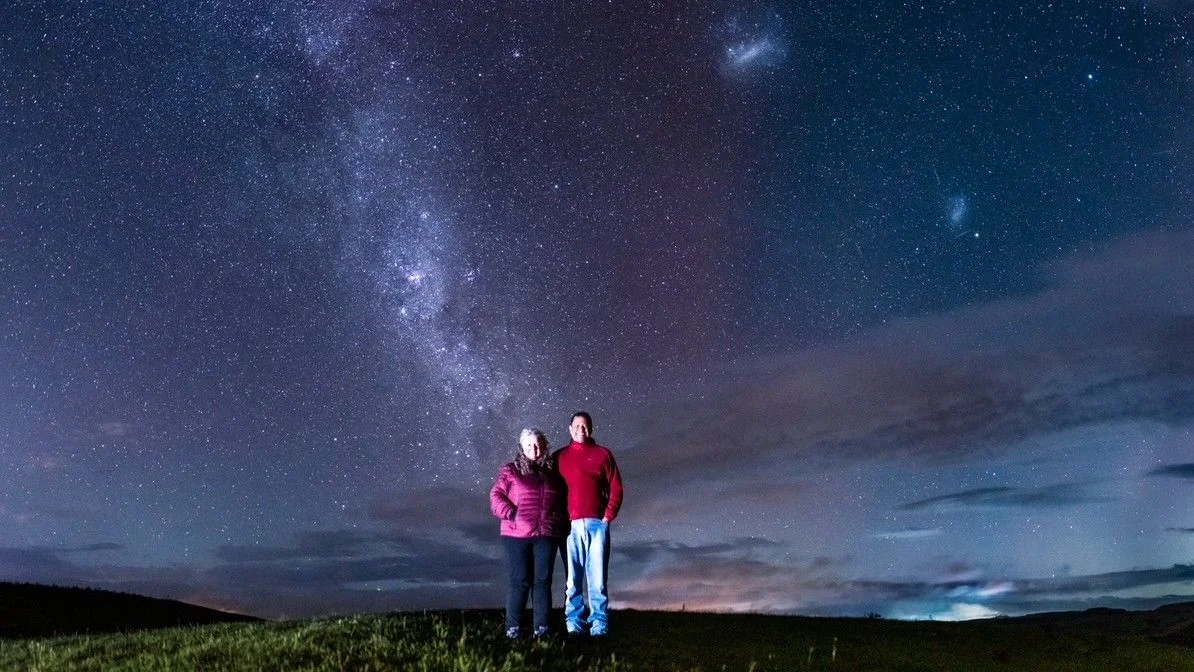
A photographer captured a rare aurora over Brazil amid a powerful geomagnetic storm, marking a rare sight of the northern lights in Brazil.
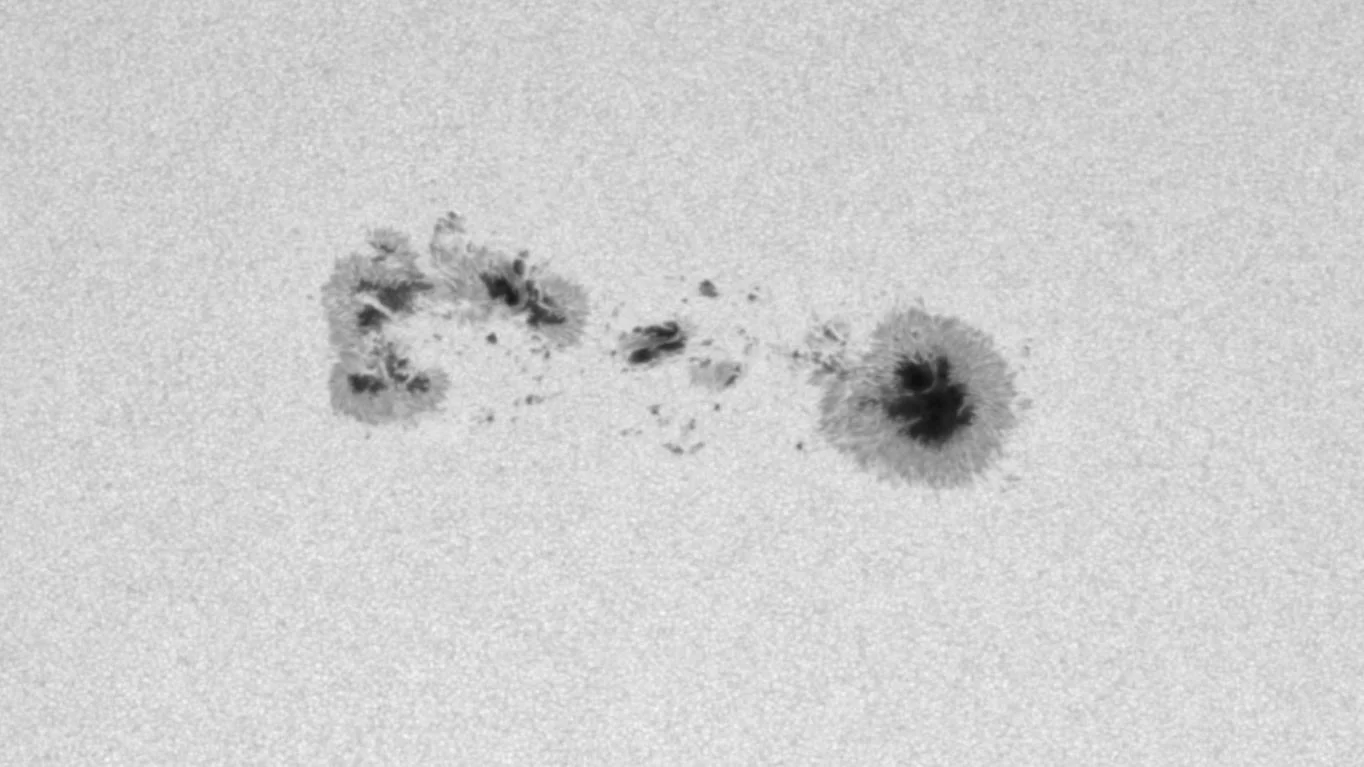
Astronomers report sunspot AR4366, about 15 times the width of Earth, is facing our planet and has already produced multiple strong M- and X-class solar flares that can disrupt radio signals. The piece explains how to view the sunspot safely with proper solar eclipse glasses or filtered optics, noting AR4366 will remain visible for several days and could spawn more flares and geomagnetic activity.
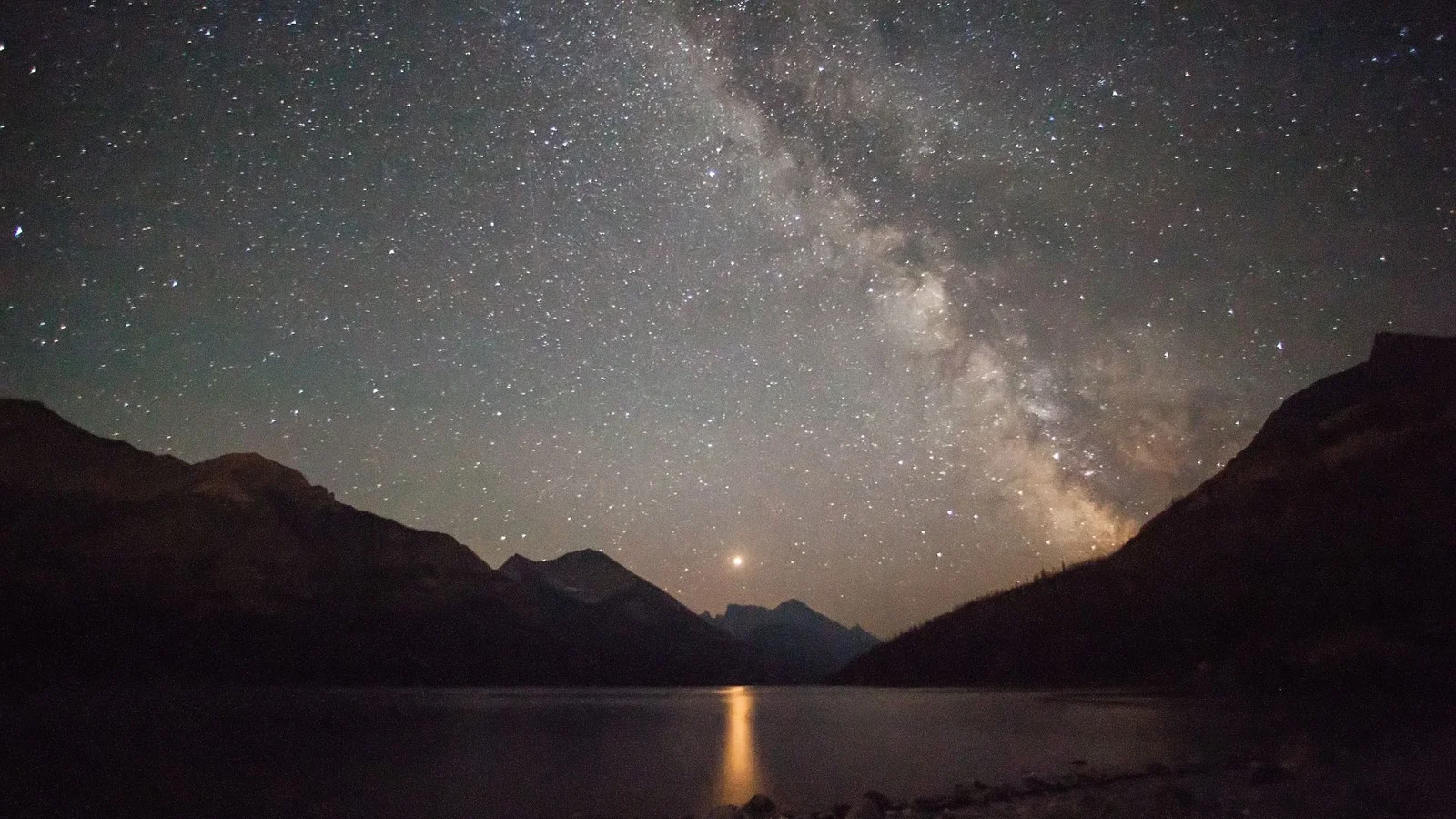
After dark on February 4, Capella—the bright star at the heart of Auriga—helps observers locate the Winter Milky Way, a hazy lane spanning Orion, Gemini, Auriga, Perseus and Cassiopeia; best seen from dark rural sites, with the Milky Way’s glow visible to the naked eye.
On Feb. 3, Jupiter anchors the evening sky after sunset, shining at magnitude -2.6 and rising high in the east-southeast in the Gemini constellation about 30 degrees above the horizon, making it the brightest object in the night sky and an excellent target for naked eye, binoculars, or telescope; the article also notes other February sky events, such as the Moon’s occultation of Regulus on Feb. 2 and various nightly sky-watching highlights.
February 2026 offers one of the year’s best planetary lineups: Jupiter shines high in the eastern sky after sunset, Mercury appears for a three‑week window low in the west‑southwest starting Feb. 6, Venus becomes more visible toward month’s end, Mars remains hidden near the Sun, and Saturn sinks lower in the sky; the piece provides viewing tips and timing, including Mercury’s Feb. 18–19 Crescent Moon pairing and its greatest elongation around Feb. 19.