Space is mostly silent due to its vacuum, but scientists use sonification to translate cosmic phenomena like black hole burps and Martian winds into sounds humans can hear, revealing a 'quiet symphony' in the universe that connects us emotionally and scientifically.
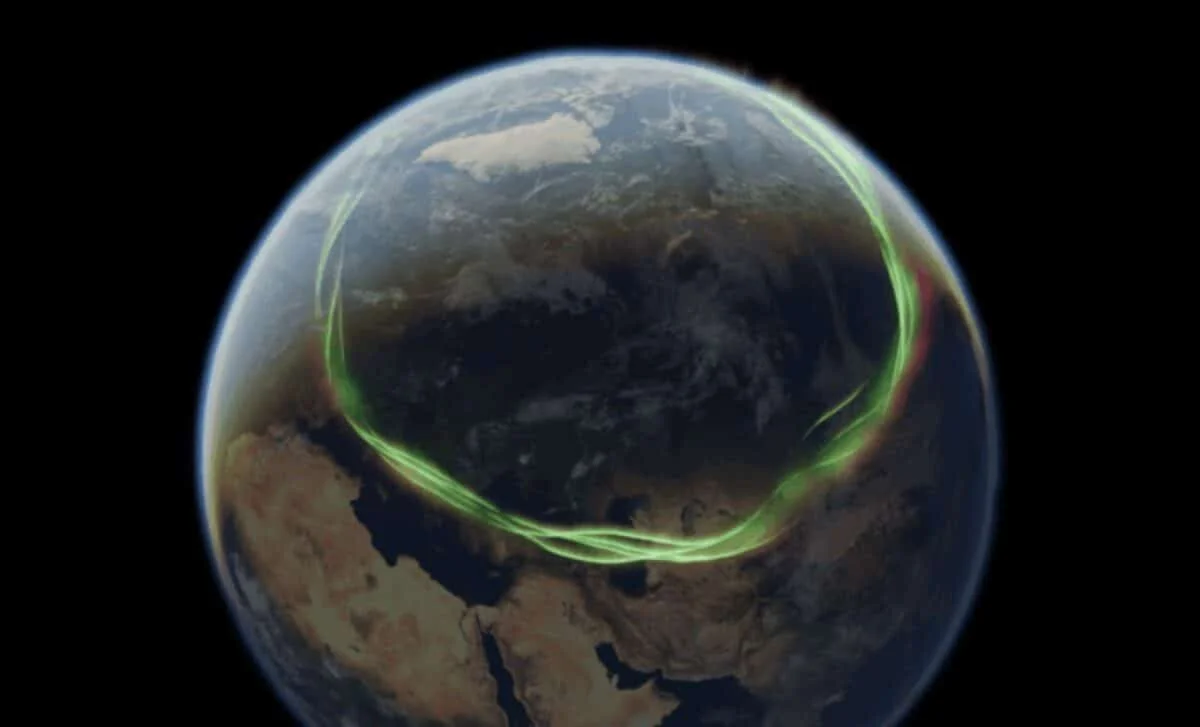

Researchers sonified an ancient magnetic pole reversal from 780,000 years ago, creating an eerie auditory representation of Earth's magnetic upheaval during the Matuyama-Brunhes event, which likely impacted early life and marked the start of the Middle Pleistocene.
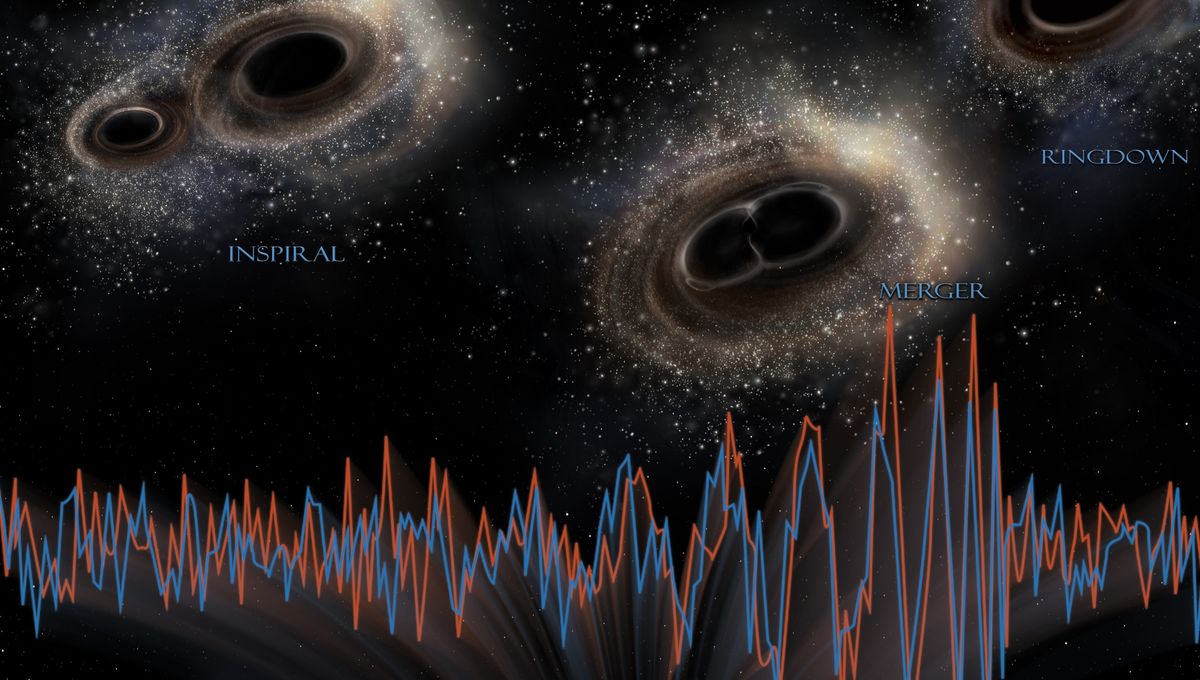
Audio Universe has developed a 3D video that sonifies gravitational wave data, allowing users to experience the sounds of space-time vibrations from different directions in the sky. This innovative approach not only aids researchers in exploring complex datasets but also makes astronomy more accessible to blind and vision-impaired individuals. The project highlights the broader potential of sonification in enhancing the understanding and emotional impact of various scientific data, including climate change visuals.
Artist Scott Kildall uses a microcontroller to capture infrared light from Joshua trees and convert it into music, creating a unique sound installation called Infrared Reflections. This project, developed during his residency at Joshua Tree National Park, highlights the interplay between art and technology, and aims to engage people with nature and ecological issues through an innovative auditory experience.
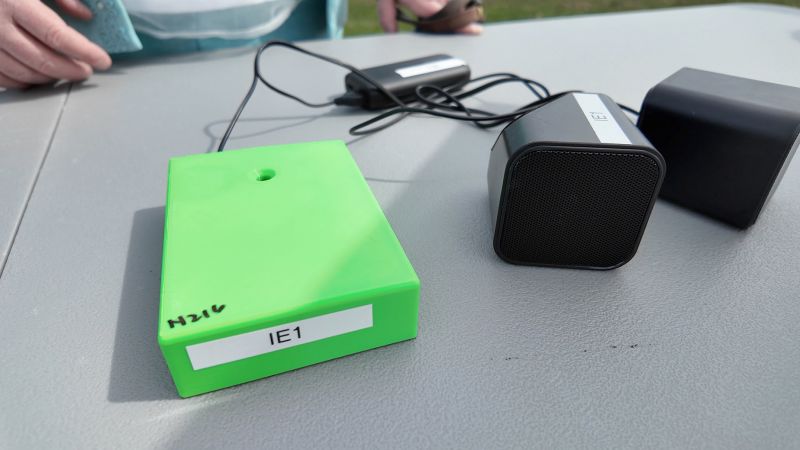
Harvard University astronomers have developed a device called LightSound that converts the intensity of light during a solar eclipse into audible tones, allowing people with blindness or low vision to experience the event. The project aims to make astronomical phenomena accessible through sonification, and the devices will be distributed at eclipse-viewing events. Additionally, the Eclipse Soundscapes app and partnerships with organizations like NASA and the National Park Service aim to provide multisensory experiences for people with disabilities during the eclipse. The team behind LightSound hopes to inspire young scientists and expand the initiative globally.
NASA has launched a project that translates cosmic discoveries into sound through a process called sonification, making the beauty of the universe accessible to the visually impaired. The project, showcased in the documentary "Listen to the Universe," accompanies new images of celestial objects observed by NASA's space telescopes. The sonifications, available on NASA's new streaming platform, offer a unique way to experience space imagery and have a broad impact on the blind and low-vision community.
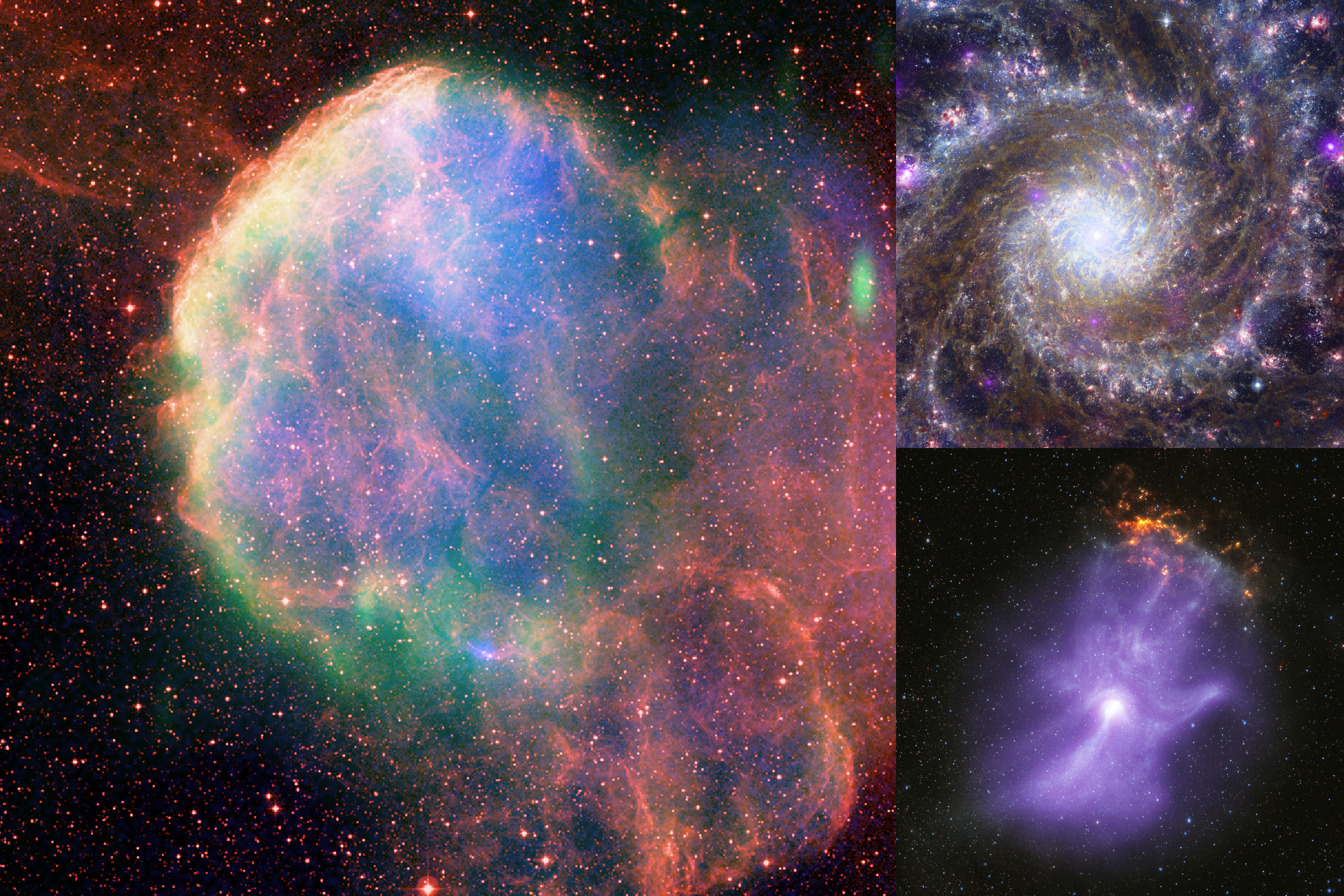
NASA has released three new sonifications of images from the Chandra X-ray Observatory and other telescopes, coinciding with the launch of a documentary called "Listen to the Universe" on the NASA+ streaming platform. Sonification translates scientific data into sounds, making space imagery accessible to the blind and visually-impaired community. The sonifications feature objects like a supernova remnant, a spiral galaxy, and the Jellyfish Nebula, and are part of a project that aims to reach wider audiences through traditional and social media. The documentary explores the creation of these sonifications and profiles the team behind the project.
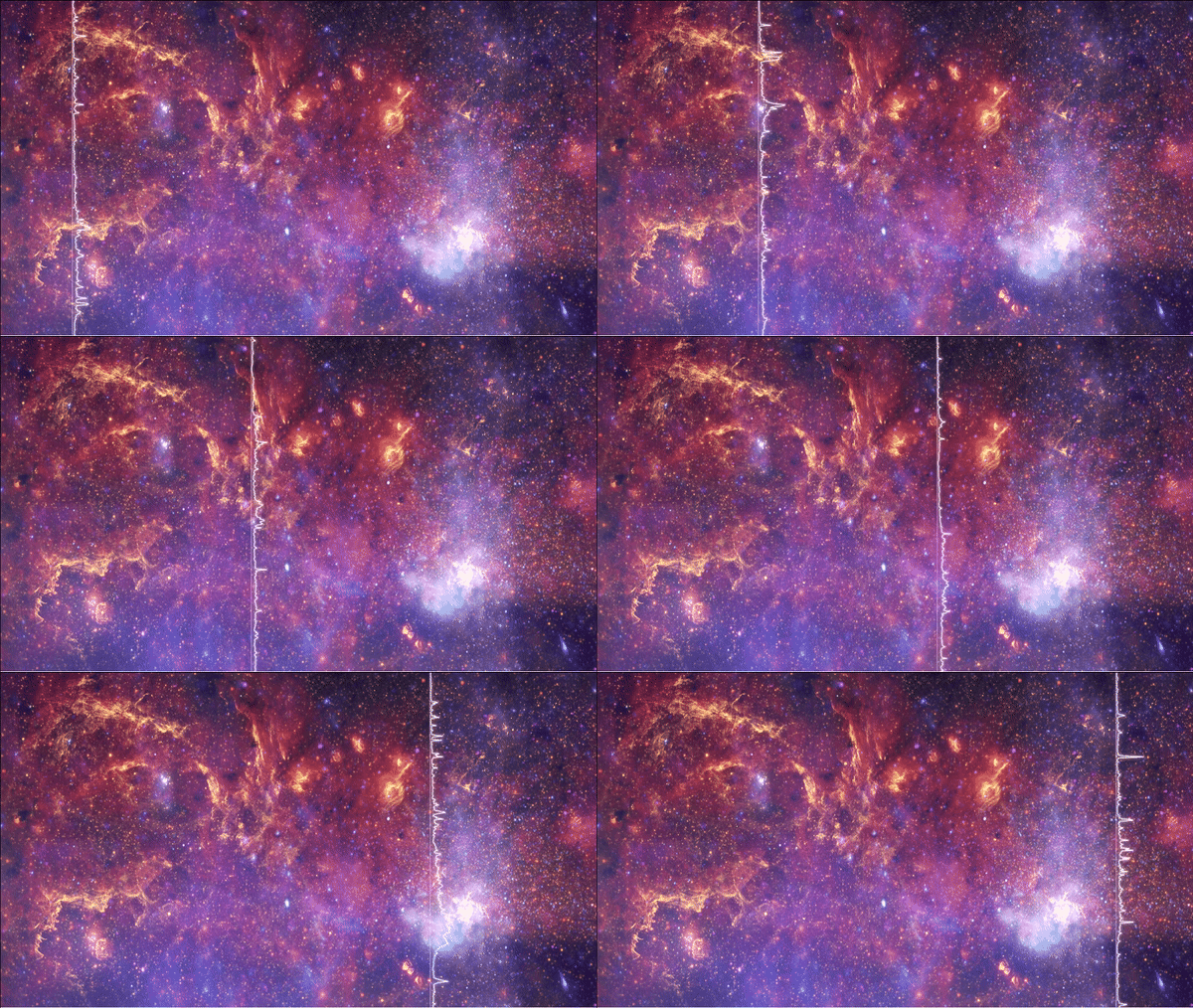
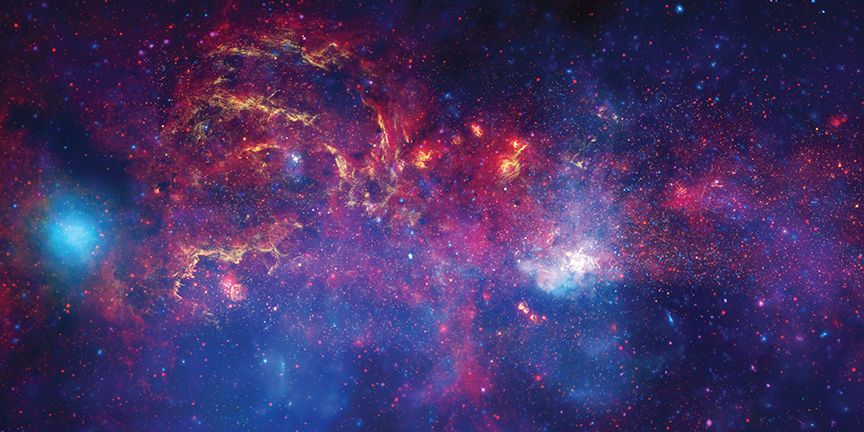
Composer Sophie Kastner has transformed data from NASA's Chandra, Hubble, and Spitzer telescopes into a symphony titled "Where Parallel Lines Converge." The composition draws from a specific image of the Galactic Center, featuring a double star system, arched filaments, and the supermassive black hole Sagittarius A*. The sonification project at NASA's Chandra X-ray center aims to translate space data into sounds, allowing visually impaired individuals to connect with the wonders of the universe. Kastner's composition provides a unique way to interact with the night sky, creating short vignettes of the data and treating it as if writing a film score.
A group of astronomers and musicians called SYSTEM Sounds is transforming data from space telescopes like the James Webb Space Telescope and the Chandra X-ray Observatory into musical sequences of sounds, making celestial images accessible to visually impaired individuals. By mapping image data at infrared and x-ray wavelengths onto sound frequencies, they create "sonifications" that offer a new way to experience cosmic phenomena. The team selects instruments to represent different wavelengths and uses musical choices to guide listeners through the image, highlighting important features and distinguishing foreground from background. The sonifications have received positive feedback and could be used for educational purposes.
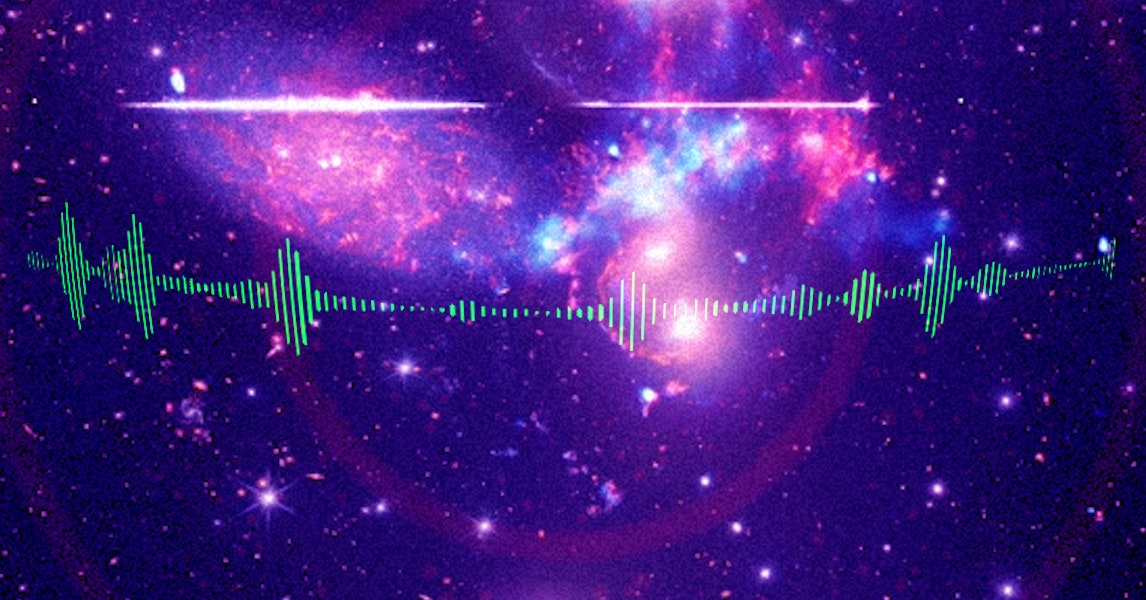
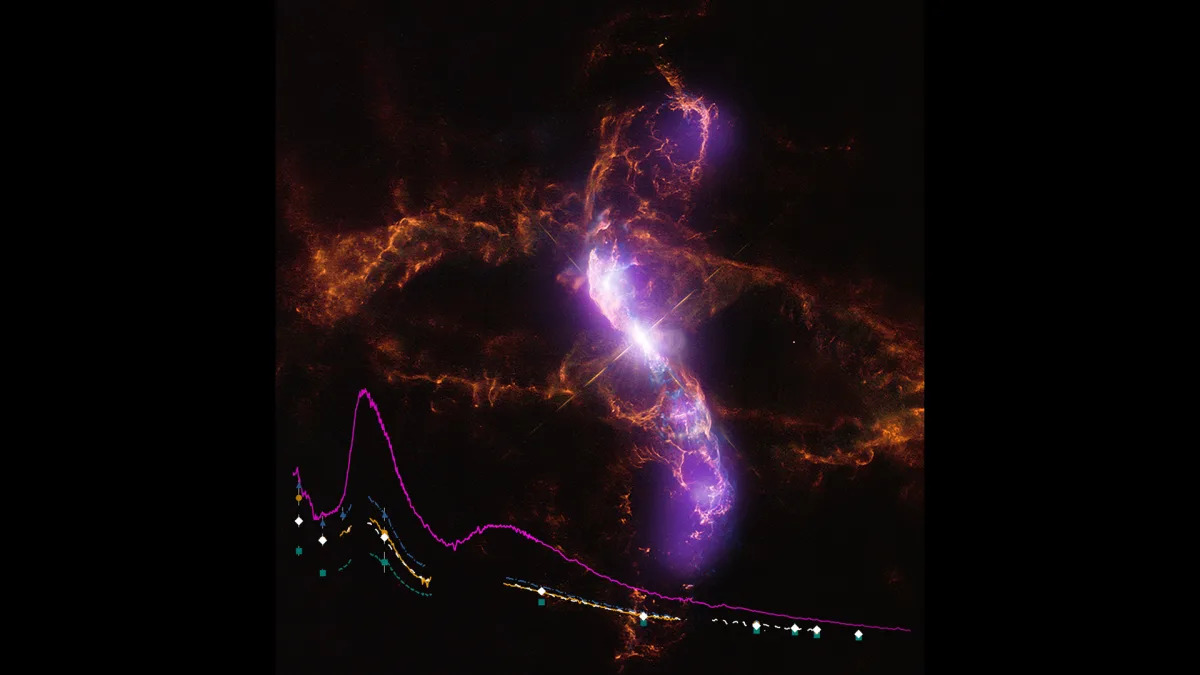
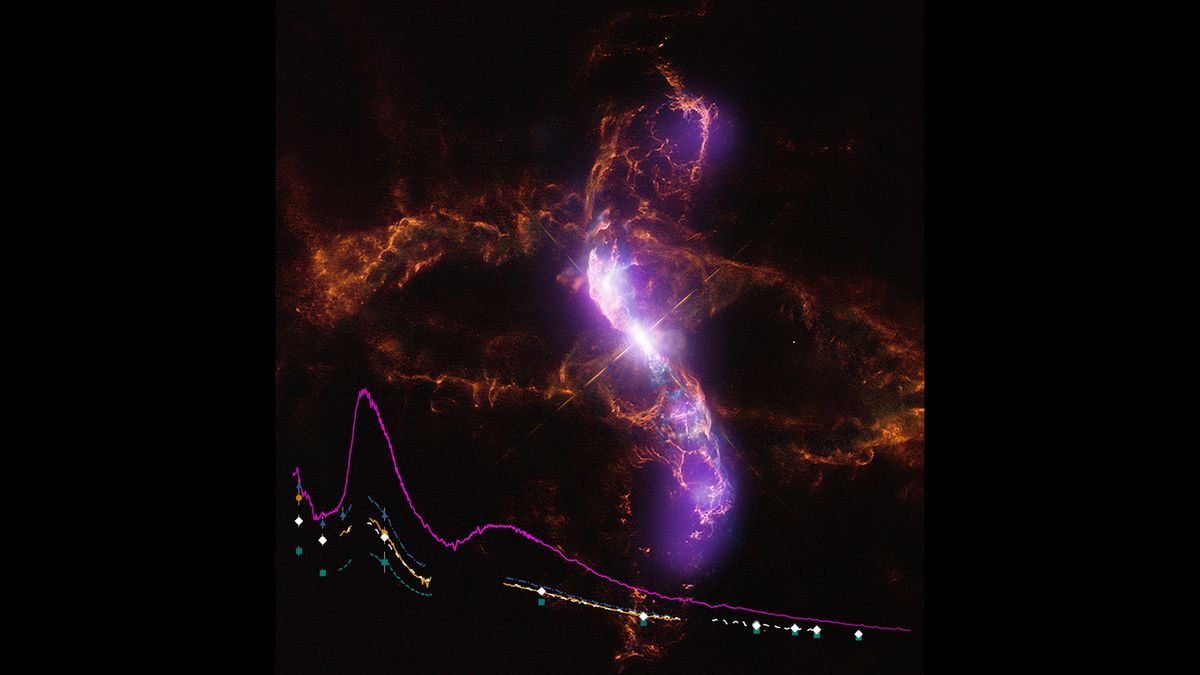
NASA has transformed telescope data into orchestral music, allowing people to hear the sounds of distant galaxies and stars in deep space. By applying software used in Hollywood films to the data, NASA has created musical tones that represent the beauty of space. In a newly released video, viewers can experience the sounds of Stephan's Quintet, a group of five galaxies, as well as the binary star system R Aquarii and the giant galaxy Messier 104. Translating data into sounds provides a different way to process information and makes the universe accessible to visually impaired individuals.
NASA has turned data from telescopes into orchestral music, allowing people to hear the sounds of galaxies and stars in deep space. The data has been "sonified" into musical tones, with each galaxy producing a unique sound. The project aims to make the beauty of the universe accessible to visually impaired space enthusiasts and to help people process information in different ways. The latest video features the five galaxies of Stephan's Quintet, while other sonifications include R Aquarii and Messier 104.
The invention of the microscope and telescope revolutionized science and philosophy by revealing hidden worlds. However, Western culture's over-reliance on vision has led to a lack of development in hearing, which is crucial for holistic perception and knowledge. Scientists are now exploring the world of sound through bioacoustics and sonification, leading to discoveries of complex communication in nonhuman species and the potential for translation through AI. These discoveries raise ethical and philosophical questions about the uniqueness of language and the political voice of nonhumans.
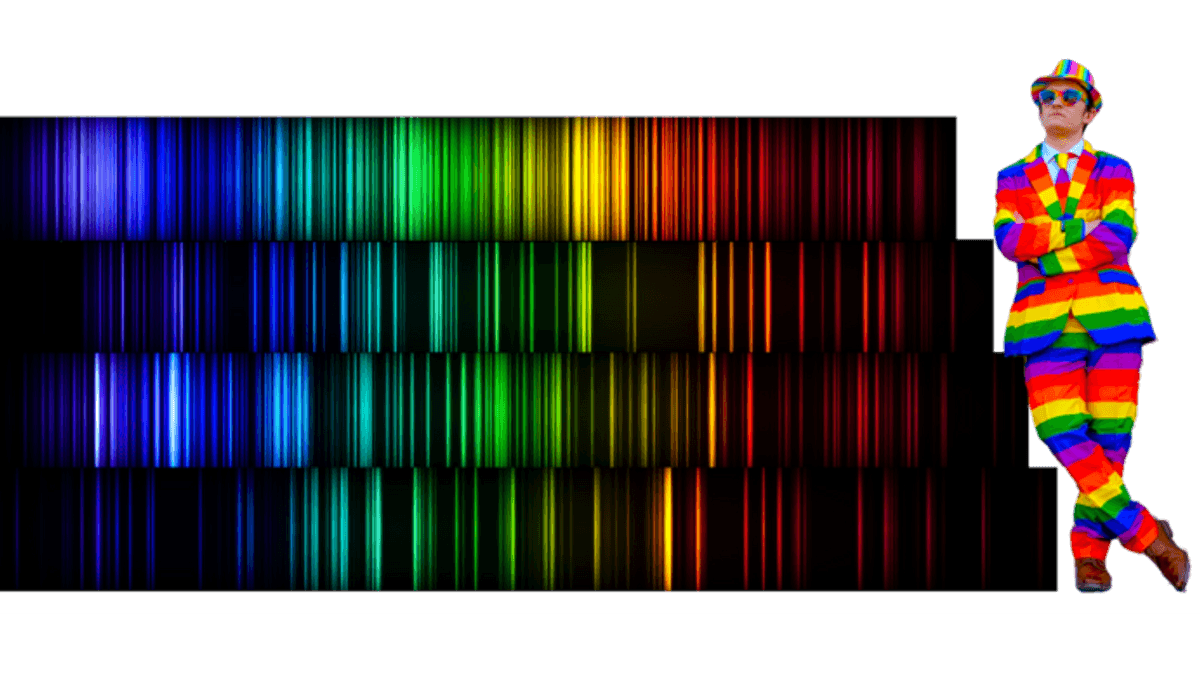
The unique radiation emitted by heated or electrified elements has been converted into sound, enabling us to hear the distinctive chord each element produces. Advances in technology have now made it possible for a far more complete and subtle sonification of the periodic table. The University of Indiana’s W. Walker Smith demonstrated the result if every element’s electromagnetic spectrum is converted to sound. Smith uses his work to teach students about emission spectra and is turning it into an exhibit at the WonderLab Museum in Bloomington, Indiana.