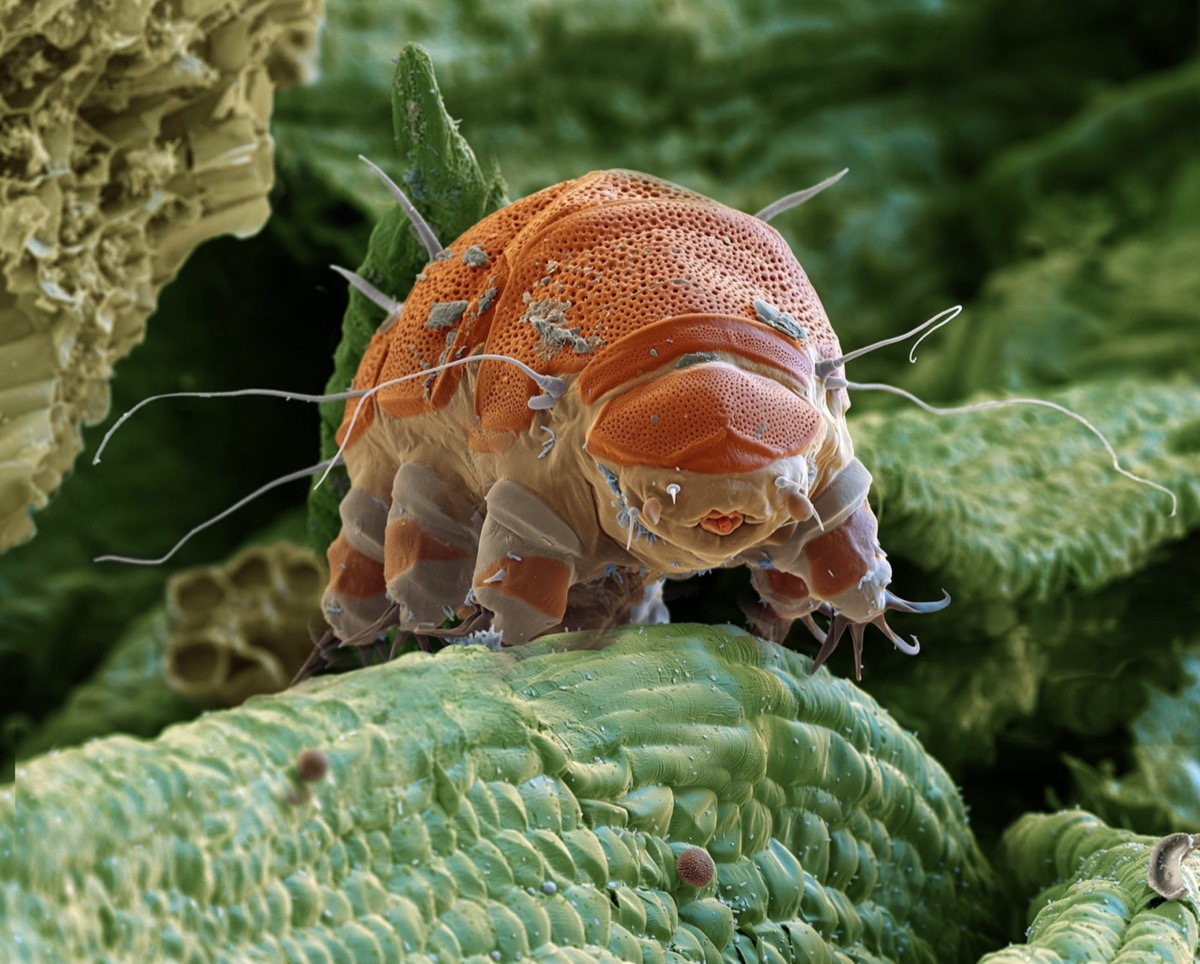
Rare Microscopic View of a Tardigrade Hatching
A rare video captures a tardigrade, or water bear, hatching from its egg inside its skin, showcasing its alien-like appearance and incredible resilience to extreme conditions, including space.

All articles tagged with #microscope
A rare video captures a tardigrade, or water bear, hatching from its egg inside its skin, showcasing its alien-like appearance and incredible resilience to extreme conditions, including space.

Scientists have developed a groundbreaking microscope capable of visualizing optical responses at a 1-nanometer resolution, enabling atomic-scale imaging of surfaces and materials, which could significantly advance nanotechnology and materials science.

Physicists at the University of Regensburg have developed a novel microscope that can manipulate the quantum state of individual electrons using atomic force microscopy. By integrating electron spin resonance into the microscope, they can detect the quantum state of single molecules, allowing for the determination of their composition and the manipulation of electron spin. This technique has potential applications in quantum computing and understanding decoherence at the atomic scale.
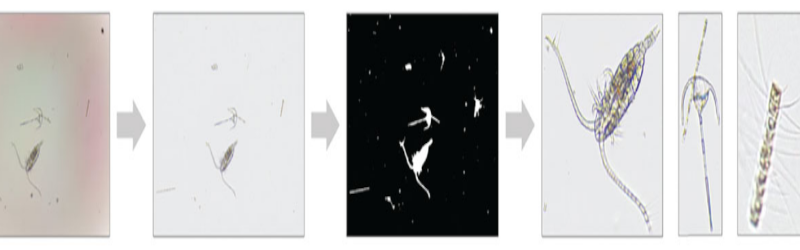
PlanktoScope is an affordable modular quantitative imaging platform for citizen oceanography that uses a software-controlled microscope with a Raspberry Pi as the computing hardware. It allows users to study and analyze plankton, tiny organisms responsible for fixing up to 50% of the world's carbon dioxide and serving as the base of many important food chains. The device can handle samples flowing through, capturing images with a high-resolution image sensor and a field of view of 2,300 microns wide by 1,730 microns high.

Repair site iFixit has conducted a detailed teardown of the standard iPhone 15, examining various components under a microscope. The examination reveals a closer look at the casing, adhesive, display, and individual pixels. While the iPhone 15 is similar to its predecessor, it features a larger 48-megapixel camera that performs slightly worse in low lighting conditions compared to the iPhone 15 Pro Max. iFixit's teardown provides an interesting insight into the inner workings of the device.
Scientists have developed a unique microscope called the ExA-SPIM, originally designed for defect detection in electronics manufacturing, that can capture high-resolution images of the brain. This microscope could provide unprecedented details and advance our understanding of the brain's structures and functions, benefiting neuroscience research and tissue analysis.
The invention of the microscope and telescope revolutionized science and philosophy by revealing hidden worlds. However, Western culture's over-reliance on vision has led to a lack of development in hearing, which is crucial for holistic perception and knowledge. Scientists are now exploring the world of sound through bioacoustics and sonification, leading to discoveries of complex communication in nonhuman species and the potential for translation through AI. These discoveries raise ethical and philosophical questions about the uniqueness of language and the political voice of nonhumans.
The reductionist impulse that has been animating science from Robert Hooke in the 17th century to Stephen Hawking in the 21st is based on a faulty philosophy, not science. The idea that reality is reducible to its most fundamental parts still animates much of science, particularly physics and philosophy. The microscopic realm, once thought of as the bottom-most later of reality, has been replaced by the quantum realm; and the quantum does not succumb to human observation. Perhaps it is time to give up on the idea that reality can be reduced down to either a microscopic or a quantum world.
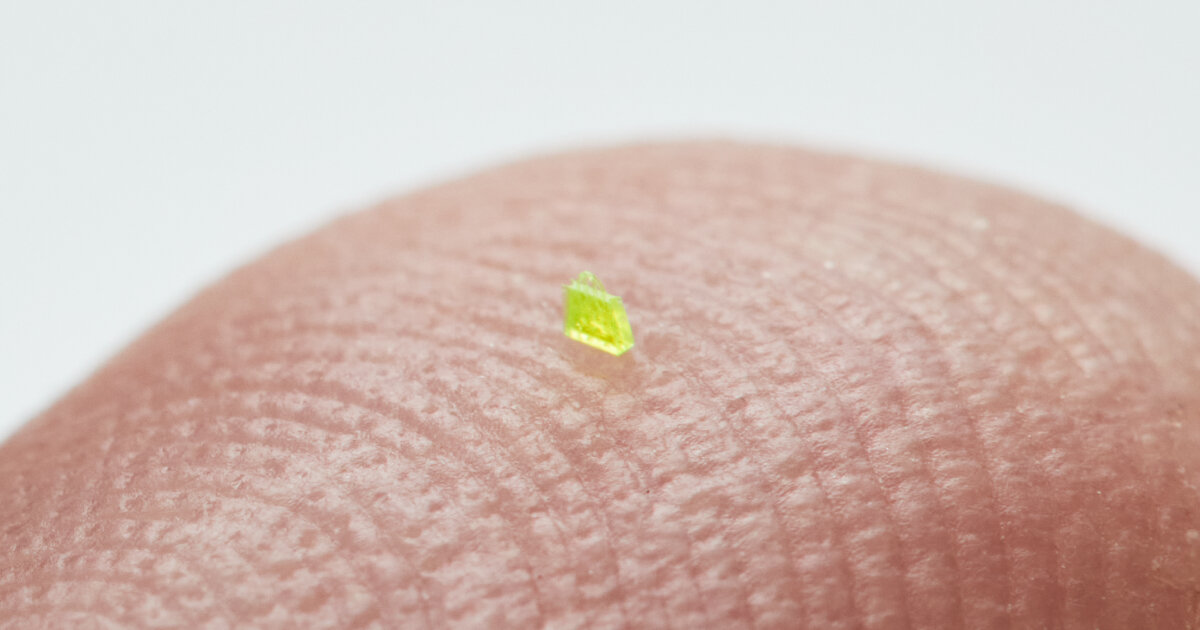
MSCHF has created an ultra-tiny Louis Vuitton handbag that is so small it requires a microscope to see its details. The miniature bag is a playful take on luxury fashion and is part of MSCHF's ongoing series of unique and unconventional products.

A video of a strawberry under a microscope has revealed the presence of small mites crawling on it, which are likely species of small mites that live on strawberries and their plants. While some larger insects lay their eggs inside strawberries, there is no evidence suggesting that these mites are damaging to human health.
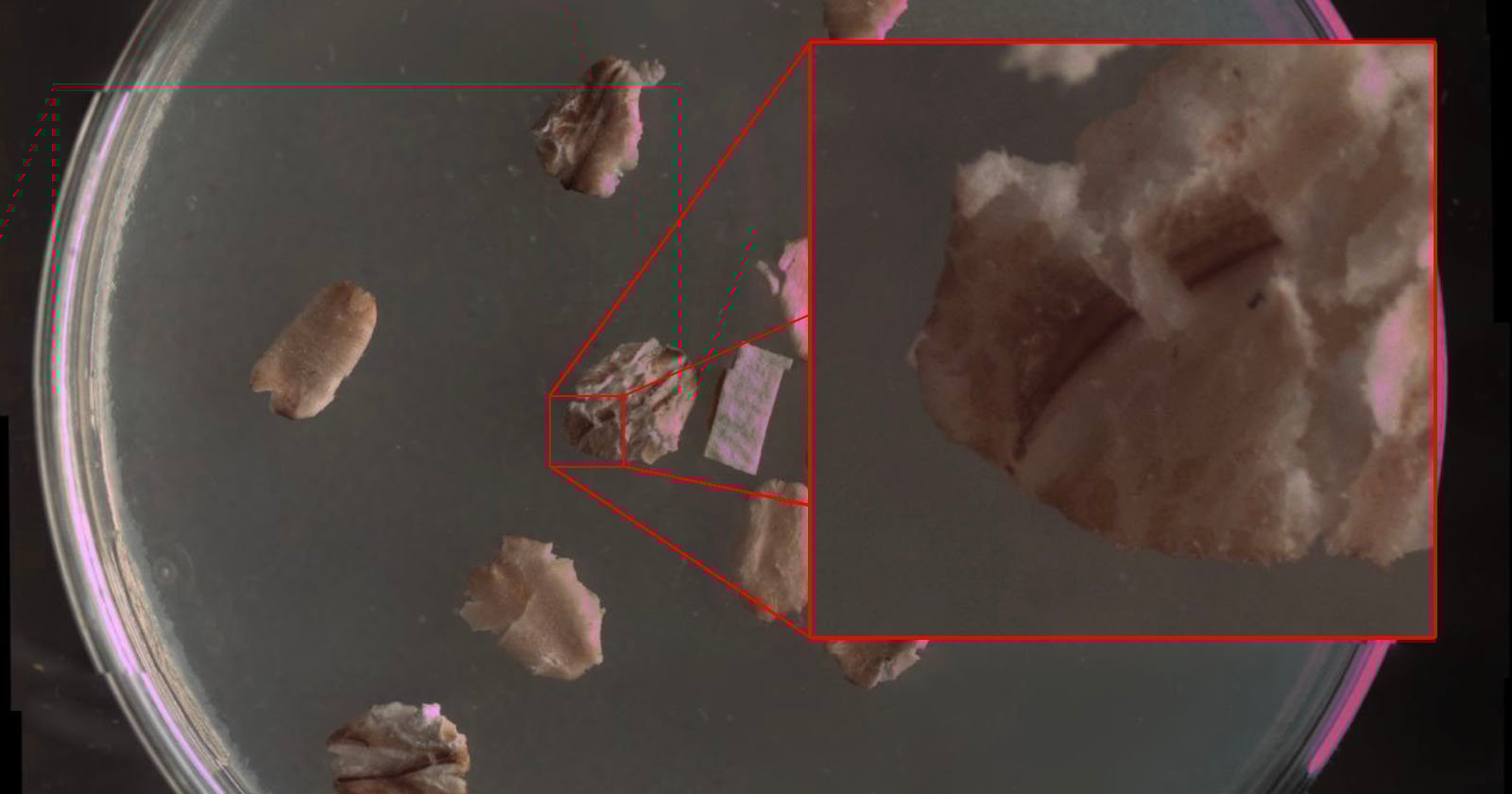
Researchers at Duke University have developed a Multi-Camera Array Microscope (MCAM) that can capture gigapixel-scale images of extremely small subjects, providing an unprecedented view of life. The MCAM is a group of miniaturized digital microscopes that acquire synchronized images and video in parallel, which are fused together using algorithms to create a final gigapixel-scale composite. The technology is being developed further by startup Ramona Optics, and the group has published their research on gigapixel imaging at a microscopic level in a research paper.

A new microscope called Multi Camera Array Microscope (MCAM) can provide researchers with 3D views of their experiments by stitching together videos from dozens of smaller cameras. The device can record 3D movies of the behavior of dozens of freely swimming zebrafish or the grooming activity of fruit flies at near cellular-level detail across a very wide field of view. The highly parallelized design of the MCAM creates its own data processing challenges, as a few minutes’ worth of recording can produce over a terabyte of data. The researchers have developed new algorithms that can efficiently handle these extremely large video datasets.
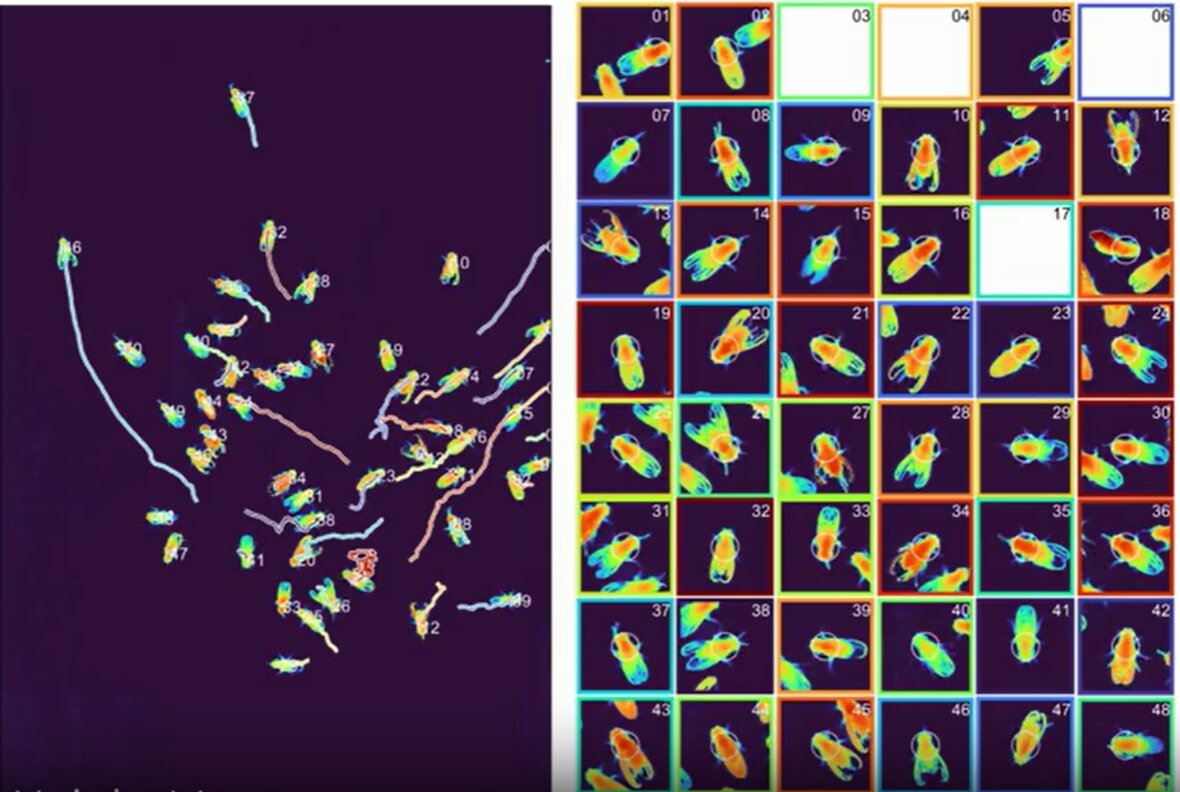
Researchers at Duke University have developed a high-speed, 3D, gigapixel microscope called a Multi Camera Array Microscope (MCAM) that stitches together videos from dozens of smaller cameras to provide 3D views of experiments. The MCAM can record 3D movies of the behavior of dozens of freely swimming zebrafish or the grooming activity of fruit flies at near cellular-level detail across a very wide field of view. The highly parallelized design of the MCAM creates its own data processing challenges, but the researchers have developed new algorithms that can efficiently handle these extremely large video datasets.