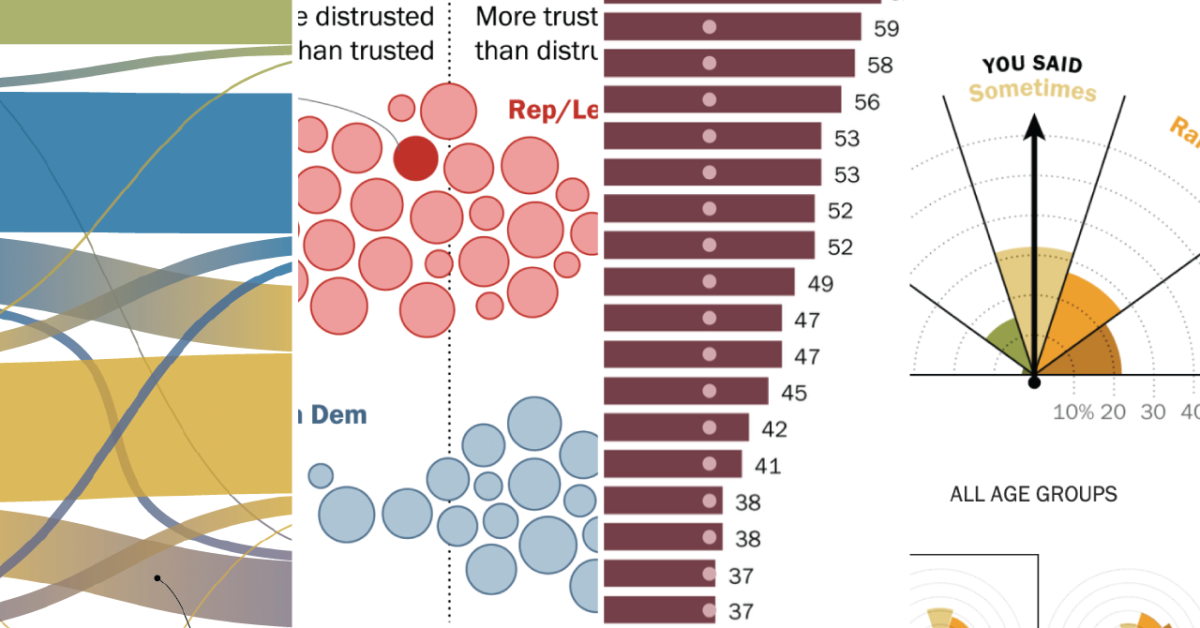
Pew Research Center's 2025 data visualizations showcase innovative techniques like alluvial diagrams, annotated charts, and nature-inspired visuals to effectively communicate research findings on topics such as political shifts, social norms, and global demographics, emphasizing clarity, engagement, and storytelling across digital platforms.
Scientists at the University of Duisburg-Essen have developed Datavzrd, an open-source, user-friendly tool that transforms complex datasets into interactive, easy-to-understand HTML reports without requiring programming skills, making data analysis more accessible across various scientific disciplines.
Data scientist Antoine Mayerowitz applies the Pareto front, a principle from 19th-century economist Vilfredo Pareto, to determine the best character, vehicle, and wheels combinations in Mario Kart 8. By narrowing down the 703,560 possible decisions to 25,704, Mayerowitz plots the potential builds on a chart, revealing the most optimal choices based on speed and acceleration. The best build for prioritizing speed and acceleration is Peach on the Teddy Buggy with roller tires and the Cloud Glider.
Mona Chalabi, known for her award-winning data visualizations, discusses her work on Palestine, emphasizing the importance of accuracy and adding to the conversation. She addresses the challenges of posting about Palestine on social media, the poetic nature of her work, and the need to contextualize her focus on Palestine within her broader work on marginalization. Chalabi also reflects on the biases and challenges she faces when covering this topic, expressing her commitment to continuing to shed light on marginalized issues.
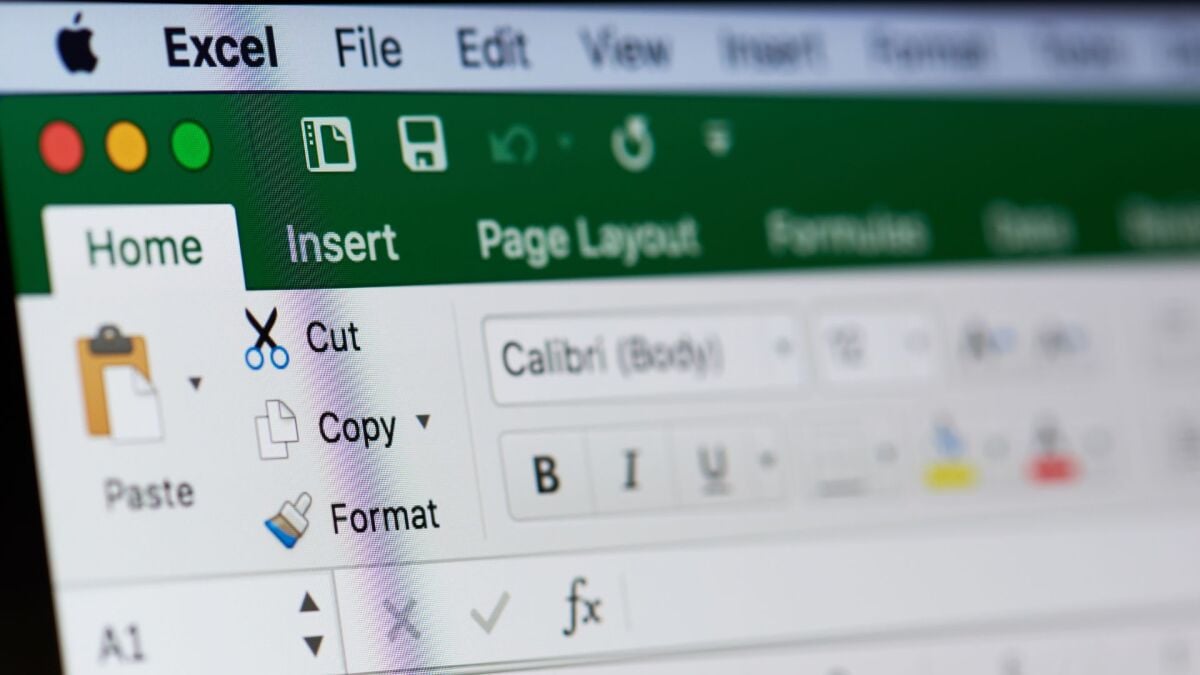
Microsoft Excel has a hidden Camera tool that allows users to take dynamic snapshots of data and paste them as linked images within the workbook, enabling automatic updates when the underlying data changes. The tool is not enabled by default but can be added to the Quick Access Toolbar through Excel Options. Once added, users can easily capture and paste data or charts as linked images, making tasks such as creating dynamic dashboards, managing large datasets, and creating micro-charts more efficient.
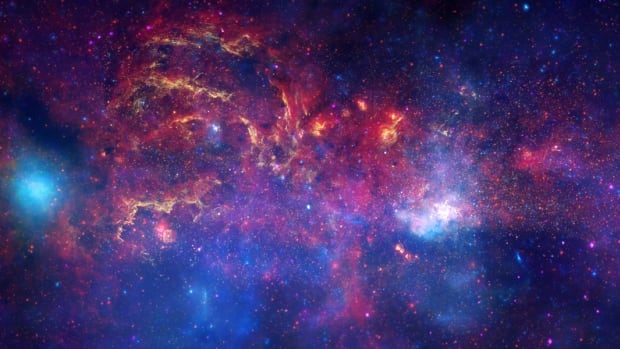
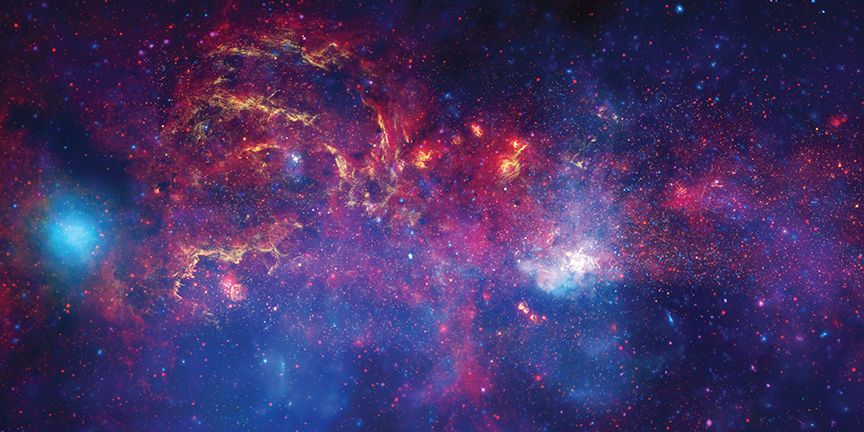
Montreal composer Sophie Kastner has collaborated with NASA to create a piece of music using data from the Hubble, Chandra, and Spitzer telescopes. The music, titled "Where Parallel Lines Converge," is inspired by an image of the center of the Milky Way and aims to convey the movement and mystery of deep space. Kastner worked with scientist Kimberly Arcand to translate the data into sound, allowing listeners to experience the wonders of the cosmos through music. The project highlights the connection between science and art, showing how data visualization can be used to create beautiful and meaningful compositions.
Data analysis and visualization can be a creative and artistic process, bridging the gap between science and art. Artists and scientists alike use data to tell stories, evoke emotions, and invite questions. Choosing the right visualization for the data is crucial, as different visualizations can convey different insights. The process of curating and analyzing data is itself a creative endeavor. However, translating data into artistic mediums raises questions about the trustworthiness and nature of data. The intersection of art and science allows for a deeper understanding of the complex world around us.
Originally Published 2 years ago — by Science@NASA
NASA has collaborated with Google Arts & Culture and artist Yiyun Kang to create an interactive digital experience called "A Passage of Water," which uses data from NASA's GRACE and SWOT missions to illustrate the impact of climate change on Earth's water cycle. The project will be released online ahead of the United Nations' Climate Change Conference of Parties (COP 28) and will also have a physical installation at the conference. This collaboration is part of NASA's efforts to share its Earth science data with the public and inform decision-makers on climate change mitigation and adaptation.
Composer Sophie Kastner has transformed data from NASA's Chandra, Hubble, and Spitzer telescopes into a symphony titled "Where Parallel Lines Converge." The composition draws from a specific image of the Galactic Center, featuring a double star system, arched filaments, and the supermassive black hole Sagittarius A*. The sonification project at NASA's Chandra X-ray center aims to translate space data into sounds, allowing visually impaired individuals to connect with the wonders of the universe. Kastner's composition provides a unique way to interact with the night sky, creating short vignettes of the data and treating it as if writing a film score.
Google has released an update to its AI-powered platform, Bard, which includes new math and data visualization features. The expansion aims to provide a safer and more enriching educational experience for English-speaking teenagers. Bard now offers step-by-step guidance for solving math problems and the ability to create informative charts from user-generated data. Common Sense Media has introduced an AI ratings system, with Bard receiving three stars for its creative applications but also raising concerns about potential biases and misinformation. Marketers are reminded to align AI-generated content with ethical practices when targeting younger users.
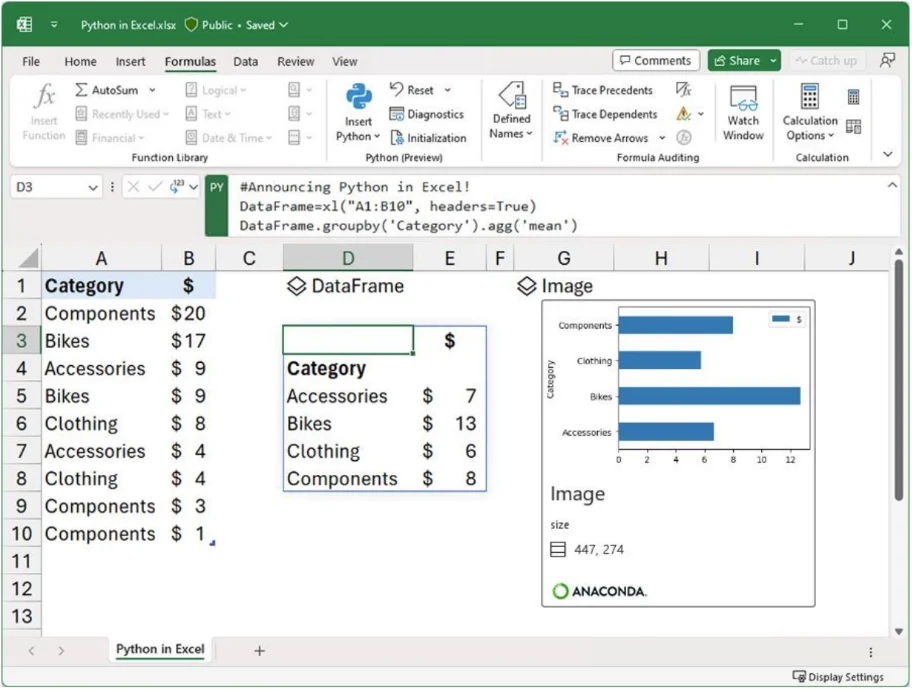
Microsoft has announced the Public Preview of Python in Excel, allowing users to integrate Python and Excel analytics within the same Excel grid. The collaboration with Anaconda Distribution for Python running in Azure enables the use of popular Python libraries such as pandas, statsmodels, Matplotlib, and seaborn. While in Preview, Python in Excel will be included with Microsoft 365 subscriptions, but some functionality will require a paid license after the Preview. Python creator Guido van Rossum expressed excitement about the integration, highlighting the potential for interesting new uses and praising the Excel team.
Microsoft has announced the public preview of Python in Excel, allowing advanced spreadsheet users to combine Python scripts and Excel formulas in the same workbook. The feature will be available to Microsoft 365 Insiders in the Excel for Windows beta channel, with Python calculations running in the Microsoft Cloud. Microsoft partnered with Anaconda to bring popular Python libraries, including Matplotlib and seaborn, to Excel. Users can access Python directly from the Excel ribbon and easily bring external data into Python workflows using Excel's built-in connectors and Power Query.
The first image of Mars ever seen on television, broadcast in 1965, was not a photo but a "color by numbers" representation of data captured by NASA's Mariner 4 spacecraft. The hand-colored image, created by converting digital data into ones and zeros on ticker tape and coloring them based on brightness, was a way for engineers to validate the spacecraft's hardware. The image, which accurately depicted Mars' colors, became the first shot of Mars from space to be seen on TV. This historic encounter with Mars by Mariner 4 marked the beginning of a series of missions that have revolutionized our understanding of the red planet.
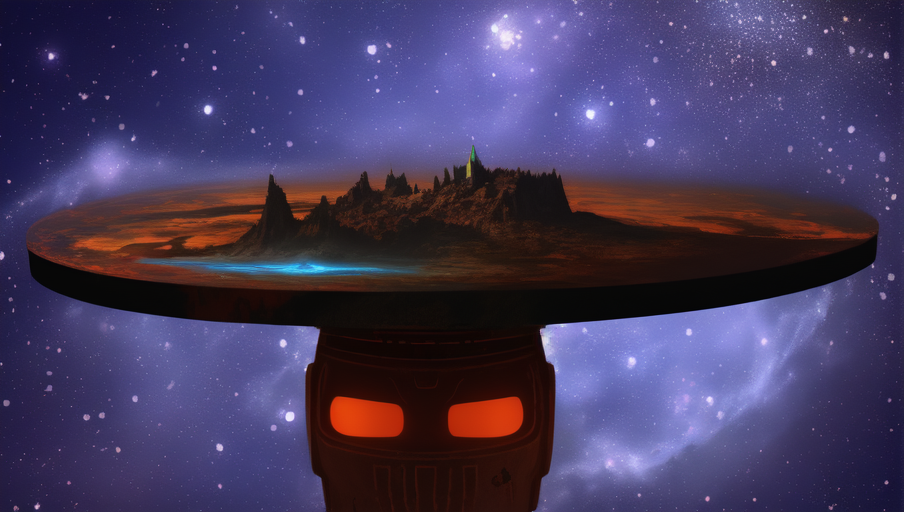
OpenAI has announced a new ChatGPT Code Interpreter plugin that can revolutionize programmer workflows by transforming data into more digestible formats and generating clean Python code. The tool has also been used to prove to flat Earthers that the Earth is round, using code-based demonstrations that show how the Earth's curvature affects the stars we see and why certain constellations are only visible from specific locations. The ChatGPT Code Interpreter opens up possibilities for efficient workflows and settling age-old debates.
A group of astronomers and musicians called SYSTEM Sounds is transforming data from space telescopes like the James Webb Space Telescope and the Chandra X-ray Observatory into musical sequences of sounds, making celestial images accessible to visually impaired individuals. By mapping image data at infrared and x-ray wavelengths onto sound frequencies, they create "sonifications" that offer a new way to experience cosmic phenomena. The team selects instruments to represent different wavelengths and uses musical choices to guide listeners through the image, highlighting important features and distinguishing foreground from background. The sonifications have received positive feedback and could be used for educational purposes.