art-and-technology1.49 min read
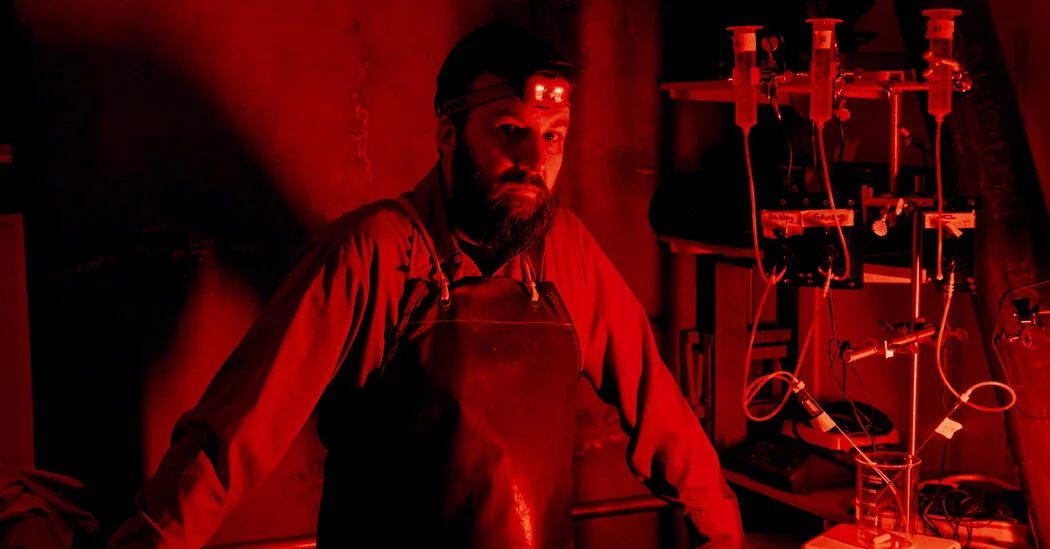
Tristan Duke's Unique Perspective Unveiled
6 months ago•Source: The New York Times

The latest art and technology stories, summarized by AI
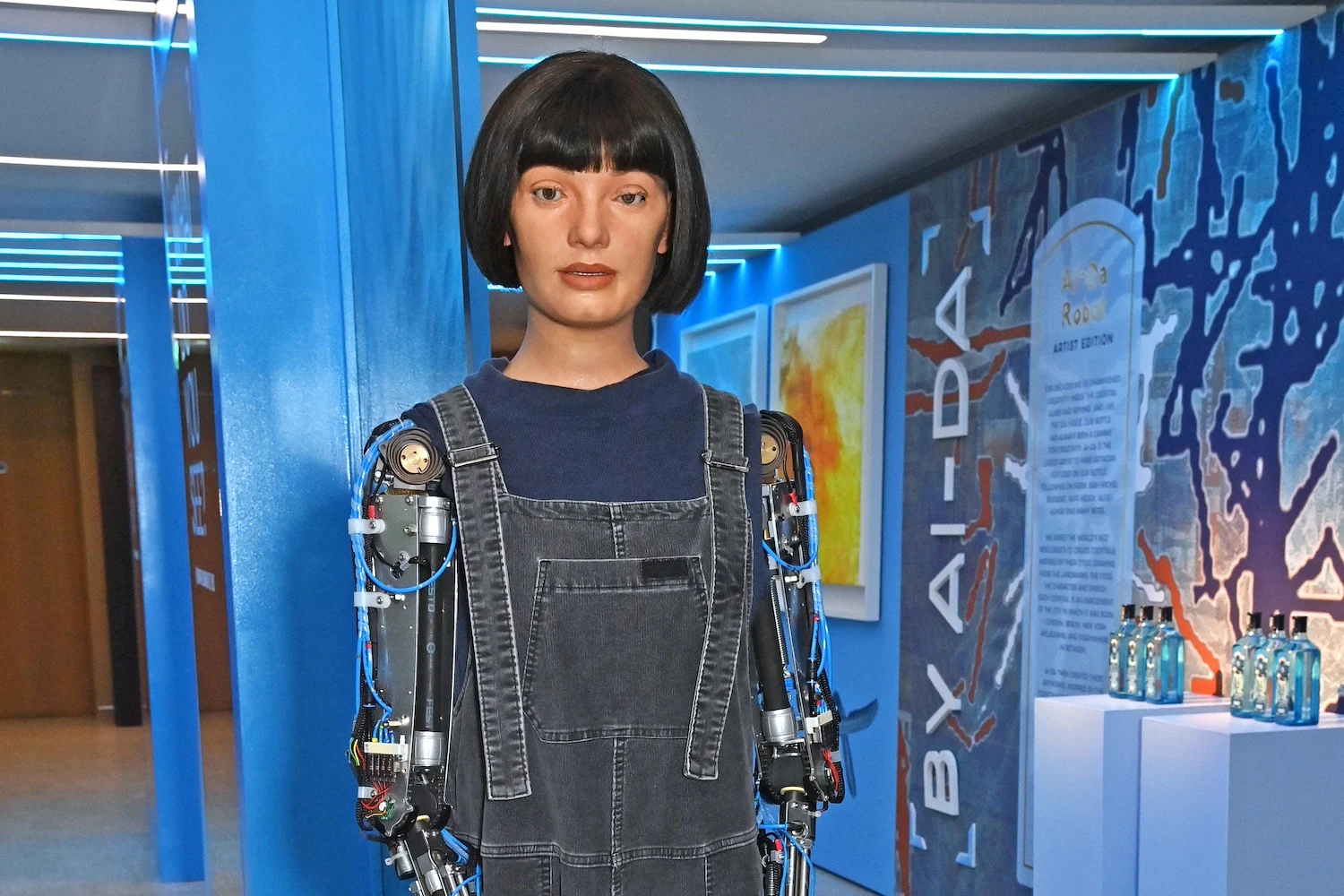
A painting created by Ai-Da, a humanoid robot artist, depicting Alan Turing, was sold for over $1 million at Sotheby's auction. Ai-Da, developed by Aidan Meller, uses cameras, AI algorithms, and a robotic arm to create art, aiming to spark discussions on technology's impact on creativity and identity. The sale highlights the growing intersection of AI and the art market, though it raises questions about the appeal and value of robot-generated art.
New York Post •1 year ago
The New York Times•1 year ago
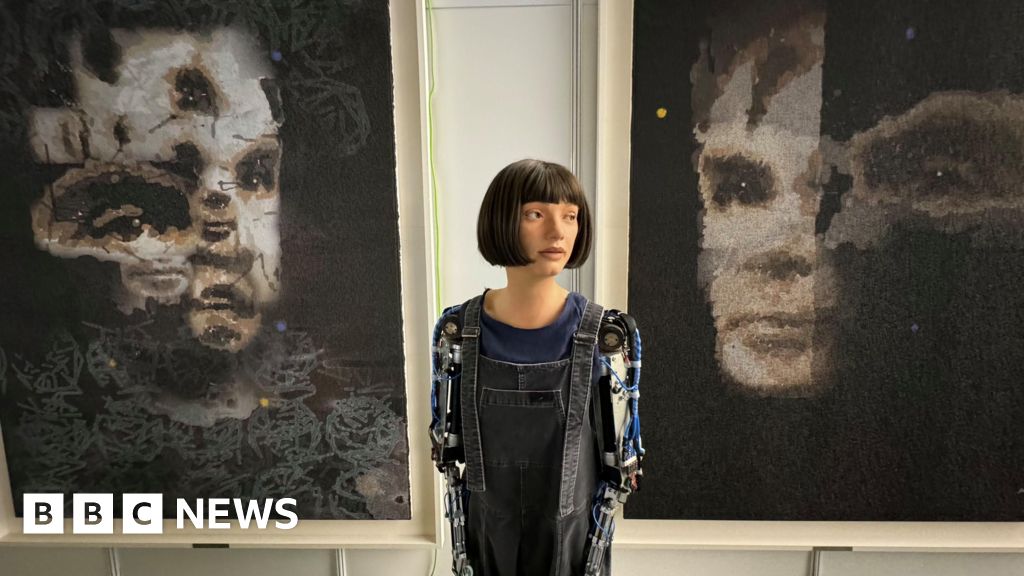
An AI robot named Ai-Da created a portrait of British computer scientist Alan Turing, which sold for $1.08 million at a Sotheby's auction, setting a record for artwork by a humanoid robot. The painting, titled "AI God: Portrait of Alan Turing," far exceeded its pre-auction estimate and has sparked discussions about the role of AI in art and its implications for the future. Ai-Da's creator, Aidan Meller, views the artwork as a reflection on the increasing influence of AI in society, likening its impact to the invention of the camera.
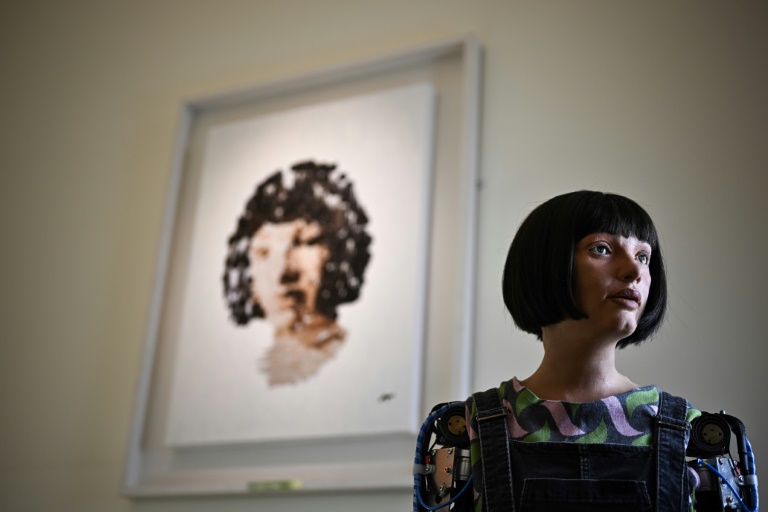
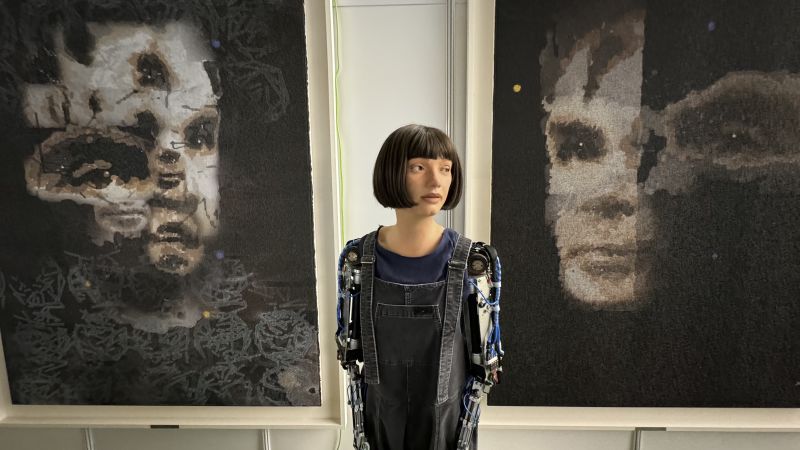
Ai-Da, the world's first ultra-realistic humanoid robot artist, sold a portrait of mathematician Alan Turing for over $1 million at Sotheby's, far exceeding its pre-sale estimate. The artwork, titled "A.I. God," marks a significant moment in the intersection of AI technology and the art market. Ai-Da, designed to resemble a human woman, uses AI to create art and aims to spark dialogue about the implications of emerging technologies. The sale highlights the growing influence of AI in contemporary art.
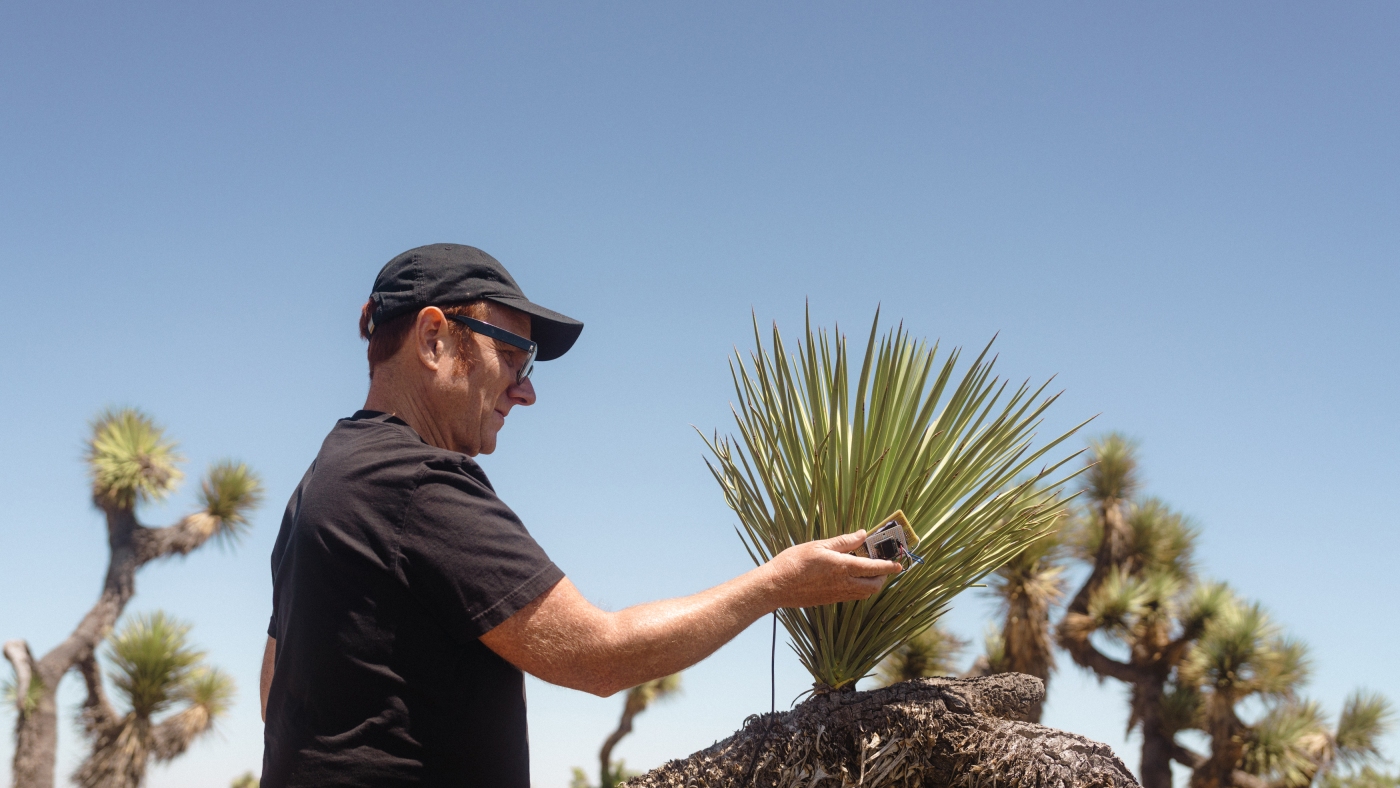
Artist Scott Kildall uses a microcontroller to capture infrared light from Joshua trees and convert it into music, creating a unique sound installation called Infrared Reflections. This project, developed during his residency at Joshua Tree National Park, highlights the interplay between art and technology, and aims to engage people with nature and ecological issues through an innovative auditory experience.
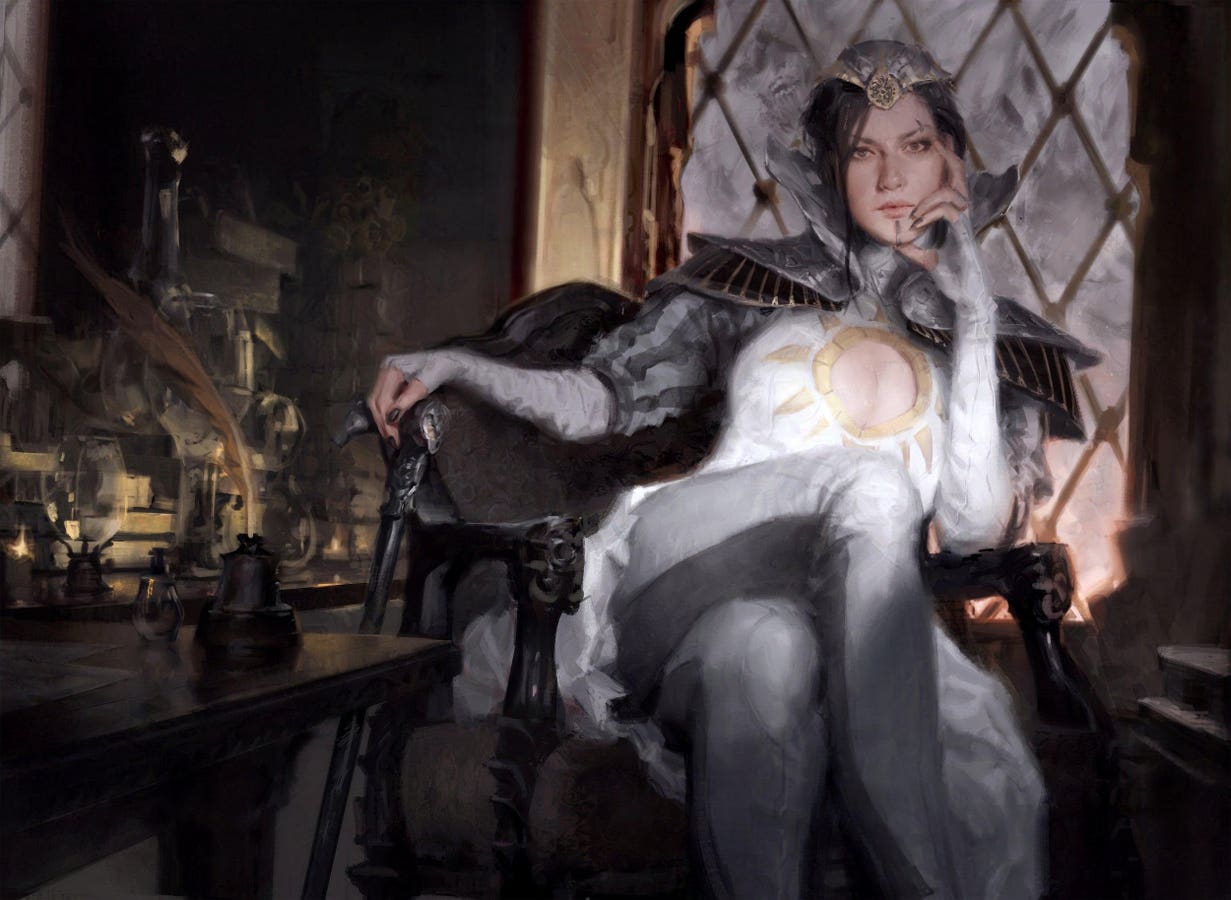
Artist and activist Karla Ortiz is leading efforts to protect human artists from the encroachment of generative AI, which she argues is unethical and threatens jobs by using copyrighted material without consent. Ortiz has organized town hall meetings, testified before the US Senate, and is a plaintiff in class action lawsuits against companies like Midjourney and Stability AI. She advocates for stricter regulations and technological countermeasures to safeguard artists' rights and livelihoods.
Refik Anadol discusses his immersive art installations that are generated using artificial intelligence, blurring the lines between physical and digital spaces. Anadol's work explores the potential of AI to create mesmerizing visual experiences, pushing the boundaries of traditional art forms and challenging perceptions of reality.
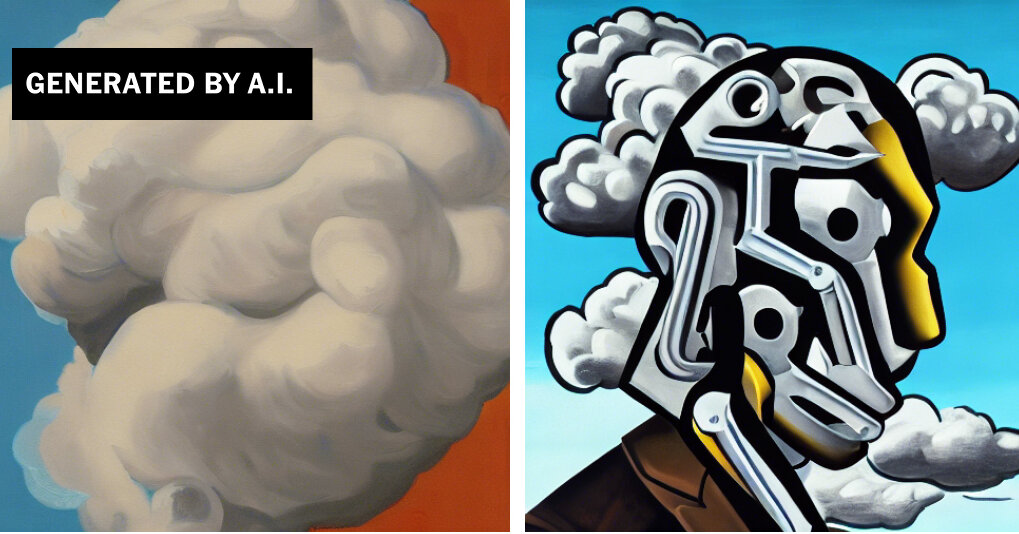
Artist David Salle has been working with an AI program to test its capacity to become a sophisticated creator of art. Through weekly meetings with technologists, the program has been tailored to Salle's requirements, generating images in his style based on descriptive prompts. The algorithm has progressed, adopting more of Salle's techniques and moving away from generic photorealism. Salle sees the experiment as sending the machine to art school, teaching it principles of light, shadow, depth, and volume. The partnership has been mutually beneficial, with Salle acting as a guinea pig for the AI platform while developing his own digital images. The experiment raises questions about the nature of art, authorship, and the future role of AI in the creative process.
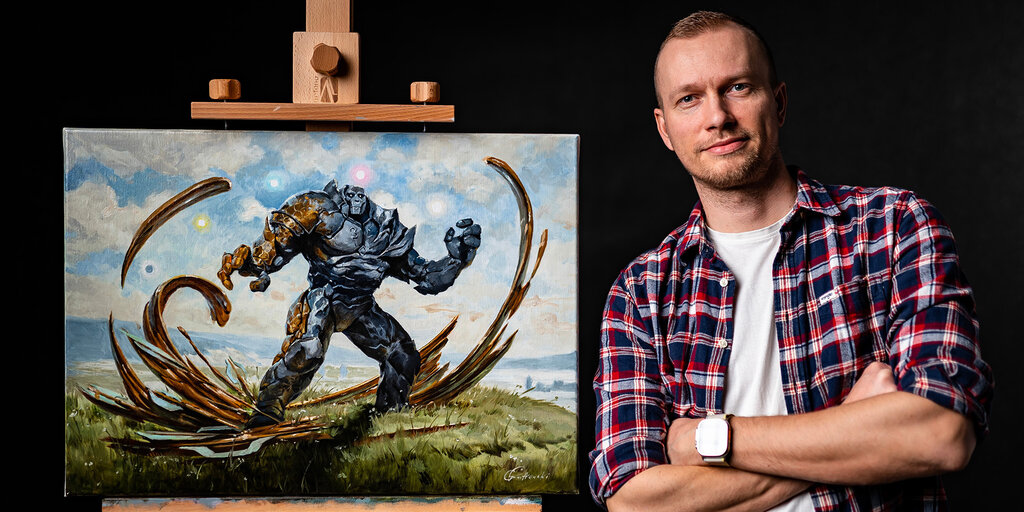
Digital artist Greg Rutkowski, known for his vivid style, opposed the use of artificial intelligence (AI) in art. In response, AI art creators removed his work from the popular AI image generator Stable Diffusion. However, the art community created a tool to mimic Rutkowski's style using Stable Diffusion's open-source code. Despite the controversy, the move highlights the ongoing debate between innovation and infringement in the evolving world of AI and art.
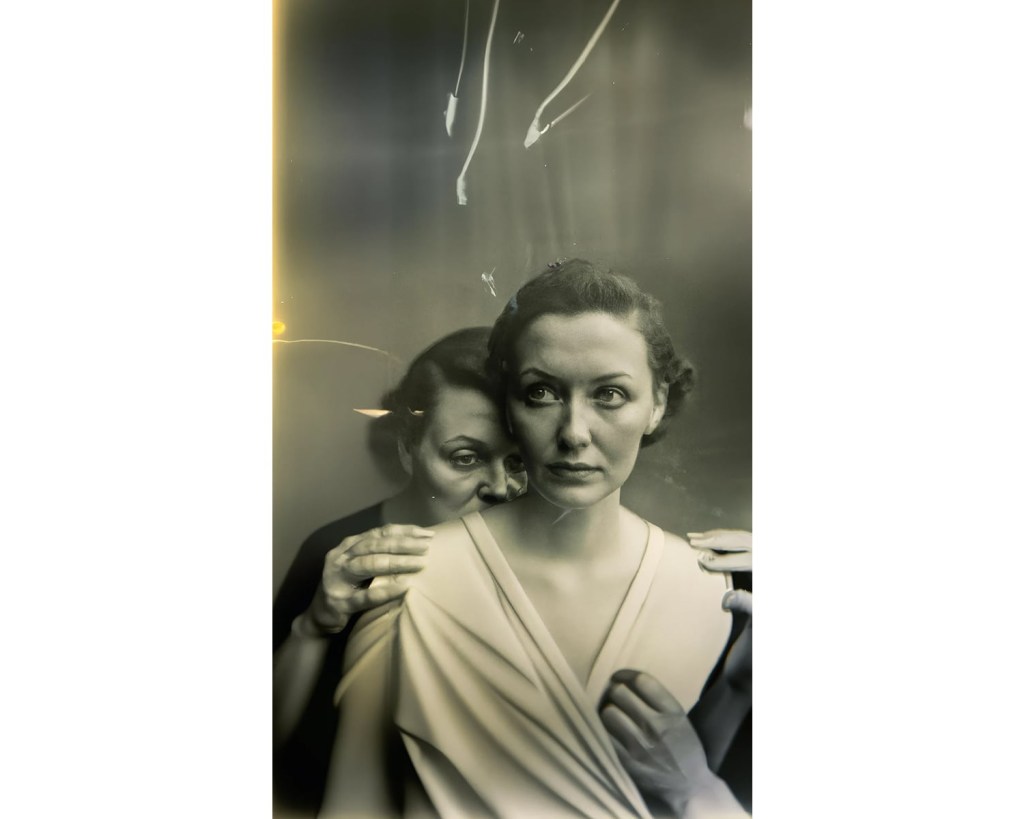
Artist Boris Eldagsen won the World Photography Organization’s Sony World Photography Awards for an AI-generated work titled The Electrician. However, he declined the award, stating that AI and photography should not compete with each other. Eldagsen urged the jury to give his prize money to a photography festival in Ukraine instead. The World Photography Organization suspended its activities with Eldagsen and removed him from the competition, citing his deliberate attempts at misleading them. The controversy raises questions about the role of AI in art and photography.
Indian digital artist Gokul Pillai used an AI programme to create portraits of famous billionaires, including Bill Gates, Mark Zuckerberg, Warren Buffett, Jeff Bezos, Elon Musk, and Mukesh Ambani, imagining them as "slumdog billionaires". The portraits show the world's wealthiest people dressed in old, unwashed clothes, standing in slums or next to garbage dumps. The images have gone viral on social media, sparking confusion and concern over the spread of harmful disinformation.
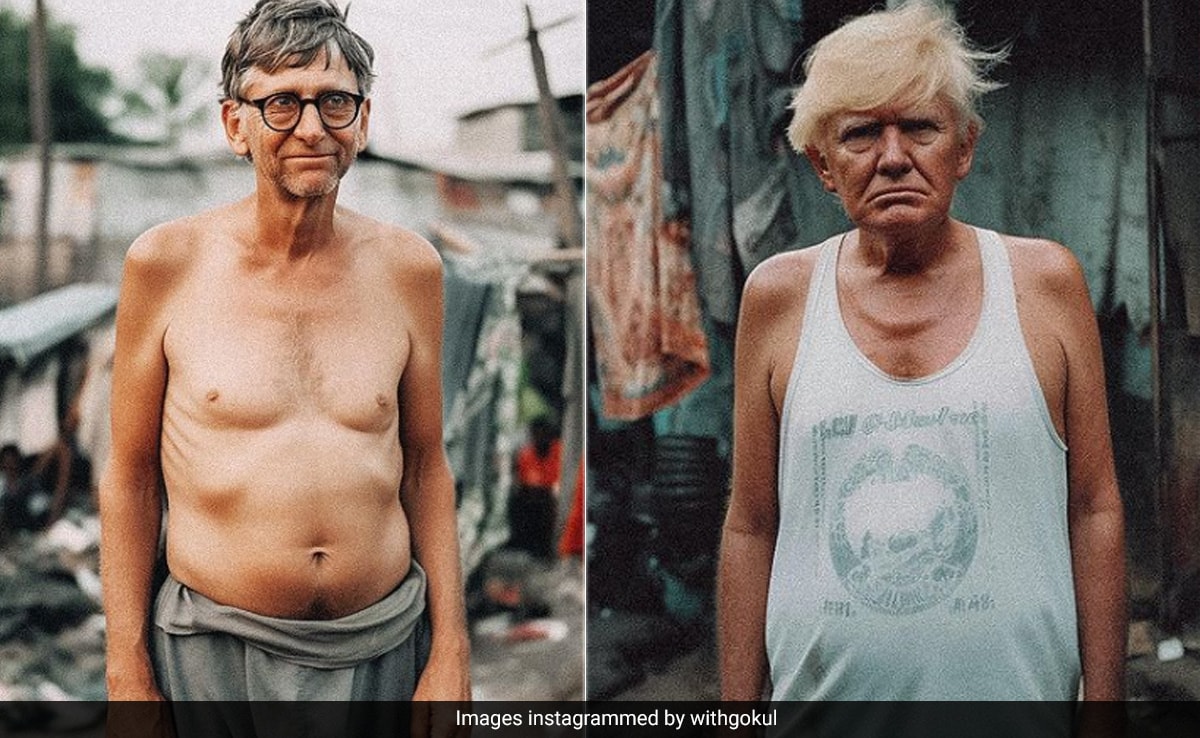
An artist has used an artificial intelligence program called Midjourney to reimagine what some of the world's wealthiest people would look like if they lived in poverty. The artist, Gokul Pillai, shared images of billionaires such as Bill Gates, Mark Zuckerberg, and Elon Musk dressed in rags and standing against the backdrop of a slum area. The images have gone viral on social media, with many praising the concept and the realistic appearance of the AI-generated images.