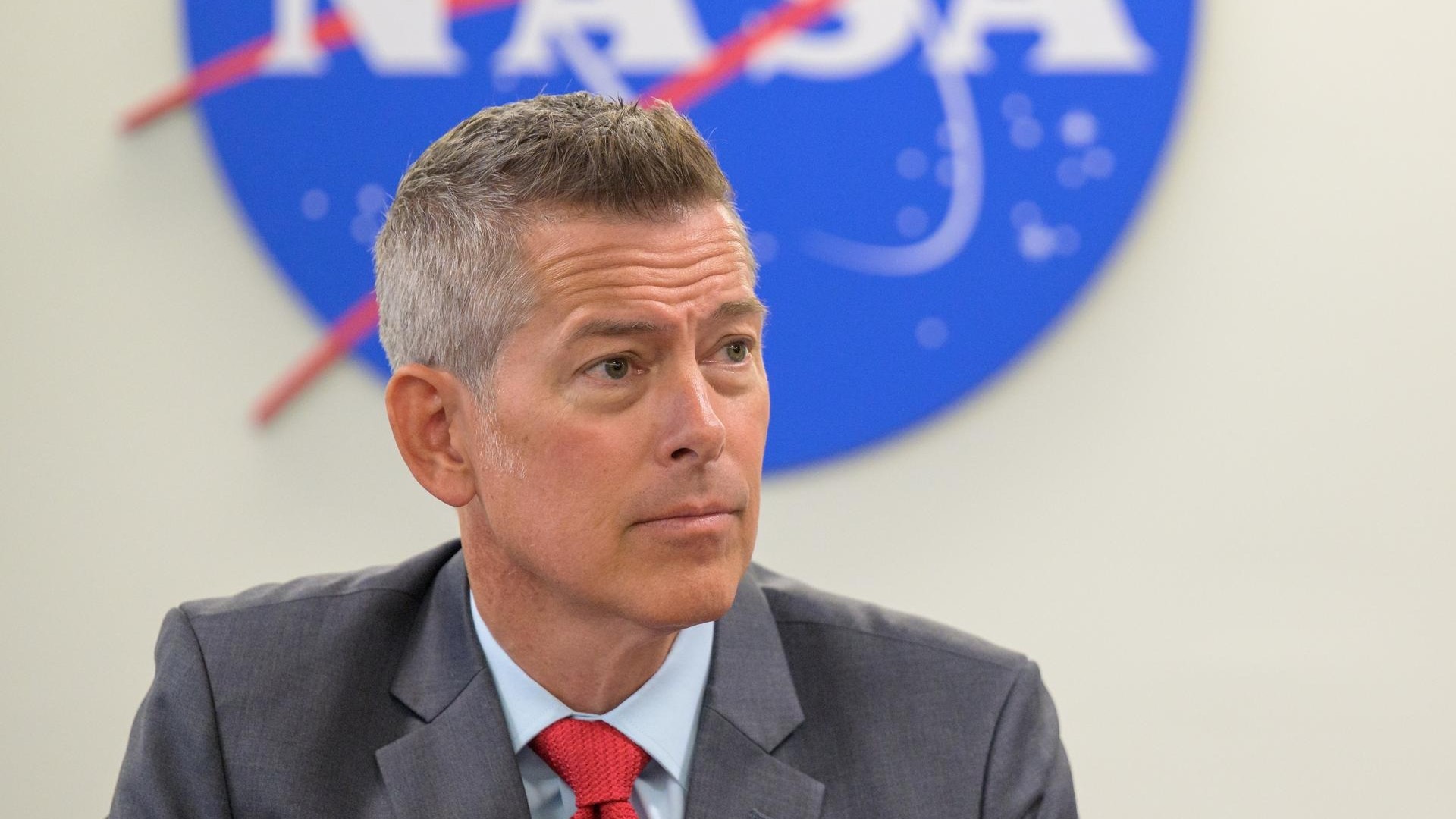
Acting NASA Administrator Sean Duffy announced that NASA will shift its focus from climate science to space exploration, aligning with proposed budget cuts that threaten many Earth science missions, raising concerns about the future of climate monitoring and research. Despite these changes, NASA emphasizes its primary role in space exploration, with other agencies potentially taking the lead on climate science, while congressional decisions will ultimately determine the fate of current and planned missions.
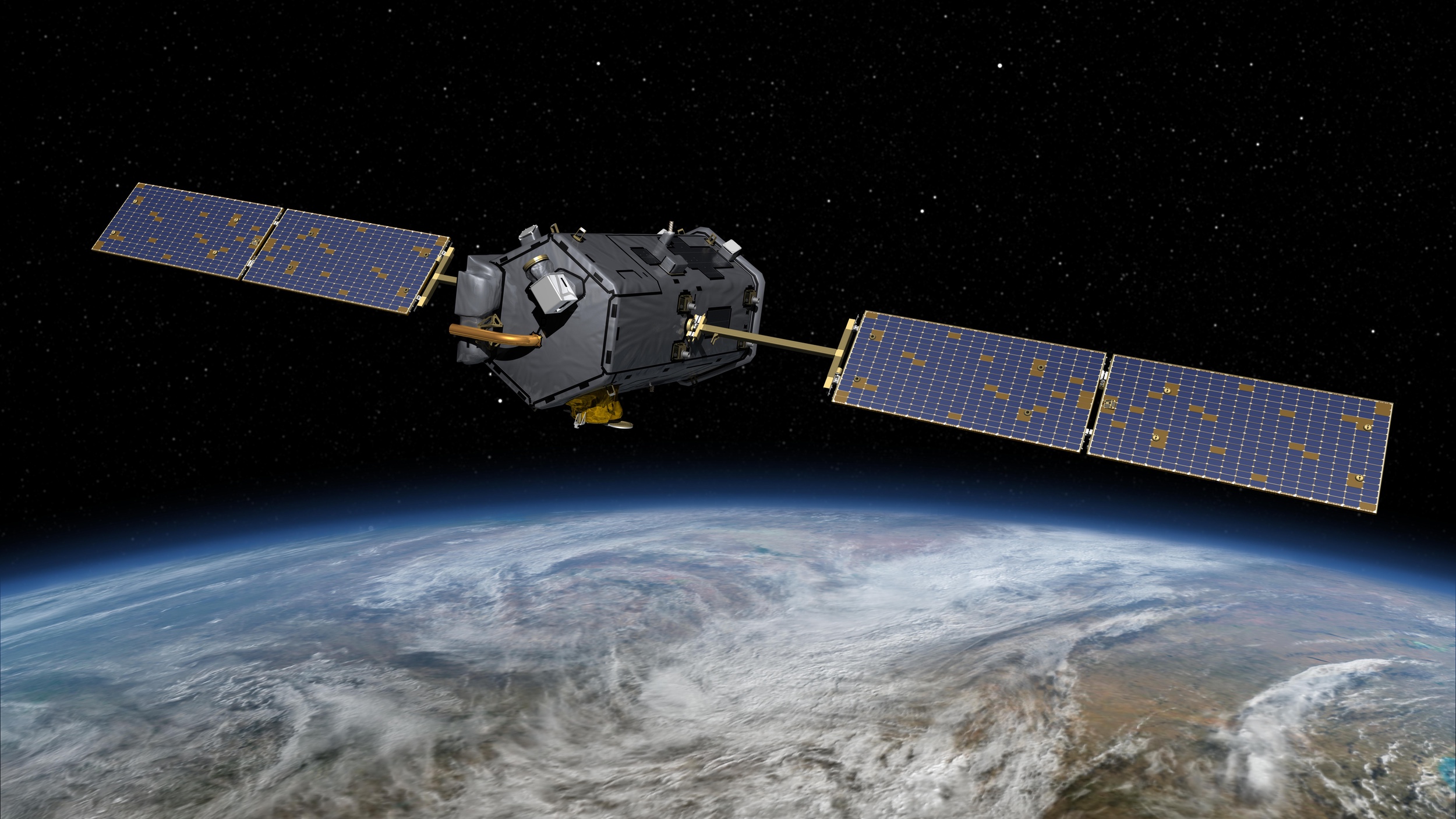
Comments by NASA’s acting administrator have raised concerns about the future of Earth science programs, including the potential termination of missions like the Orbiting Carbon Observatory 2, amid the 2026 budget proposals.
NASA celebrates Independence Day with reflections on exploration, announces new spaceflight assignments, partnerships with Netflix, and ongoing research and outreach efforts, including supporting disaster response and celebrating Marshall Space Flight Center's 65th anniversary, emphasizing embracing challenges and public service.
The article discusses the potential long-term damage to NASA and space science caused by proposed budget cuts under the Trump administration, which threaten ongoing projects, future missions, and the agency's leadership, risking a setback in American space exploration and scientific research.
The 2026 budget proposal by President Trump aims to significantly cut NASA's robotic exploration missions, especially reducing Earth science funding by 53%, which would impact studies of Venus, Mars, Jupiter, and Earth itself.
Rocket Lab successfully launched the first of two NASA PREFIRE Earth science cubesats on May 25, placing it into a 525-kilometer sun-synchronous orbit. The mission aims to measure infrared emissions at the poles to improve climate models. A second identical cubesat will be launched in the coming days.
NASA has developed compact, high-resolution infrared cameras with advanced filters that can enhance wildfire warnings, study Earth's atmosphere, and analyze the molecular composition of other planets. These cameras, using strained-layer superlattice sensors, are lightweight and adaptable, making them suitable for various scientific missions. The technology has already proven successful in space and is being further developed for applications like pollution monitoring and fire observations.
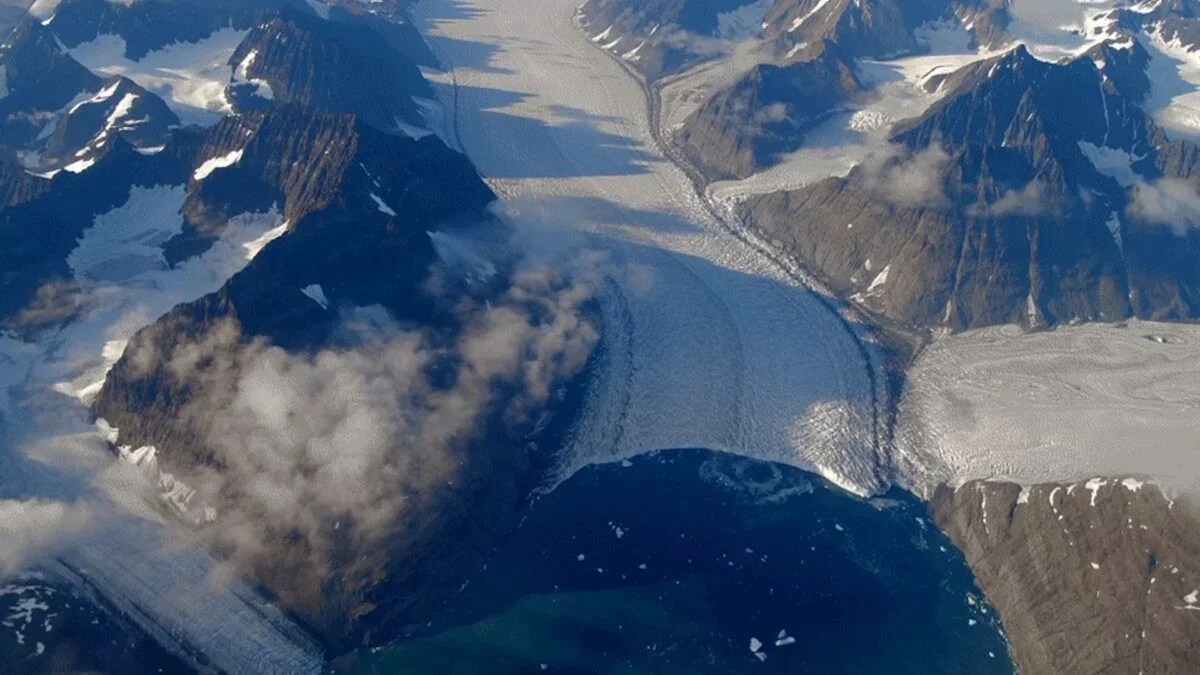
NASA has chosen six new airborne missions to study various aspects of Earth and climate change, including fire-induced clouds, Arctic coastal change, air quality, landslide hazards, shrinking glaciers, and emissions from agricultural lands. These missions, funded through NASA's Earth Venture program, aim to provide finer detail measurements than satellites and complement satellite observations. The selected missions will receive roughly $120 million in funding and will be carried out between 2026 and 2029, with a focus on promoting diversity, equity, and inclusion in the teams.
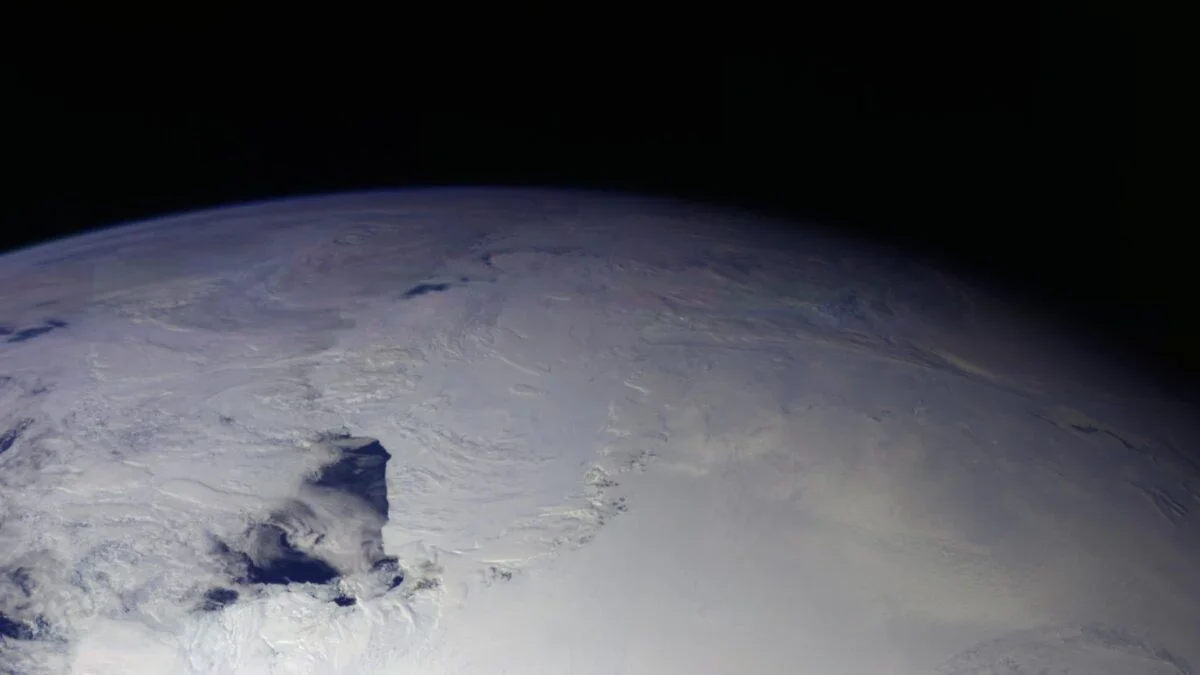
The Ross Ice Shelf in Antarctica, the size of France, has been found to lurch forward once or twice a day due to elastic waves triggered by slip events on the Whillans Ice Stream. These sudden movements, detected by seismographs, could potentially lead to icequakes and fractures in the ice shelf. While not directly linked to human-induced global warming, understanding these movements is crucial for monitoring the long-term stability of the Ross Ice Shelf, which plays a significant role in slowing down the melting rate and increasing ice accumulation in the region.
A new study challenges the assumption that earthquakes are the primary driver of glacial lake outburst floods, suggesting that the triggering processes may be more complex than previously thought. Research in the Andes found that only a small number of earthquakes were associated with outburst floods, and further analysis revealed that seismic activity may not always lead to dam destabilization. The study highlights the need for more research to determine the primary drivers of these floods in order to improve hazard assessments and mitigate their impacts on the environment and communities.
Scientists warn that the Atlantic Ocean could be swallowed by a subduction zone known as the 'Ring of Fire', currently located beneath the Gibraltar Strait, within the next 20 million years. This process, called subduction invasion, could lead to the shrinking and eventual closure of the ocean basin. The study, led by researchers in Portugal, suggests that the subduction zone below the Gibraltar Strait is currently active and could expand westwards into the Atlantic, forming a new Atlantic subduction system. This could have significant implications for seismic activity in the area, as subduction zones are known for powerful earthquakes.
A subduction zone known as the Gibraltar arc, located between Portugal and Morocco, has been creeping westward and could eventually invade the Atlantic Ocean, leading to the formation of an Atlantic subduction system similar to the Ring of Fire in the Pacific. Despite appearing dormant, new research suggests that the subduction zone is merely in a period of quiet and could resume its advance in the next 20 million years, potentially causing the Atlantic Ocean to slowly close up. The zone's movement over the last 5 million years may explain the region's relative lack of seismicity and volcanism, with the last major earthquake occurring in 1755.
A subduction zone known as the Gibraltar arc, located between Portugal and Morocco, has been creeping westward and could eventually invade the Atlantic Ocean, leading to the formation of an Atlantic subduction system similar to the Ring of Fire in the Pacific. Despite appearing dormant, new research suggests that the arc is merely in a period of quiet and could resume its advance in the next 20 million years, potentially causing the Atlantic Ocean to slowly close up. The subduction zone's movement has been linked to the relative lack of seismicity and volcanism in the region, with the last major earthquake occurring in 1755.
NASA is restructuring its Earth System Observatory missions to reduce costs, delaying some and relying more on international partners. The agency's fiscal year 2025 budget proposal projects spending about $12.25 billion on Earth science between fiscal years 2025 and 2029, nearly $1.2 billion less than the previous proposal. The strategy includes splitting large missions into smaller ones, making greater use of international partnerships, and opening some missions up to competition. This approach saves money through partnerships and by flying smaller missions when they are ready rather than waiting to complete a larger mission.
A 2021 study estimates that there are approximately 43.9 million cubic kilometers of water in Earth's crust, making groundwater the largest reservoir of water globally after the oceans. This deep groundwater, largely isolated and salty, could provide valuable insights into Earth's past and support ancient microbial ecosystems, shedding light on the evolution of life on our planet and potentially on other worlds. The study's findings more than doubled previous estimates of deep groundwater, emphasizing the need for further exploration of water at great depths on Earth and other planets.